Country room
Czechia
A wave that lasted four years.
How quickly can a cinema be built, and how quickly silenced?
Something began in Prague in 1963.
In August 1968 the tanks came.
The Czech New Wave was not a movement. Nobody wrote a manifesto, nobody founded a journal, and they did not even resemble each other.
What they shared was a school. FAMU, the film academy in Prague. They studied in the same corridors, took the same classes, worked on each other's films. Then they all started shooting at once.
The number of films that came out of this country between 1963 and 1968 is not surprising. What is surprising is how many are still standing.
Forman filmed a firemen's ball, and that ball became a critique of the state. Chytilová filmed two girls upending a table, and the film was banned. Menzel won an Oscar with a film about a first sexual experience at a railway station. Němec filmed a picnic; nobody is forced at that picnic, nobody is beaten, and the audience knew exactly what it was watching.
Read more
Then August 1968. Soviet tanks entered Prague and this cinema stopped.
Some left — Forman to America, Passer after him, Kadár too. Some stayed and could not work: Chytilová made no films for years, Němec was pushed into exile, Jireš softened. Banned films went into storage marked "shelved forever" and stayed there until 1989.
This room is built around those four years. There is a before — Czech animation and the puppet tradition are among the oldest in the world. And an after — a cinema that started again in 1989.
But those four years stand at the centre. Few waves have left this much behind in so little time.
The Chain

Ecstasy
Hedy Lamarr runs naked through a forest and the film was banned across much of the world. The Pope condemned it. Lamarr never shook it off.

The Emperor's Nightingale
Puppet animation. Trnka made them by hand, moved them one at a time, shot with patience. Czech animation is among Europe's oldest and this is where it comes from.

Something Different
Two women: a gymnast and a housewife. Chytilová cuts them in parallel and never compares them. Her first feature, one of the New Wave's breakout films.
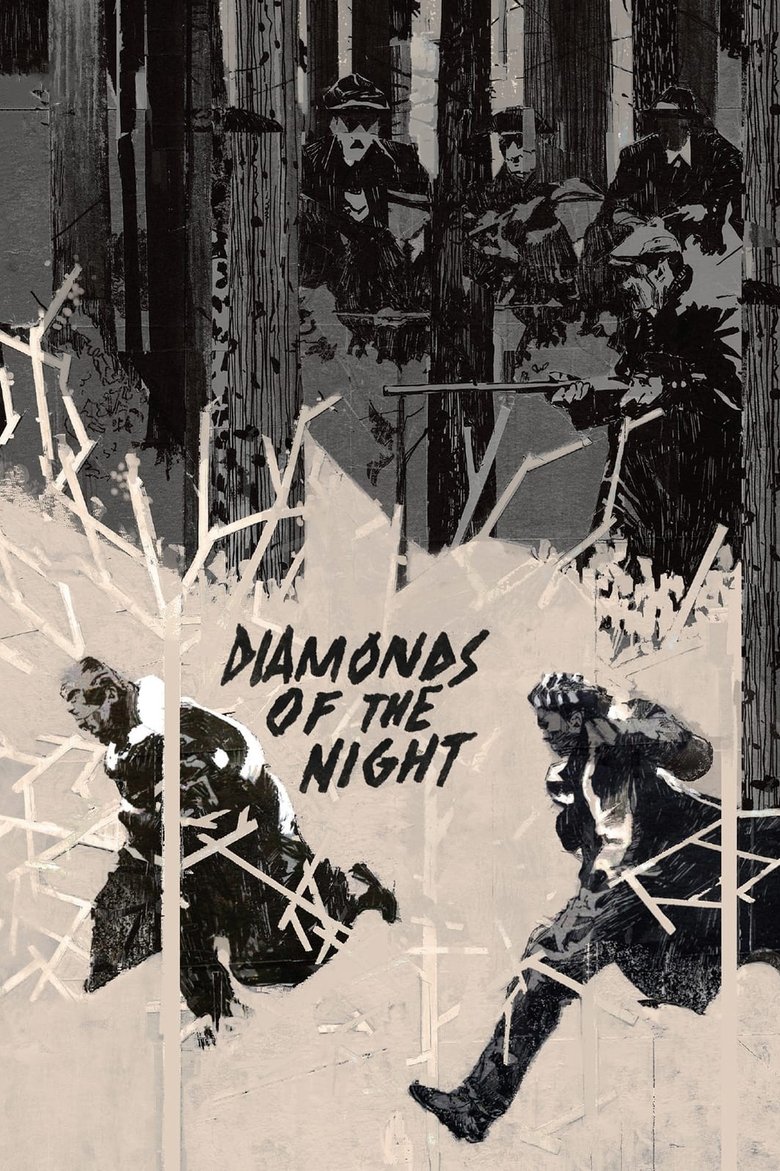
Diamonds of the Night
Two boys jump from a train and run through a forest. Sixty-four minutes, almost no speech. Němec tells the camps without showing them.

The Shop on Main Street
A carpenter is made "Aryan controller" of a Jewish woman's shop. She is deaf and does not understand what is happening. Czechoslovakia's first Oscar.

Loves of a Blonde
In a factory town there are many girls and no men. The management brings in soldiers. Forman filmed with non-professionals and had most of the dialogue improvised.

Daisies
Two girls ruin everything. Colours shift, collage enters, there is no narrative. It was banned "for depicting the wasting of food", and Chytilová never let that go.

Closely Watched Trains
A railway station, an apprentice, a war. Menzel was thirty and won the Oscar. That the film is funny makes it sharper.

A Report on the Party and the Guests
A group of people go on a picnic. On the way someone stops them and makes them play a game. Nobody is forced, everybody complies. The film was "shelved forever".

Intimate Lighting
Two old musician friends meet for a weekend. They eat, they play a little, nothing happens. Passer's only Czech film — then he left for America.

The Firemen's Ball
A small-town ball where everything goes wrong. The raffle prizes are stolen, the beauty contest collapses, a house burns down. The Party took it as an insult and was right.

The Joke
A man writes a postcard as a joke in his youth. The postcard ends his life. From Kundera's novel, made just after the Prague Spring was crushed.
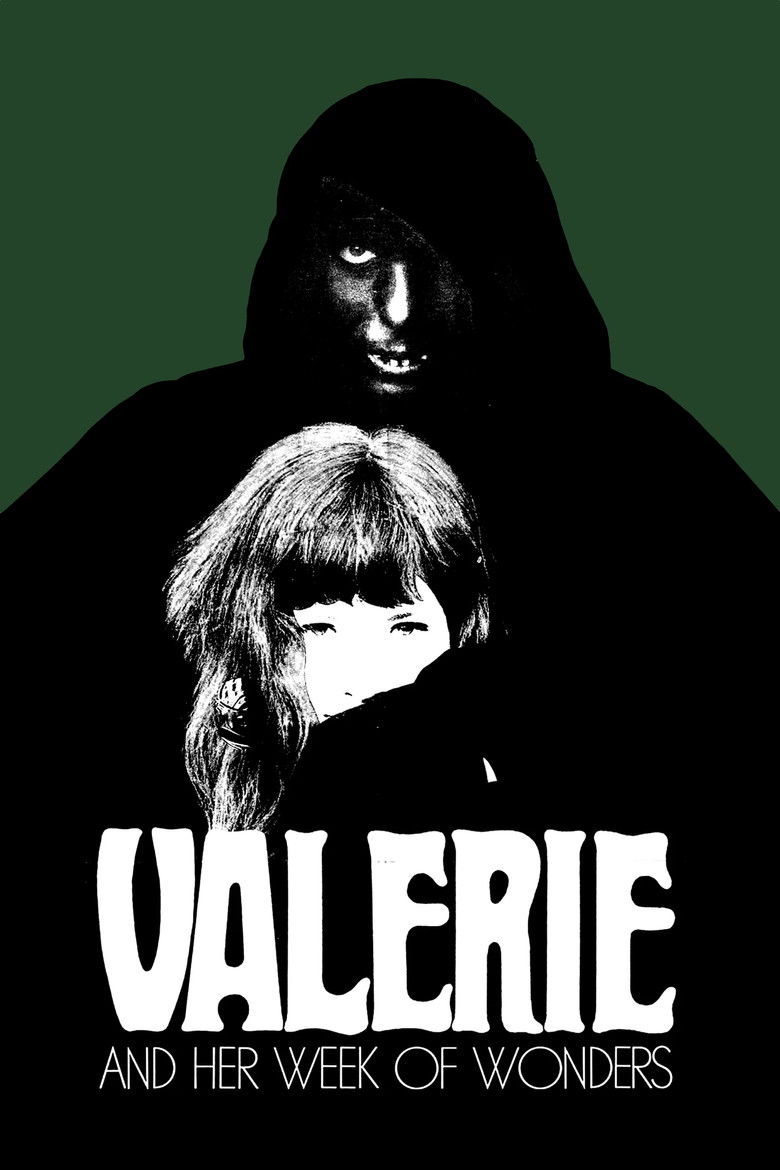
Valerie and Her Week of Wonders
A thirteen-year-old girl, vampires, missionaries, dreams. What is happening is never explained, and the film does not consider that a fault.

Alice
Alice sees a rabbit, and the rabbit is taxidermied. Švankmajer does not make stop-motion beautiful — he makes it uncomfortable, and he means to.

Divided We Fall
A couple hide a Jewish man in their home, and their neighbour is a Nazi collaborator. Hřebejk shot it as comedy. It was nominated for the Oscar.

I, Olga Hepnarová
In 1973 a woman drove a lorry into a crowd. Eight people died. The film neither explains her nor defends her — it only looks.
Directors in this room


