Country room
Spain
Spain put tragedy and farce in the same scene.
Can a country laugh at its own pain?
For forty years Spain could not ask this question out loud.
When it finally could, it asked it laughing.
The strangest thing about Spanish cinema is this:
Its darkest films are usually comedies.
Berlanga told the story of a man who does not want to be an executioner. He is not a bad man. He only wants a flat. The state gives him one. In return it asks him to hang someone.
You laugh all the way through.
In the last scene you cannot work out where the laughter went.
The censors let it through.
Because it was funny.
For forty years in Spain the censor spoke first.
Directors knew not what they could say but what they could not.
So meaning left the dialogue.
It moved to the edge of the frame.
To a glance.
To a joke.
To an object forgotten in the background.
What went unsaid was often the most visible thing in the film.
Buñuel chose another road.
He left his country.
He went to Paris.
He went to Mexico.
Then he came back.
Viridiana won the Palme d'Or at Cannes.
In Spain it was banned.
A group of beggars sits down at a table.
For a moment they recall the Last Supper.
Is the scene blasphemy?
A joke?
Or only a painting?
Buñuel explained none of it.
Juan Antonio Bardem turned his camera straight onto the crime.
A couple run over a cyclist and drive on.
The film is not about the accident.
It is about conscience.
And about how conscience can belong to a class.
Read more
Then Franco died.
The country did not only change its politics.
It changed its voice.
The nights of Madrid filled up.
Colour came back.
The music got louder.
Out of those years came Pedro Almodóvar.
He stopped melodrama from being a genre to be ashamed of.
He filmed women, mothers, nuns, trans women and provincial buses with the same seriousness.
His films start with laughter.
Somewhere along the way they break your heart without letting you notice.
Spanish horror settled inside the house.
The ghosts walked in flats, not castles.
Evil was found in the family, not in the stranger.
This country's horror cinema did not produce monsters.
It produced closeness.
Today Spain is looking at the land again.
At peach orchards.
At burning forests.
At emptying villages.
There was a time when everyone was leaving the village for the city.
Now cinema watches the village slowly disappear.
Spain never stopped fighting with its pain.
It only changed the way it looks at it.
Sometimes crying.
Sometimes laughing.
The Chain
One film leads to another
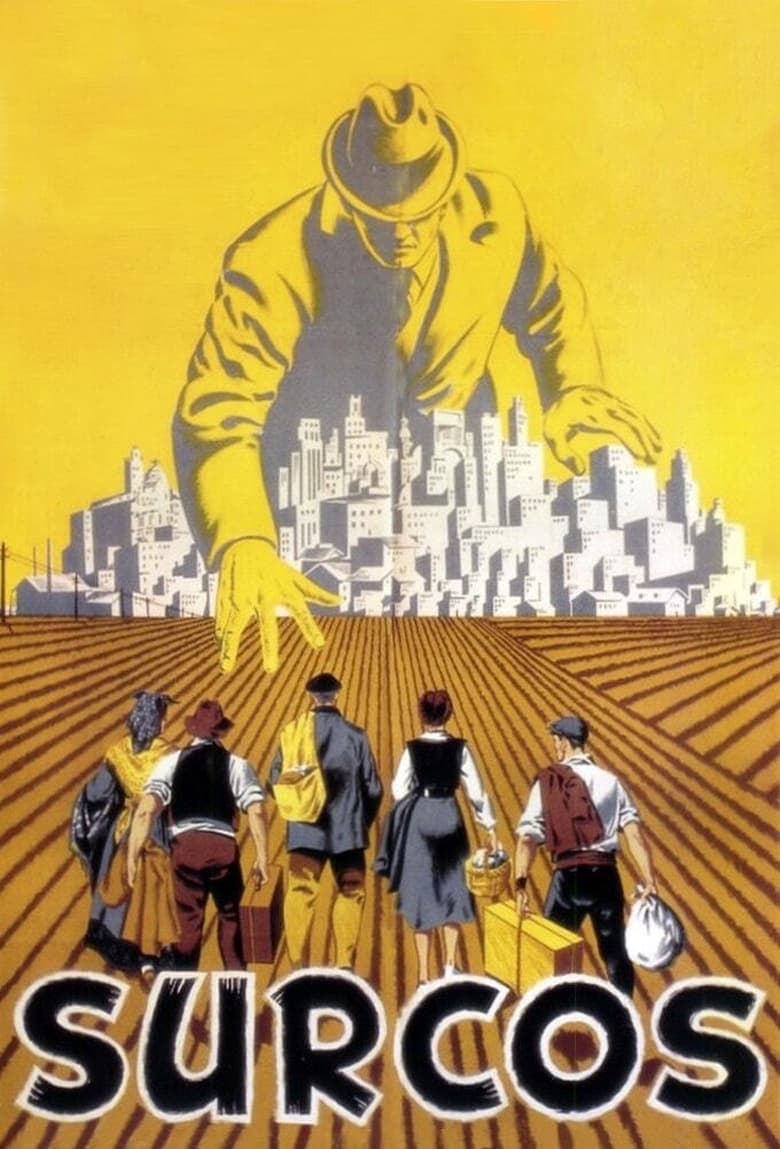
Surcos
A family arrives in Madrid from the village and grows poorer. The censors changed the ending: the family had to go back, because the city could not be shown as bad.

Muerte de un ciclista
The accident lasts a minute; the film spends two hours showing that nobody will be punished. The culprit is clear, the question is the class he belongs to.

Viridiana
It won the Palme d'Or at Cannes, was banned in Spain and its prints were seized. The state had helped pay for it.

El verdugo
Becoming an executioner in order to get a flat. Berlanga told it as comedy, and the censors let it through because they laughed.

El extraño viaje
A small town, three siblings and a death nobody asks about. The film sat on a shelf for years; nobody knew what to do with it.

La caza
Four men go rabbit hunting. Under the sun, as they talk, it becomes clear the war never ended.
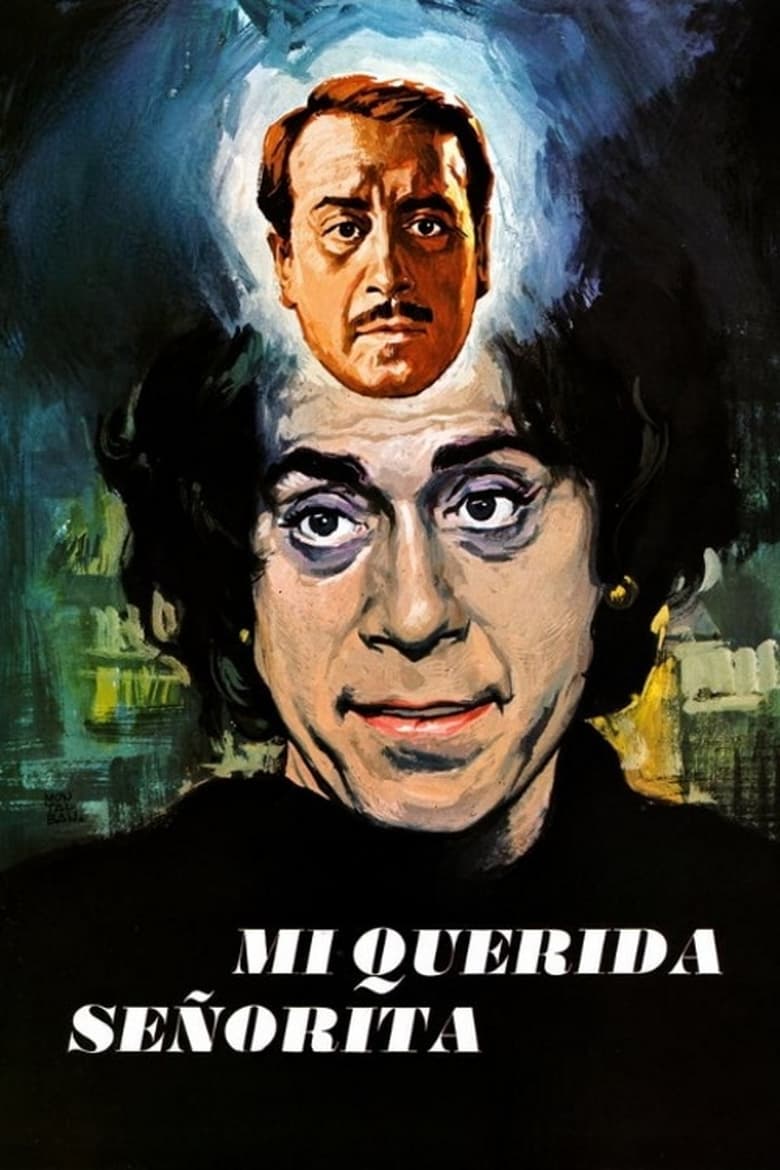
Mi querida señorita
The life of a woman living alone in the provinces turns over with one secret. A film about identity, in 1972, under censorship.

The Spirit of the Beehive
A child watches Frankenstein and believes the monster is real. This is how silence was told in Franco's last years.

Furtivos
It opened the year Franco died. A trap laid for everyone who thought the forest was peaceful.

Arrebato
A filmmaker becomes addicted to filming. Nobody went when it opened; today it is Spain's greatest cult film.

Los santos inocentes
The distance between the family working the estate and the landowner never closes. One of the rare Spanish films with nothing to laugh at.

Mujeres al borde de un ataque de nervios
Thirteen years after Franco. Colours, telephones, an outrageous flat and women who never stop; the country had found its voice.

Jamón jamón
Ham, a bull billboard, bare earth. Spain sold its own clichés by mocking them, and the sale worked.

El día de la bestia
A priest starts sinning in order to find the Antichrist. Horror, comedy and religion in the same scene; hard to imagine elsewhere.

Mar adentro
A man who has lain in bed for thirty years asks for the right to die. Spain had this argument in the cinema first.

Alcarràs
The last harvest of a peach orchard, in Catalan, Golden Bear in Berlin. A film in a language Franco banned, made with state money, representing the country.
Veins
How a country's cinema changed direction, and with whom.
Buñuel made most of his films in Mexico and France; when he returned home his film was banned.
The way to talk about the death penalty, class and poverty was to make people laugh; the censors let it through because they laughed.
With direct speech forbidden, cinema turned to metaphor: a hunting trip, a beehive, a forest.
The films made after Franco died are not a celebration: drugs, unemployment and the outskirts.
Colour, music, excess and no shame. In the eighties Spanish cinema spoke to the world in its own voice.
Spanish cinema today argues its biggest questions inside small houses.
Today
These are films of recent years. Now we go back seventy years, to when the censors read the scripts first.


