Country room
Finland
It says little and endures much.
If a country learns not to complain, what does its cinema tell?
There is a Finnish word: sisu. It has no equivalent.
Roughly, it means going on when you know you have lost.
Nobody in Kaurismäki's films says what they feel.
A man loses his job and his face does not change. A woman is left and does not cry. Two people fall in love and do not say so — one hands the other a sandwich. This is not a style. It is how people speak in this country.
Finland was under Sweden for six hundred years and under Russia for a hundred. It became independent in 1917 and went to war twenty-two years later. In winter there are five hours of daylight, in the north the sun does not rise at all. A language was built under those conditions, and in it there is no complaining.
The cinema comes from two extremes. At one end is Teuvo Tulio: in the forties he made extreme melodrama — the women shouted, the music swelled, everything was overdone. Then he was forgotten and rediscovered in the nineties.
Read more
At the other end is Kaurismäki: nothing is overdone, nobody shouts, the frame does not move. Both tell the same thing — losing. Only one of them has a voice.
The films in between do the same. In The White Reindeer a woman is left alone in the north. Olli Mäki loses a boxing match and it turns out to be a good thing. In Sisu a man refuses to die.
Finnish cinema does not treat defeat as an ending. It treats it as a way of going on.
The Chain

The Way You Wanted Me
A girl goes from the village to the city and falls. Tulio pushes melodrama to its limit — music, rain, glances. Then he was forgotten for forty years.

The White Reindeer
In Lapland a woman goes to a shaman and turns into a white reindeer at night. Made from Sámi folklore, it won a prize at Cannes.
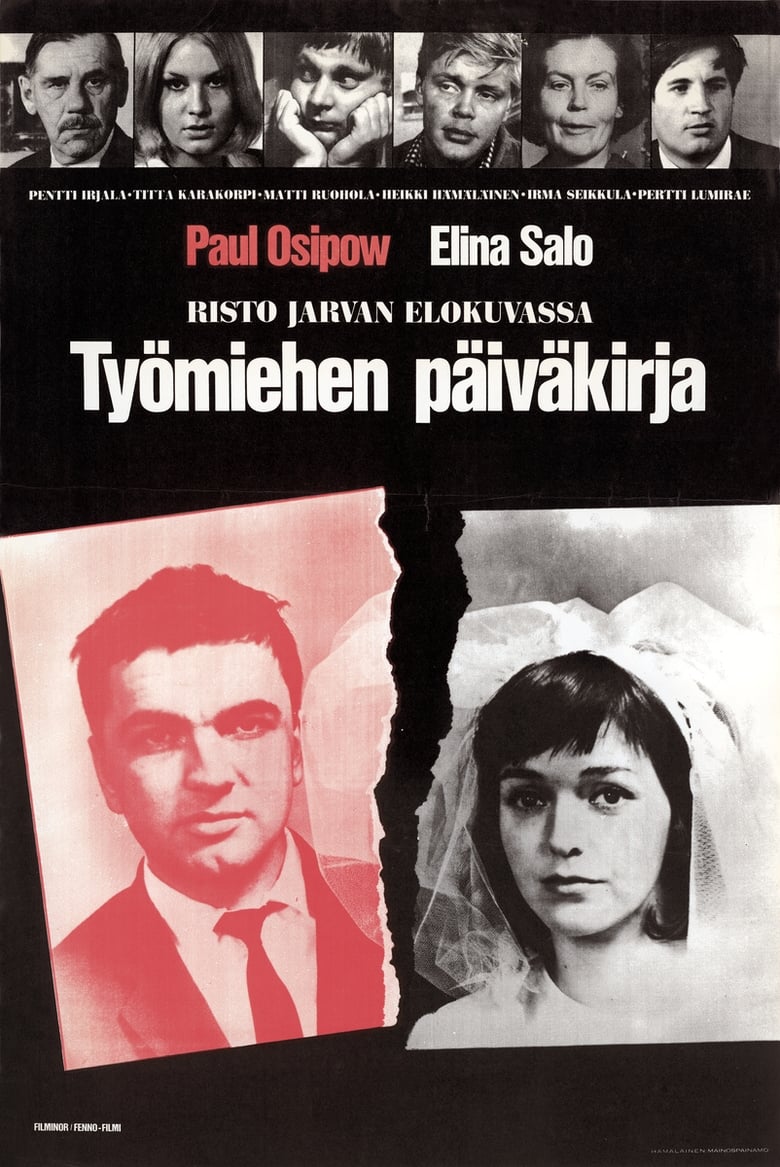
The Diary of a Worker
A factory worker and a marriage. Jarva was at the centre of the Finnish New Wave and filmed working life without decoration. He died in a car crash ten years later.

The Earth Is a Sinful Song
A village in Lapland, a girl and a reindeer herder. Mollberg worked with non-professional actors and the film caused a large controversy in Finland.

Shadows in Paradise
A refuse collector and a checkout worker. They do not speak, do not smile, do not look at each other. Kaurismäki's proletariat trilogy begins here.
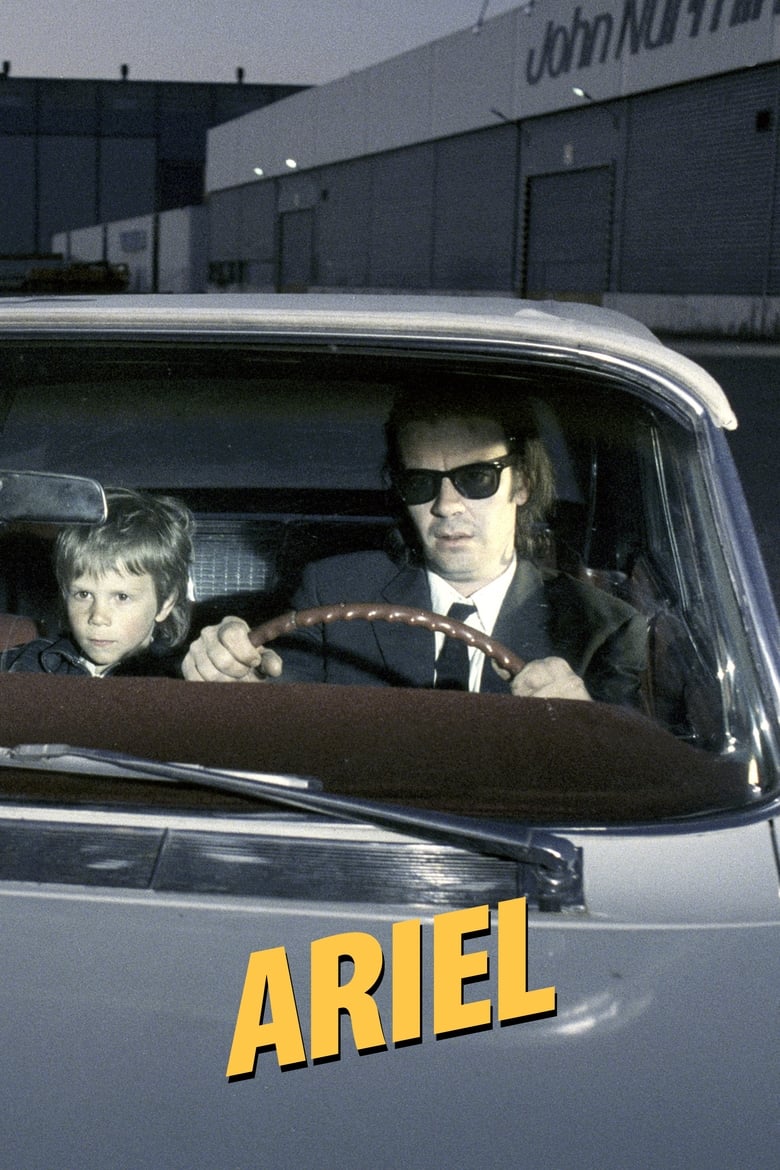
Ariel
A miner loses his job, his father kills himself, the man drives south. All of it happens in seventy-two minutes and nobody says anything.

Leningrad Cowboys Go America
A Finnish rock band goes to America and nobody understands them. Their hair is twenty centimetres long and so are the toes of their shoes.
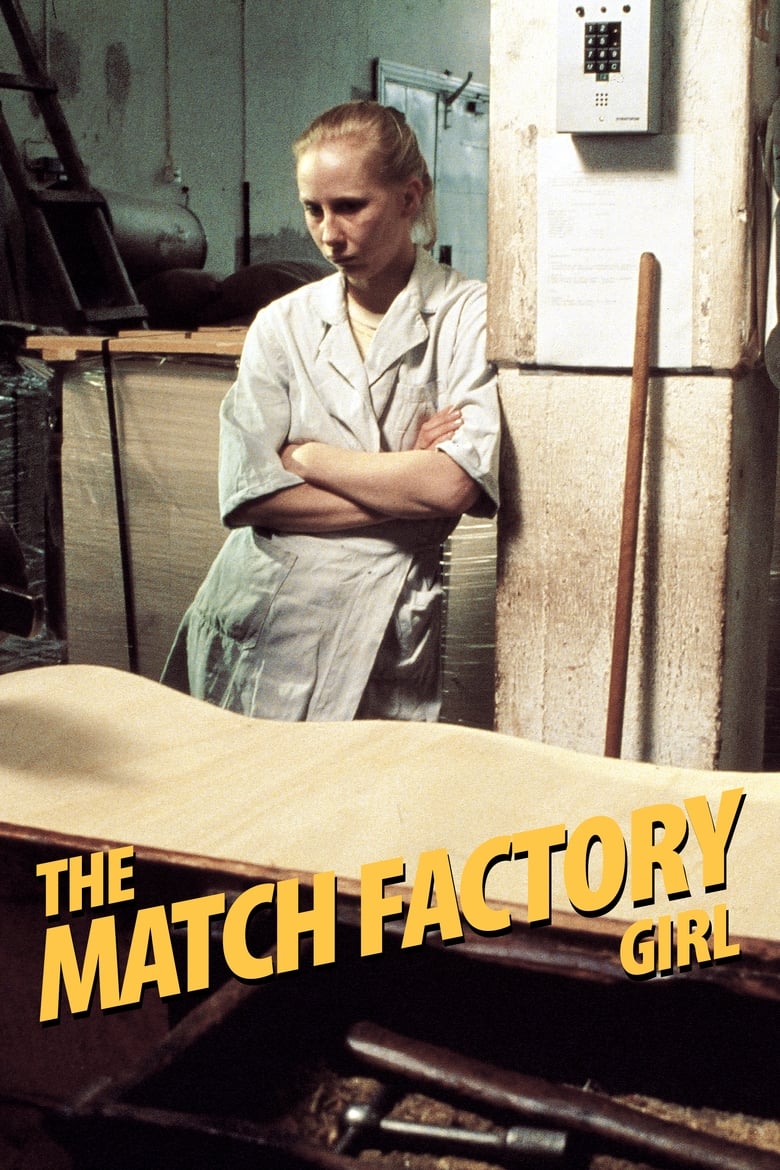
The Match Factory Girl
Sixty-nine minutes and almost no dialogue. A woman works at a match factory, is silent at home, then does something. The end of the trilogy.
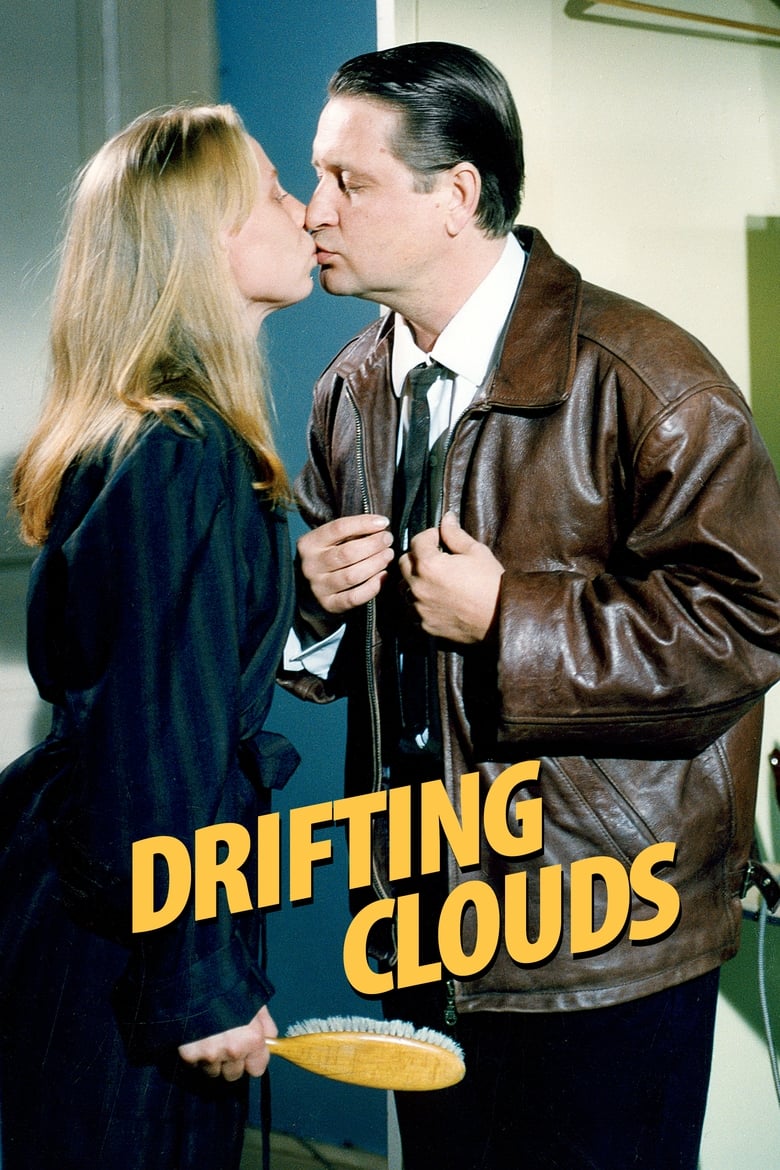
Drifting Clouds
A couple lose their jobs at the same time and look for work. Kaurismäki dedicated the film to Matti Pellonpää — the actor died before shooting and the part was changed.

The Man Without a Past
A man is beaten, loses his memory and starts living in a container at the port. It won the Grand Prix at Cannes and was nominated for an Oscar — Finland's only nomination.

Le Havre
In France a shoeshiner hides an African boy. Kaurismäki is not filming in Finland, but the manner is the same: nobody says what they feel.
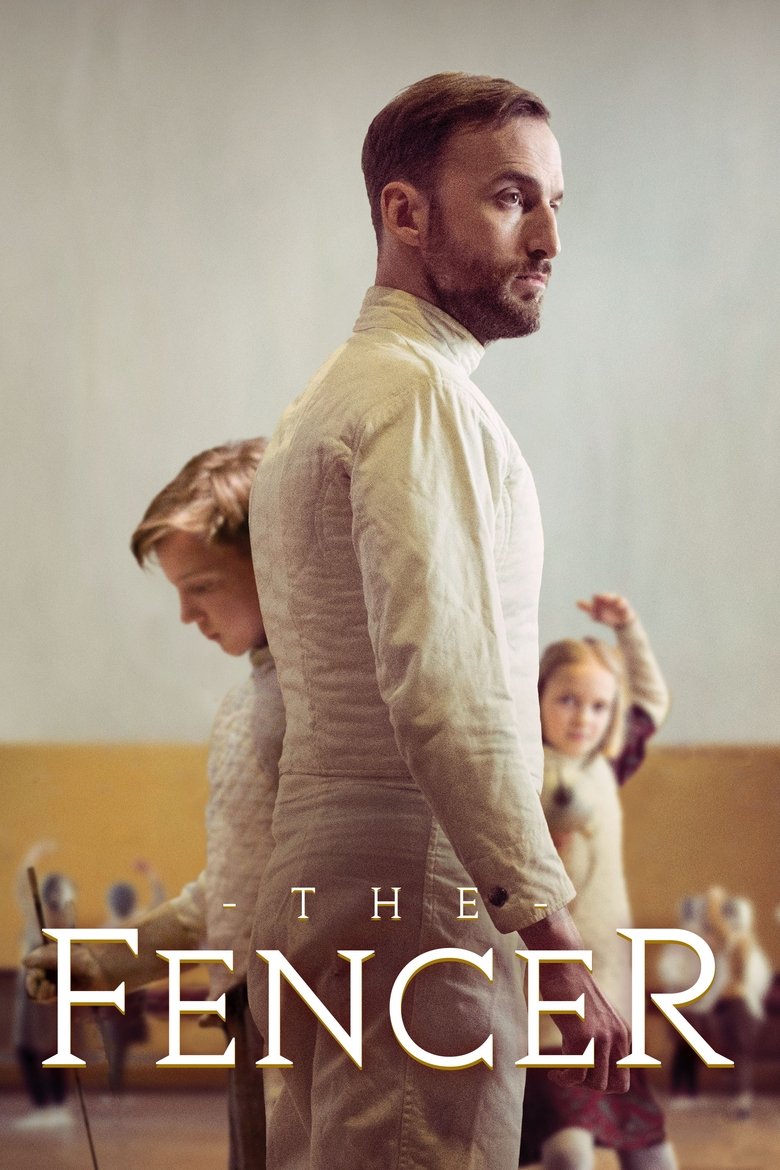
The Fencer
A fencing coach hides in Soviet Estonia and teaches children. Härö's film was submitted for the Oscar by Finland.

The Happiest Day in the Life of Olli Mäki
In 1962 a boxer fights for a world title and loses. But the film is not about the match; it is about his falling in love in those days. It won Un Certain Regard at Cannes.

Compartment No. 6
Two strangers on a train from Moscow to Murmansk. Kuosmanen won the Grand Prix at Cannes — the prize Kaurismäki had taken nineteen years earlier.

Sisu
In Lapland in 1944 a man finds gold and the Nazis try to kill him. He does not die. The film is named after the word, and at the start it tells you what the word means.

Fallen Leaves
A woman and a man meet, a phone number is lost, they meet again. Kaurismäki had said he was retired and came back six years later. It won the Jury Prize at Cannes.
Directors in this room