Country room
Greece
Greece does not have one cinema; it has two, and they do not speak to each other.
Can a country have two cinemas at the same time?
The Chain
1955 → 2024

Stella
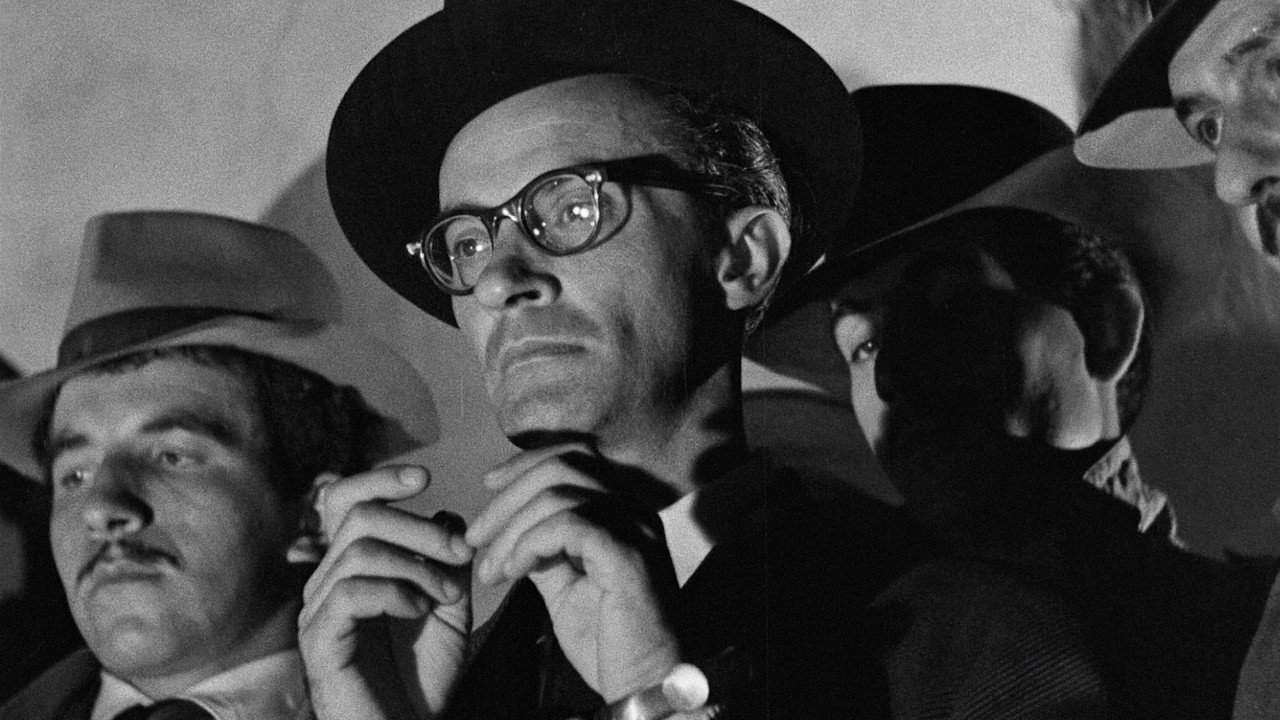
The war and the civil war are over and the studio system is in place. This film comes out of that system and pushes at its limit: the heroine does not conform, and dies for it. A year later a completely different film comes out of the same system.
The Ogre of Athens
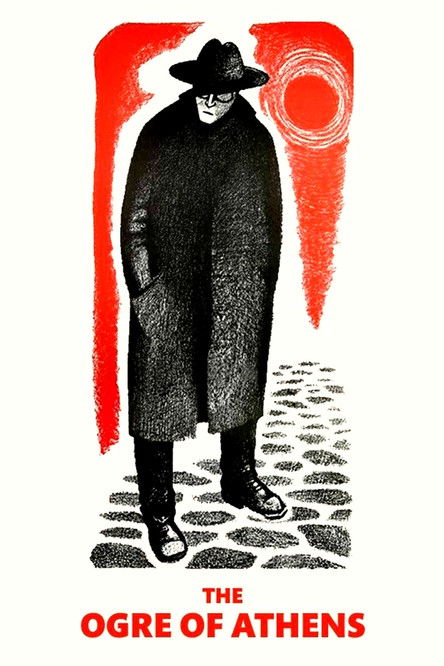
The first real city film in Greek cinema. Post-war Athens is not a set here but the subject: dark streets, false identities, a place where nobody knows anybody. Four years later the world notices Greece, though through an American director.

Never on Sunday
Greece's first big export. A Greek production by an American director; its music went round the world and set the country's international image. Four years later that image is sealed with one man's name.

Zorba the Greek
What the world understands by Greece was fixed by this film and stayed fixed for fifty years. The country's own cinema never used that image again. Three years later the army seizes power and the cinema learns to keep quiet.

Reconstruction
Made under the junta. A film that investigates the country while investigating a murder; Angelopoulos's first feature and the draft of everything that followed. Shortly after the junta falls, the same director delivers a history lesson that lasts for hours.
The Travelling Players
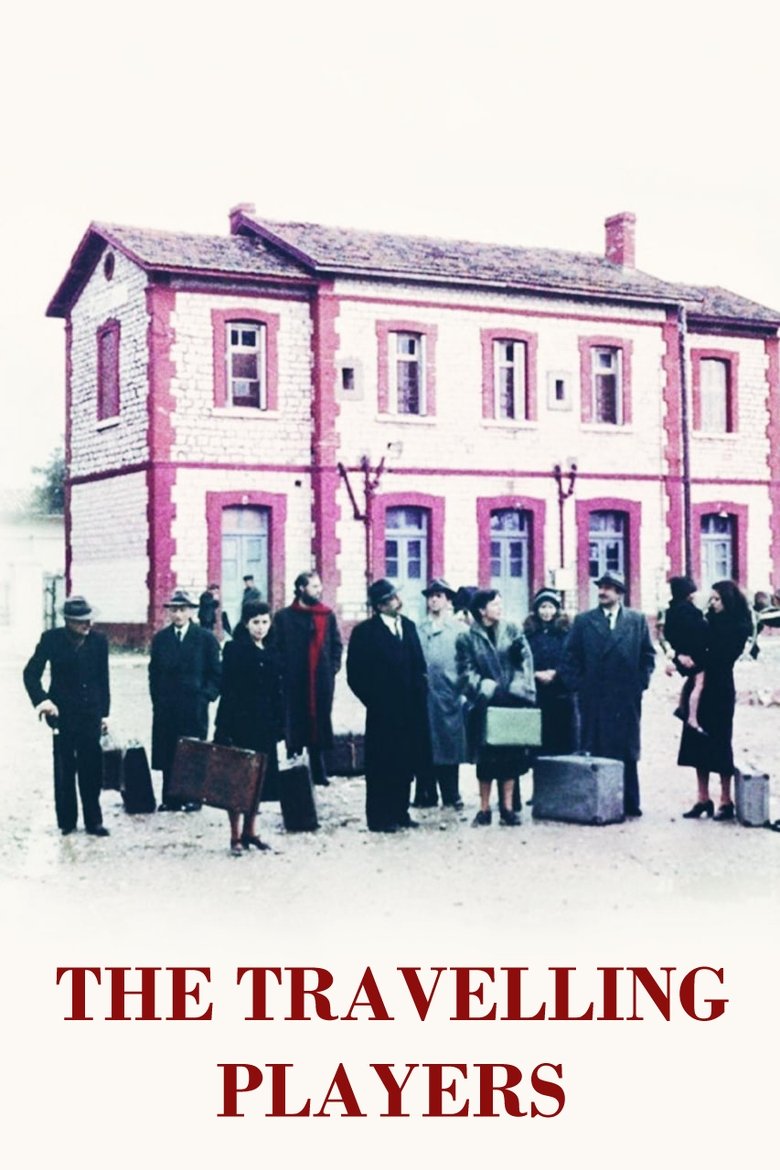
The most ambitious film in Greek cinema: occupation, civil war and coup told through a theatre troupe's tour. This time the world learned about Greece by taking it seriously. Eight years later history is told again, this time through music.

Rembetiko
The twentieth century told through the music of migrants from Anatolia. It came back from Berlin with a prize and showed that Greek cinema had a road other than Angelopoulos. At the end of the eighties history gives way to the road.

Landscape in the Mist
What is told is no longer the nation's history but two children walking. Angelopoulos's interest shifts from the great event to borders, migration and disappearance. In those same years, somewhere no one is looking, a completely different film is being made.

Singapore Sling
Neither history nor borders: a game with unstated rules inside a closed house. Unseen at the time, later taken as the ancestor of the weird wave. At the end of the nineties Greek cinema takes the top prize at Cannes.

Eternity and a Day
The Palme d'Or. Greece's international peak and the strand's last great prize — Angelopoulos made two more films in the same style, but the strand did not pass to a new generation. Five years later, shouting comes out of a flat.

Matchbox
Instead of long takes and walking, a closed flat and unbroken abuse. The harshness of the coming decade starts here. Six years later a garden wall makes Greek cinema audible to the world again.

Dogtooth
The film of the crisis year. A closed house, altered words, actors speaking flatly — as the economy collapses outside, the cinema shuts itself in. The next year the same tone comes from another hand, and it becomes clear that this is a style.

Attenberg
Not one director's strangeness but a generation's language. After these two films the name "Greek weird wave" began to be used abroad. Five years later that language leaves Greece and starts speaking English.

The Lobster
The same tone, with international actors and a large budget. The wave's best-known director leaves the country; the style stays, the place of production changes. Those who stay carry on in the same language, but the voice softens a little.

Apples
The wave's coldness comes close to sorrow here. The rules are still not explained, but the character's grief is visible — the distance is shortening. Three years later the camera finally goes to where the work is.

Animal
The chain ends at a holiday resort: workers dancing on stage and sleeping in the dormitory behind it. For the first time, the image Greece sells abroad and the people who produce it are in the same frame.
Directors in this room