Country room
Hong Kong SAR China
A city made more films than a country.
What does a cinema do when it knows it has an expiry date?
In 1984 it was announced that Hong Kong would return to China in 1997.
The thirteen years that followed were the city's most productive.
Hong Kong is a city of seven million. In its busiest years it made up to three hundred films a year — after America, the world's second-largest exporter of cinema.
There was a reason. Here cinema was factory work. Shaw Brothers had its own studio city, its own acting school, its own distribution network. Films were shot in weeks.
Then in 1984 an agreement was signed and the city's future was set: it would return to China in 1997.
Thirteen years left. In those thirteen years Hong Kong cinema did its finest work.
All of Wong Kar-wai's major films fall in that span. Wong's subject was always the same — the moment before something ends, a love that will not pass, a lease running out. 2046 is a room number, but also a promise: China had guaranteed that for fifty years after 1997 nothing would change; in Wong's words, 2046 is the last year of that promise.
Read more
1997 came and what was expected did not happen. The city did not change overnight.
But the cinema did. Producers looked to the mainland market, censorship rules arrived, the stars went north. The city that made three hundred films a year came to make forty.
Thirty-six of the fifty films in this room are from before the handover.
This is not a story of collapse. Hong Kong cinema taught the world two things: how to film a fight and how to film longing.
Neither was invented here, and both were perfected here.
The Chain
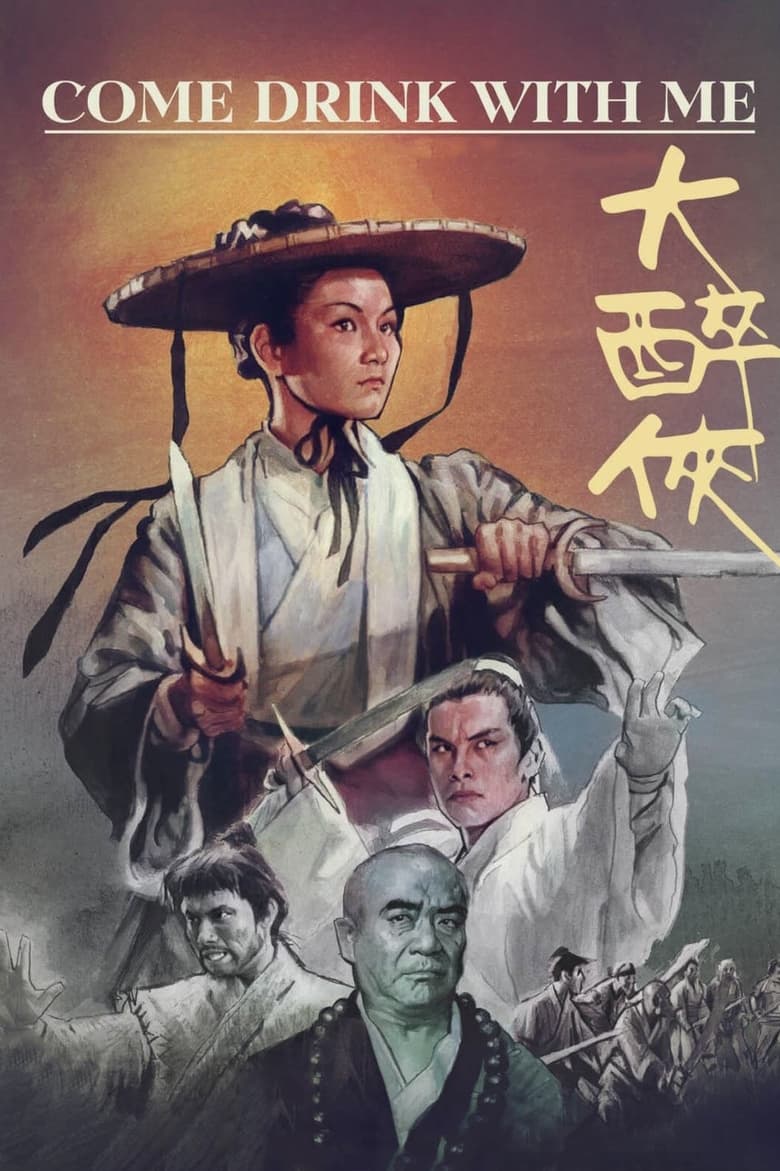
Come Drink with Me
A woman swordfighter and a brawl in an inn. King Hu turned wuxia from a genre of fighting into an art of choreography — the next fifty years worked from this scene.

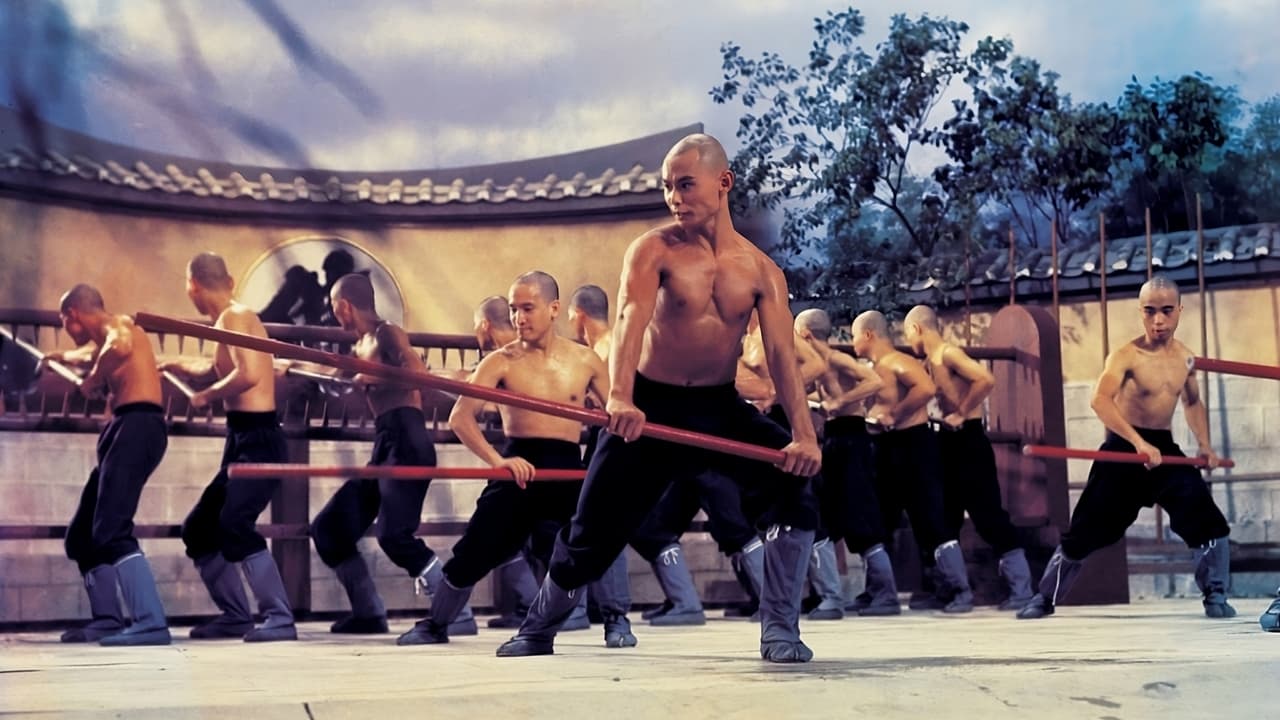
The 36th Chamber of Shaolin
A man passes through thirty-five chambers at the Shaolin temple, learning something in each. The film made training itself the subject — the fighting is at the end, the learning in the middle.

Father and Son
A father does not want his son to study film. Fong made it from his own childhood, and the Hong Kong New Wave began with small, personal films like this.

Boat People
A Japanese journalist goes to postwar Vietnam and steps off the official tour. It screened out of competition at Cannes in 1983 — the French government had pulled it from the competition to protect relations with Vietnam.
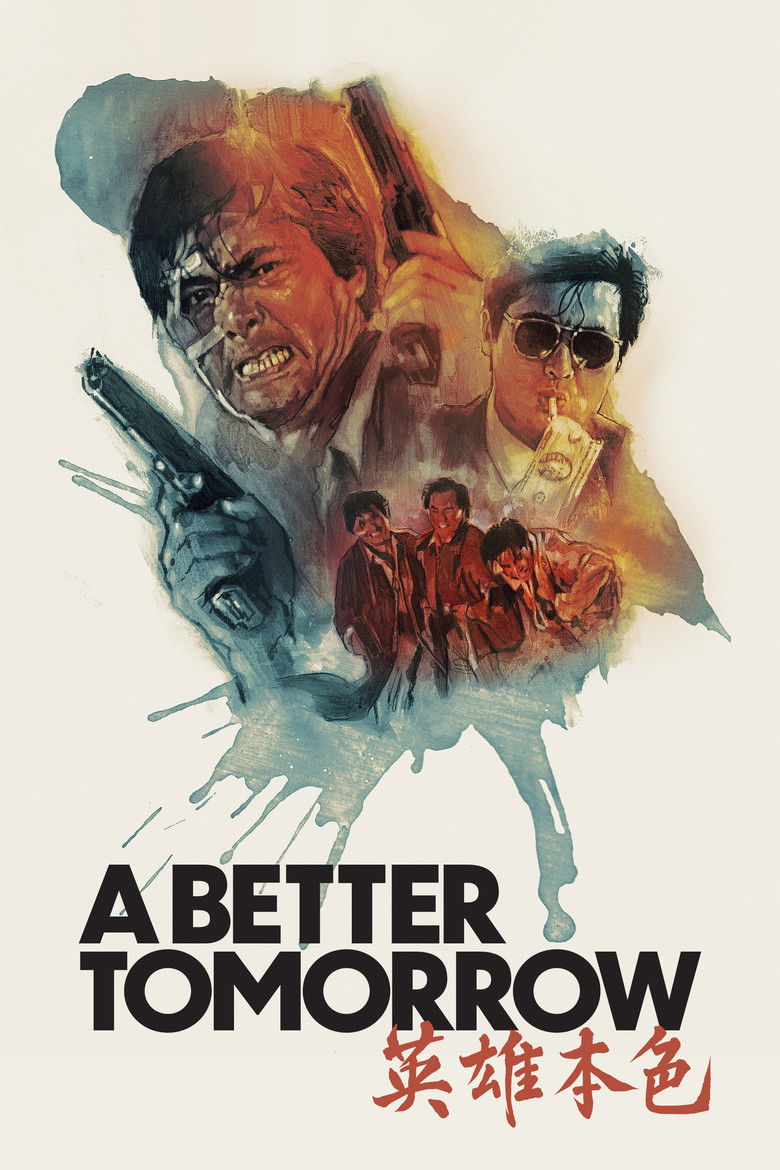
A Better Tomorrow
Two guns, a long coat, slow motion. Woo established a language in this film, and that language changed first Hong Kong and then Hollywood.

Rouge
A ghost returns after fifty years to look for her lover. Kwan shows the Hong Kong of the thirties and that of the eighties in the same frame — one saturated, the other faded.

Days of Being Wild
A man looks at his watch and says they were friends for one minute. Wong's first major film, and that minute is the whole of his cinema.
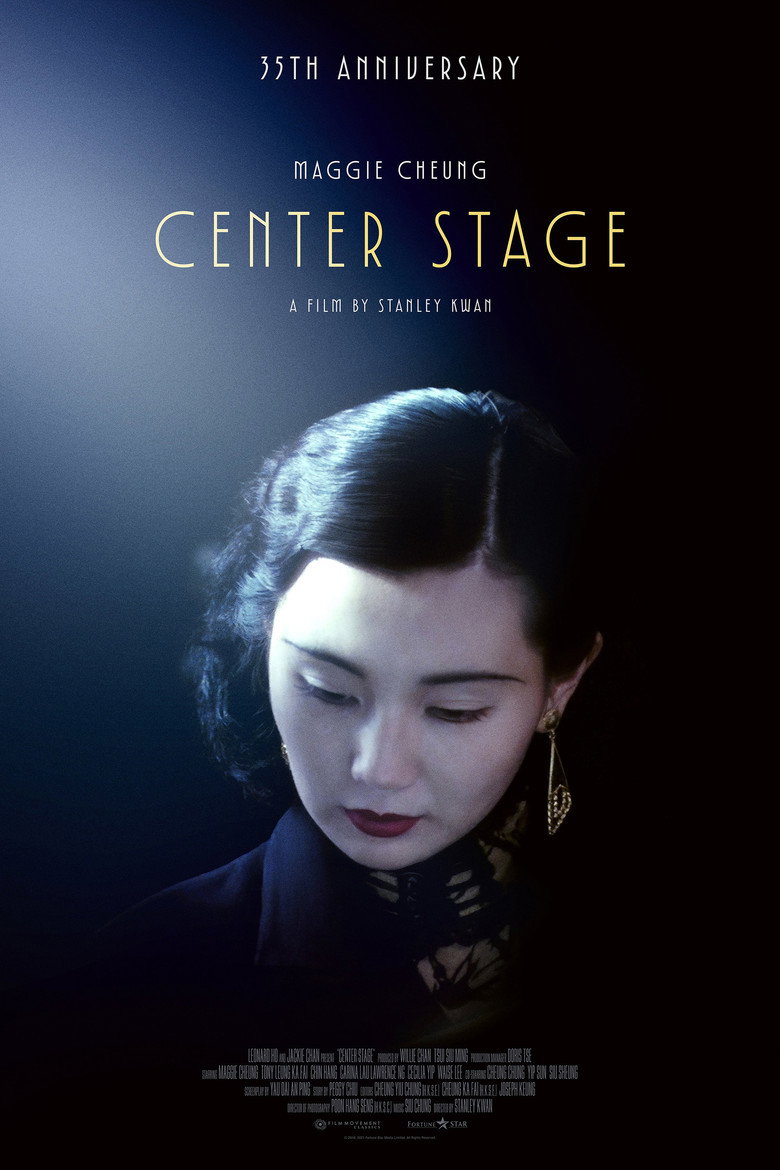
Center Stage
The life of a film star who killed herself in the thirties. Kwan put fiction, real archive and interviews with his own actors into one film — Maggie Cheung both plays the part and discusses it.

Chungking Express
Wong made this in about two months during the editing of Ashes of Time — as a break. It became the most loved film of his career.

Happy Together
Two Hong Kong men in Buenos Aires and a relationship coming apart. Wong won best director at Cannes for it; the film was made in the year of the handover, as far from the city as possible.

Made in Hong Kong
Shot in the handover year on leftover film stock from the studios, for about five hundred thousand Hong Kong dollars. Fruit Chan collected the offcuts and worked with first-time, non-professional actors.

In the Mood for Love
Two neighbours realise their spouses are having an affair, and never touch each other. It was shot over fifteen months without a script; Wong wrote new scenes each day.

Infernal Affairs
A policeman inside the triad, a triad member inside the police. It appeared while Hong Kong cinema was collapsing and rescued the box office; four years later Scorsese remade it as The Departed and won the Best Picture Oscar.

Election
A triad elects its chairman, and the election is democratic. To turns the gangster film into a film about corporate procedure — nobody raises their voice.

A Simple Life
A woman who served one family for sixty years falls ill, and the man she raised looks after her. Its lead, Deanie Ip, won the Volpi Cup for Best Actress at Venice.

Ten Years
Five shorts imagining Hong Kong in 2025. Made independently for about five hundred thousand Hong Kong dollars, it won Best Film — and mainland China blacked out the awards broadcast over it.
Directors in this room