Hong Kong SAR China · 1958
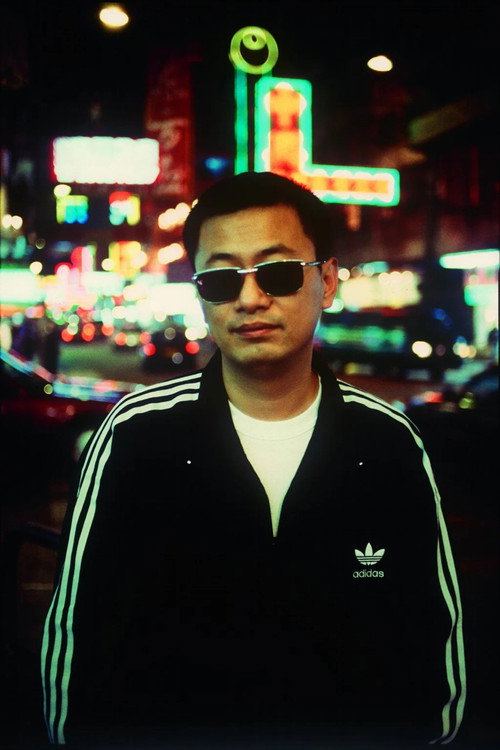
Wong Kar-wai
He shot without a script, edited for months, and found the film at the table.
“I do not write a script; I find the film in the edit.”
Wong Kar-wai röportajları (Cannes söyleşileri dâhil)
The Architecture of Longing
Wong Kar-wai shoots his films without a script. He tells the actors what the scene is a few days beforehand, and sometimes changes it on set. Out of that chaos come some of the most beautiful images in cinema.
He grew up as the child of a family that moved from Shanghai to Hong Kong. That double identity — belonging and foreignness — worked its way into every film. His characters are always on the edge of something. The moment they are about to hold it, it slips away.
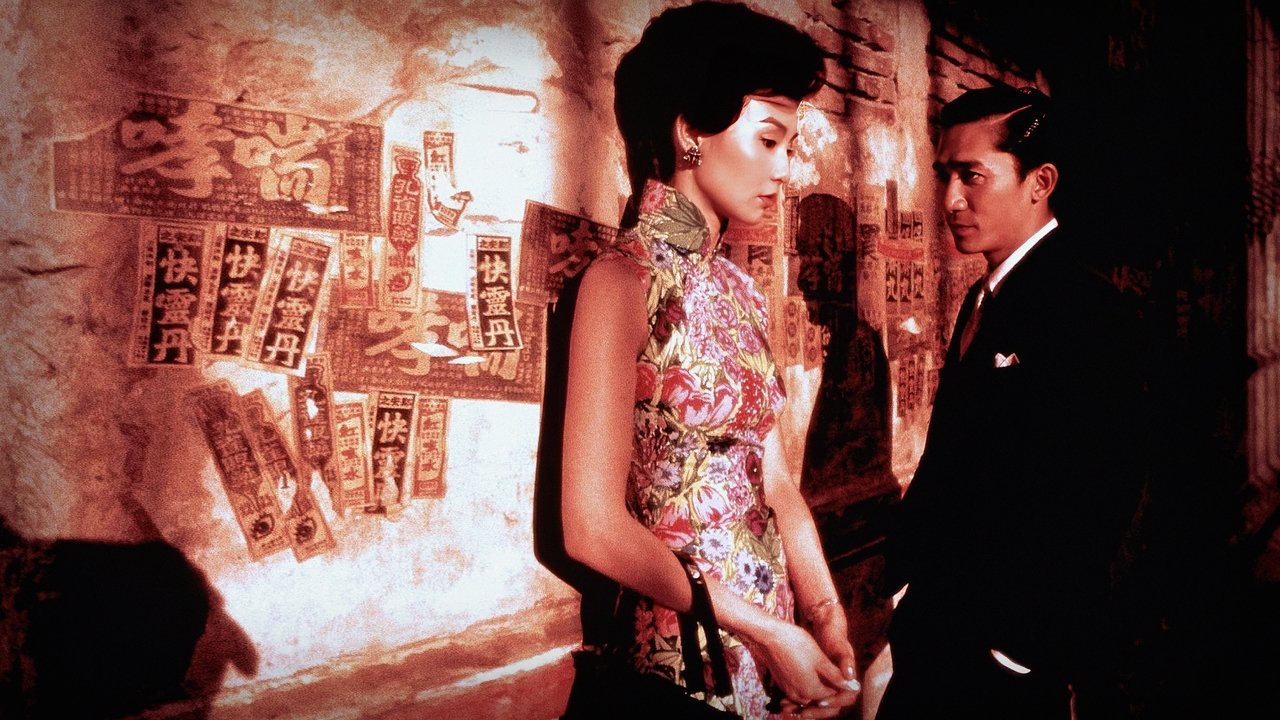
In In the Mood for Love two neighbours never say what they feel for each other. They walk side by side through the whole film and never touch. That silent closeness is stronger than any love story ever spoken aloud.
The language he built with his cinematographer Christopher Doyle — slowed images, saturated colour, tight frames — is not merely aesthetic but emotional. When the image speeds up you feel how fast time is going. When it slows down, you are trapped inside the moment.
THE WORLD OF Wong Kar-wai
Wong Kar-wai is the director of longing. In his films people could always have loved each other a little more, come a little closer — and it never happens; someone is an hour late, a sentence goes unsaid, a hand is not taken. His camera circles these missed moments: a rainy street, the dim light of a corridor, two people waiting behind a fogged pane of glass. Time in his hands is fluid; slow motion, a repeating piece of music, a broken chronology — all of it the texture of memory and of wanting. A Wong film is like being stuck inside one of your own memories.
Hong Kong's neon, its cramped flats, its crowded yet lonely streets are his palette. Through Christopher Doyle's camera colour becomes almost touchable — reds, greens, shadows. But under all that visual intoxication lies the same wound: the desire for closeness and the fear of it. Wong does not film love but the absence of love; not the meeting but the beauty of failing to meet. Whoever watches him remembers the sentences left unsaid in their own past.
Where to start
 In the Mood for Love 2000
Söylenemeyen bir aşkın en güzel anatomisi. Wong'un başyapıtı.
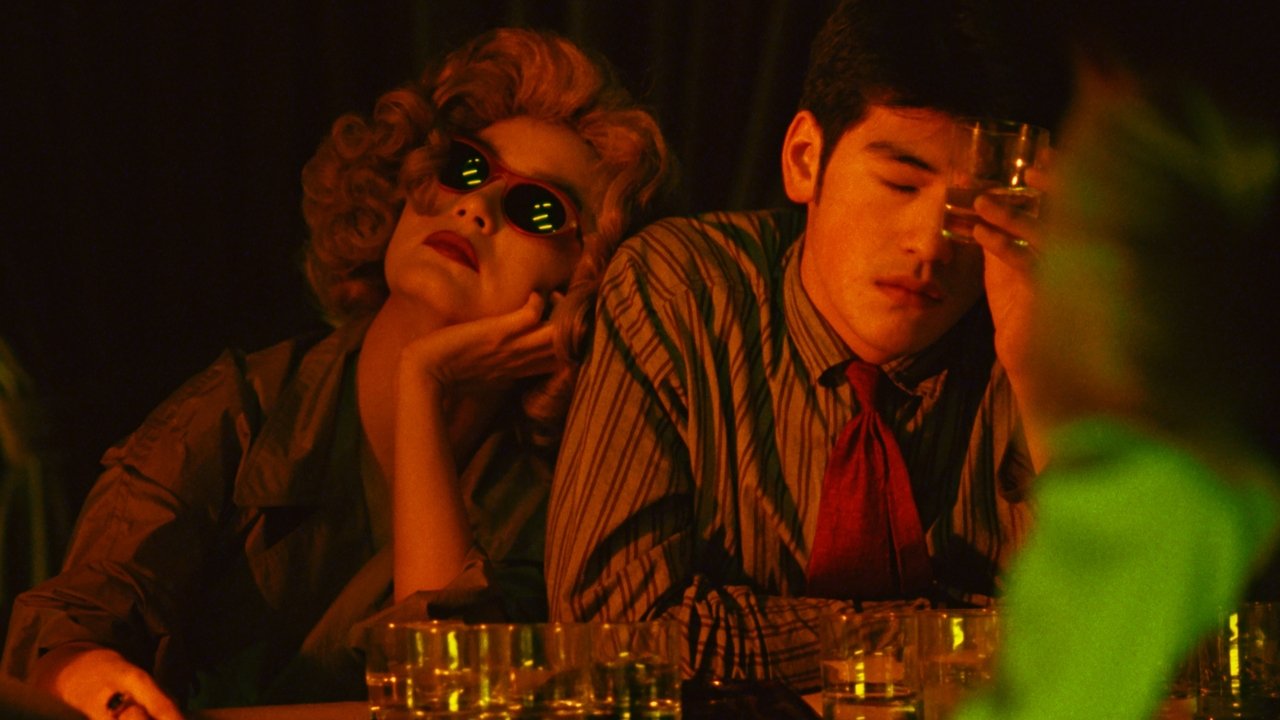
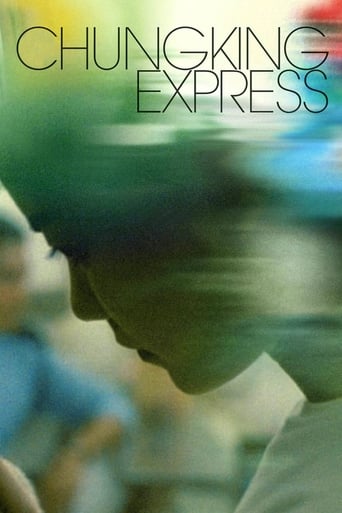
 Chungking Express 1994
Hong Kong'un enerjisi ve yalnızlığı. Ferah ve melankoli bir arada.
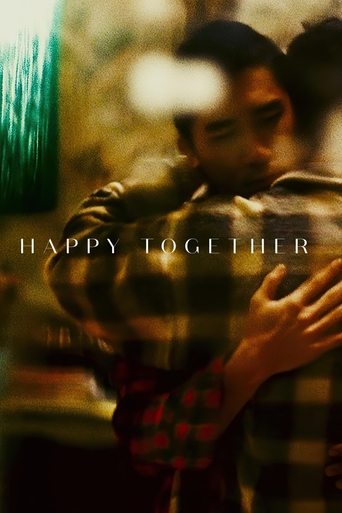
 Happy Together 1997
Bir ilişkinin çöküşü. Cannes Ödüllü.
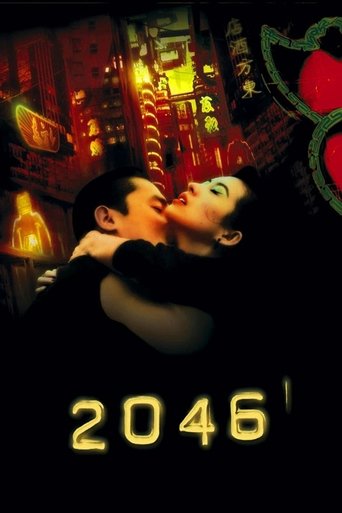
 2046 2004
In the Mood for Love'un devamı ve karşıtı.
 Days of Being Wild 1990
Wong'un evreninin başladığı yer.




Awards
- Cannes Film FestivalCannes Film Festival · 2004 · nominated · 2046
- Cannes Film FestivalCannes Film Festival · 2000 · nominated · In the Mood for Love
Interviews
- Criterion