Country room
Peru
In this country a significant part of the population speaks Quechua or Aymara, and six of the twenty-seven films in this room are entirely in those languages. All six belong to cine regional — films made outside the capital, with local money and local performers. No film made in Lima is in those languages.
Is a country's cinema founded in its capital?
1970 → 2024
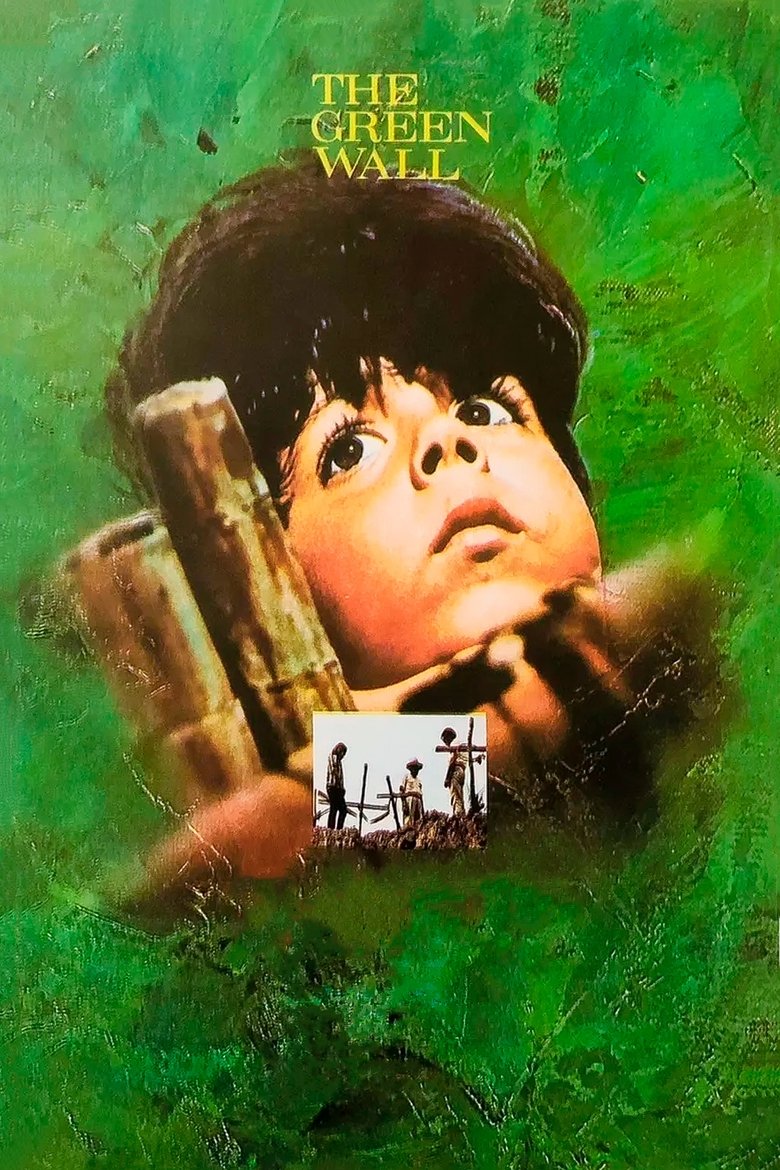
The Green Wall
A family migrating from the capital to the forest contends with both nature and bureaucracy. Robles Godoy did not build the narrative chronologically, and formal experiment in this country began with him.\n\nFifteen years later a cadet dies in a military school and nobody speaks.

The City and the Dogs
The school is a country in miniature and its code protects silence. Adapted from Vargas Llosa's novel, the contemporary period of Peruvian cinema is counted to begin here.\n\nThree years later the same director goes to Ayacucho and the garrison turns on the village.
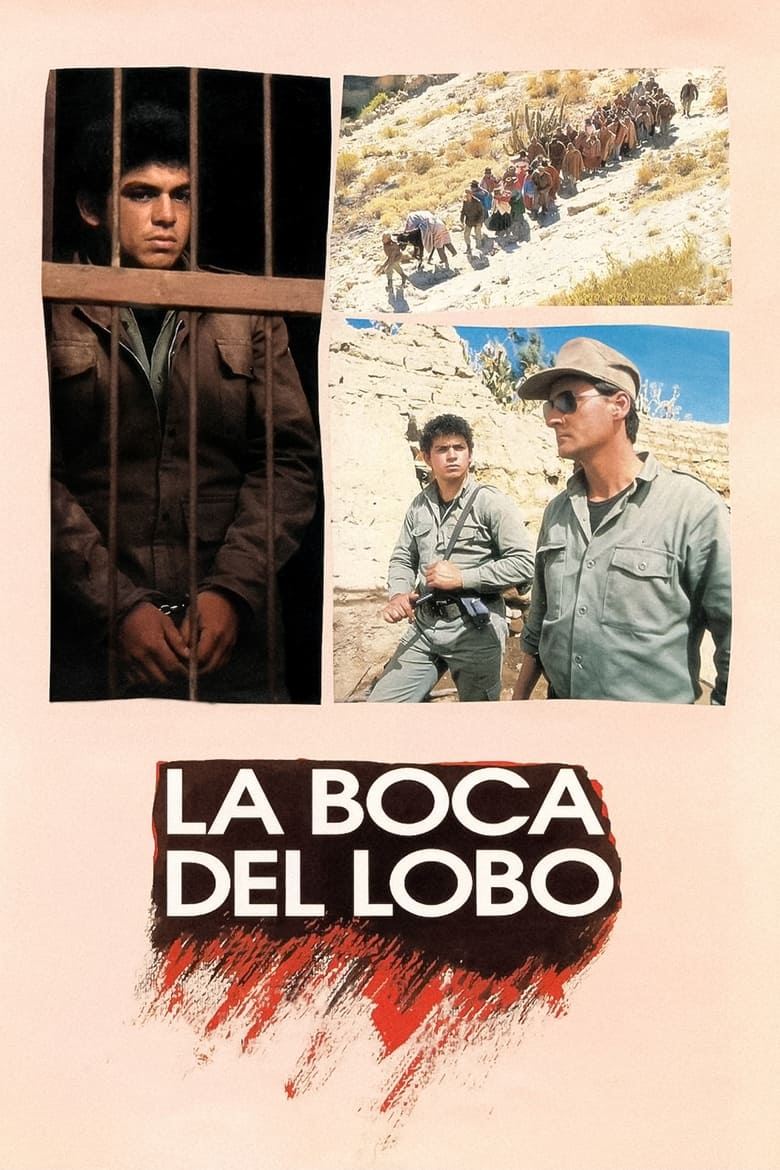
The Mouth of the Wolf
Sendero Luminoso cannot be found and the garrison turns on the villagers. Lombardi filmed the internal war directly for the first time and vindicated nobody.\n\nTen years later an upper-class young man hides his sexuality from his family.

Don't Tell Anyone
The more he hides the further he disappears, and Lombardi filmed this as a question of class. Lima's closed world is seen from inside for the first time in this film.\n\nTwo years later a newspaper looks for a body that must be found every day.
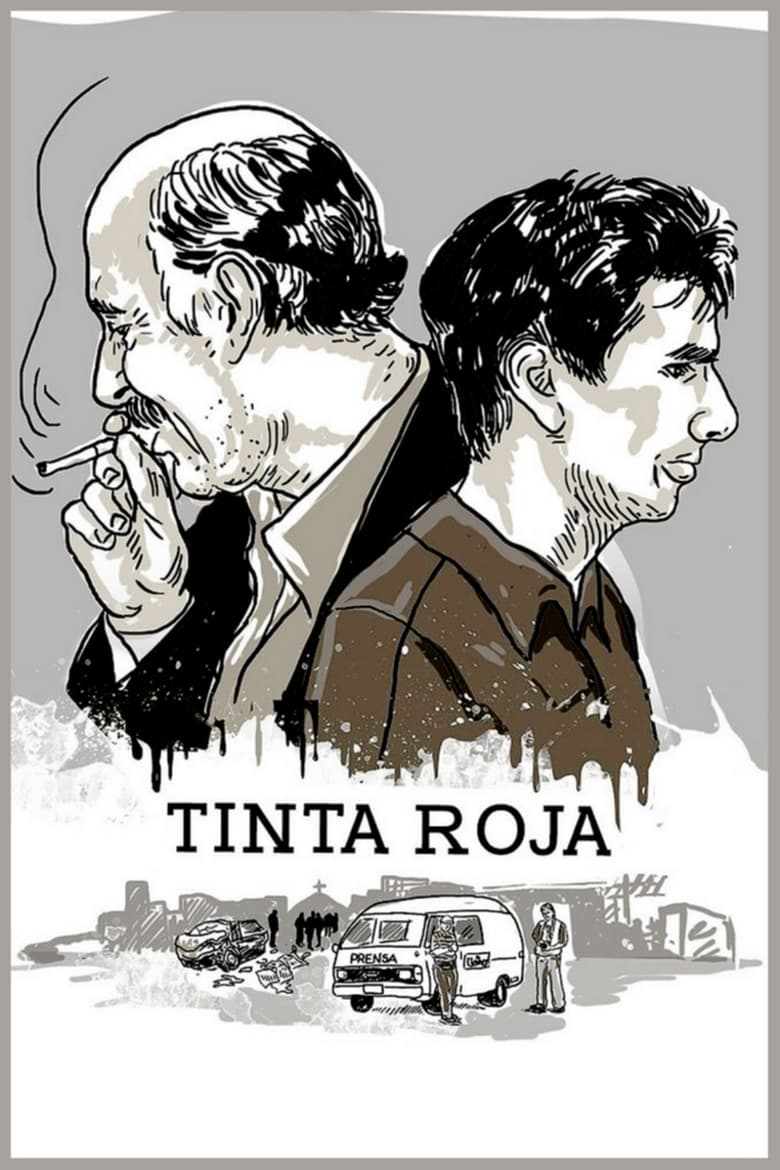
Red Ink
A young reporter is trained in the tabloid press and what he learns is not journalism. With this film Lombardi completed his Lima quartet.\n\nTwo years later the camera goes to Ayacucho and films in Quechua.

Qarqacha: The Demon of Incest
A village legend becomes a horror film, and the film never enters Lima's distribution network. This is where cine regional enters this room.\n\nTwo years later, in Puno, a figure who steals people's fat is pursued.

Days of Santiago
Santiago cannot enter work, family or daily life. Méndez shot the film in black and white, and colour comes only when something opens inside his head.\n\nFour years later there are people doing nothing in a summer house.
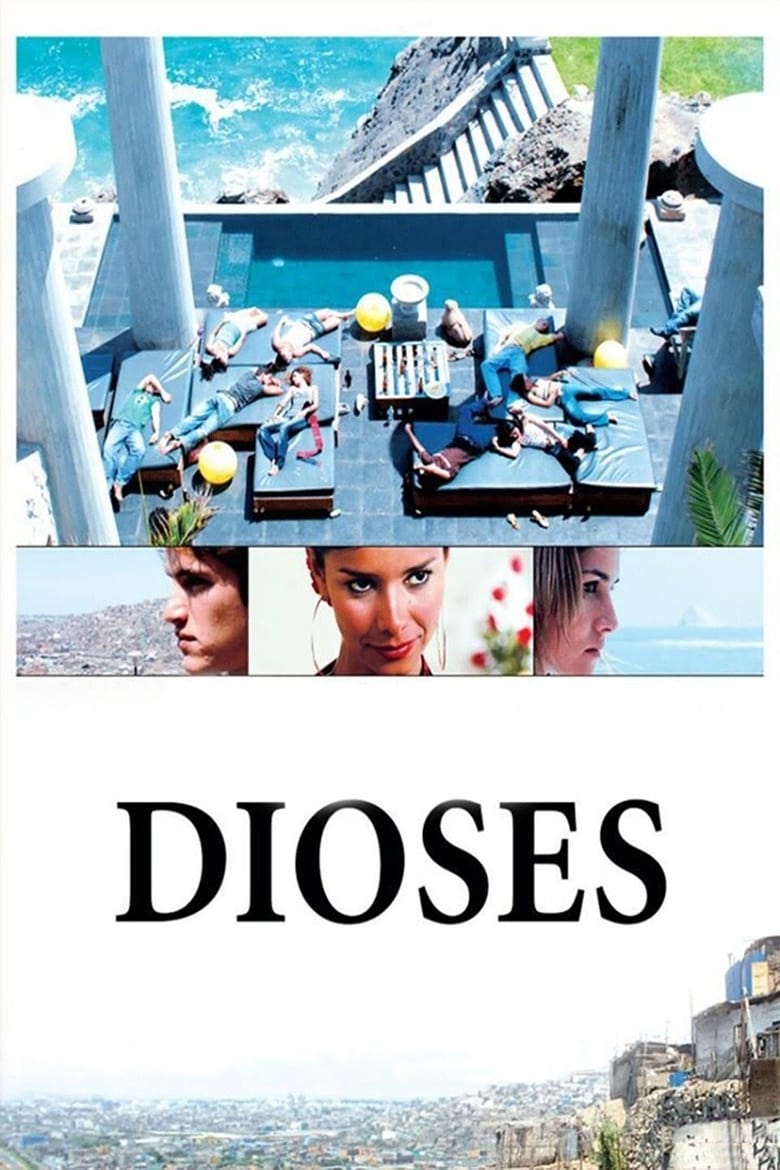
Gods
A pool, a family, and a closed world sufficient unto itself. Méndez did not criticise the upper class — he only showed it from inside.\n\nThe next year a woman who migrated from the Andes to Lima carries a fear she believes she took from her mother.
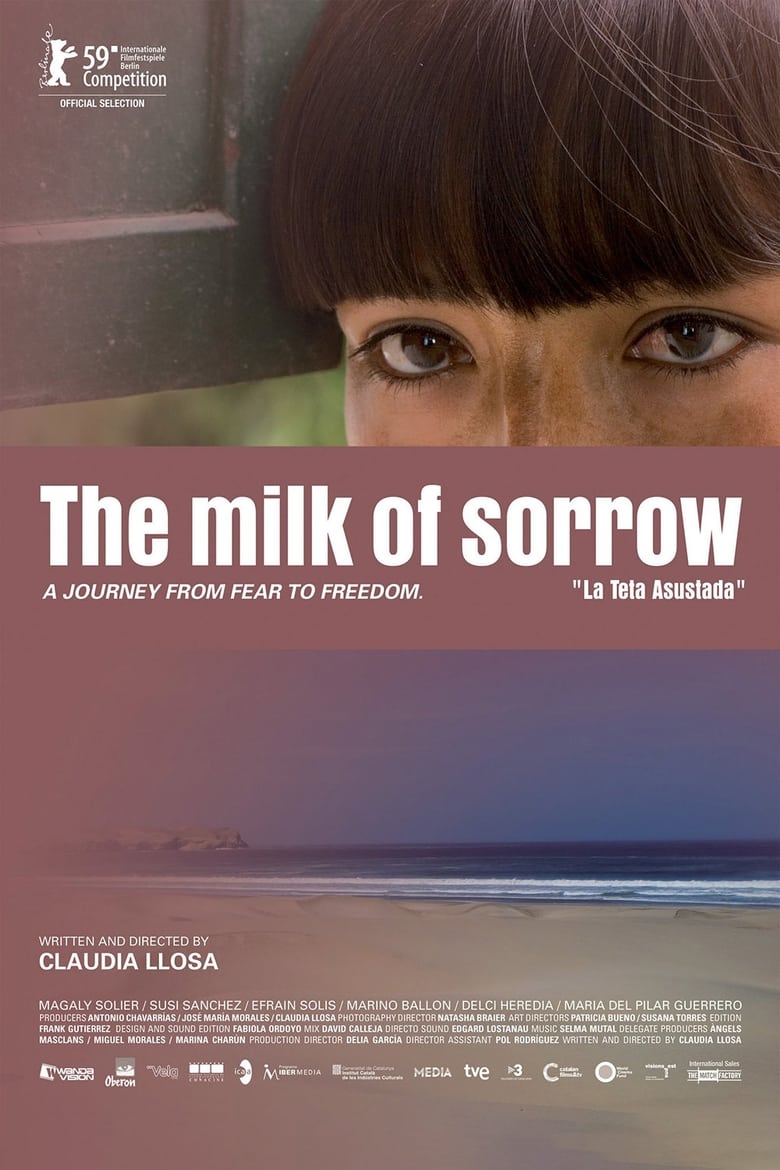
The Milk of Sorrow
Fausta believes she took in the war's violence through milk, and that belief is lived as an illness. It won the Golden Bear in Berlin — this country's greatest festival award.\n\nTwo years later a lonely girl decides she will die that day.
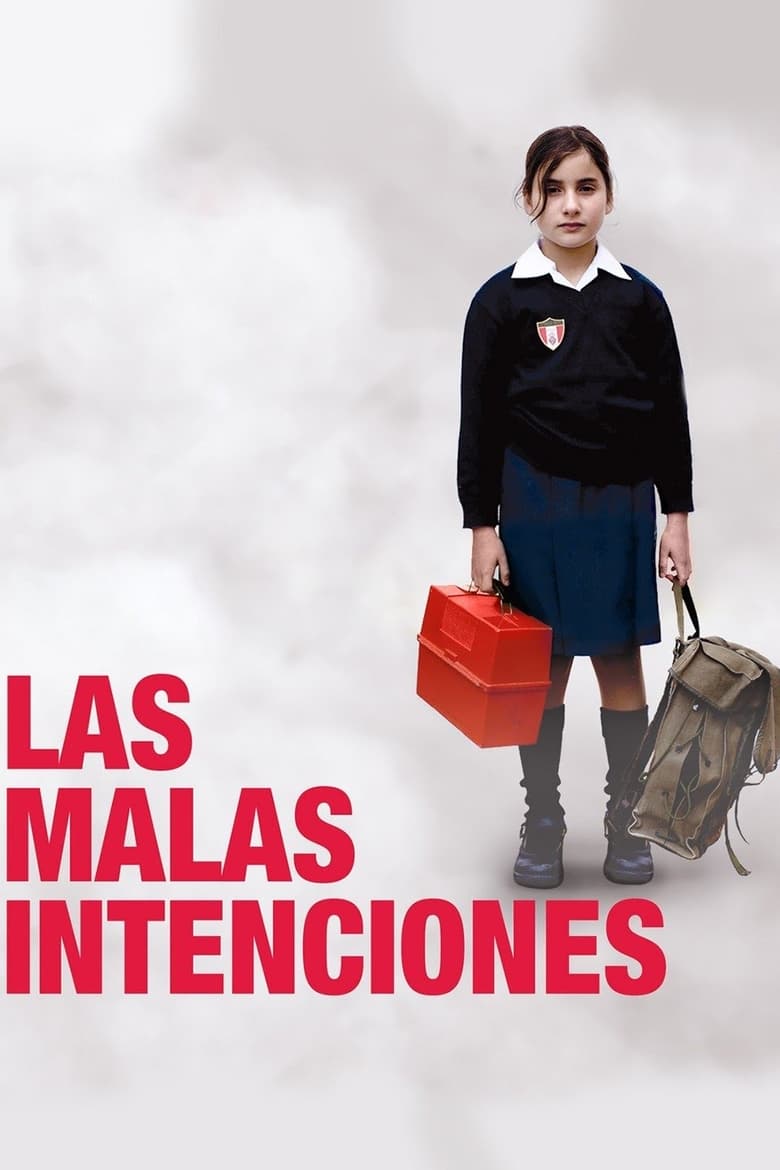
The Bad Intentions
The violence of the eighties passes through a child's inner world and the outside is never explained. García-Montero filmed fear not as news but as a child's logic.\n\nThree years later a forensic team tries to name the bones from a mass grave.
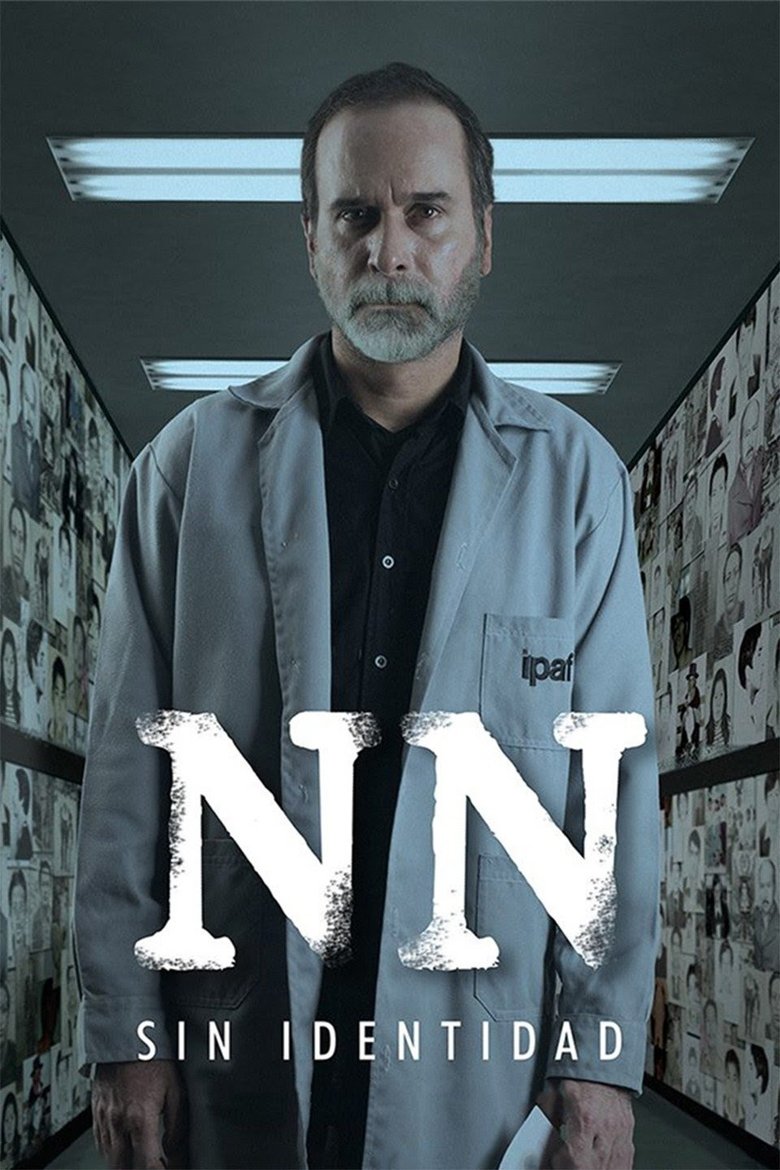
NN
A body cannot be identified and the file does not close. Gálvez showed the memory of the internal war as a bureaucracy.\n\nThe next year a former soldier faces his past crime and the woman opposite him speaks Quechua.
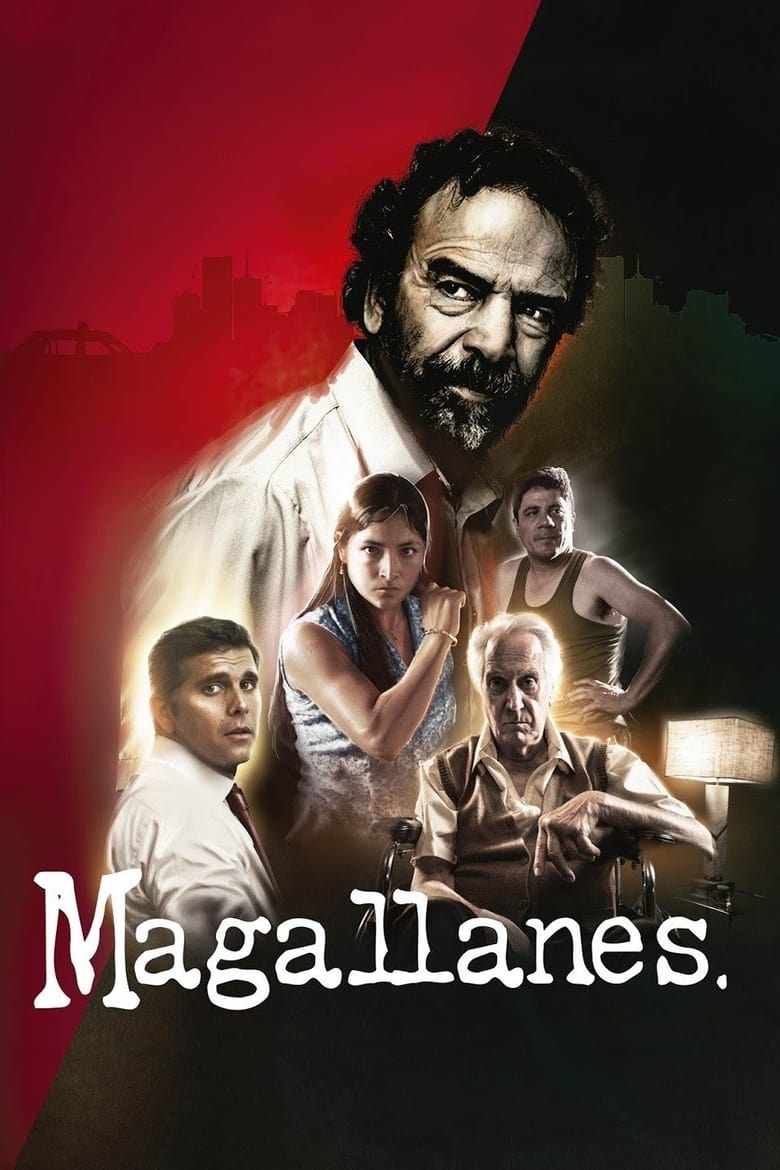
Magallanes
The woman does not speak Spanish, and that language barrier carries the film's hardest scene. Del Solar placed the reckoning not in a courtroom but in an attempt at conversation.\n\nThree years later, on the altiplano, an old couple waits for their son.

Eternity
Two people at four thousand metres and a son who does not come. This became the first feature made entirely in Aymara, and its director worked in his own village, in his own language.\n\nTwo years later the trail of a baby stolen in the eighties is followed.

Song Without a Name
A woman searches for her baby and the only help is a journalist. Melina León filmed in black and white a real case her father had uncovered.\n\nFour years later, in Puno, a girl's death turns into a trial in the village.
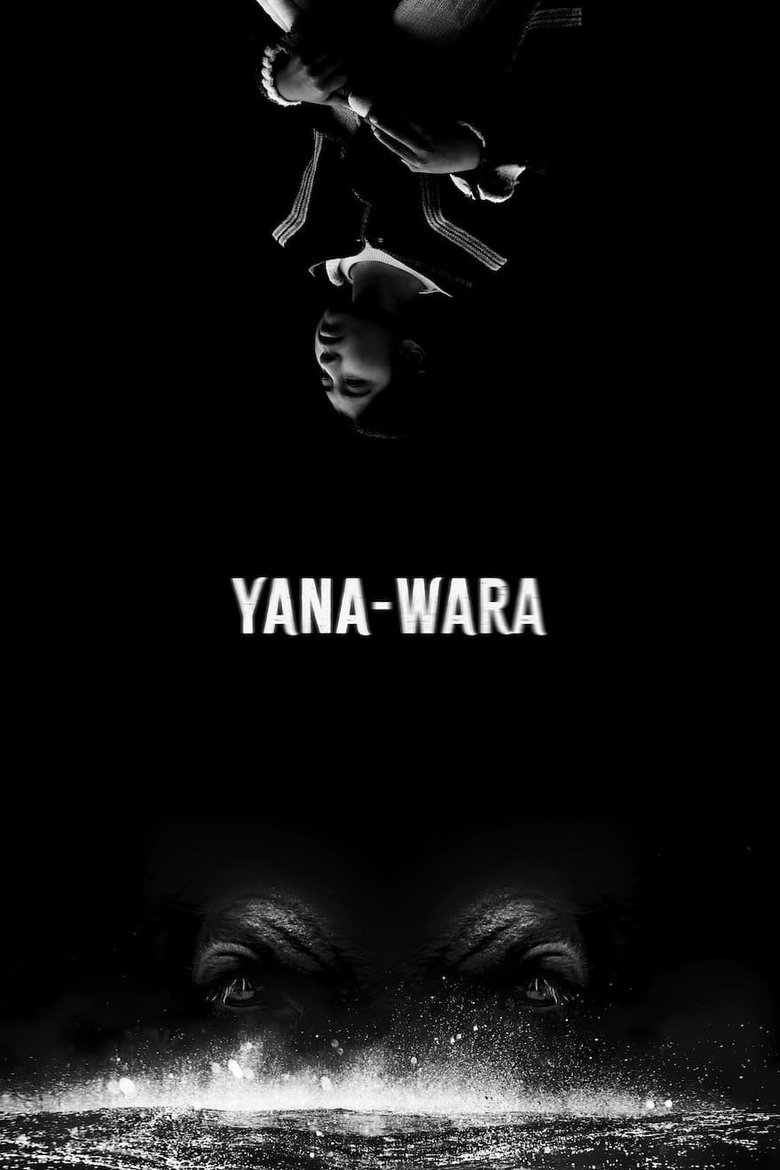
Yana-Wara
Custom and the state do not sit at the same table, and nobody comes for the girl. The chain began in 1970 with a family migrating from the capital to the forest and ends fifty-four years later in Aymara, in a village the capital never reaches.


