Country room
Taiwan
The cinema of a country that officially does not exist.
If a place is not on the map, where do the films made there belong?
Twelve countries in the world recognise Taiwan.
Its cinema travels to a hundred.
Taiwan's name does not appear in most international bodies. At the Olympics it competes as "Chinese Taipei". It has no seat at the United Nations. Its passport is not recognised in some countries.
But it has a cinema, and that cinema has been at the world's major festivals for forty years.
The reason is oddly political. In 1949 the Chinese Civil War ended and the losing side crossed to the island. Forty years of martial law followed — among the longest anywhere. There were subjects that could not be spoken: how many were killed in 1947, who came from where, whom the island belonged to.
Martial law was lifted in 1987. Two years later Hou Hsiao-hsien made a film about 1947 and took the Golden Lion at Venice.
Read more
What the directors here share is not a style but a distance. Hou films from far off and the camera never comes closer. Yang builds a city inside a single shot and the people stay small. Tsai barely lets anyone speak — one of his films has around a hundred words in it.
All three share one thing: they are not in a hurry. A scene begins and runs until it ends. This was developed in the years the rest of the world was speeding up.
There are twenty-seven films in this room and most were barely seen outside Taiwan. There is a Yi Yi — that is the one film people know. The rest stayed in festival halls.
Where they stayed is small but deep.
The Chain

The Sandwich Man
Three shorts, three directors. In Hou's segment a man makes a living carrying a sandwich board, and his son recognises him only in make-up. The Taiwanese New Wave began with this anthology — ordinary people for the first time, the local language for the first time.

Taipei Story
A couple in Taipei. He is stuck in his baseball past, she wants to move forward. Hou Hsiao-hsien plays the lead — and financed the film.

A Time to Live and a Time to Die
Hou filmed his own childhood. A family from the mainland, waiting to return, unable to. The deaths happen inside single shots, the camera never coming closer.

Terrorizers
Three separate stories cross in Taipei. Yang builds the city as a network, and by the end it is unclear which of the events actually happened.

A City of Sadness
Thousands were killed in 1947 and it went unspoken for forty years. Two years after martial law ended, Hou filmed that year. It took the Golden Lion at Venice.

A Brighter Summer Day
Four hours. A high school in 1960, gangs, families from the mainland, a real murder. When Yang made this, nobody in Taiwan was making four-hour films.
Pushing Hands
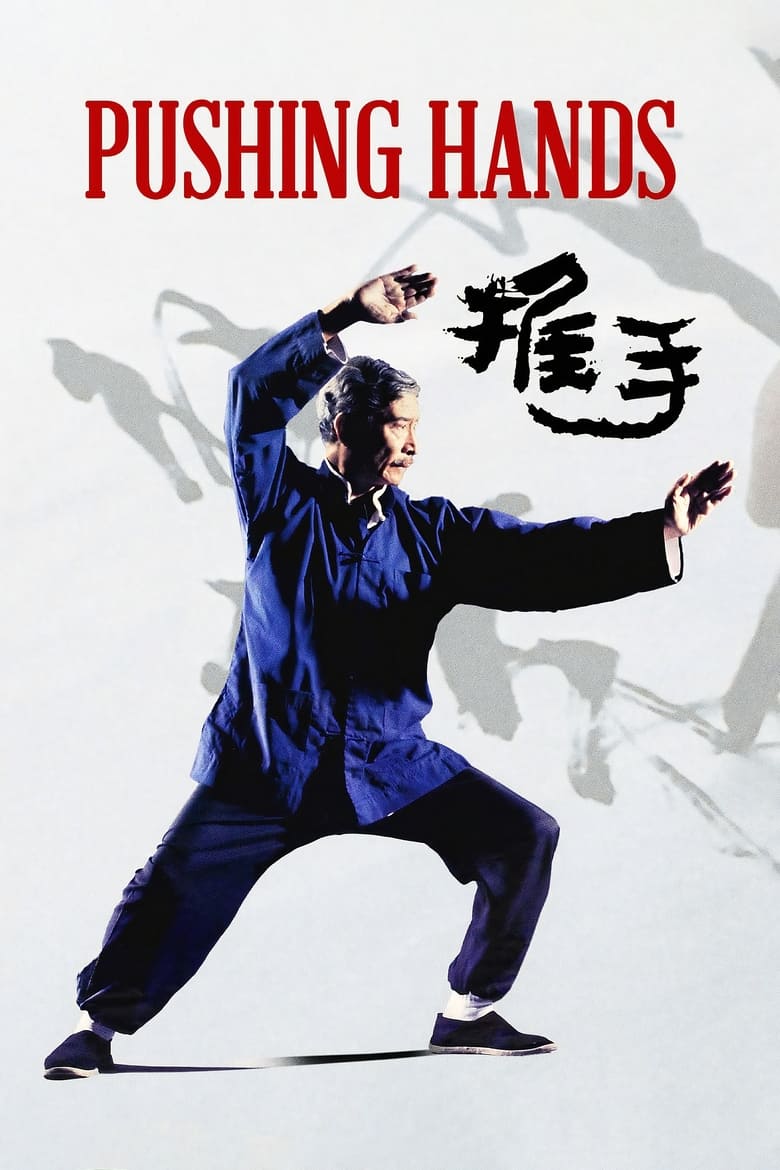
An old tai chi master moves into his son's home in New York. His daughter-in-law is American, the house is small, nobody understands anybody. Ang Lee's first film and the start of his father trilogy.

The Puppetmaster
A real puppeteer tells his own life, with dramatisations in between. Hou never separates documentary from fiction, and neither can the viewer.

Eat Drink Man Woman
A chef father and his three daughters. Dinner every Sunday, an announcement at every dinner. The opening sequence is an elaborately edited banquet preparation.

Vive L'Amour
An empty apartment and three people. None of them knows the others. In the last scene a woman cries in a park for six minutes and the camera does not cut.

The Hole
An epidemic, endless rain, a hole in the ceiling. Musical numbers appear between the scenes — the brightest moments in Tsai's darkest film.
Yi Yi
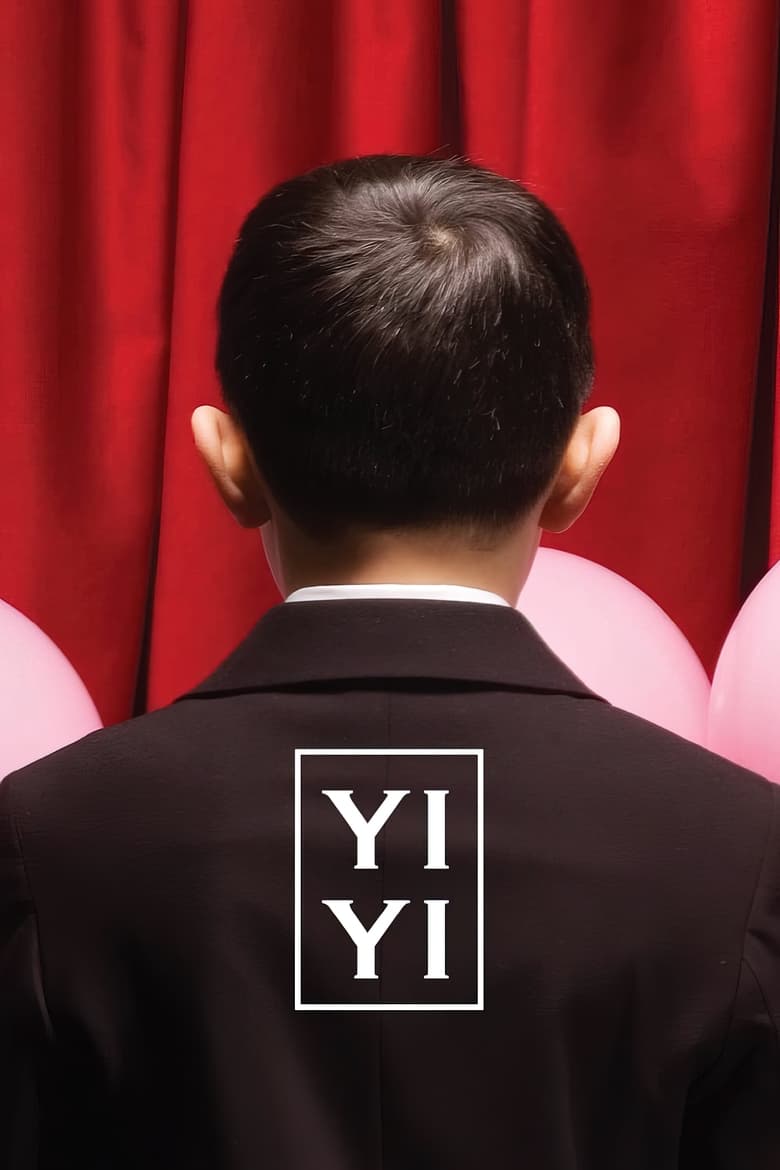
One family, three generations, three hours. Yang won best director at Cannes for it and died seven years later. It was his last film.

Goodbye Dragon Inn
A cinema is closing and showing its last screening. A few people are in the hall. Around ten lines are spoken in the entire film.

Stray Dogs
A man and his two children live on the street. At the end two people look at a wall, and that shot runs fourteen minutes.

The Assassin
A martial arts film in which there is almost no fighting. Hou filmed the ninth century and won best director at Cannes. He had not made a film in eight years.

A Sun
One son goes to prison, the other stays home. The father does not say he has two sons — he says he has one. Chung Mong-hong shoots his own films.
Directors in this room