Japan · 1910–1998
Akira Kurosawa
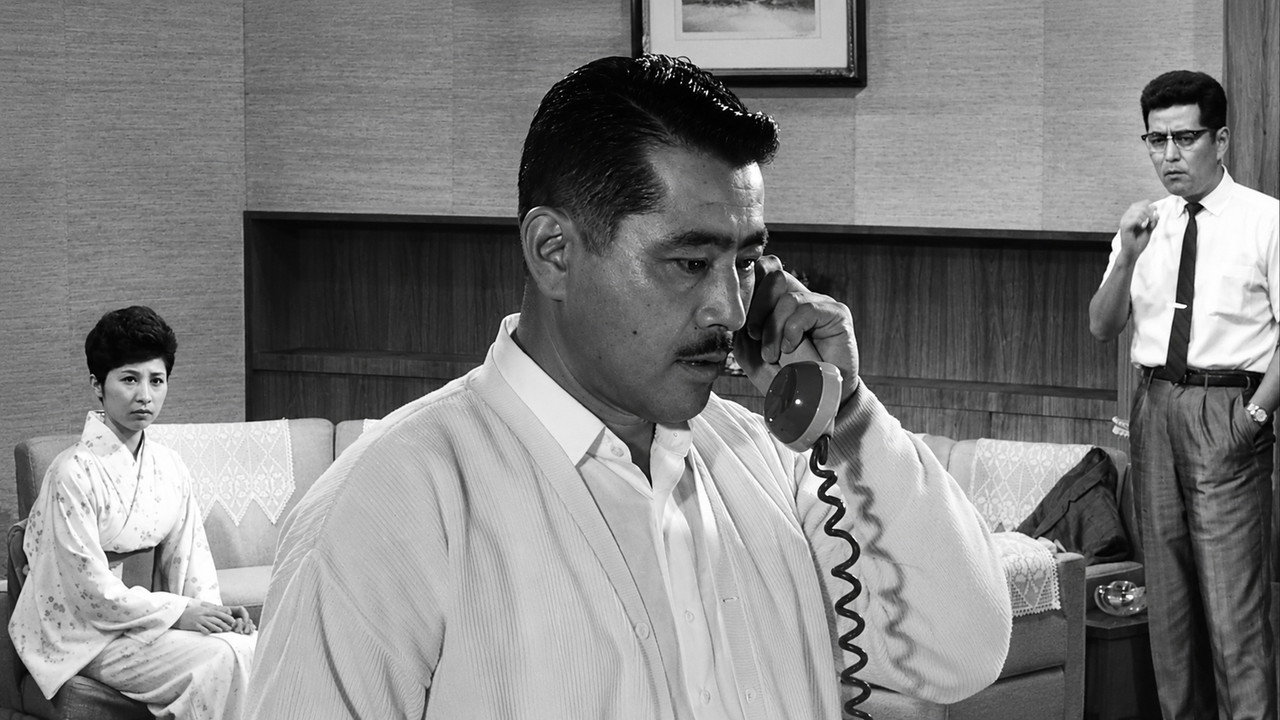
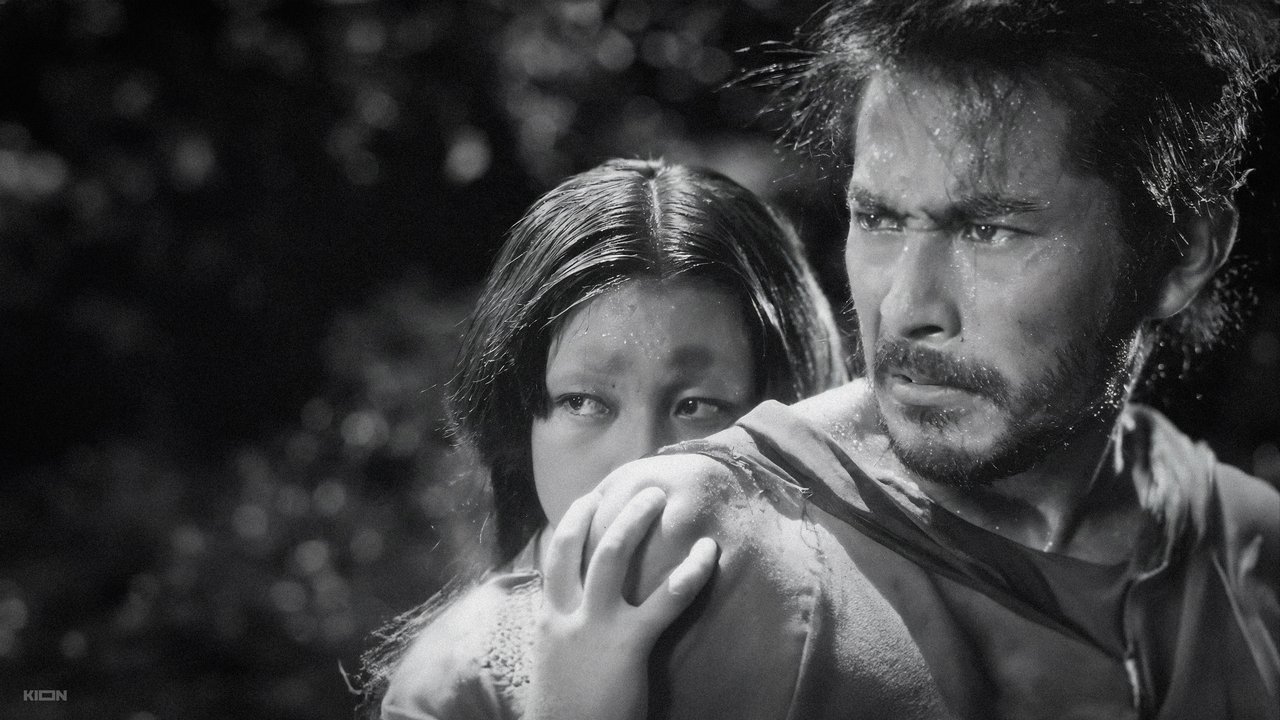
He had dust thrown into the trees so the wind could be seen, and the rain dyed black; weather was not scenery to him but a performer.
The Emperor of Cinema
They called Akira Kurosawa the God of Cinema. He would not accept it. "I only work," he said. But the films that came out of that work split the history of cinema in two.
He grew up in Tokyo. He wanted to be a painter. Then he discovered cinema and made the moving version of painting. Every frame was a picture. Rain, wind, mist — nature for him was not decor but a character.
When Rashomon won the Golden Lion in Venice in 1950, the West saw Japanese cinema for the first time. But Kurosawa was already reading Shakespeare, already reading Dostoevsky. He was the first director to bring East and West together.
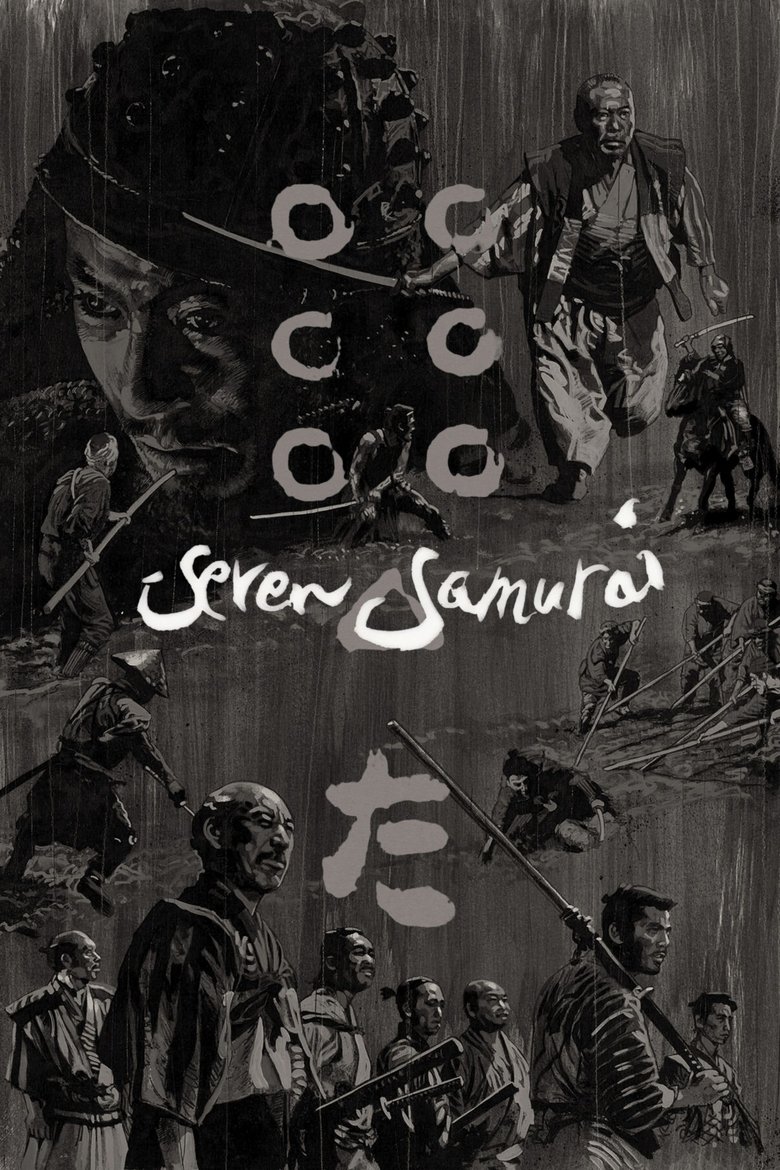
Seven Samurai is still shown all over the world today. Directors have adapted it again and again. None of them has reached the power of the original.
THE WORLD OF Akira Kurosawa
Kurosawa is the director of movement and of dignity. His camera loves wind, rain, mud; nature in his films is not decor but a force that enters the drama — warriors grapple in the mud, die under rain, and the wind carries a man's decision. In those legendary sequences shot with several cameras and long lenses, a crowd of people flows like a river. But at the centre of all that epic scale stands a single moral question: how does a person hold on to their dignity — or lose it?
He melted West and East together in his own crucible: he carried Shakespeare and Dostoevsky into samurai Japan, and then those films turned round and fed world cinema. Justice, mercy, cowardice and courage are his constant themes; his heroes are often defeated but never diminished. A Kurosawa film is both an action feast and a lesson in ethics — it fills the eye, but it speaks to the conscience. It is as though he learned cinema from painting, from theatre and from movement all at once.
Where to start
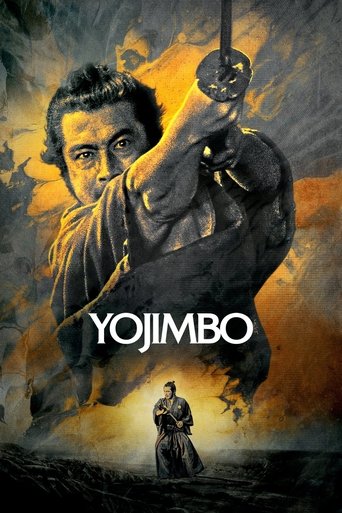
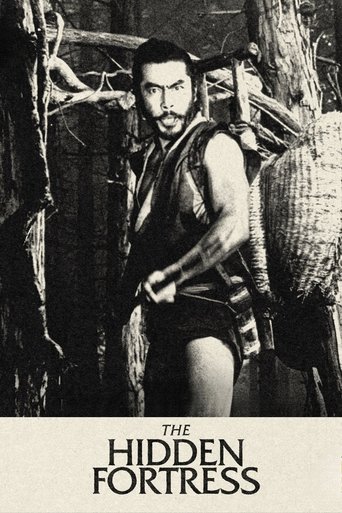
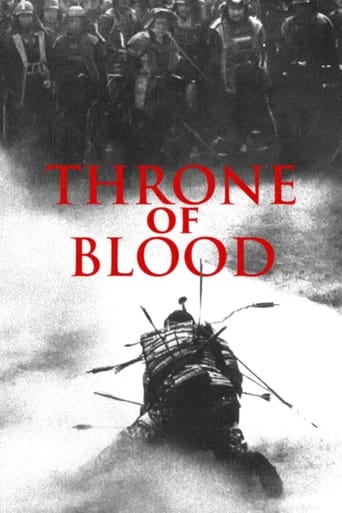
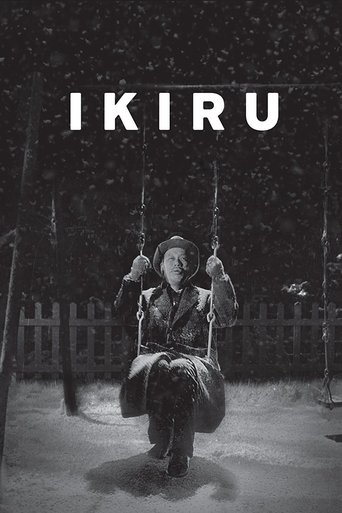
Canon films






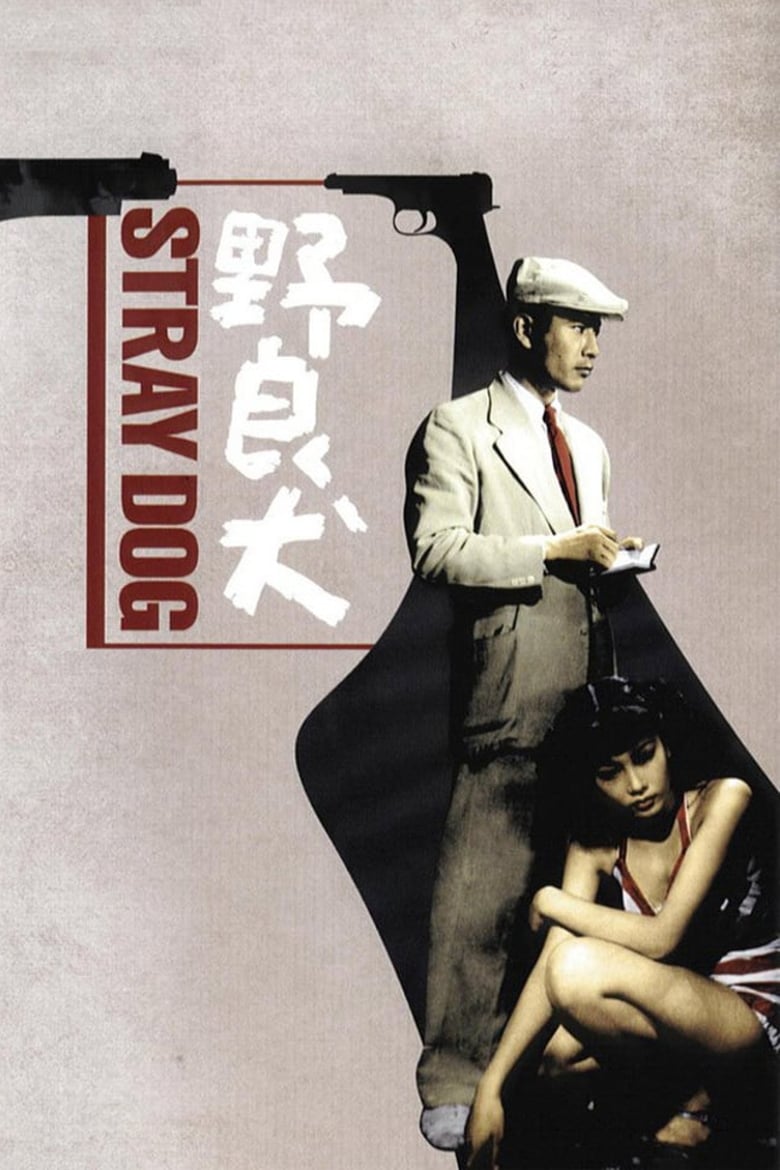


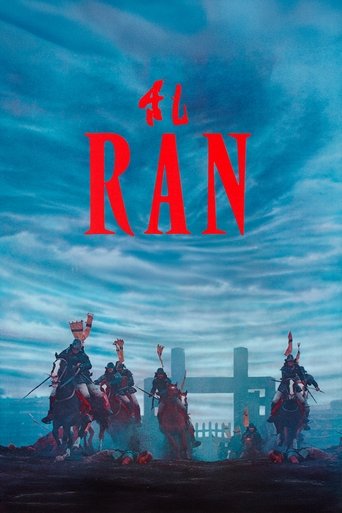
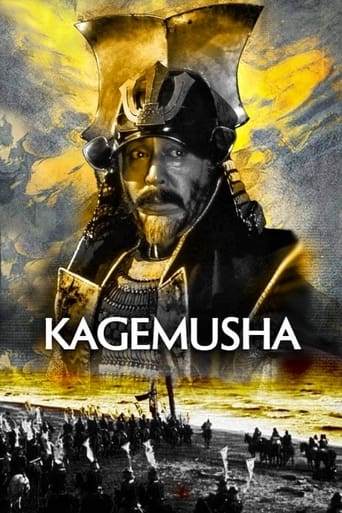
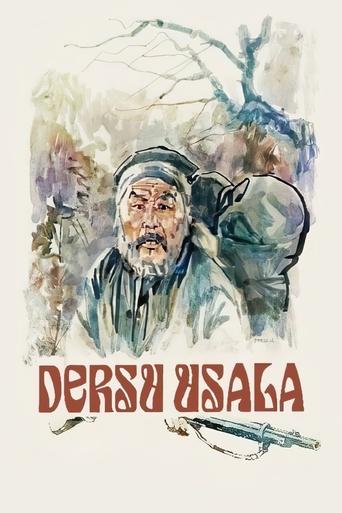


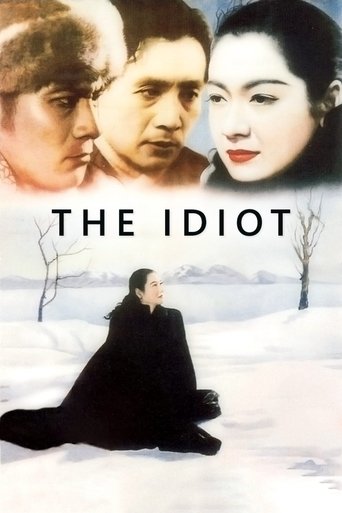
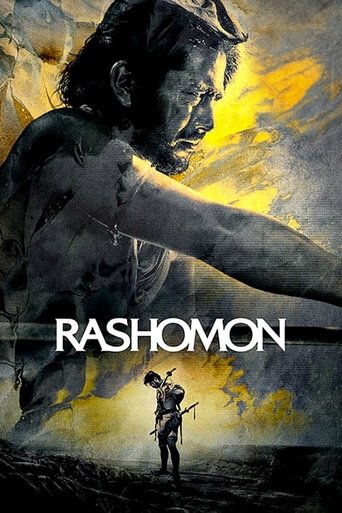
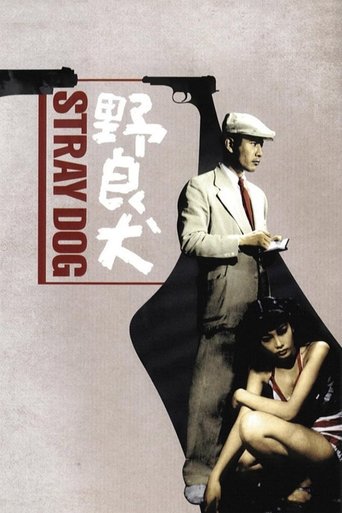

Awards
- Japan Academy · 2000 · won · After the Rain
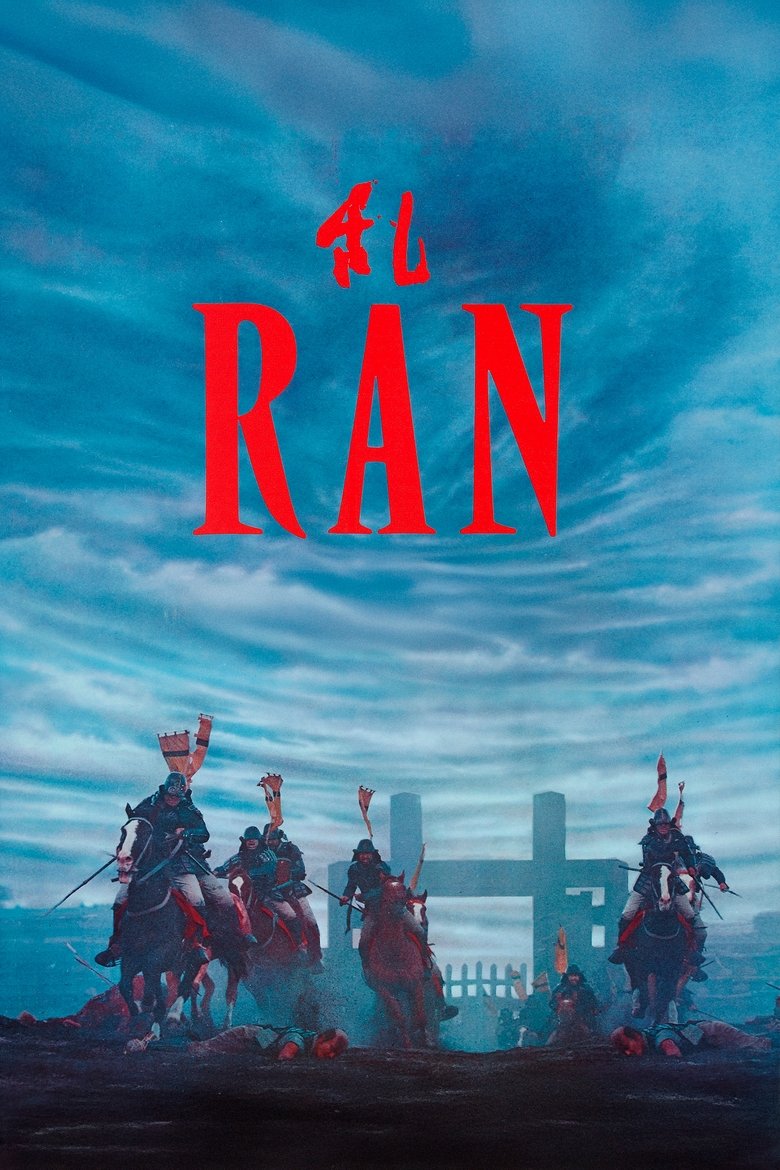
- Best Adapted ScreenplayBAFTA · 1986 · nominated · Ran
- David di Donatello · 1985 · won · Ran
- DirectingAcademy Awards · 1985 · nominated · Ran
- BAFTA · 1980 · won · Kagemusha
- David di Donatello · 1980 · won · Kagemusha - L'ombra del guerriero
- Best Foreign Language FilmAcademy Awards · 1980 · nominated · Kagemusha
- David di Donatello · 1976 · won · Dersu Uzala - Il piccolo uomo delle grandi pianure
See all · 13
- Academy Awards · 1975 · won · Dersu Uzala
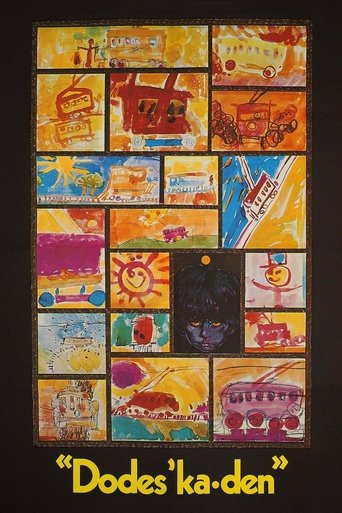
- Best Foreign Language FilmAcademy Awards · 1971 · nominated · Dodes'ka-den
- Academy Awards · 1951 · won · Rashomon
- Cannes Film Festival · 1980 · won · Kagemusha
- Venice Film Festival · 1951 · won · Rashomon
Interviews
- Documentary