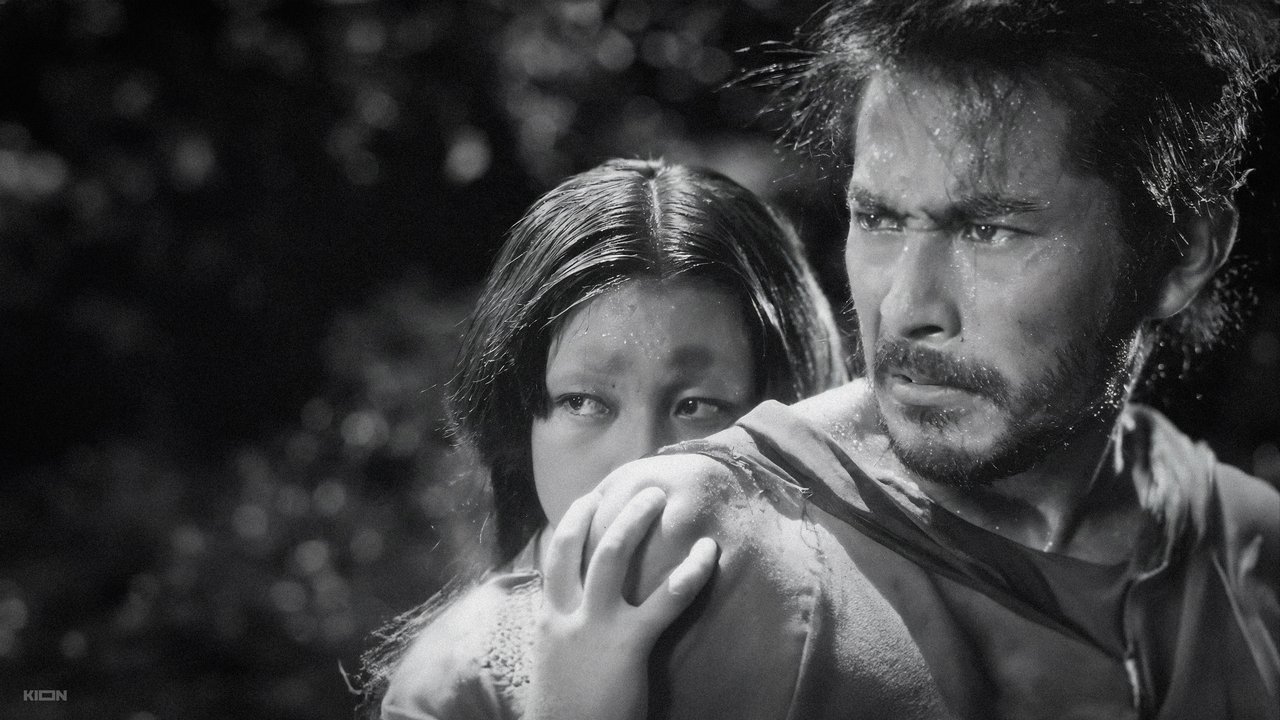
Country room
Japan
What is left out is also part of the film.
Where should the camera not look?
Here the frame isn't a limit, it's a choice.
Most of the time the real event happens at the edge.
The West thought it discovered Japanese cinema in 1951.
A prize was handed out in Venice.
Then the usual surprise: "So they make films like this in Japan too."
But Japan didn't need discovering.
It had its own studios. Its own stars. Its own audience. Its own film language.
The world had simply looked late.
In the silent years there was one more person standing beside the screen in Japanese theaters.
The benshi.
He told the film. He gave the characters their voices.
Sometimes people came not for the film but to hear him.
Maybe that's why Japan was in no hurry to move to sound.
Read more
The sound was already in the room.
Then came Ozu.
He put his camera on the floor. At the height of a house, not a person.
People talked. They stood up. They left the room.
The camera didn't.
The corridor stayed. The kettle stayed. The laundry on the line stayed.
Maybe that's exactly when the feeling began to show.
Because some things are understood not while they happen, but once they're over.
Mizoguchi chose another road.
Even at the most painful moments he didn't move closer. The camera stayed away.
As if not to be rude to the pain.
Distance here wasn't coldness. It was a kind of courtesy.
Then came Kurosawa. And he scattered all that quiet.
Rain fell. Horses ran. Swords met. Mud flew.
A few years later Oshima and Imamura began questioning something else.
Maybe silence was a choice too.
Maybe not showing certain things doesn't protect them; it makes them invisible.
Whenever someone tries to sum up Japanese cinema in a single word, the same mistake gets made.
"Simple." "Minimal." "Quiet."
But that isn't the point at all.
The real question is this: where does a director decide not to point the camera?
Because sometimes the most important moment of a film stays outside the frame.
Sometimes the heaviest line is never spoken. Sometimes the biggest gesture is never made.
And still the audience knows exactly what happened.
Look at Japanese cinema today and it's still there.
Two people talking inside a car. The silence running longer than the sentences.
And the weight of the film isn't between them. It sits in what goes unsaid.
While you watch the films in this room, don't only look at the center.
Look at the edge of the frame too.
Japanese cinema usually leaves the real story there.
The Chain
One film leads to another

A Page of Madness
1926. No intertitles, no explanation. A benshi stood in the hall and told the film; writing was unnecessary.

Humanity and Paper Balloons
Yamanaka finished this film and was called up. He died in Manchuria. Three of his films survive.

Rashomon
It won at Venice and the West thought it had discovered Japanese cinema. Films had been made there for thirty years.

Ugetsu
Mizoguchi does not come closer. The camera keeps its distance, the take goes on, nobody runs to help.
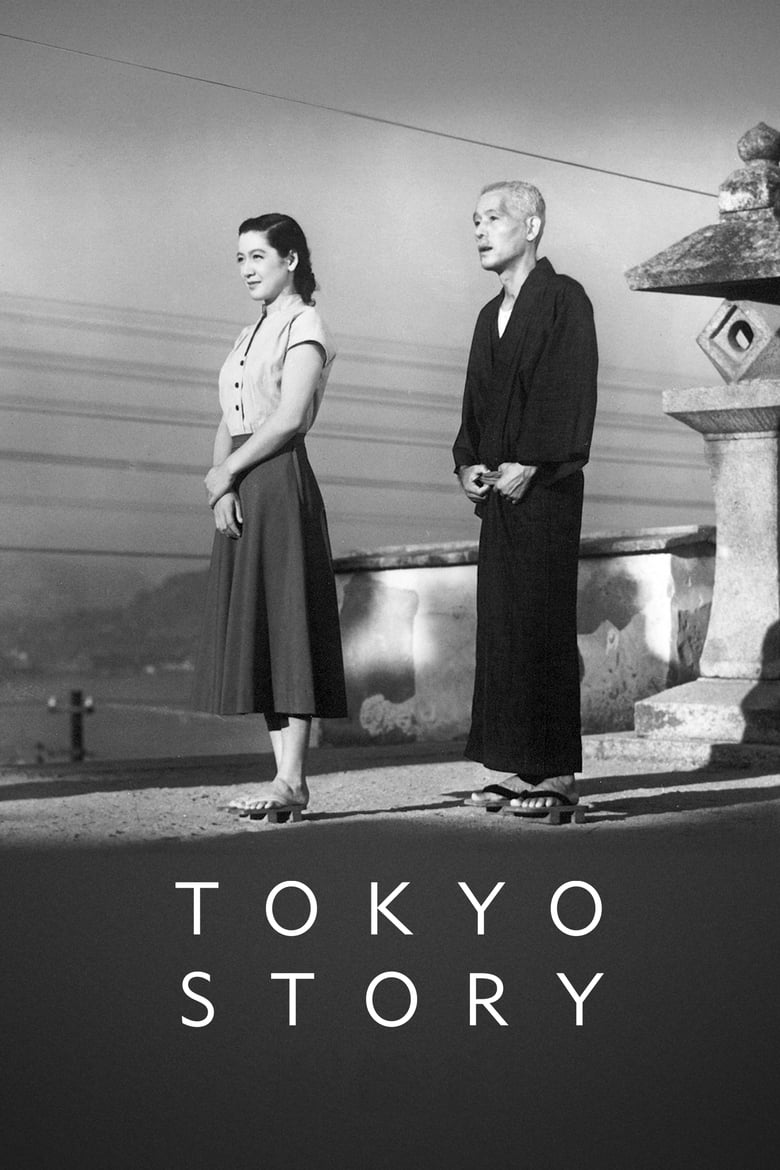
Tokyo Story
The scene ends. The people leave the room. The camera does not.
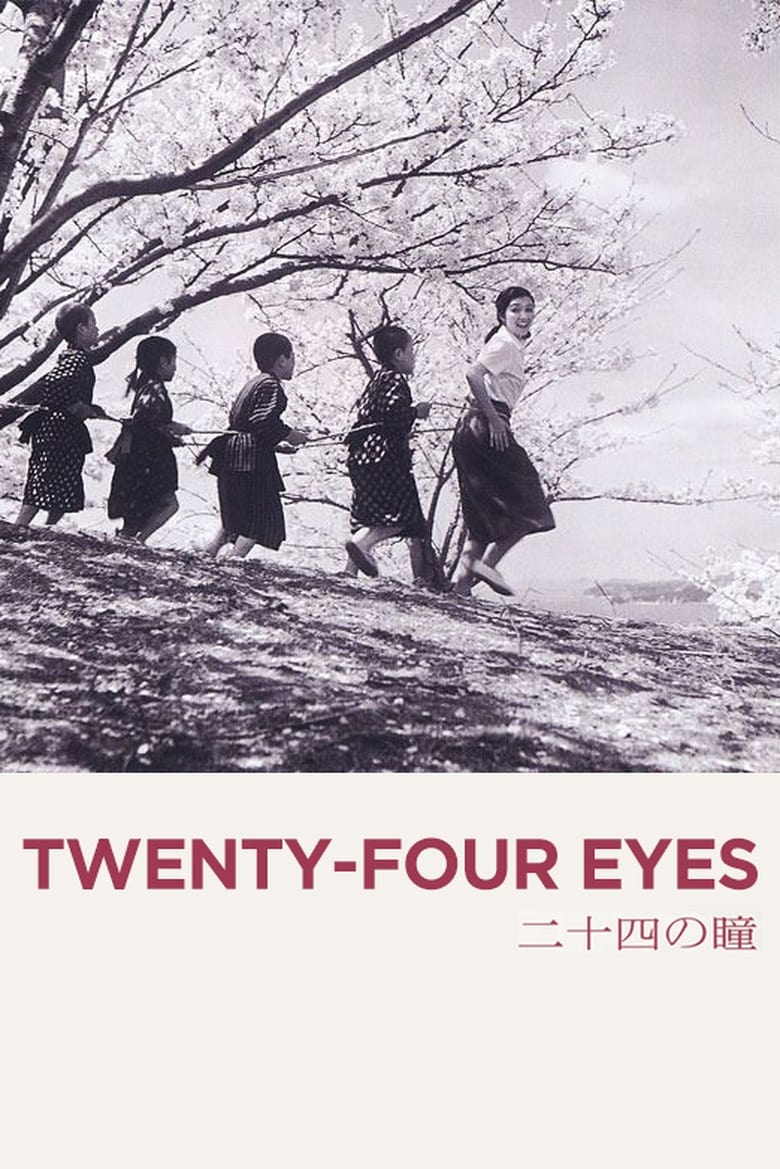
Twenty-Four Eyes
The war was not yet being spoken of. Kinoshita counted twelve children and could not finish counting.

Floating Clouds
In Naruse nobody is saved. The women work, the debt grows, the man does not keep his word.

Fires on the Plain
Kurosawa filmed war as movement, Ichikawa as hunger. Both are films of the same country.

Woman in the Dunes
A pit of sand, a woman, a man. Here place becomes a prison and the door is never shown.

Branded to Kill
The studio did not understand it and fired the director. Ten years later the same film was being taught.

Death by Hanging
For the younger generation silence was no longer a style but a complicity. Not showing had a politics too.
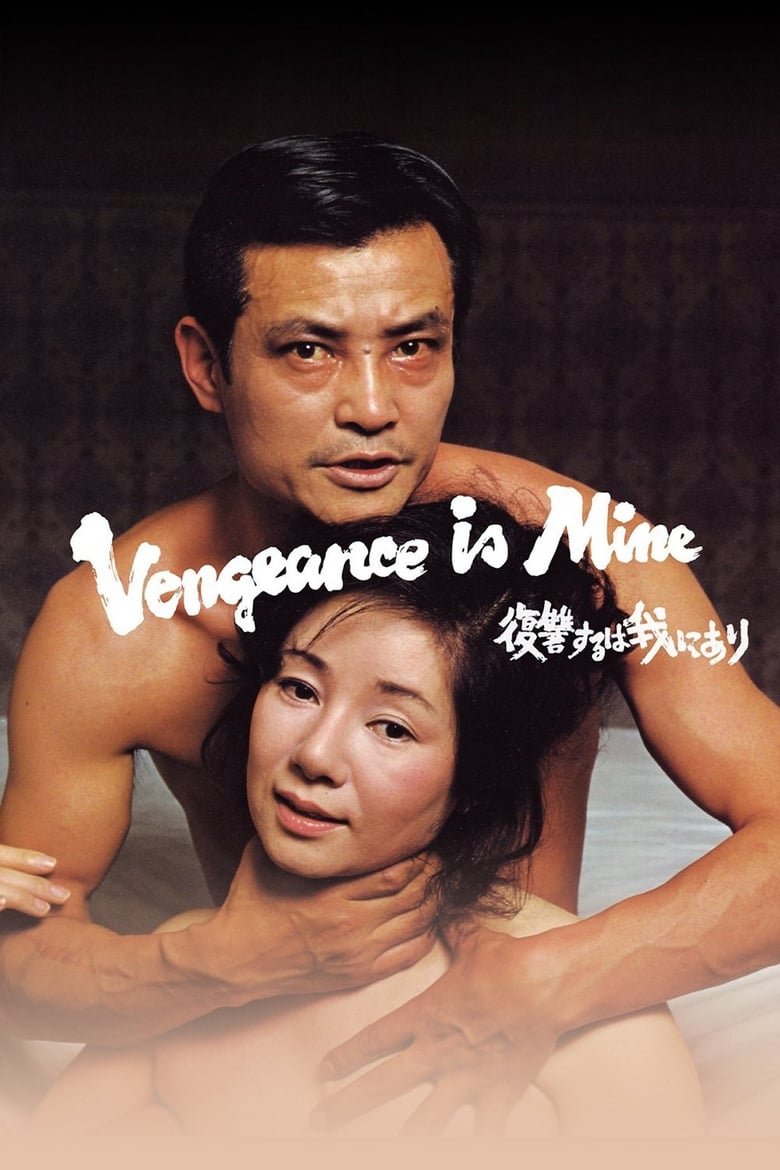
Vengeance Is Mine
Imamura liked to scrape at the surface. What comes out from underneath is not pleasant.

Akira
Animation stopped being for children. Tokyo was destroyed again, and this time the world watched.

Spirited Away
A girl walks through a tunnel and loses her name. Japan's most watched film gives its quietest scene to waiting for a train.
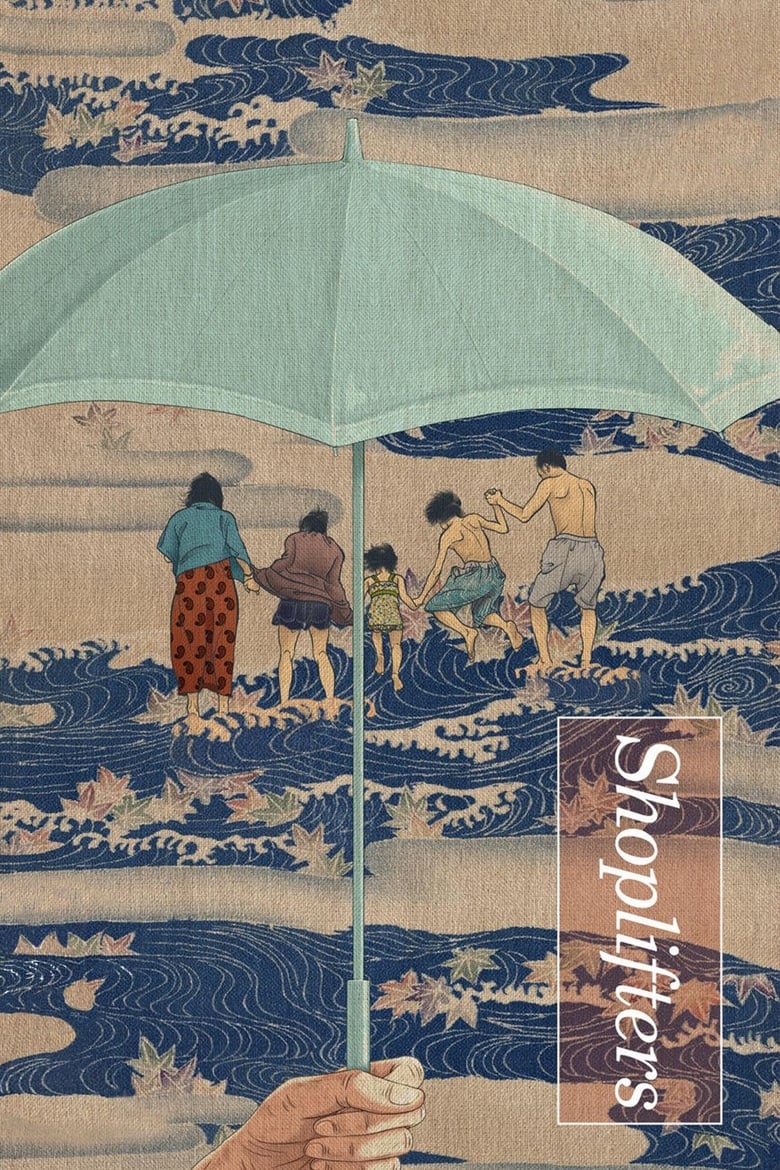
Shoplifters
Is there such a thing as family, or only living together? Kore-eda asks and does not answer.

Drive My Car
Two people sit silent in a car. A hundred years ago a man stood in the hall and spoke; now two people say nothing, and the film is understood all the same.
Veins
How a country's cinema changed direction, and with whom.
In Japanese cinemas one person told the film aloud; that is why sound arrived late.
Postwar Japanese cinema filmed the room, not the ruin; whatever happens is understood after the scene ends.
Rain, mud, crowds and cutting: the second lesson the world took from Japan.
In the sixties the young generation saw the masters' silence not as virtue but as cover.
In 1954 a studio brought a monster out of the sea to say what could not be said.
Fourteen of the Japanese directors in the canon work only in animation; not one works in both fields.
Japanese cinema today speaks to the world mostly about family: built, broken, watching each other.
Today
These are films of the last few years. Now we go back a hundred years, to when a man stood in the hall and told the film aloud.