Poland · 1926–2016
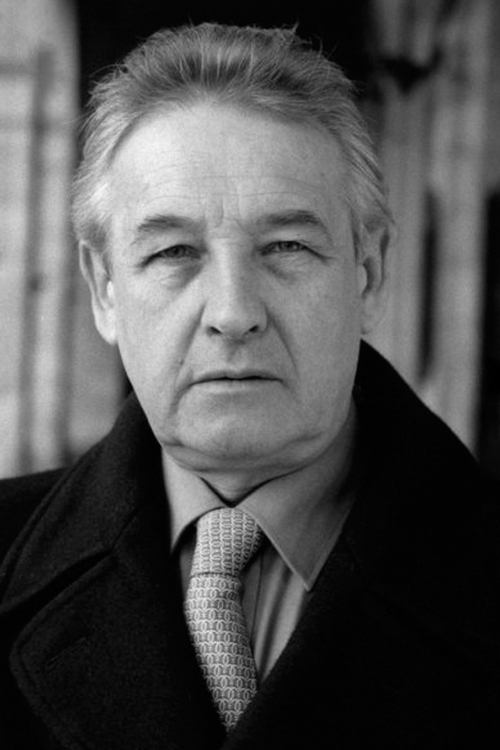
Andrzej Wajda
He wrote knowing the censorship board would read it, and always hid what he meant at the edge of a scene.
“I made my films in order to say what could not be said.”
Wajda söyleşileri (sansür dönemi) — Double Vision ile uyumlu
THE WORLD OF Andrzej Wajda
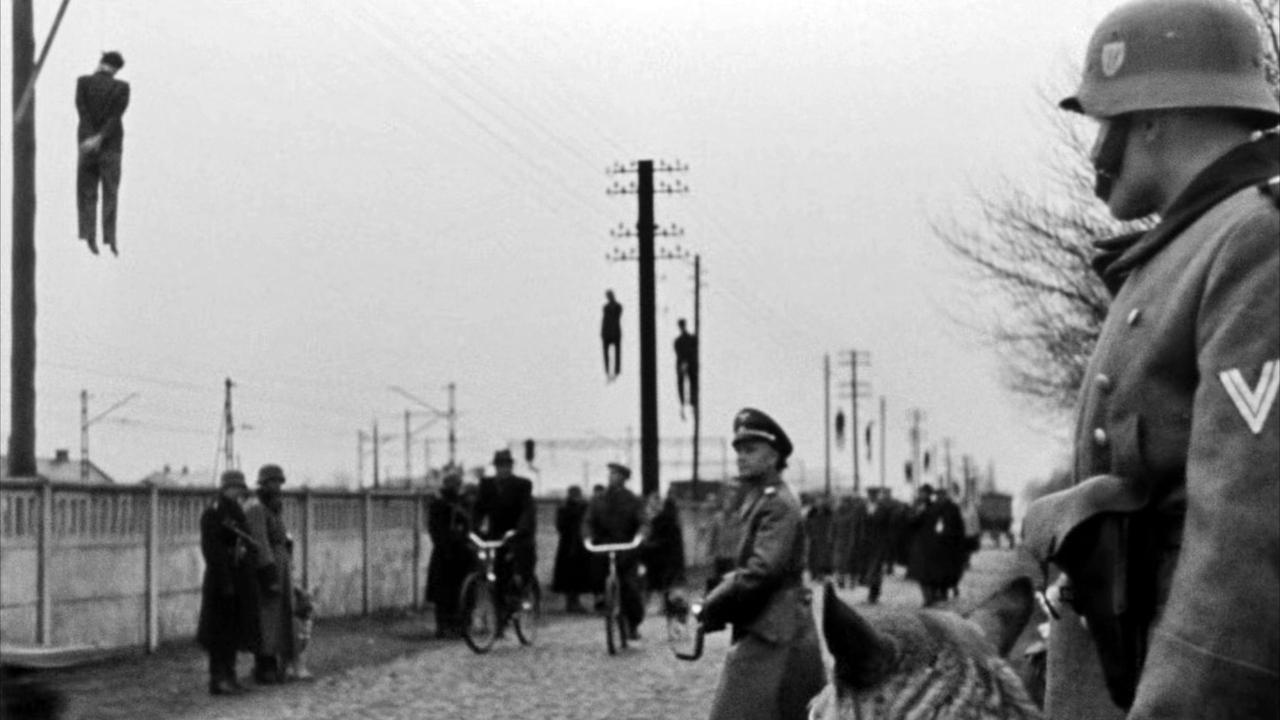
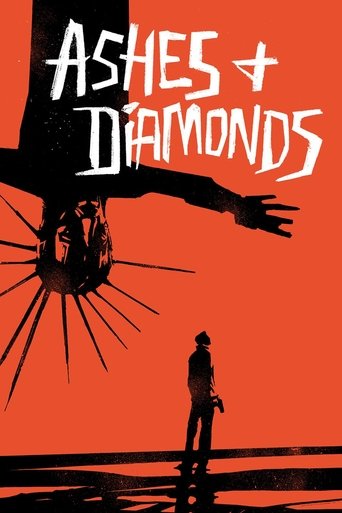
Wajda's cinema never stopped looking at Poland's wounds. In Ashes and Diamonds, on the day the war ends, a young resistance fighter in dark glasses is caught between carrying out his last assignment and walking away. The boy played by Zbigniew Cybulski, writhing as he dies on a rubbish heap, carries a whole generation's loss of direction.
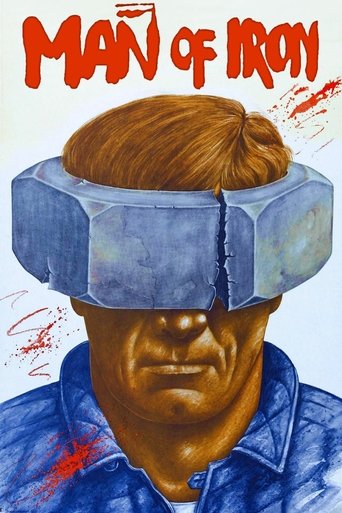
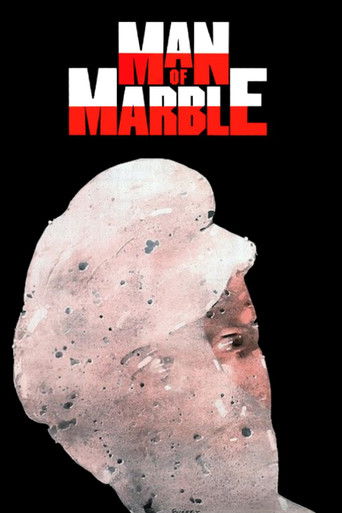
He worked under censorship and found ways around it. In Man of Marble a young documentary maker traces a worker once declared a hero and then made to disappear from memory; the film shows how the state manufactures its own legends and then erases them. Man of Iron, which followed, was shot amid the strikes at the Gdańsk shipyard and won a prize at Cannes shortly before martial law was declared in Poland.
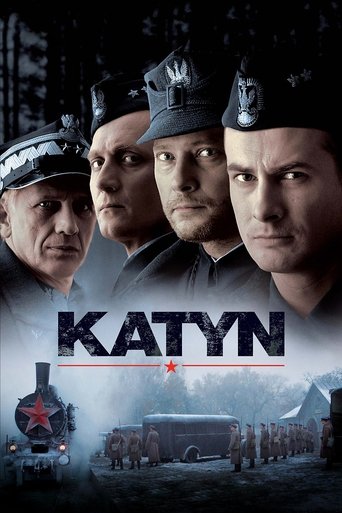
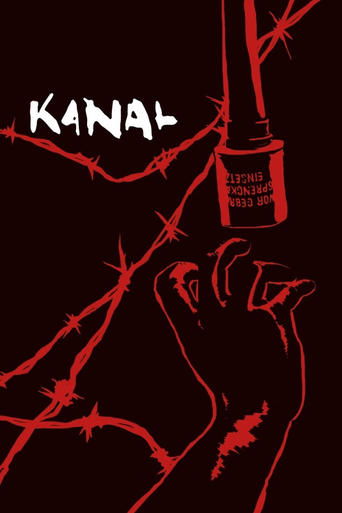
Years later, in Katyń, he told the story of the Polish officers killed by the Soviets; one of those officers was his own father. For Wajda, cinema was a way of showing again what a nation did not want to remember, or was not allowed to.
- CameraInside a crowd, never losing one face.
- SoundAnthems, church, echo underground.
- SignatureFire — in a glass, in a sewer, on a rubbish heap.
Where to start
Canon films






Awards
- Best Foreign Language FilmAcademy Awards · 2007 · nominated · Katyń
- Miglior regista stranieroDavid di Donatello · 1983 · nominated · Danton
- César · 1982 · won · Danton
- Best Foreign Language FilmAcademy Awards · 1981 · nominated · Man of Iron
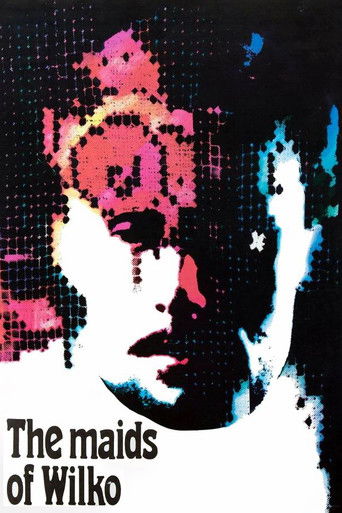
- Best Foreign Language FilmAcademy Awards · 1979 · nominated · The Maids of Wilko
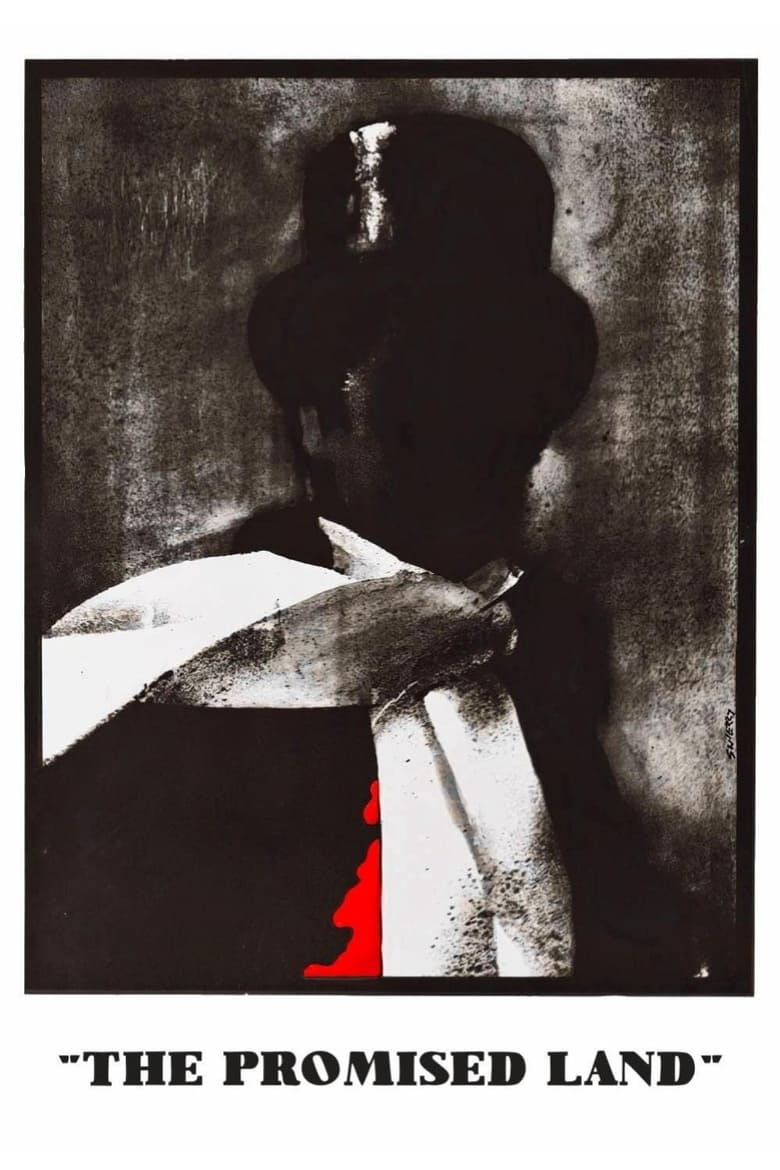
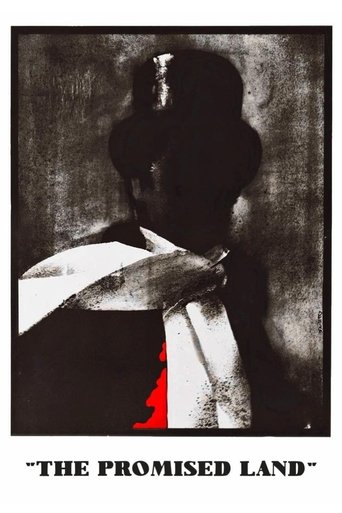
- Best Foreign Language FilmAcademy Awards · 1975 · nominated · The Promised Land
- Cannes Film Festival · 1981 · won · Man of Iron
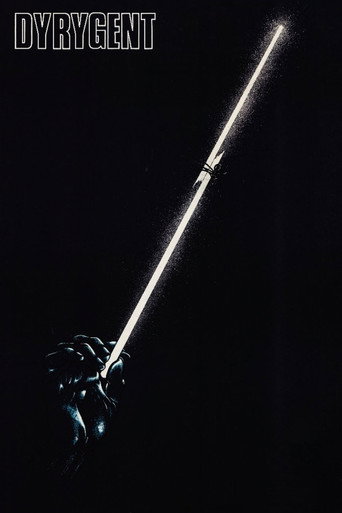
- San Sebastián International Film Festival · 1980 · won · The Orchestra Conductor
See all · 9
- Valladolid International Film Festival (Seminci) · 1976 · won · The Promised Land