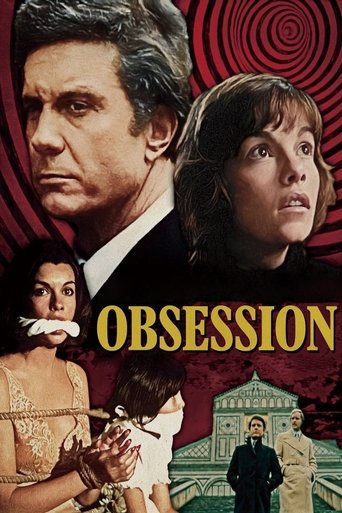
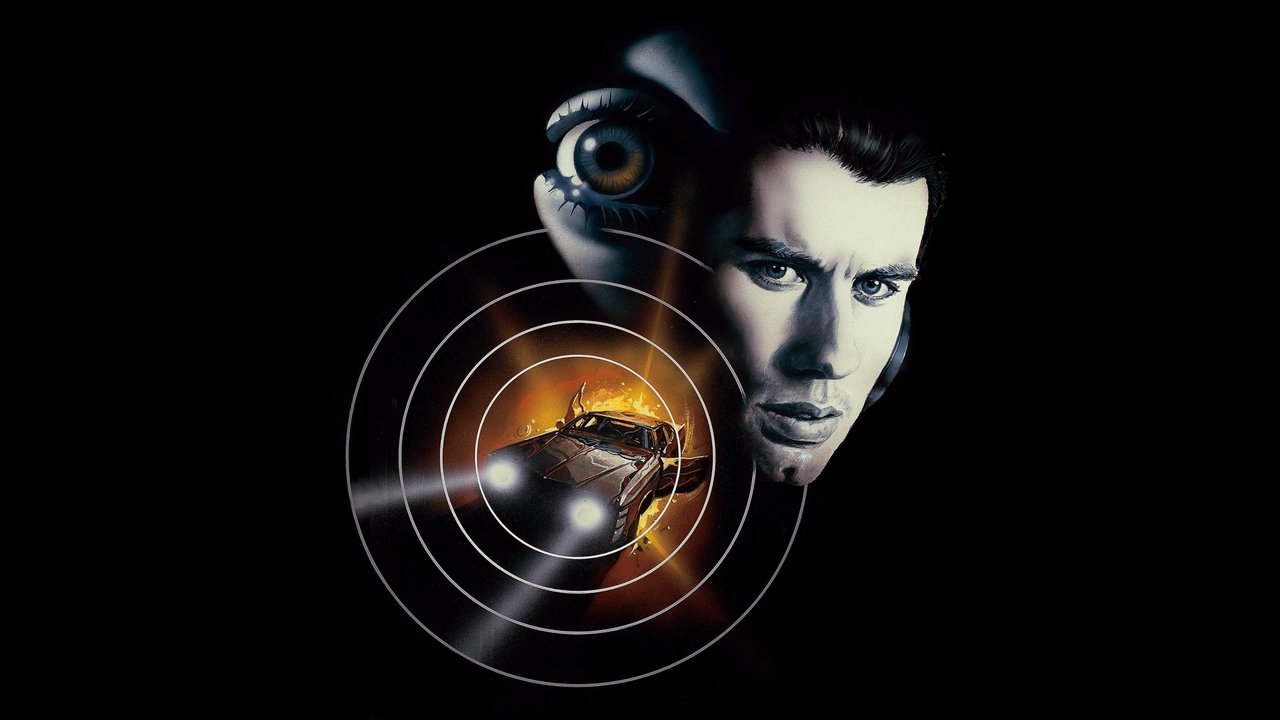
United States
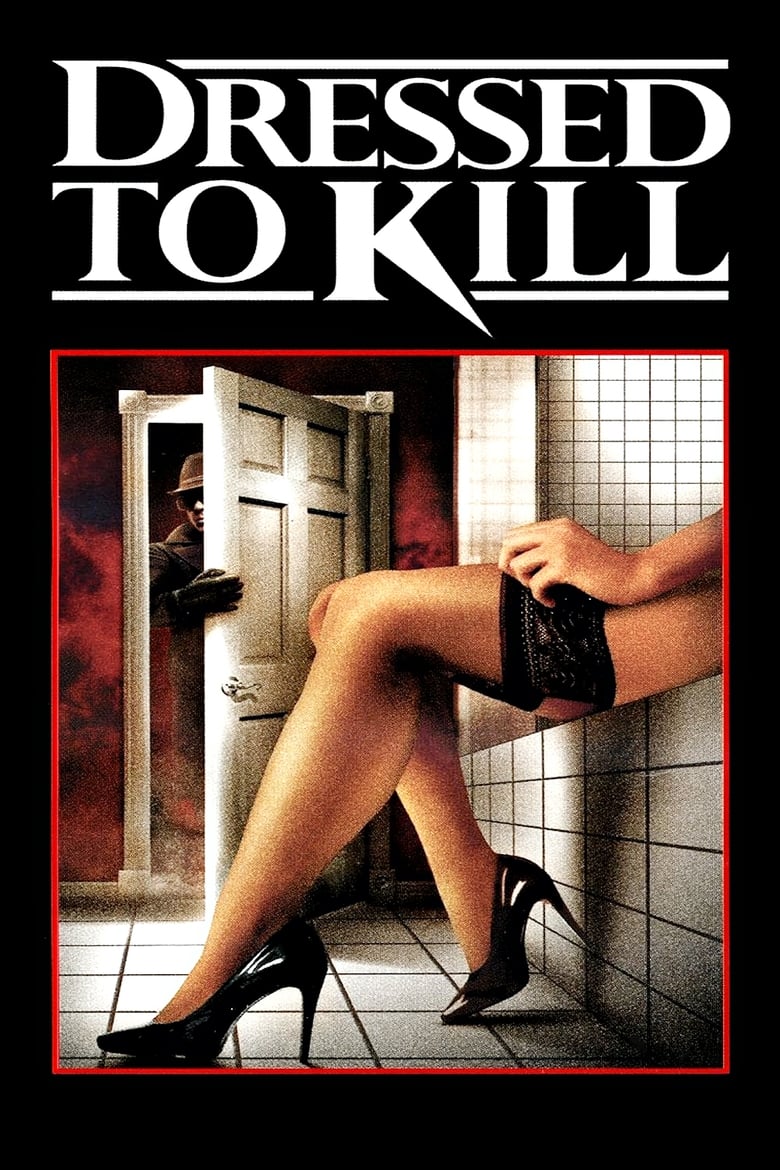
Brian De Palma
The camera isn't a spectator; it's an accomplice.
Looking is never innocent in a De Palma film. Someone watches someone, we watch the watcher, and the camera makes that chain visible instead of hiding it. The screen splits in two: what is happening on the left, what is about to happen on the right. Choosing where to look makes you complicit.
He doesn't hide what he takes from Hitchcock. He underlines it, copies it, exaggerates it, carries it somewhere else. Not as homage but as argument — cinema talking to its own past out loud.
His set pieces are often built without dialogue. A long tracking shot, a move in slow motion, a rising score. Speech stops, the mechanism runs, and we're meant to see how the mechanism was put together.
- CameraSplit screen and the long tracking shot — the mechanism is shown, not hidden.
- SoundDialogue-free set pieces where the score carries the tension alone.
- SignatureLooking turning into complicity.
Where to start


Canon films