Country room
United States
America gave cinema the genre; the signature is made inside the mold.
How many times do you have to tell a story before it becomes yours?
Nobody here started from scratch.
The difference shows up in whose hands the same story lands.
American cinema didn't begin with an art movement. It began with a business.
The factory came first. Directors were on salary. A picture was handed to them. When it was finished, the next one arrived. Nobody asked, "What do you want to say?" There was a more practical question: "How fast can you deliver?"
The strange part is what came out of that system. The same stories kept circling: cowboys, detectives, gangsters, small towns, couples falling in love. The genres didn't change, but the films didn't look alike. The mold stayed the same; the person standing inside it changed.
In 1934 a list arrived. A list of what could not be shown. Bedrooms, too much blood, crime that pays, how long a kiss could last. Pages of prohibitions.
Read more
Censorship usually kills style. In Hollywood something odd happened. They learned to imply what they couldn't show. Doors began to close. Shadows did the talking. The silence between two lines sometimes said more than the dialogue. For the first time, the audience's imagination became a partner in the film.
Stranger still, the Americans weren't the first to notice.
In Paris a few young critics began placing side by side the films of directors Hollywood filed under "reliable professionals." John Ford's world was a world of its own. Hawks had his own rhythm. Hitchcock rebuilt the same fear in every picture. America saw the signature of its own directors first through French eyes.
The word came home in 1962 with Andrew Sarris. A year later Pauline Kael wrote a hard rebuttal. The argument never really ended. Maybe it wasn't supposed to.
Then the system changed again. In 1948 the studios lost their theaters. Television kept the audience at home. By the late sixties a generation out of film school was knocking at the door. For about ten years Hollywood really was a cinema of directors.
Then came a shark in 1975 and a spaceship in 1977. The industry found its new formula. The directors didn't disappear; but films started being built around brands again.
And this is the most interesting thing about American cinema. It made the myths and it broke them. It shot the western where the hero is right, and the western where that same hero is put on trial. Same country, same industry, same genre.
This room isn't about directors who tell new stories.
It's about directors who take a story everyone already knows and turn it into a film that belongs to nobody but them.
The Chain
One film leads to another

The General
The train really fell off the bridge. The most expensive single shot of the silent era, and the audience laughed.

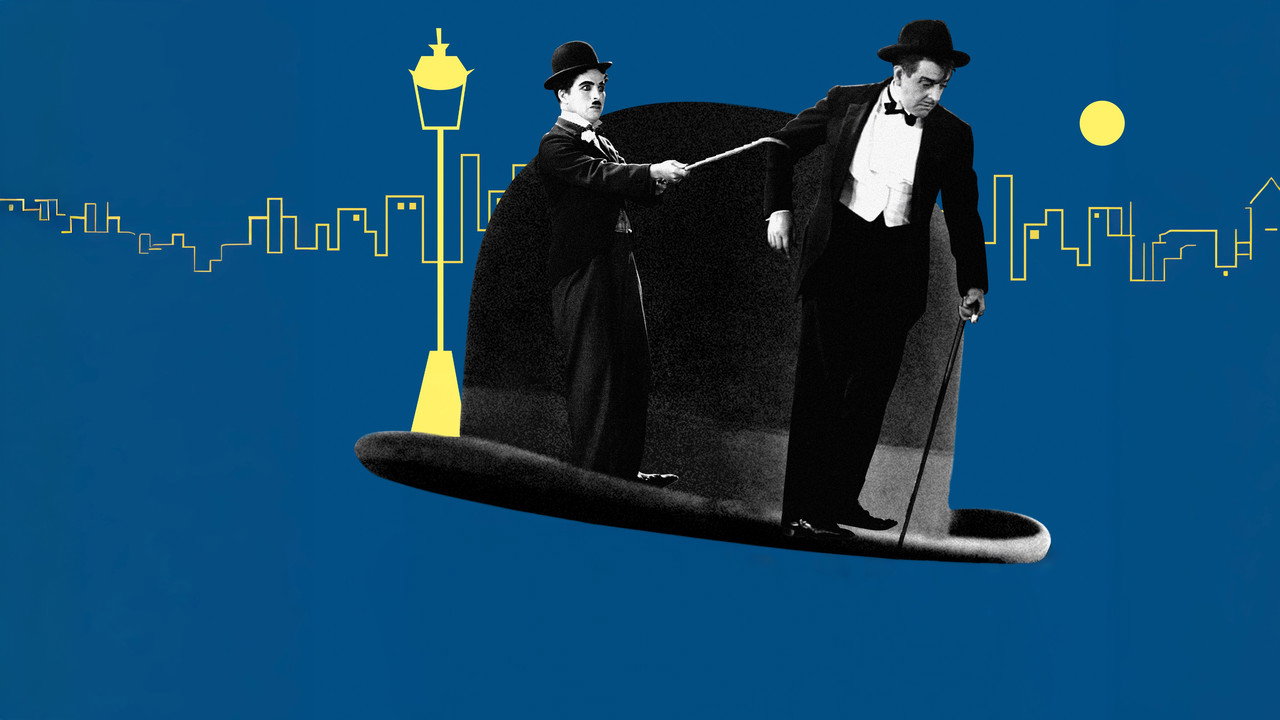
City Lights
Sound had arrived and Chaplin refused it. Not a word is spoken in the last scene and everything is understood.

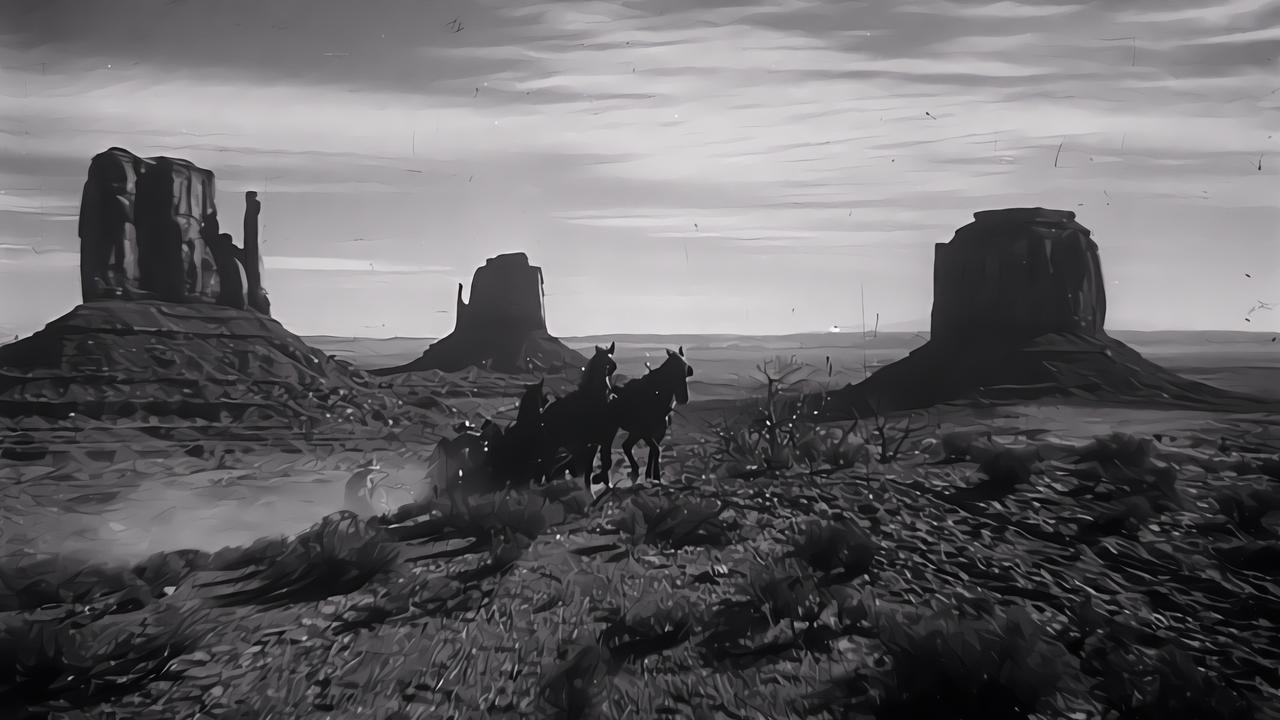
Stagecoach
A genre was built here: nine people, a coach, a desert. The next fifty years were spent filling that mould.

Citizen Kane
A twenty-five-year-old was given complete control. It was never given to anyone again.
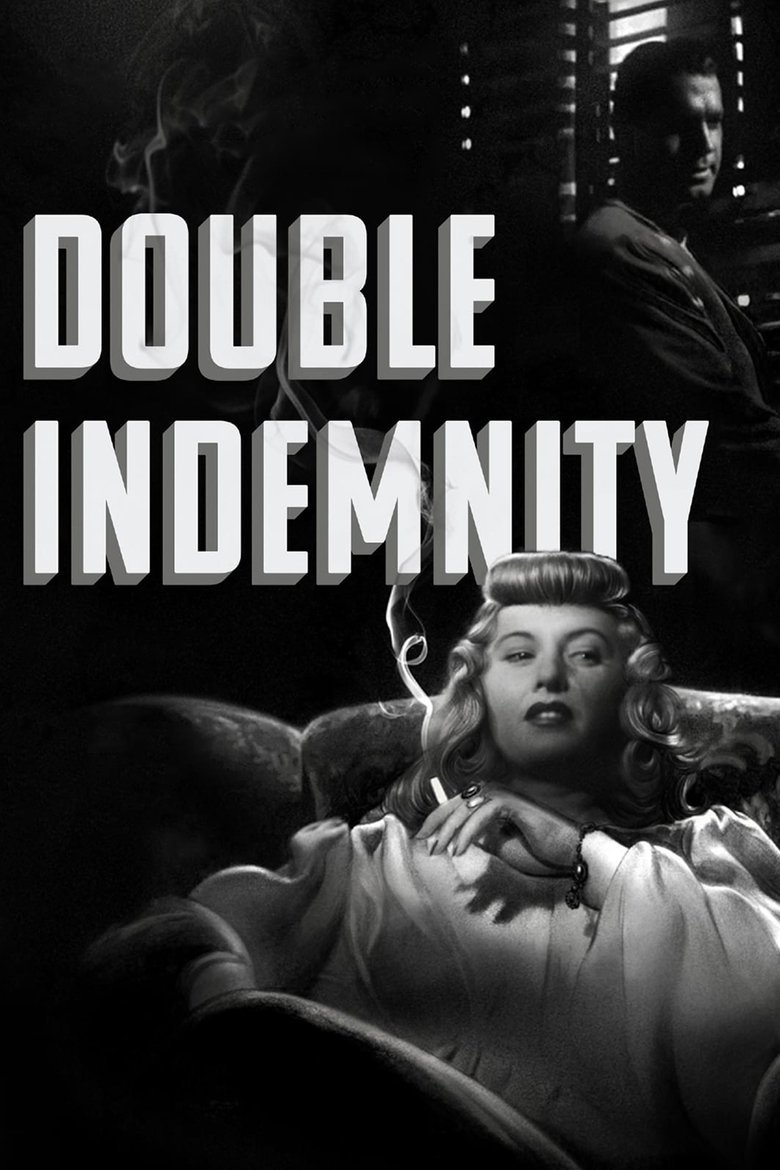
Double Indemnity
Everything the code forbade was implied instead. Censorship did not kill style, it sharpened it.

Singin' in the Rain
Hollywood told the story of its own move to sound as a comedy, twenty-five years later. One of the rare times it laughed at itself.

Vertigo
It was received coldly on release. Fifty years later it went to the top of the best-film lists.

Imitation of Life
Melodrama was dismissed as women's pictures. America's questions of race and class were spoken most openly here.

Bonnie and Clyde
The code collapsed. Criminals became heroes and the studios realised they no longer knew what the audience wanted.

The Godfather
The studio wanted another director and other actors. It lost, and for ten years it left directors alone.
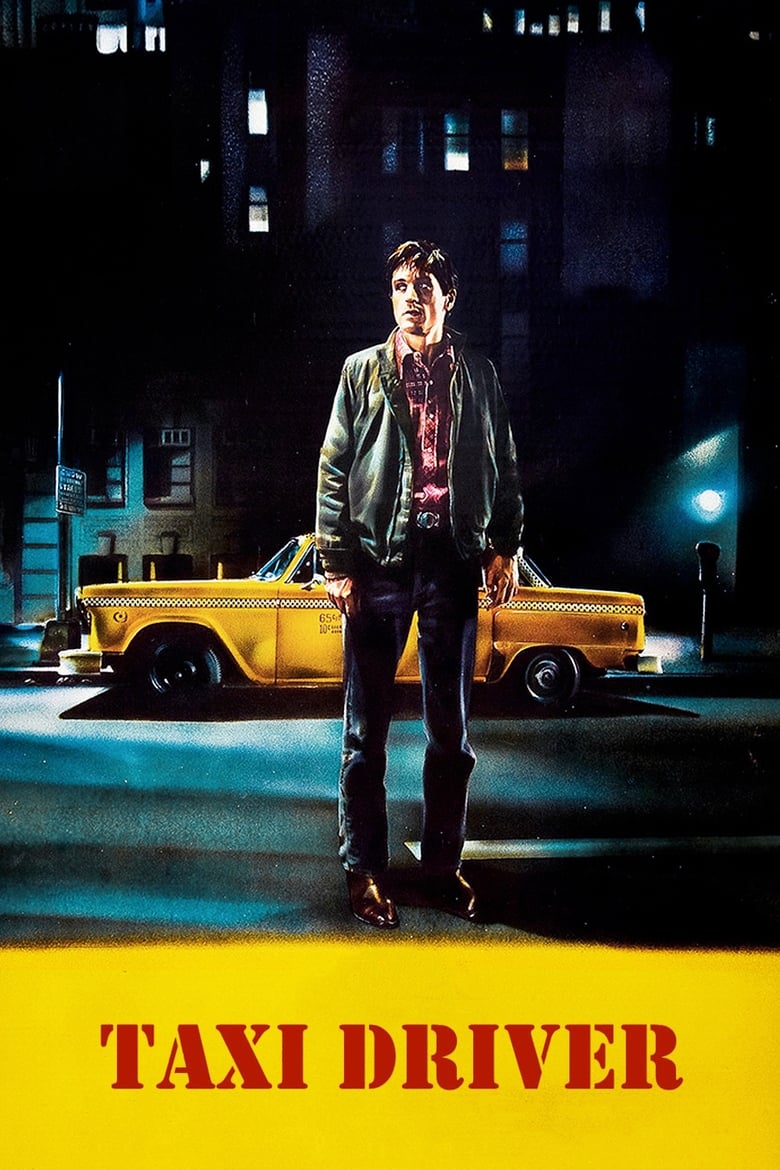
Taxi Driver
The city, loneliness and violence. The closest American cinema came to looking at its own sickness.

Star Wars
And two years later everything changed. Not a film but a universe was sold, and the industry never went back to its old arithmetic.

Blue Velvet
A severed ear beneath a tidy lawn. The question of what lies under the suburb has never closed since.

Do the Right Thing
The two quotations at the end contradict each other and the film does not say which is right. It has been argued over for thirty years.

Pulp Fiction
What was learned in a video store was given back to cinema. The order broke, the dialogue drifted, and independent film reached the box office.
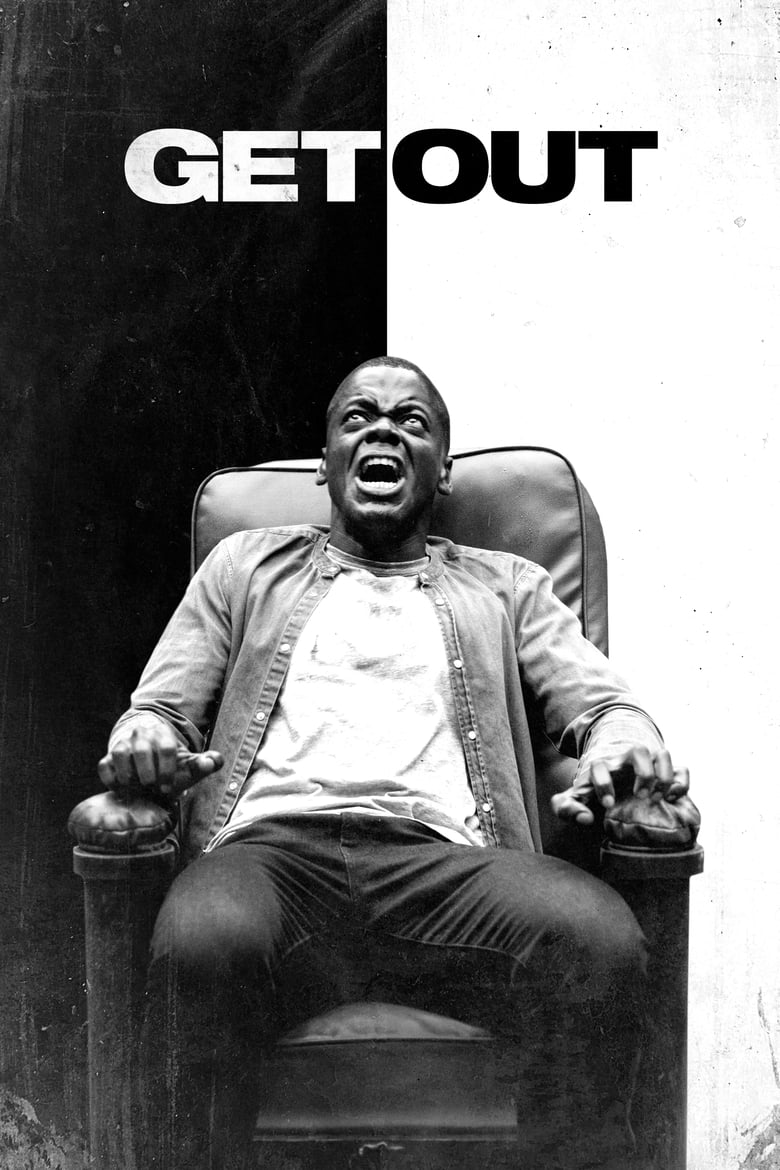
Get Out
A genre everyone knew was used to say something nobody had said with it. The question came back to where it started: how many times must a story be told before it is yours?
Veins
How a country's cinema changed direction, and with whom.
Directors in this room
Today
These are films of recent years. Now we go back a hundred years, to a factory where nobody thought they were making art.


Universes
What America turned cinema into
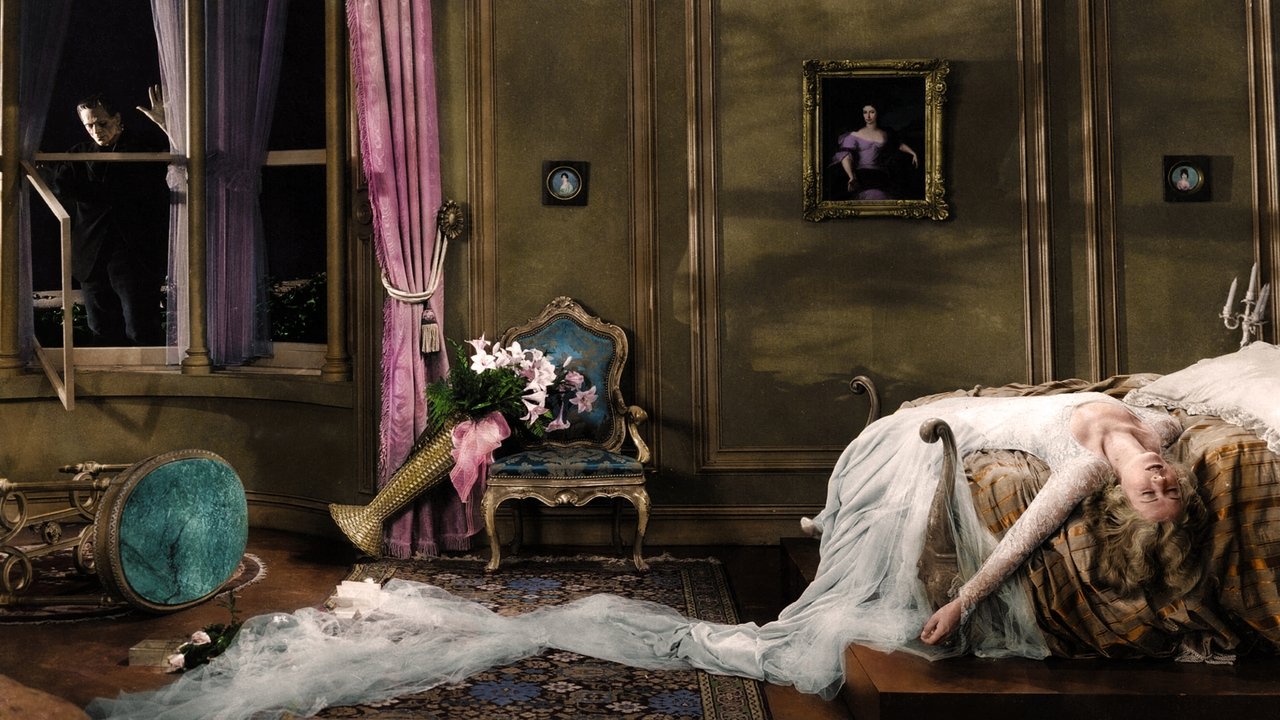
Monsters on the line
In 1931 a studio released two horror films nine months apart and both made money. What followed was simple: the monster was treated as a product line. The same make-up man, the same sets, the same backlot, for fifteen years.
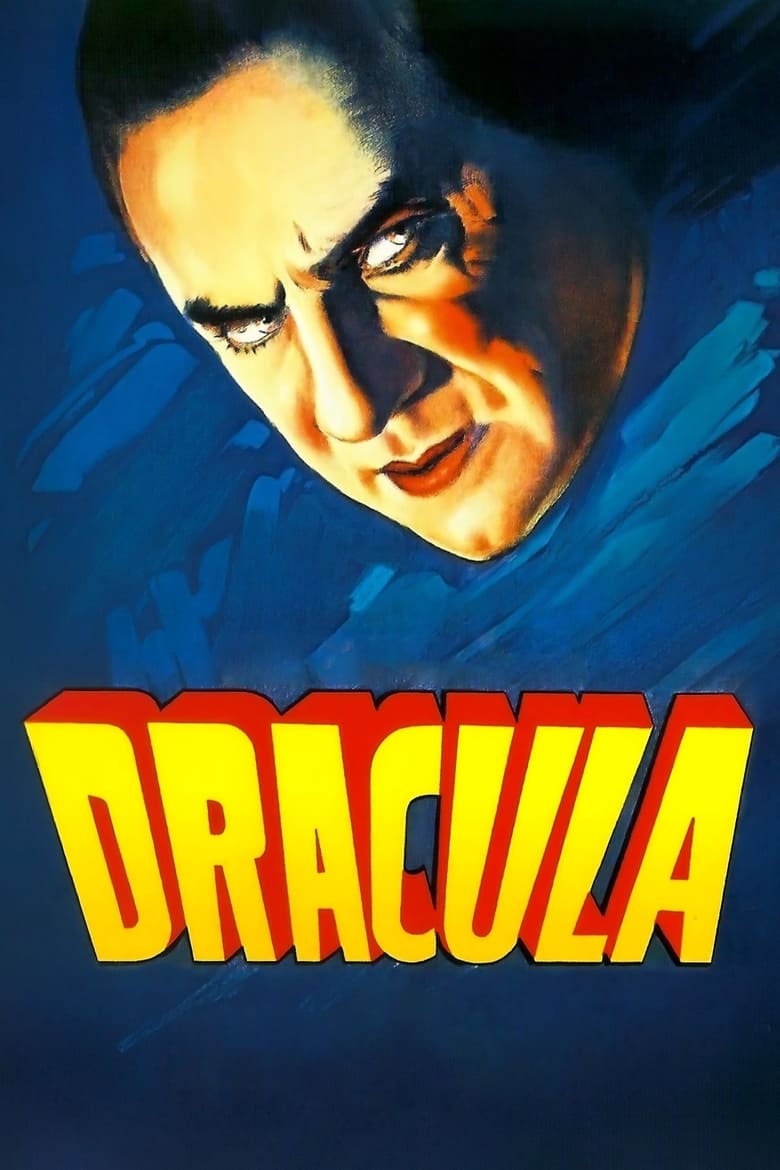
The first monster that speaks. Filmed like a camera pointed at a stage play, and it still worked.
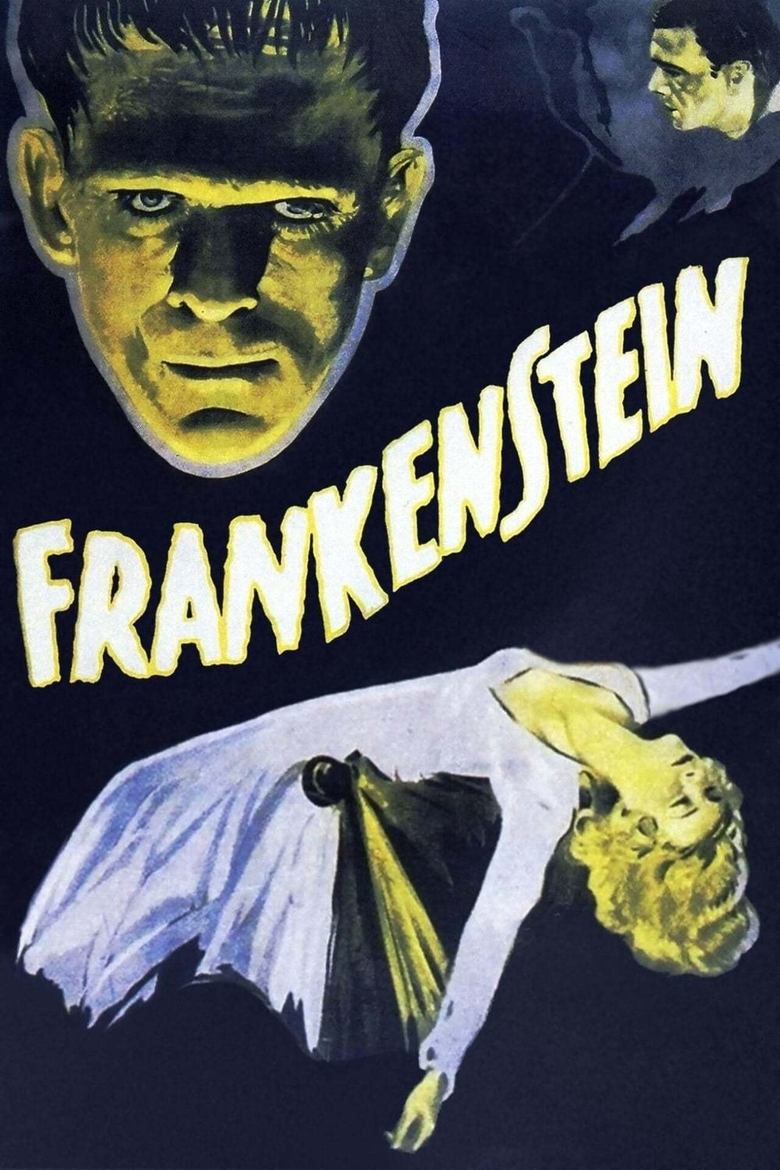
The creature does not speak. The make-up and the walk do more work than the script.
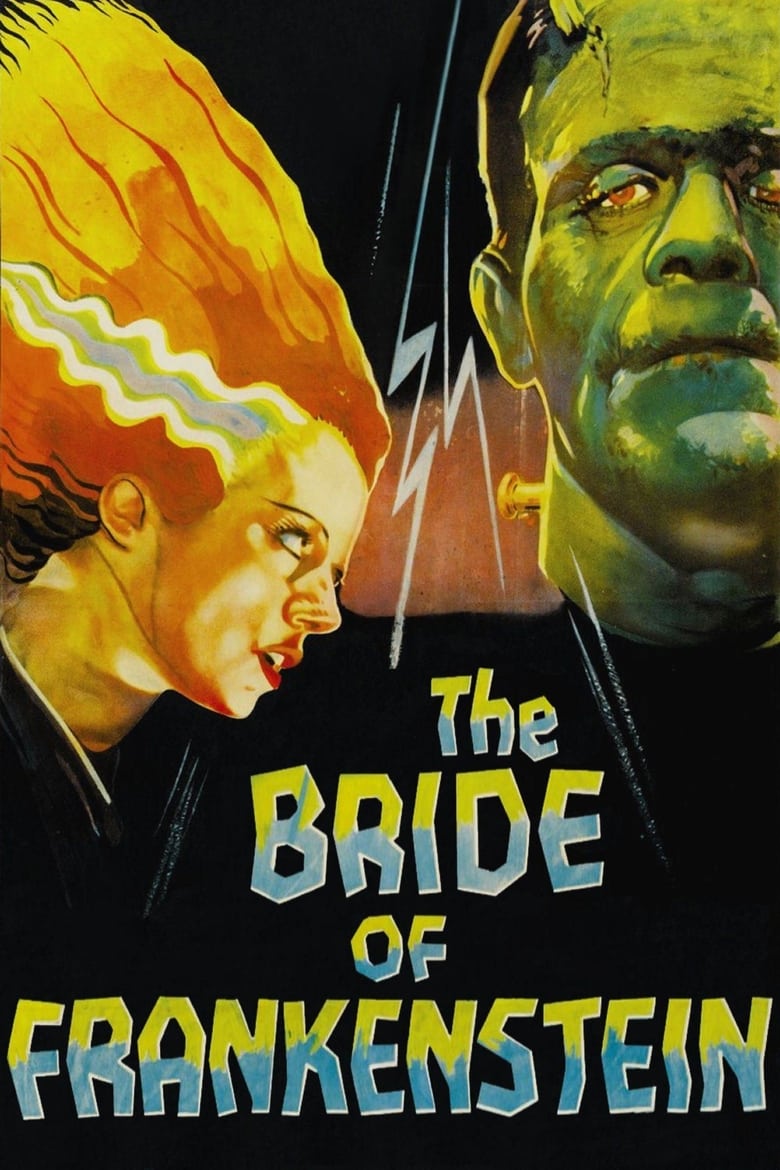
Four years later the same crew brought the same creature back. This is where it became clear a sequel could beat the original.

Brought back from the island
Step right up. You are about to see the eighth wonder of the world: a giant in chains, put on a stage, watched for the price of a ticket. The man inside the film does exactly that — he gathers a crew, sails to the island, brings the creature to the city and sells tickets at the door. It has been filmed three times in seventy years and the same thing happens every time.

The contract
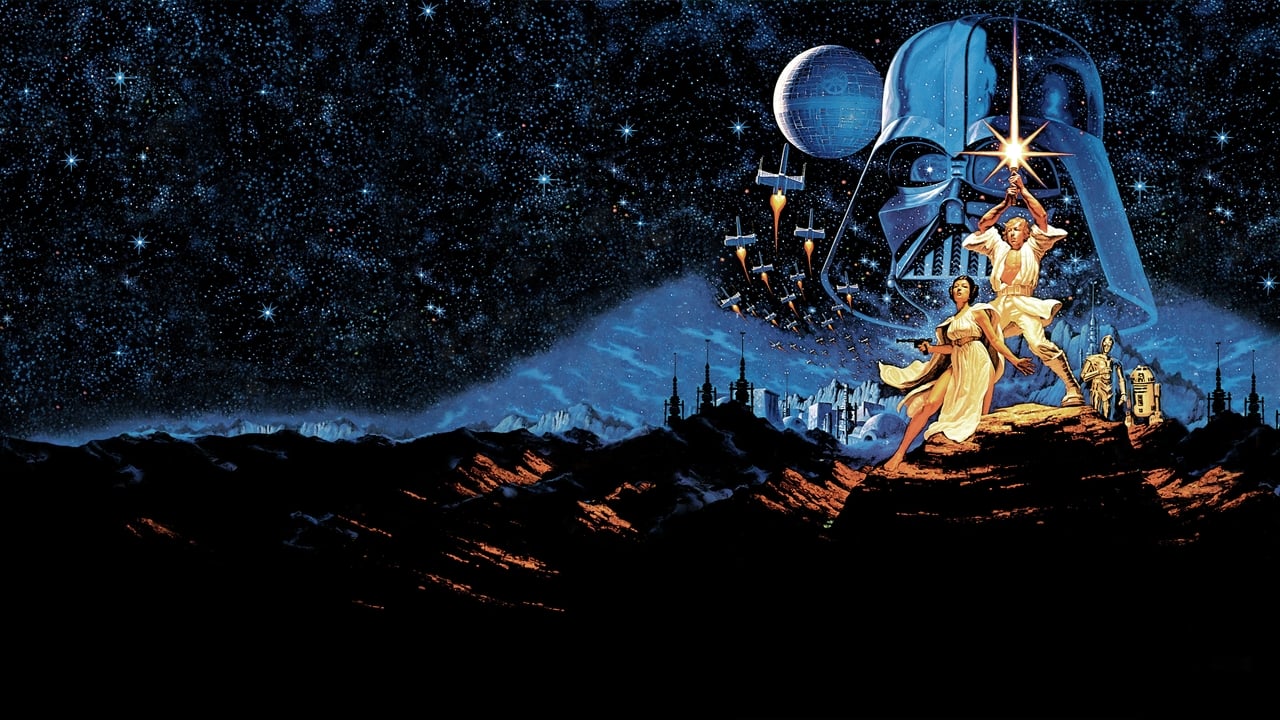
The director waived his fee. In exchange he asked for the sequel rights and the merchandising rights. The studio considered them worthless and handed them over. The film opened in 1977; those rights are now worth thousands of times its budget. After this, the question of which deal matters more than which film was taken seriously.
A ninety-minute adventure film. Every idea in it is borrowed from other films, and none of them had ever been put together this way.

The last of the prequels had to connect to the beginning of the original trilogy. That was the hardest job in the series, and the film knows it.

Still standing
The actor wrote the script. In three days. The studio wanted to buy it; he would not sell. He had one condition: I play the lead. The budget shrank, the fee dropped, the film got made. It won best picture that year. Then came five sequels, two spin-offs and fifty years.


The company
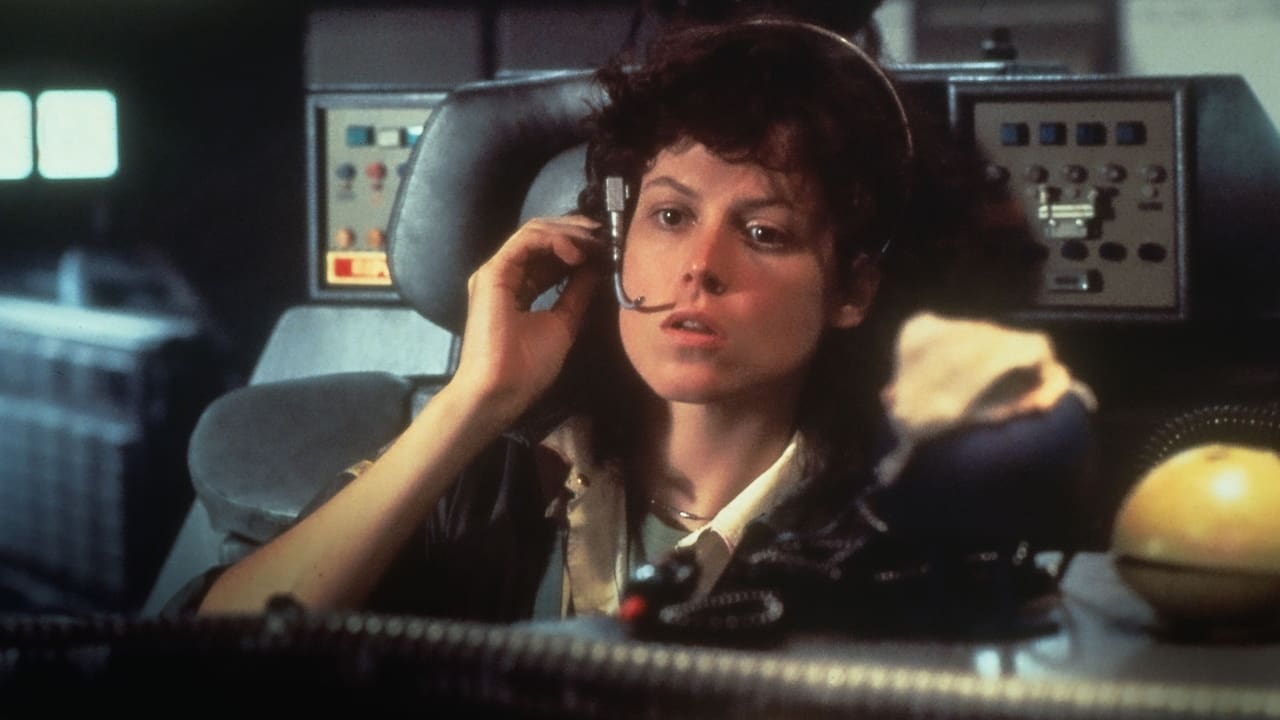
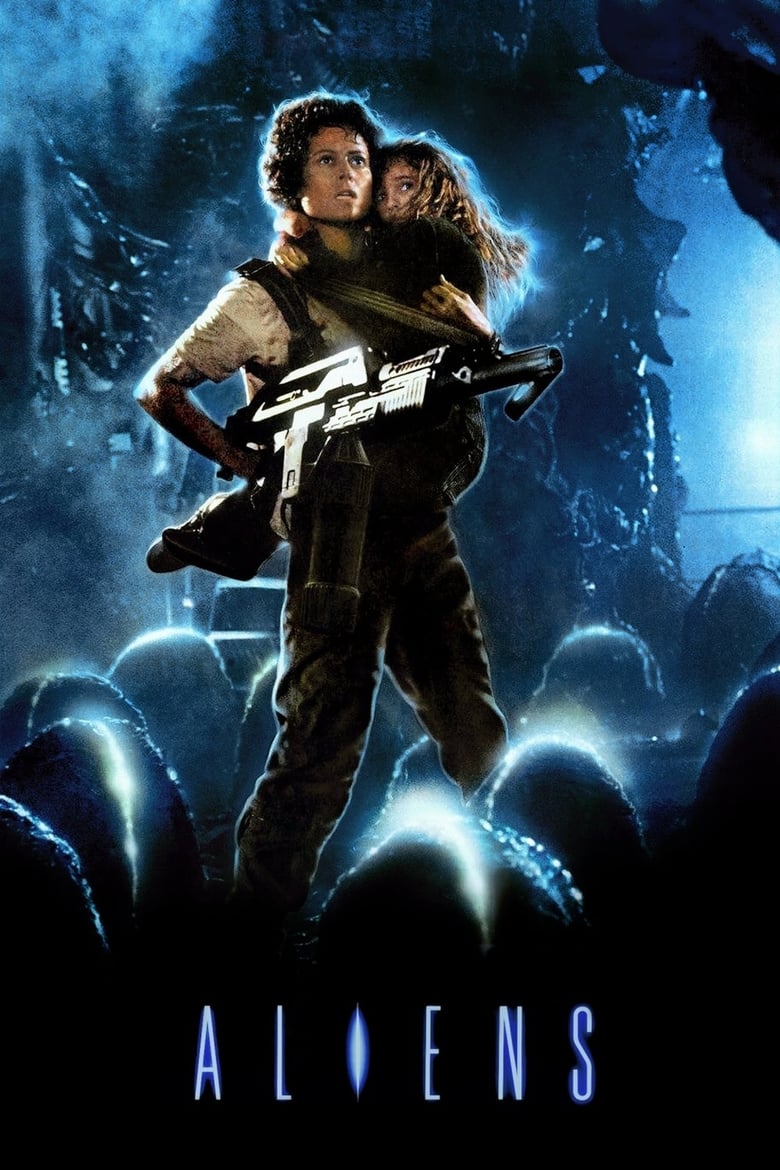
The ship is a truck. The crew are wage workers; in the first scene they are negotiating bonuses at the dinner table. When the creature appears the real point becomes this: the company already knew, and had listed the crew as expendable. Four films, four different directors. Each took the series over, made his own film, and left.


The numbers
Budget: 300,000 dollars. Shoot: twenty days. Box office: over 70 million. The director's fee: 10,000. The lead actress's fee: 8,000. The mask: bought off a shelf and stripped of its paint. Films in the series: eleven. Years since: forty-four. There is not much to add beyond these figures; the subgenre came out of exactly this table.

The Saturday matinee
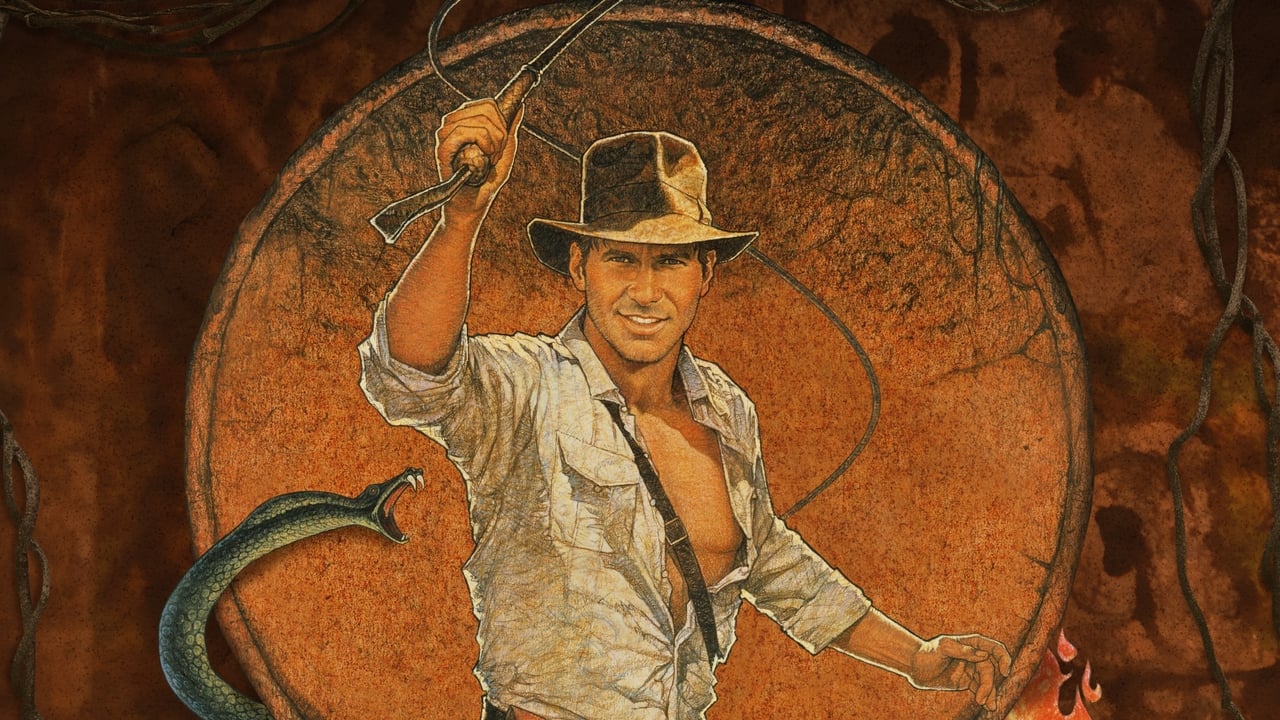
In the thirties children went to the cinema on Saturday afternoons. Fifteen-minute chapters, one a week, always ending at the edge of a cliff. Forty years later two men remembered that programme and decided to do the same thing all at once, in two hours. Whip, hat, map, trap. Nothing new, only an old thing done well.

The wrong man
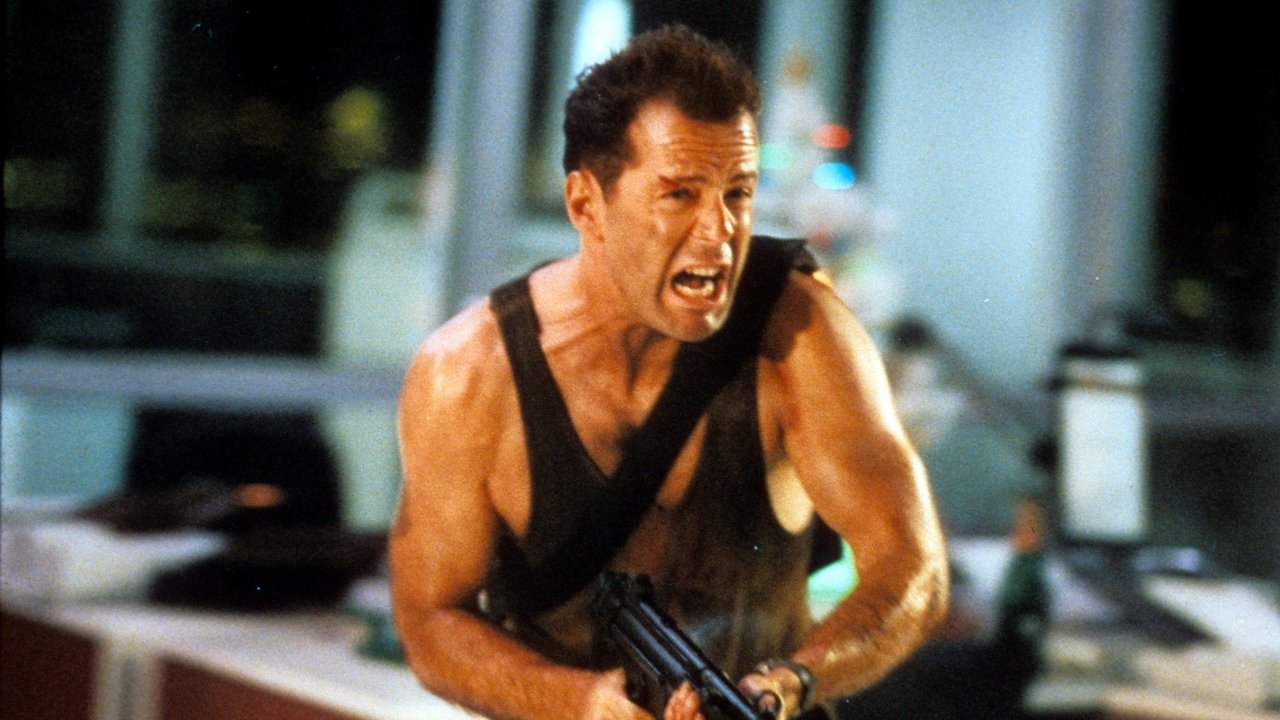
They offered the part to several people first; nobody took it. In the end a television comedian was hired, and the action hero suddenly became someone who tires, bleeds and gets scared. Also this: the film takes place at Christmas, and for thirty years people have argued about whether it counts as a Christmas film. That argument has lasted longer than some of the sequels.


The loop
A machine is sent from the future. Its task is to kill a woman. A man is sent from the same future. His task is to protect her. The woman bears her child, and the child will save the future. So the event that sends the machine has already created the event the machine is trying to prevent. Across six films the loop has been attacked and rebuilt every time.


The water in the glass
The most remembered scene shows nothing: a glass of water, rings on its surface, a tremor from somewhere far off. The creatures are on screen for about fifteen minutes in total. Everything else is waiting. The merchandising deals were signed before shooting began; the toys were designed at the same time as the dinosaurs. This film is cited as the date computer effects took over cinema, and that is correct.

Next up
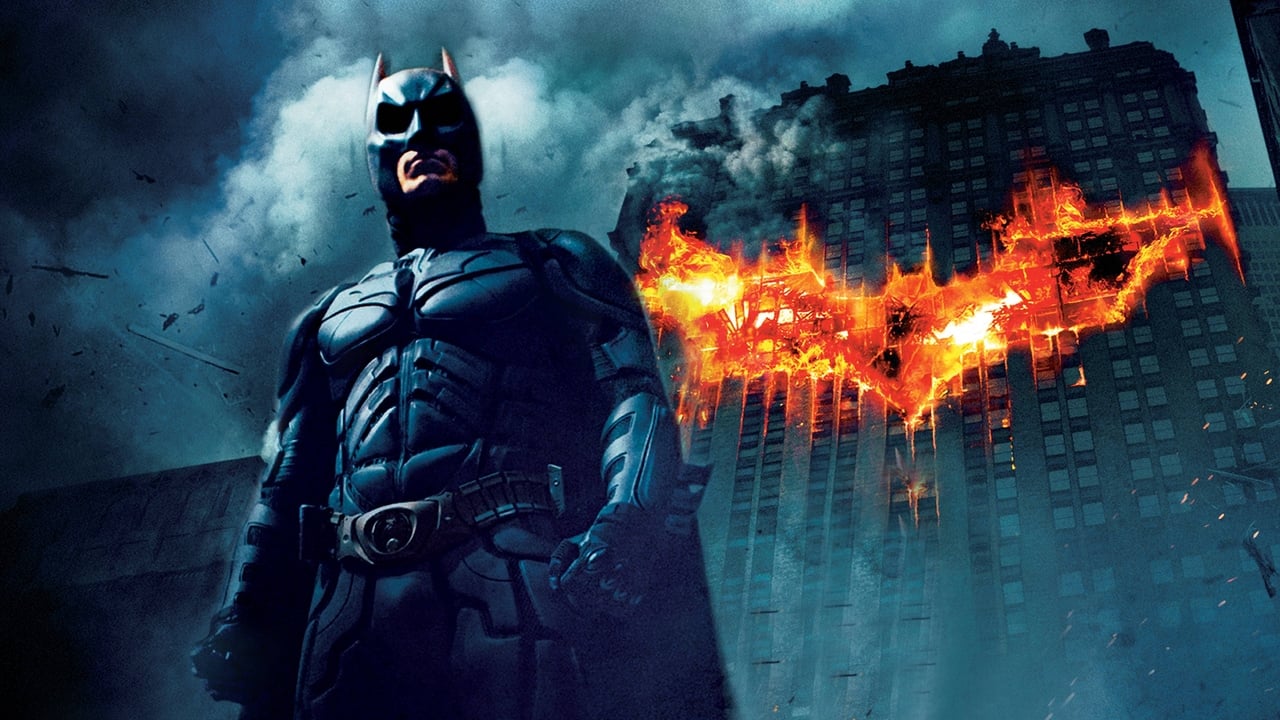
At first there were individual films. Then in 2008 a studio announced a release plan made of interlocking films: each would set up the next and none would quite end. The plan worked. Within ten years the largest share of the global box office belonged to these films. Directors came and went; some quit, some were fired, one refused to put his name on his own film. The universe remained.

A comic book hero was filmed in the dark for the first time. The whole tone of today's genre came out of that decision.

The villain has no plan and no aim. The most uncomfortable film in the genre, because it breaks the definition of winning.
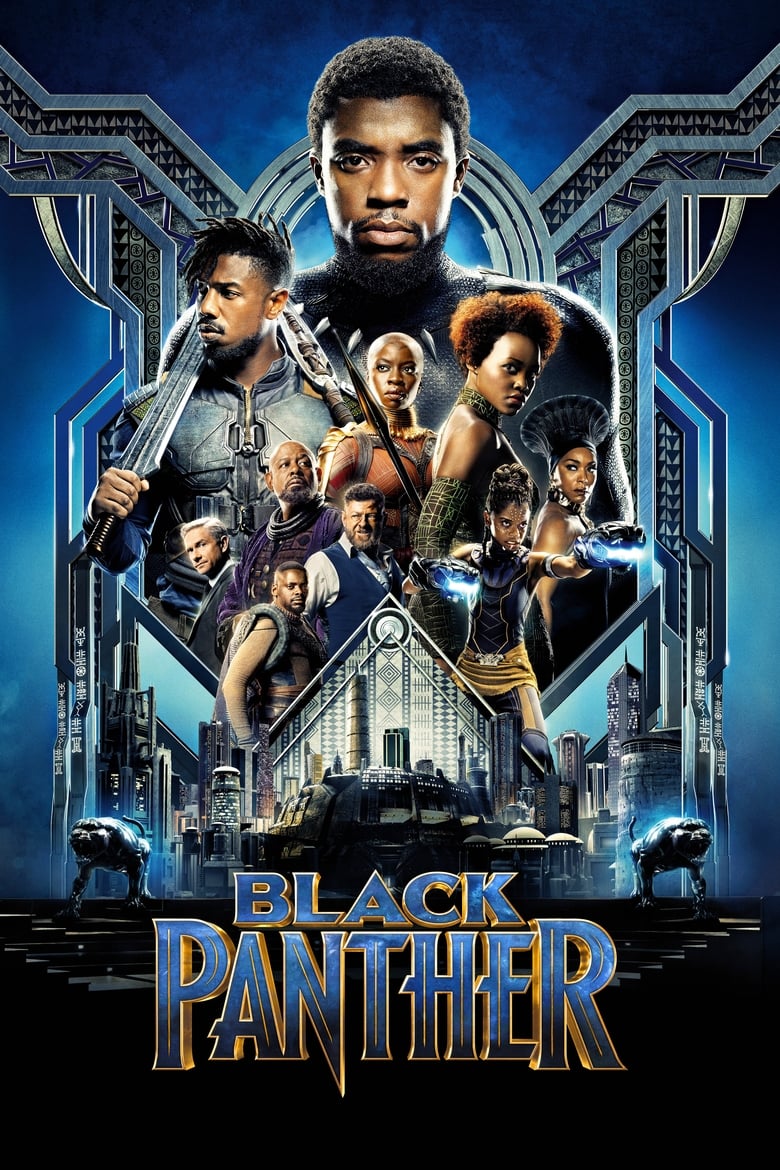
Staying inside the genre, it said something outside it, and was nominated for best picture.
Most of the films in this section are good films. Some are flawless. But none of them belongs to anyone. A director enters the series, does the job and leaves. The series goes on. Someone else makes the next one, and someone else the one after that. There is a style, but it belongs to nobody; there is a world, but whoever built it left long ago. America taught cinema this too: a film can be told forever without ever being anyone's.