Denmark · 1889–1968
Carl Theodor Dreyer
He entered cinema writing intertitles, then put the face where the text had been.
“Nothing in the world can be compared to the human face.”
Dreyer'in kendi yazısı, Thoughts on My Craft (1955); Dreyer in Double Reflection derlemesinde.
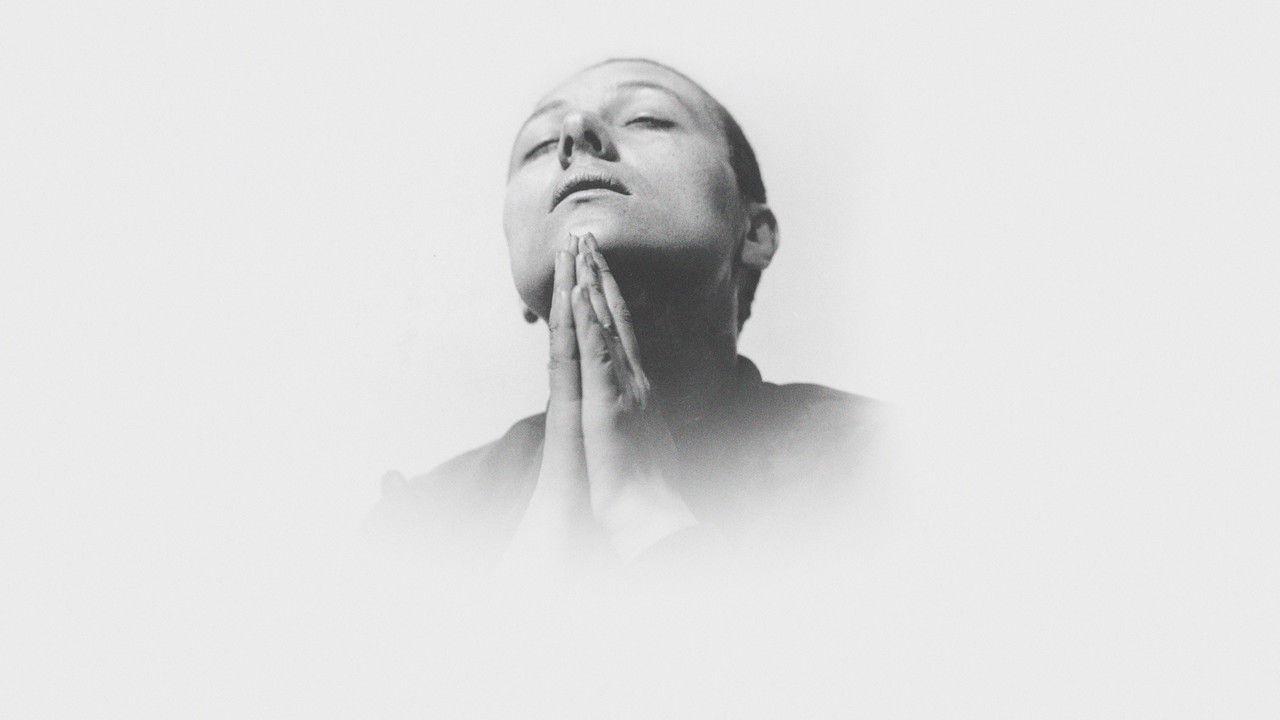
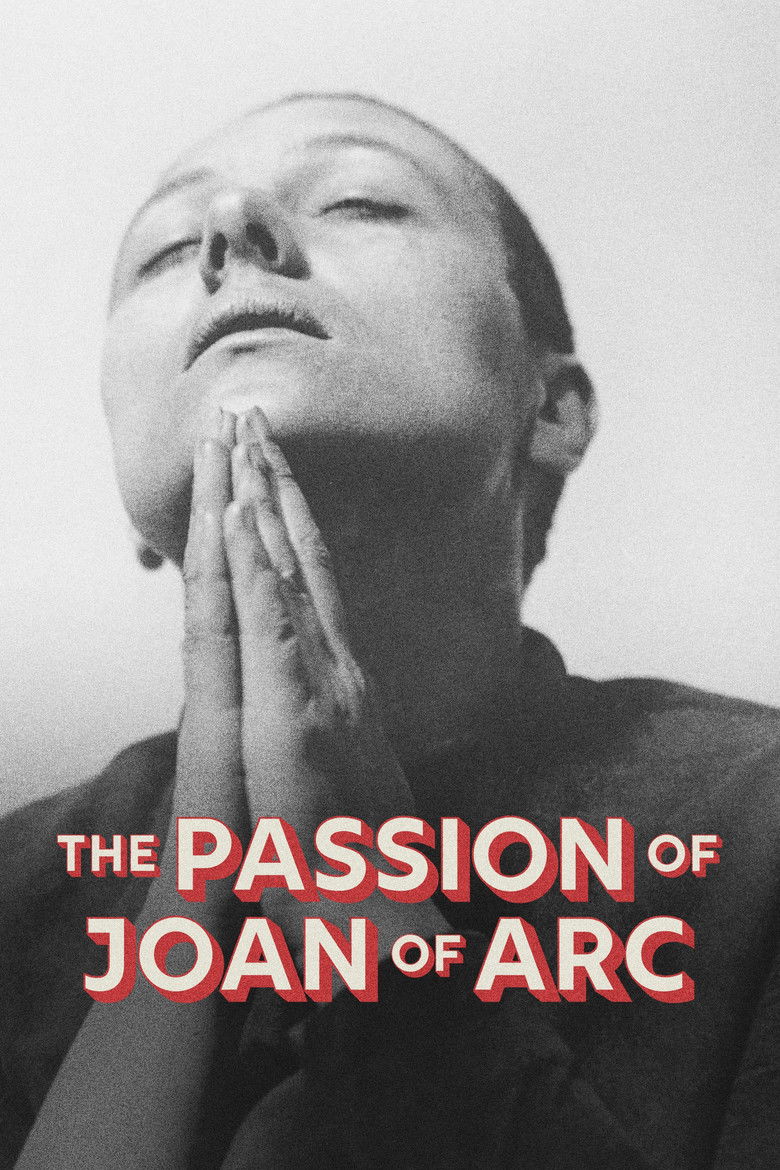
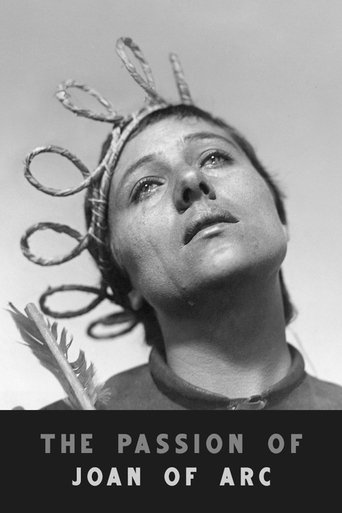
In Dreyer's best-known film there is almost no set; there are only faces. The close-up is not a device of emphasis but the film's entire language. Through the interrogation the camera never leaves the human face, and the viewer watches not a trial but the limit of what a face can bear.
What he wanted from a performer was not display but passage: to reach the deepest thought through the subtlest expression. That demand lengthened rehearsals, made shooting harder and slowed his career.
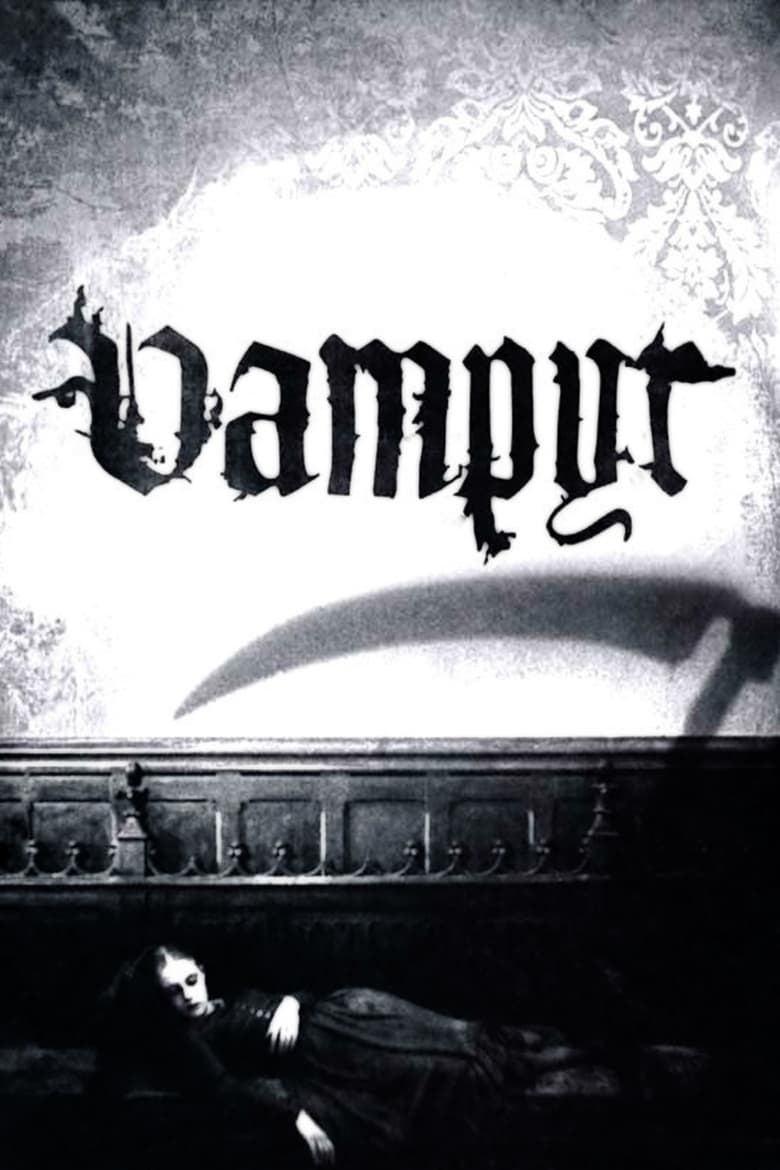
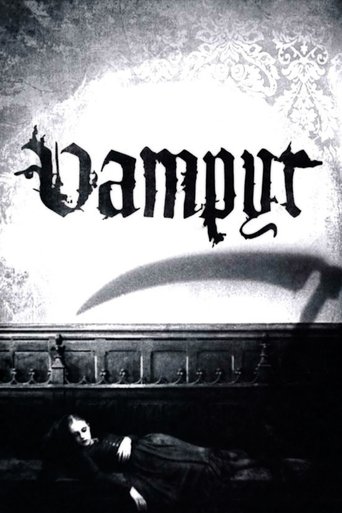
He worked with long gaps. At times a decade passed without a film, and the cause was not only his exactingness but the commercial failure of his work. To make one horror film he had to find a private benefactor.




Awards
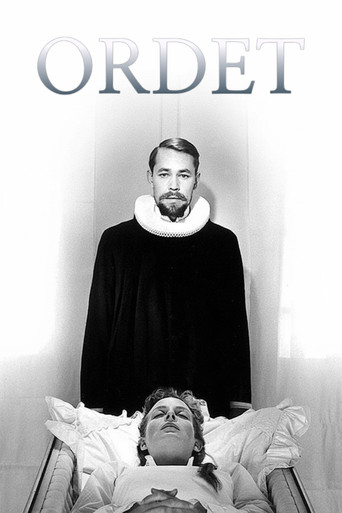
- Venice Film Festival · 1955 · won · Ordet