Country room
Denmark
Art becomes free when it gives itself rules.
Why would an artist tie their own hands?
The history of Danish cinema is not a list of prohibitions.
It is a list of things chosen.
In the spring of 1995 there was a celebration of cinema in Paris. The hundredth year. Speeches, applause, retrospective respect.
A Dane went up on stage and threw red leaflets into the hall. On the leaflet were ten rules.
Rule one: shooting must be done on location, no props or sets brought in.
Rule two: sound must not be produced apart from the image.
Rule three: the camera must be handheld.
Rule four: the film must be in colour, no special lighting.
And so it went on. No optical work. No superficial action. No genre film. The director must not be credited.
Some in the hall laughed. They took it for a joke.
It was not a joke, though it was not entirely serious either — which is the thing the Danes do best. Dogme 95 was written as a manifesto, delivered as a provocation, and worked as a method.
Within four years films made under those rules were showing at every festival in the world. Vinterberg's first Dogme film took place at a family dinner, and the family was finished before the dinner was. The camera shook, the light was poor, the sound raw. And the film was the harshest thing to come out of Denmark to that point.
Read more
The rules did not weaken the film. They only left the film alone with its story.
But this was not the first time.
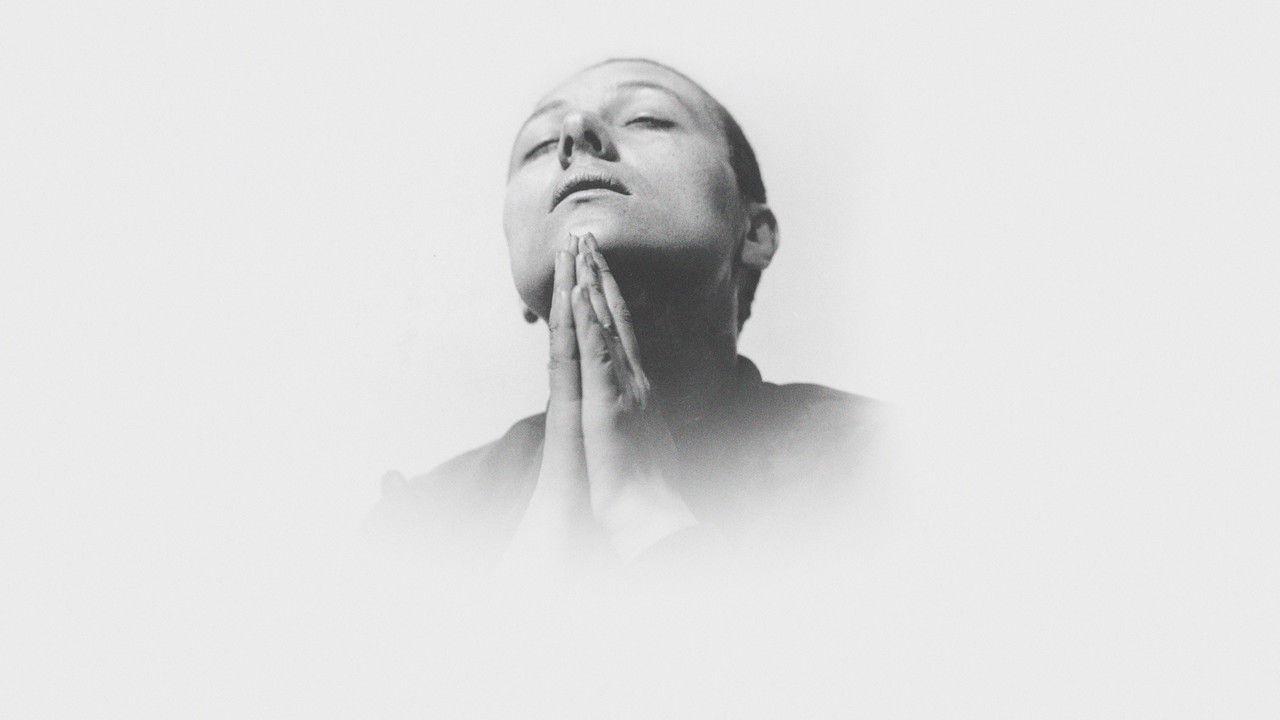
Seventy years earlier, in the first years of sound, Carl Theodor Dreyer made a film set in a courtroom and filmed almost nothing but faces. No make-up. No wide shots. A woman's face, the faces of her interrogators, and the space between.
Falconetti's face in that film is considered one of the most written-about faces in cinema. Dreyer gave her nothing else. He did not want to.
He did the same in the films that followed: few locations, little movement, long silences. In Ordet a miracle occurs, and at the moment it occurs almost nothing happens — the camera does not move, no music enters. The miracle stays a miracle because it is left plain.
There is a long silence in between. After Dreyer, Danish cinema shrank, turned inward, made comedies and family films. The world did not notice.
Then, in the nineties, those red leaflets.
Today nobody follows the Dogme rules — the manifesto had foreseen its own end. But what it left remains: making a film in Denmark still begins with choosing a limit.
Vinterberg built a film on a single experiment: what happens if four teachers stay mildly drunk all day. Refn made a gangster film showing almost no violence. Bier's films always start in the same place — a family, a lie, and how many people that lie can carry.
This room is not defending the virtue of rules. Imposing rules can be its own kind of display, and often has been.
What it describes is smaller: a country learning to speak more clearly by reducing its options.
The last rule on those red leaflets was this: the director must give up personal taste.
Nobody kept it. But that they tried says something.
The Chain
Ninety years, sixteen films
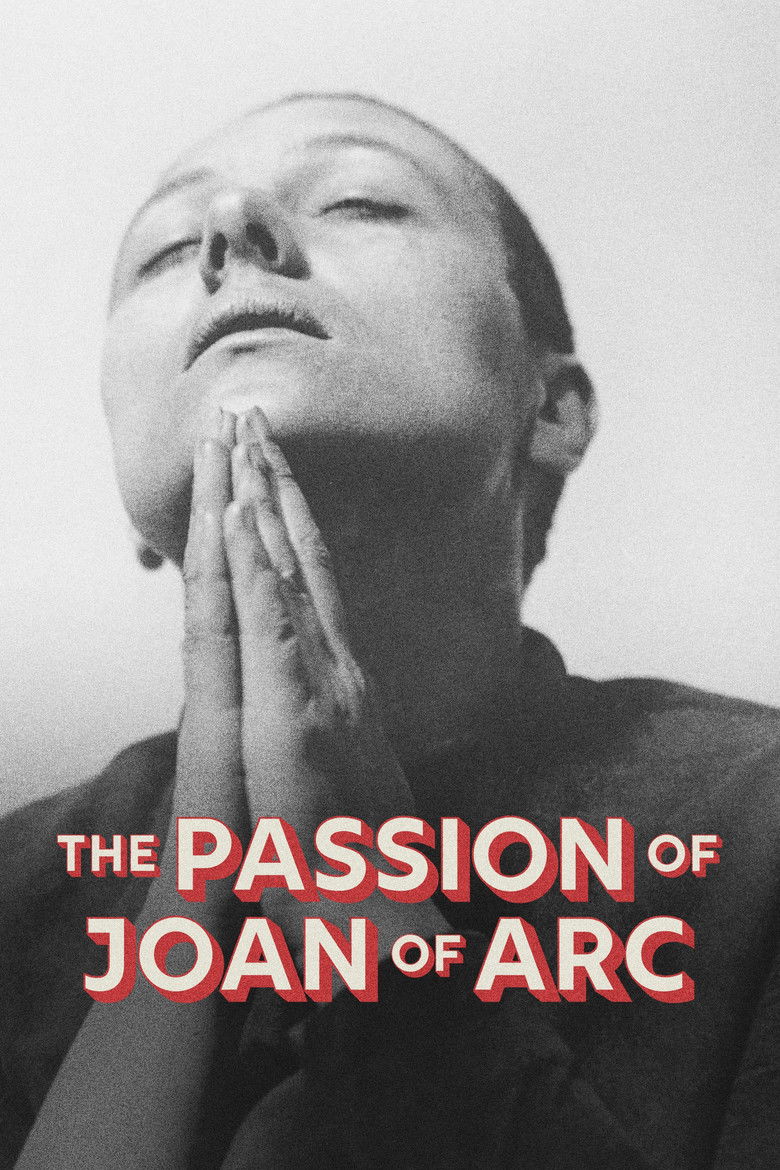
The Passion of Joan of Arc
A courtroom and almost nothing but faces; Dreyer banned make-up and the wide shot, and gave Falconetti nothing else.

Ordet
Faith, madness and finally a miracle on a farm; at the moment the miracle occurs the camera does not move and no music enters.

Gertrud
A woman who leaves her husband, and people who do not look at each other while speaking; Dreyer's last film, mocked on release, now taken as a masterpiece.

Hunger
A starving writer walking the streets of Kristiania; from Hamsun's novel, the film that broke Denmark's silence after Dreyer.

Babette's Feast
In a strictly religious coastal village a French refugee prepares one dinner; it brought Denmark its first Oscar.

Pelle the Conqueror
A father and son who come from Sweden to work in Denmark; it took both the Palme d'Or and the Oscar — Denmark's international return.

Breaking the Waves
A woman caught between faith and desire, and the husband who pushes her there; the first film in which von Trier never puts the camera down.

Pusher
A week in the life of a Copenhagen drug dealer; Refn was twenty-five and filmed the city with a harshness nobody had seen.

Festen
At a father's sixtieth birthday dinner the eldest son raises a glass and speaks; the first Dogme film and the proof that the rules worked.

Dancer in the Dark
A factory worker losing her sight builds musicals in her head; it won the Palme d'Or and Björk barely acted in a film again.

Adam's Apples
A neo-Nazi is placed in a church for rehabilitation and cannot break the priest's optimism; the darkest example of Danish humour.

After the Wedding
A man running an orphanage in India is called to Denmark for a donation and meets his past at a wedding; every Bier film begins with a lie.

A Royal Affair
An insane king in the eighteenth century, his wife and his doctor; the Danish Enlightenment told through a love triangle.

Land of Mine
After the war German boy prisoners are made to clear mines from Danish beaches; based on true events, the most uncomfortable film Denmark has made about its own history.

The Guilty
An emergency dispatcher and a single telephone line; the film never leaves that room and the viewer builds everything.

Another Round
Four teachers try staying mildly drunk all day; Vinterberg lost his daughter at the start of the shoot and dedicated the film to her.
Directors in this room