Belgium · 1950–2015
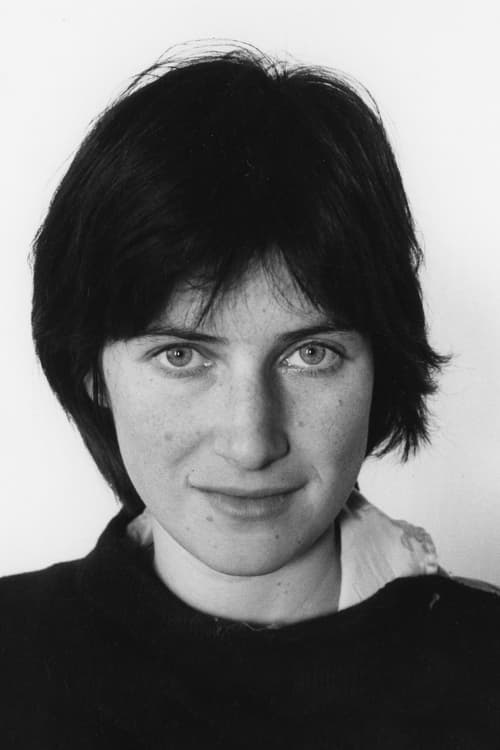
Chantal Akerman
She financed her first short by trading shares on the stock exchange.
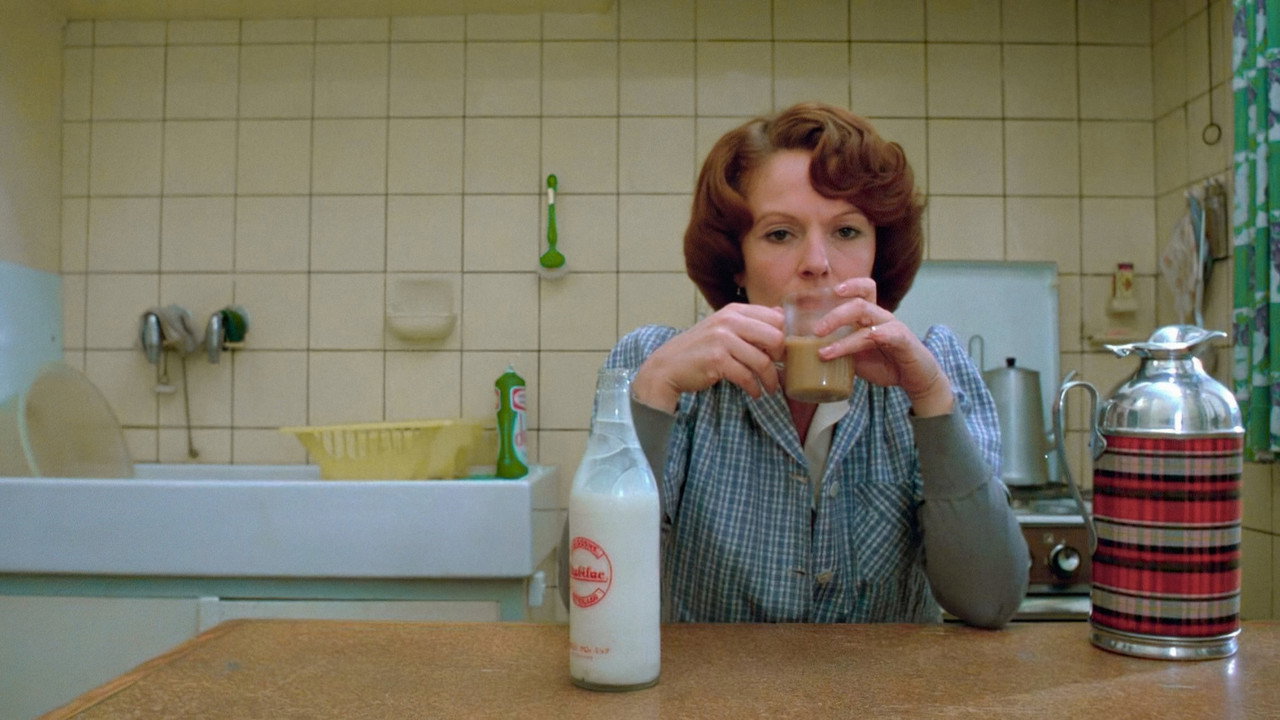
Akerman's cinema takes time as a material. A woman peels potatoes, makes a bed, checks the clock; the camera does not cut and the viewer lives the real duration of that work. This is no test of patience but a proposal of equality: housework too is an event worth narrating.
Her frame is fixed and at eye level. There is almost no close-up, no enlarged face; space and person stand at the same scale. The viewer therefore finds for themselves where the feeling comes from; the film does not point at it.
Her family's past lies beneath the work and is never recounted. What comes from her mother is not a subject but a rhythm: repetition, order, silence. She described her best-known film as one made for her mother, and that film shows how a daily order cracks.
Where to start
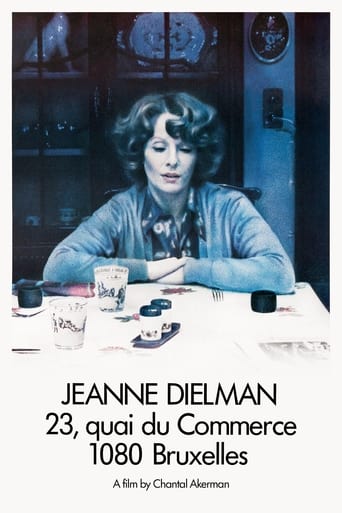
 Jeanne Dielman, 23 Quai du Commerce, 1080 Bruxelles 1976
Three days of housework in real time; when the order breaks, so does the film.
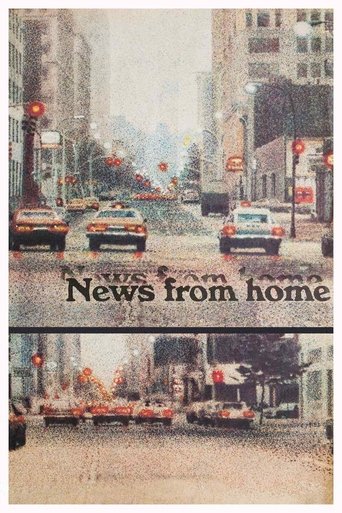
 News from Home 1977
New York streets with a mother's letters read over them; two cities at once.
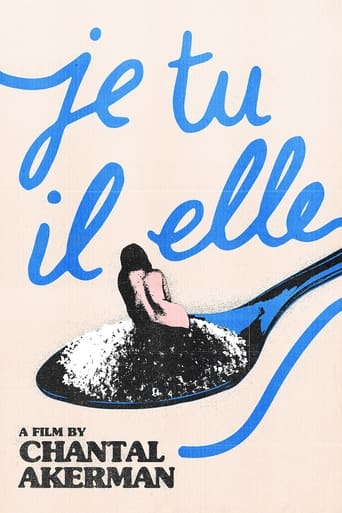
 Je tu il elle 1974
A room, a road, an encounter; solitude in three movements.