Country room
Belgium
Belgium has cinemas, but there is no Belgian cinema. The country produces two separate ones in two languages and they hardly ever meet — the Flemish side works for its own audience, the Walloon side goes to the festivals. One country, two different trades.
Can a country working in two languages have a single cinema?
1966 → 2025

The Man Who Had His Hair Cut Short
The film taken as the start of Flemish cinema. A teacher's obsession stops distinguishing the real from the imagined, and the country produces an auteur in its own language for the first time. Five years later the same strand abandons realism altogether.

Daughters of Darkness
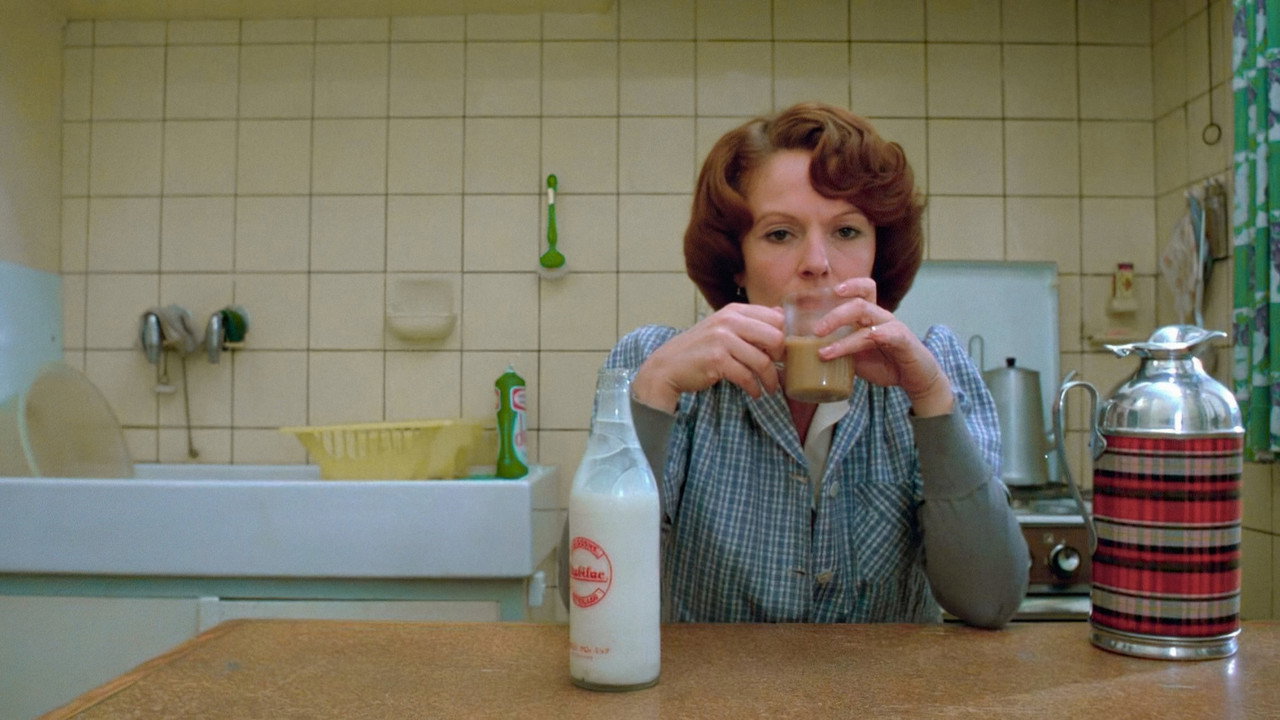
An off-season hotel in Ostend, a countess, and the slowest vampire film in Europe. The strange strand of Belgian cinema becomes visible here. On the other strand, in Brussels, a woman starts peeling potatoes.

Jeanne Dielman, 23 Quai du Commerce, 1080 Bruxelles
Three days, one flat, nothing shortened. Akerman changes what cinema considers worth showing, and she does it at twenty-five. On the Flemish side, meanwhile, the audience wants something else.
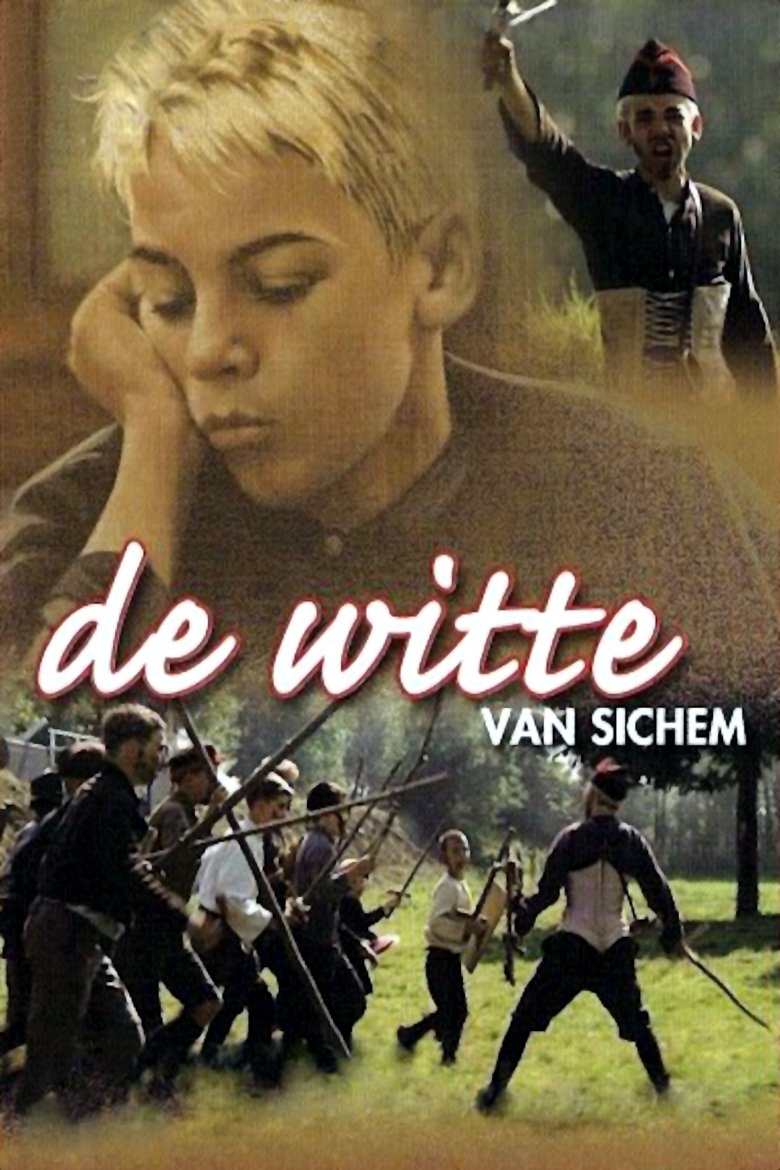
Whitey
A village novel, familiar faces, full houses. Flemish cinema forms its relationship with its own audience here and never lets it go. Ten years later, on the francophone side, a first film comes back from Cannes with a prize.

Toto the Hero
Old Thomas believes he was swapped at birth and builds his whole life on that belief. One of Belgium's first major international breakthroughs. The following year the same strand tries something far more uncomfortable.

Man Bites Dog
A documentary crew filming a killer becomes his accomplice. Made on almost no money, it became one of the Belgian films most often cited abroad. Four years later, in the Liège basin, two brothers move from documentary to fiction.

La Promesse
Camera on the shoulder, behind the character, no cutting. The Dardenne method settles here and stays underneath every film Belgium sends abroad for the next thirty years. Three years later that method takes the top prize at Cannes.

Rosetta
The Palme d'Or. Rosetta wants only a job, and the film will not leave her; Belgium's international name is made with this film. Four years later a different kind of success arrives on the Flemish side — not from a festival but from the box office.

The Memory of a Killer
A hitman with Alzheimer's and the Antwerp thriller. Flemish genre cinema acquires an international language with this film and never loses its audience. Two years later Cannes gives a second Palme d'Or to the same two brothers.
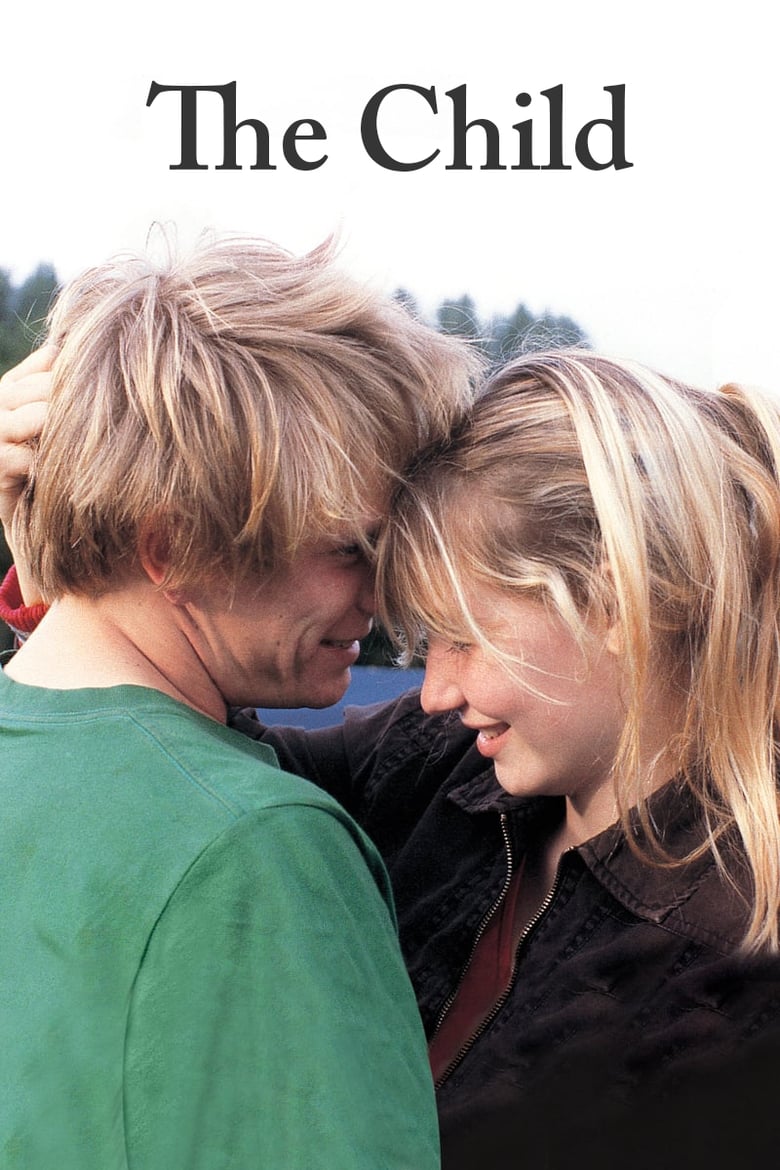
The Child
Bruno thinks selling his baby is also a piece of business. A second Palme, and Belgium's place at Cannes is now permanent. On the other strand a new name tells the story of a drunken family as comedy.

The Misfortunates
Gunther grows up with his father and uncles and all of them drink. Flemish cinema finds here its own tone, one that makes you laugh and hurts at the same time. Three years later the same director carries that tone into a film about grief.

The Broken Circle Breakdown
A couple playing bluegrass on a Flemish farm and the daughter they lose. An Oscar nomination goes to the Flemish strand. Six years later a Flemish twenty-six-year-old takes the first-feature prize at Cannes.

Girl
The camera clings to Lara's body as she trains in ballet, and the film was both praised and sharply contested. Three years later, on the Walloon side, the camera drops to a child's height.

Playground
Seventy-two minutes, one schoolyard, and we never see the adults' faces. The Dardenne method has passed to a new generation. The following year the Flemish side takes the second-highest prize at Cannes.

Close
Something breaks when the closeness between two boys becomes talked about at school. The Grand Prix at Cannes and an Oscar nomination — the Flemish strand is now at the summit too. Three years later the brothers are still in the same basin, working the same way.

Young Mothers
Thirty years on, the camera is still on a shoulder and still walking behind a woman. The chain does not end where it began, but it ends with the same method.
Directors in this room