United States · 1889–1977
Charlie Chaplin
When sound arrived he held out for thirteen more years without speaking, and did not lose his audience.
THE WORLD OF Charlie Chaplin
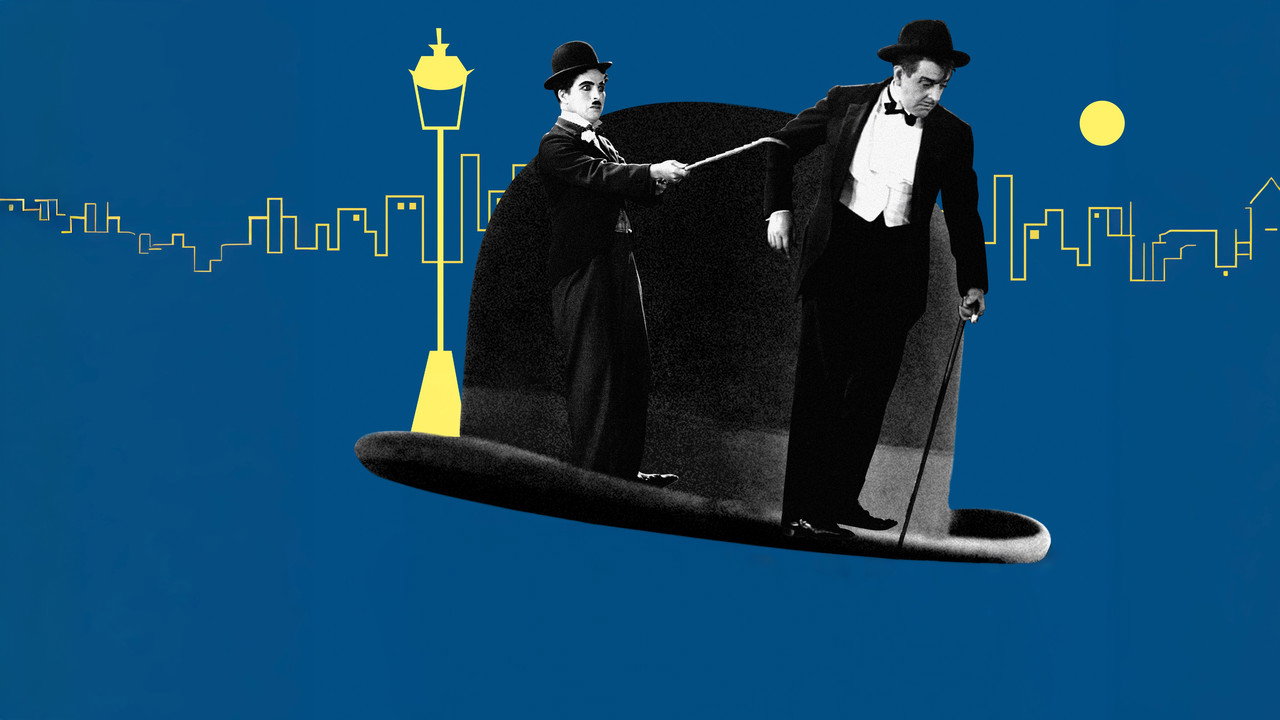
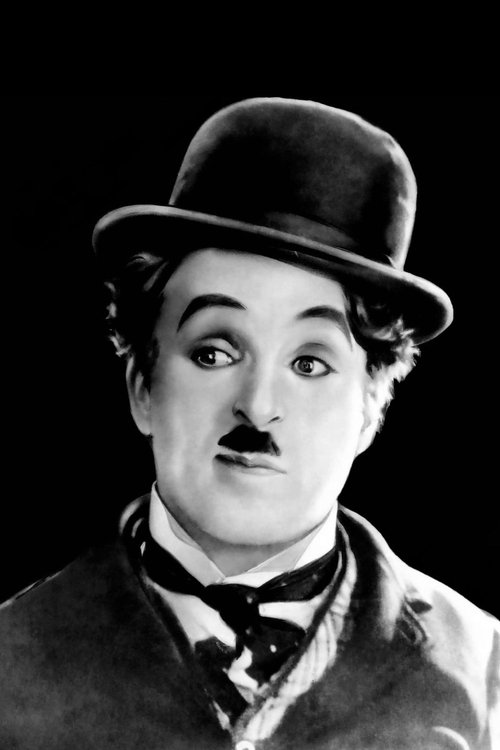
A cane, a tight jacket, baggy trousers, huge shoes, a little moustache. Chaplin's Tramp is poor but never humiliates himself; he runs from the police, falls in love with a flower girl, raises an abandoned baby. All over the world people who did not speak his language recognised him at first sight.
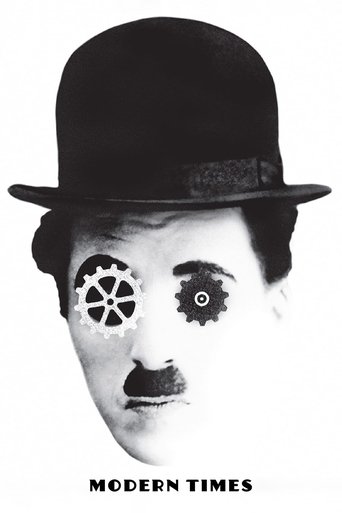
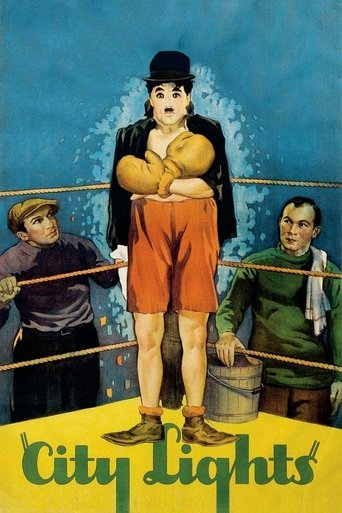
When sound arrived, Chaplin stayed silent for years. City Lights was a silent film, and at its end the flower girl, her sight restored, realises the moment she touches his hand that the rich man who helped her was this tramp all along. It is one of the simplest and heaviest endings in cinema. In Modern Times a worker turning among the gears of the factory taught us to laugh at a world becoming a machine.
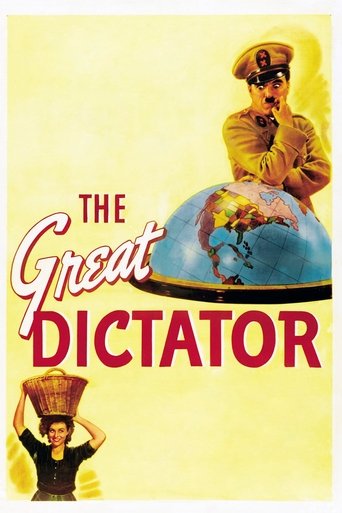
In The Great Dictator he finally spoke: he mocked Hitler, then turned to the camera and made an appeal to humanity. Years later he was barred from returning to America and settled in Europe. But the Tramp's walk, the man who shrugs at the end of the road and sets off again, could never be exiled anywhere.
- CameraWide and fixed; the whole body always visible.
- SoundHis own score; machine noise; the absence of speech.
- SignatureTwo figures walking away down a road, backs turned.
Where to start
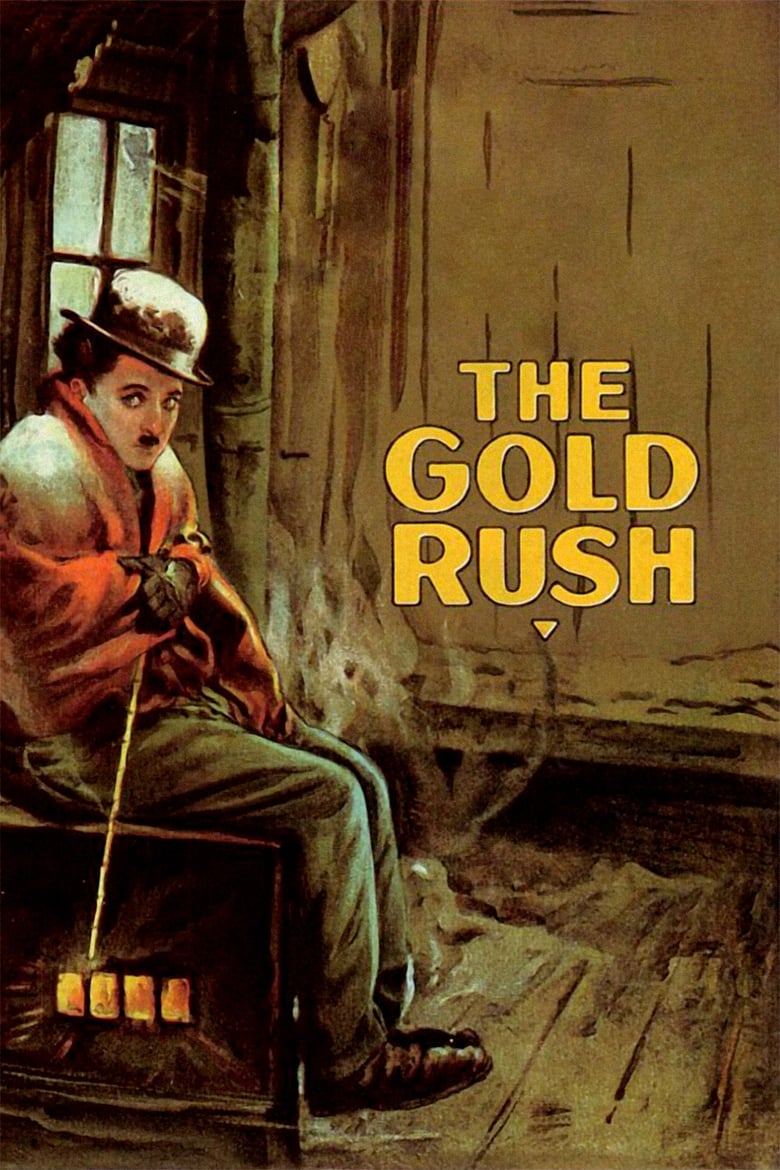
Canon films



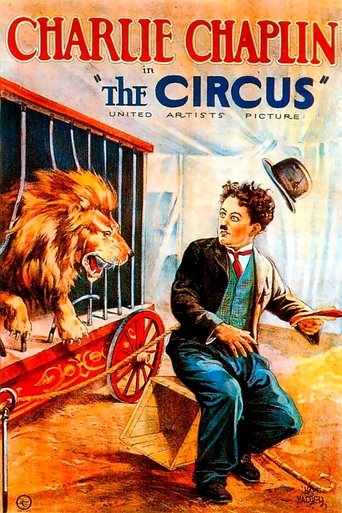
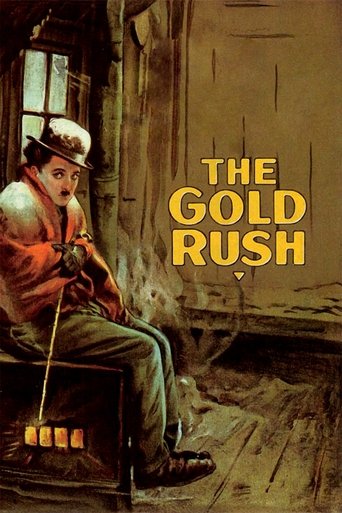

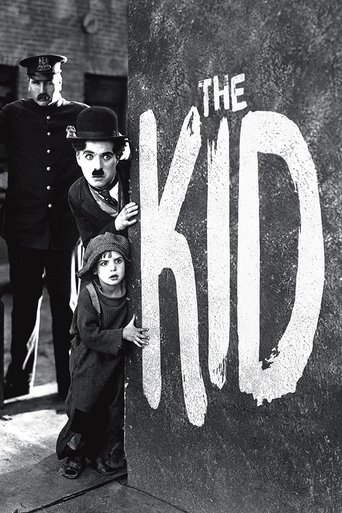
Awards
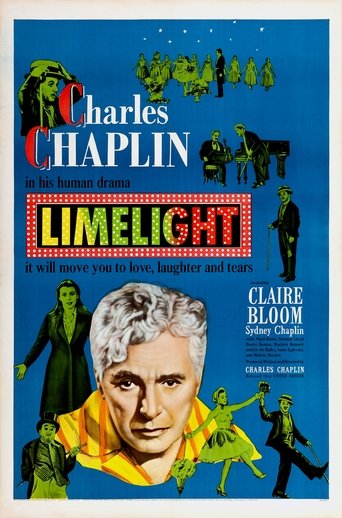
- Academy Awards · 1972 · won · Limelight
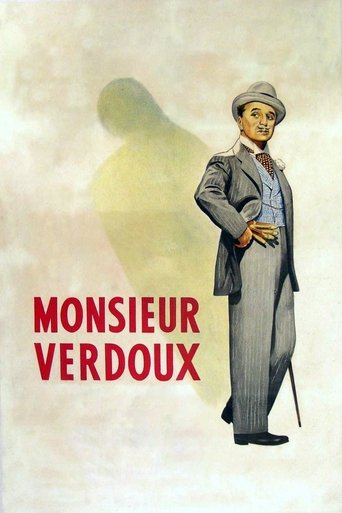
- Writing (Original Screenplay)Academy Awards · 1947 · nominated · Monsieur Verdoux
- Music (Original Score)Academy Awards · 1940 · nominated · The Great Dictator
- Writing (Original Screenplay)Academy Awards · 1940 · nominated · The Great Dictator
- Directing (Comedy Picture)Academy Awards · 1927 · nominated · The Circus
- Writing (Original Story)Academy Awards · 1927 · nominated · The Circus