United States · 1939
Francis Ford Coppola
He founded his own company to stay independent of the studios, and that company put him into debt again and again.
Coppola's best-known films are built on family, but what they describe is inheritance rather than kinship. Who will take over, what the successor will lose, how an order sustains itself.
He was not afraid of grandeur. Large orchestras, long ceremonial scenes, opera; he set these inside a crime narrative and carried genre cinema beyond its own scale.
He went on shooting with his own money at risk, and that shaped the form of the films: the possibility of losing control is always inside the frame.
In the transformation of American cinema in the seventies, the greatest success and the greatest risk were carried by the same person.




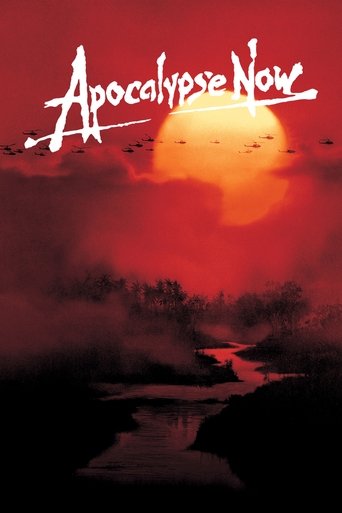
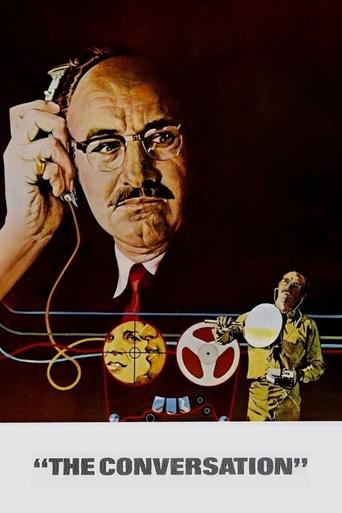
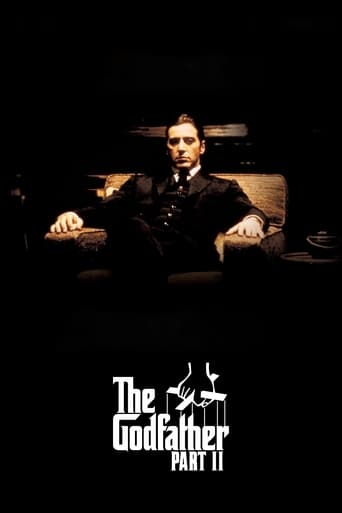
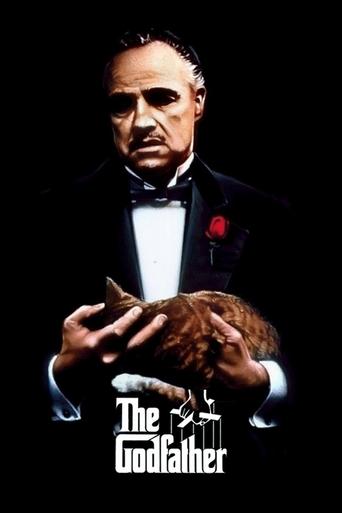
Awards
- Best DirectingAcademy Awards · 1990 · nominated · The Godfather Part III
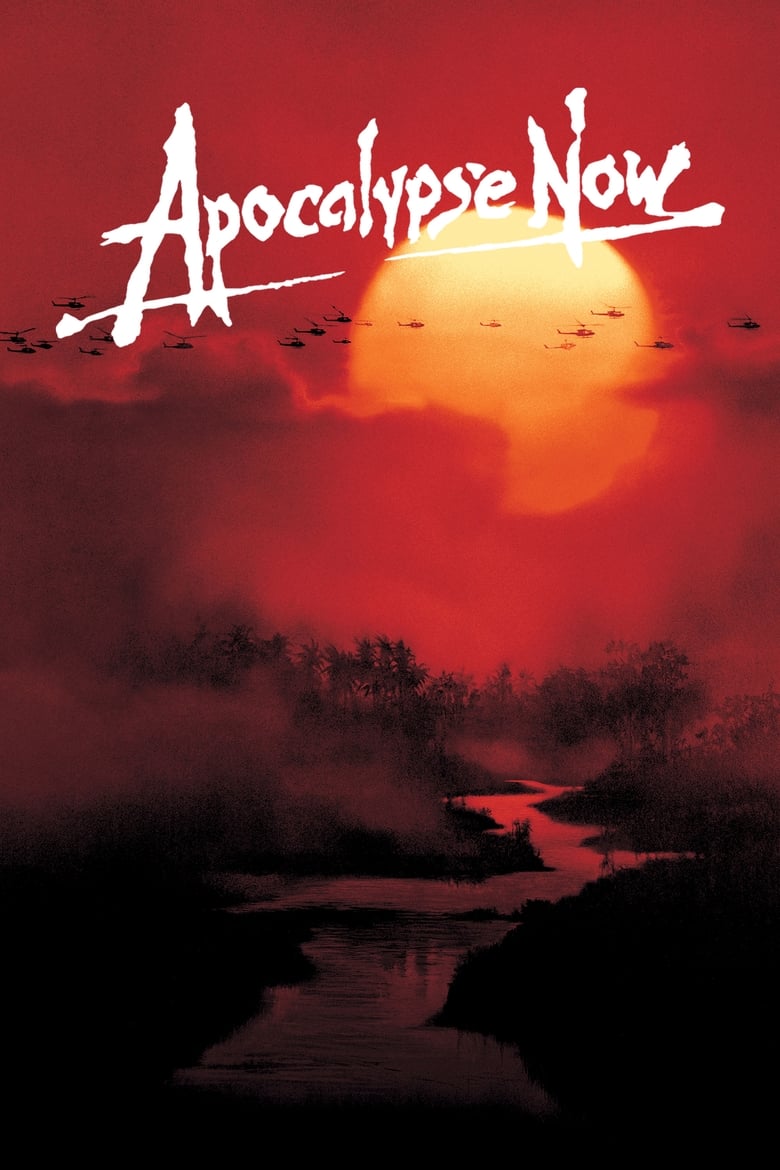
- BAFTA · 1979 · won · Apocalypse Now
- David di Donatello · 1979 · won · Apocalypse Now
- Writing (Screenplay – Based on Material from Another Medium)Academy Awards · 1979 · nominated · Apocalypse Now
- DirectingAcademy Awards · 1979 · nominated · Apocalypse Now
- Academy Awards · 1974 · won · The Godfather Part II
- Academy Awards · 1974 · won · The Godfather Part II
- Writing (Original Screenplay)Academy Awards · 1974 · nominated · The Conversation
See all · 17
- Best DirectionBAFTA · 1974 · nominated · The Conversation
- Best ScreenplayBAFTA · 1974 · nominated · The Conversation
- Academy Awards · 1972 · won · The Godfather
- Best DirectingAcademy Awards · 1972 · nominated · The Godfather
- Academy Awards · 1970 · won · Patton
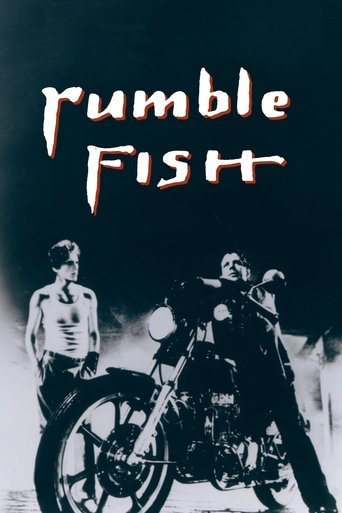
- San Sebastián International Film Festival · 1984 · won · Rumble Fish
- Cannes Film Festival · 1979 · won · Apocalypse Now
- Cannes Film Festival · 1974 · won · The Conversation
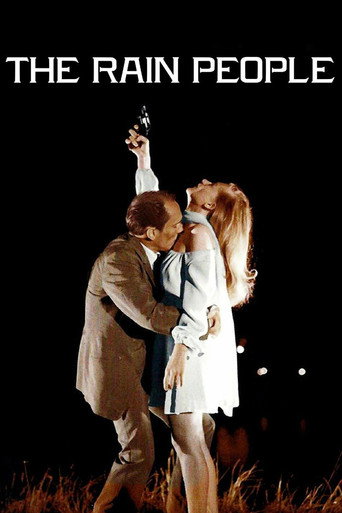
- San Sebastián International Film Festival · 1969 · won · The Rain People