United States
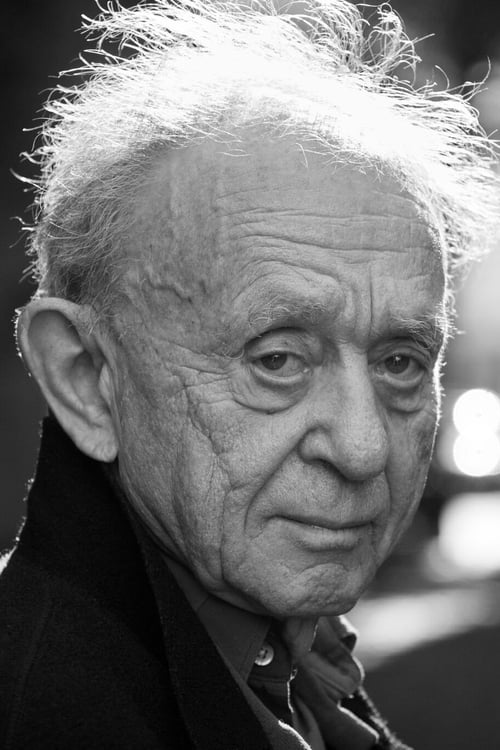
Frederick Wiseman
Nobody asks questions, nobody narrates — the institution simply runs.
There is no voiceover in a Wiseman film, no interview, no music, no caption. The camera enters an institution — a hospital, a school, a city hall, a museum — and films what happens there. It doesn't tell you who people are; it shows what they do.
The argument is built in the editing. A meeting is followed by a corridor conversation, then by someone filling in a form. Put side by side, the three reveal how the institution works. Wiseman doesn't tell you what to think; he arranges the order and leaves the conclusion to you.
His films are long because institutions are slow. A petition moving from desk to desk, a class reaching its end, a meeting breaking up — these take time. Shortening that time would destroy the thing he is describing.
- CameraObservational — nobody looks at the camera, nobody is asked anything.
- SoundOnly the sound of the place — no music, no narration at all.
- SignatureThe argument lives in the cutting — the order states the conclusion.
Where to start
Canon films