Directors/George Cukor

United States
George Cukor
The camera leaves the actor alone, and the scene grows from there.
Cukor's camera doesn't show off. It is put in the right place, stays there and makes room for the actor. That's why performances are what you remember from his films, not shots.
He knew how to put women at the centre. Clever women who use language and get the better of the person opposite — and who don't need rescuing. A scene is often a duel of talk, and who is winning becomes clear from the sentences.
He moved easily between theatre and film. His adaptations keep the air of the stage but take the camera off it: a close-up, a change of position, a mirror. The play becomes a film rather than remaining a play trying to look like one.
- CameraPlain placement and long takes — room for the actor.
- SoundQuick dialogue — the upper hand is won with a sentence.
- SignatureThe woman at the centre isn't waiting to be rescued.

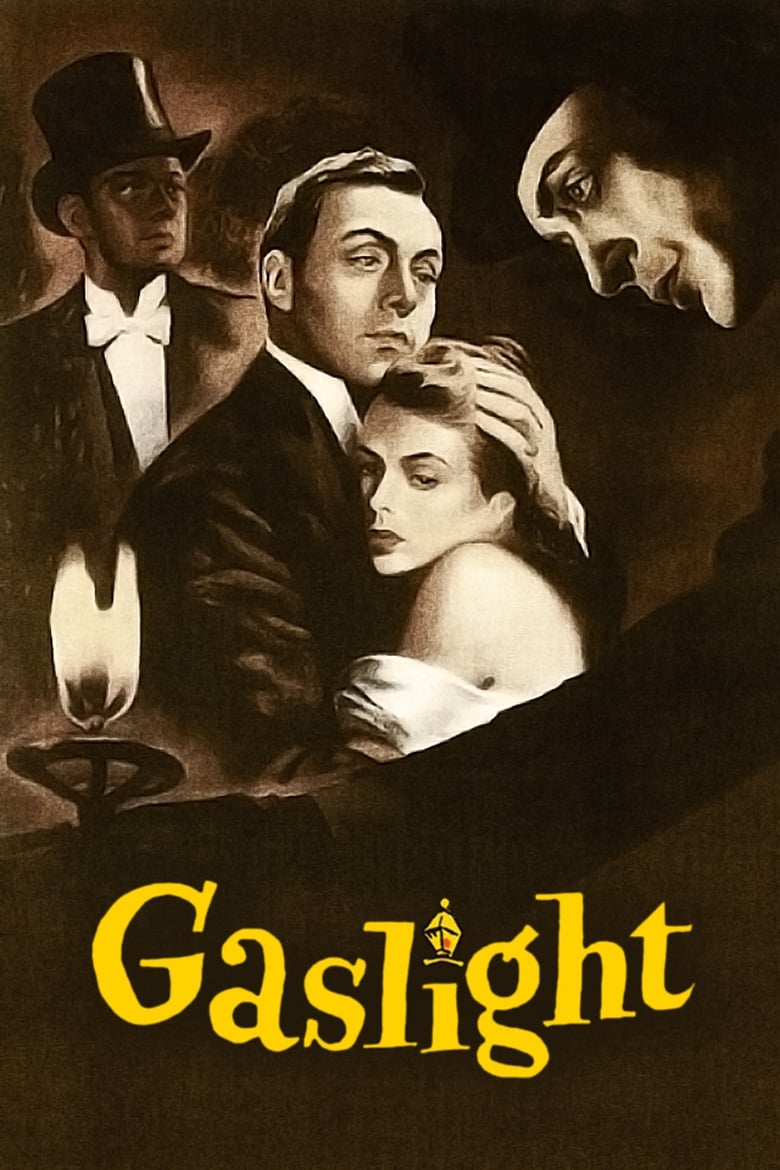


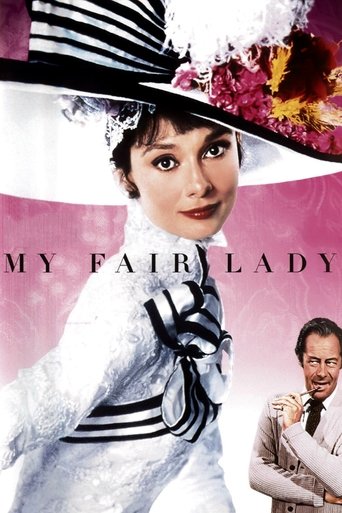
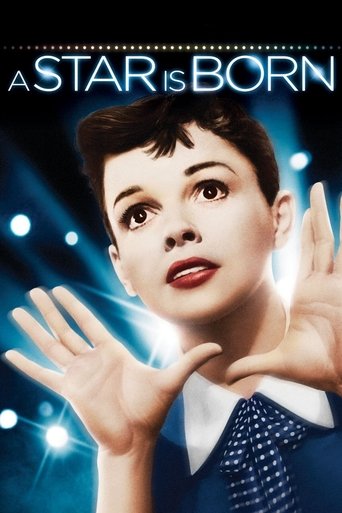
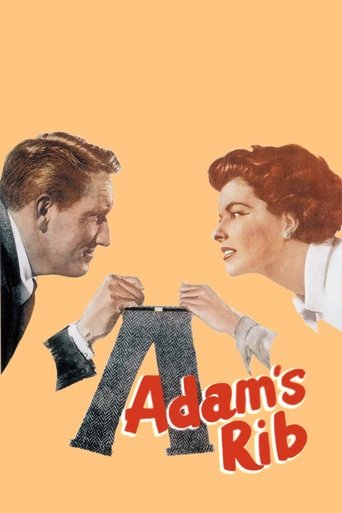
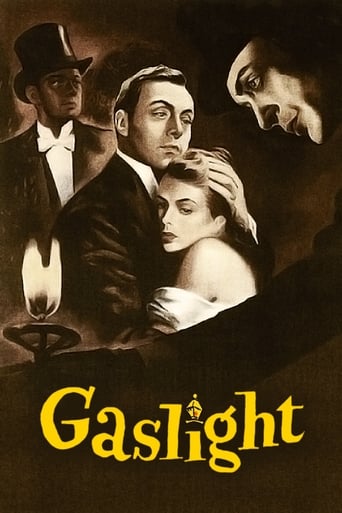
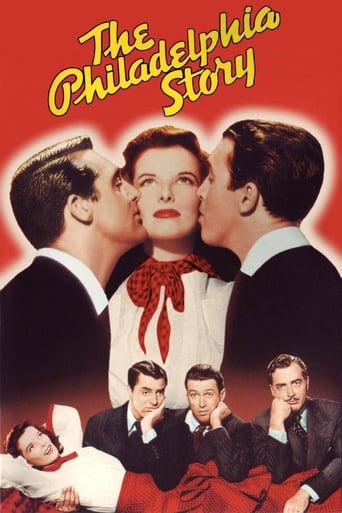

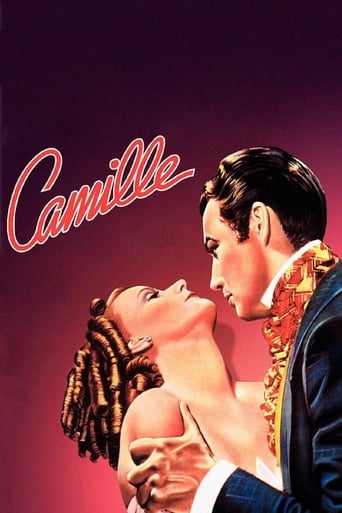
Awards
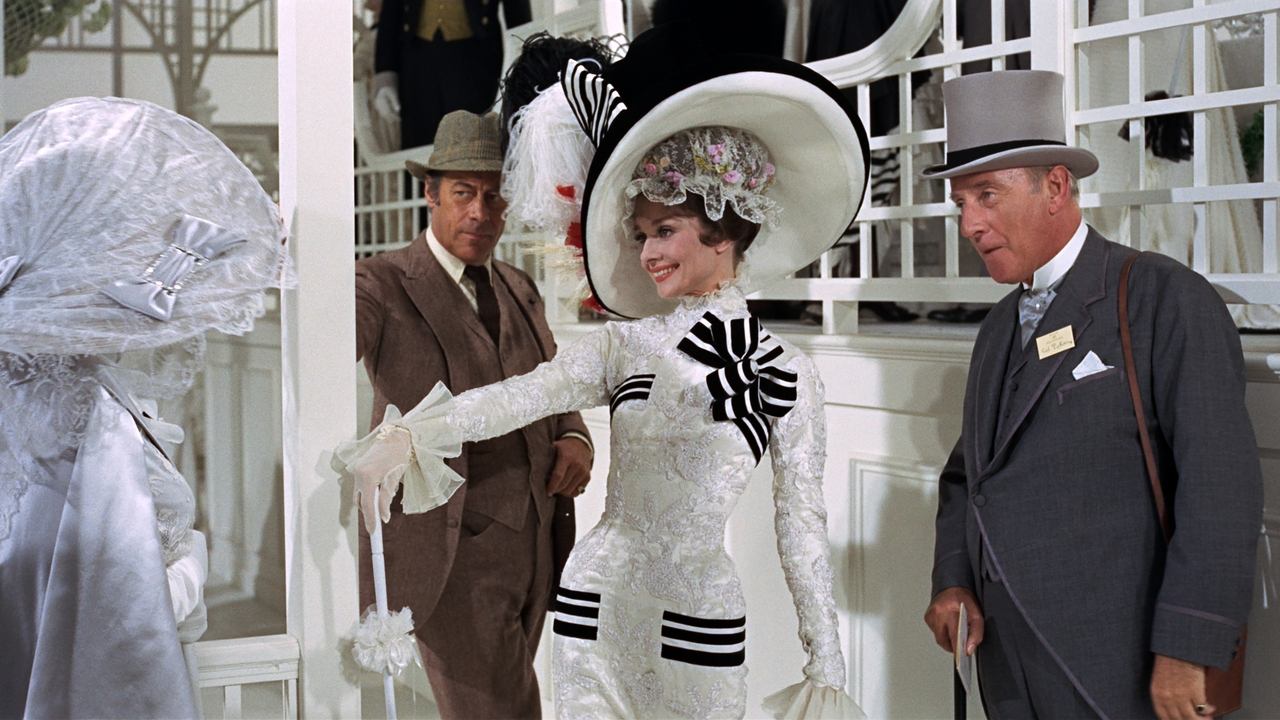
- Academy Awards · 1964 · won · My Fair Lady
- Best DirectingAcademy Awards · 1950 · nominated · Born Yesterday
- Best DirectingAcademy Awards · 1947 · nominated · A Double Life
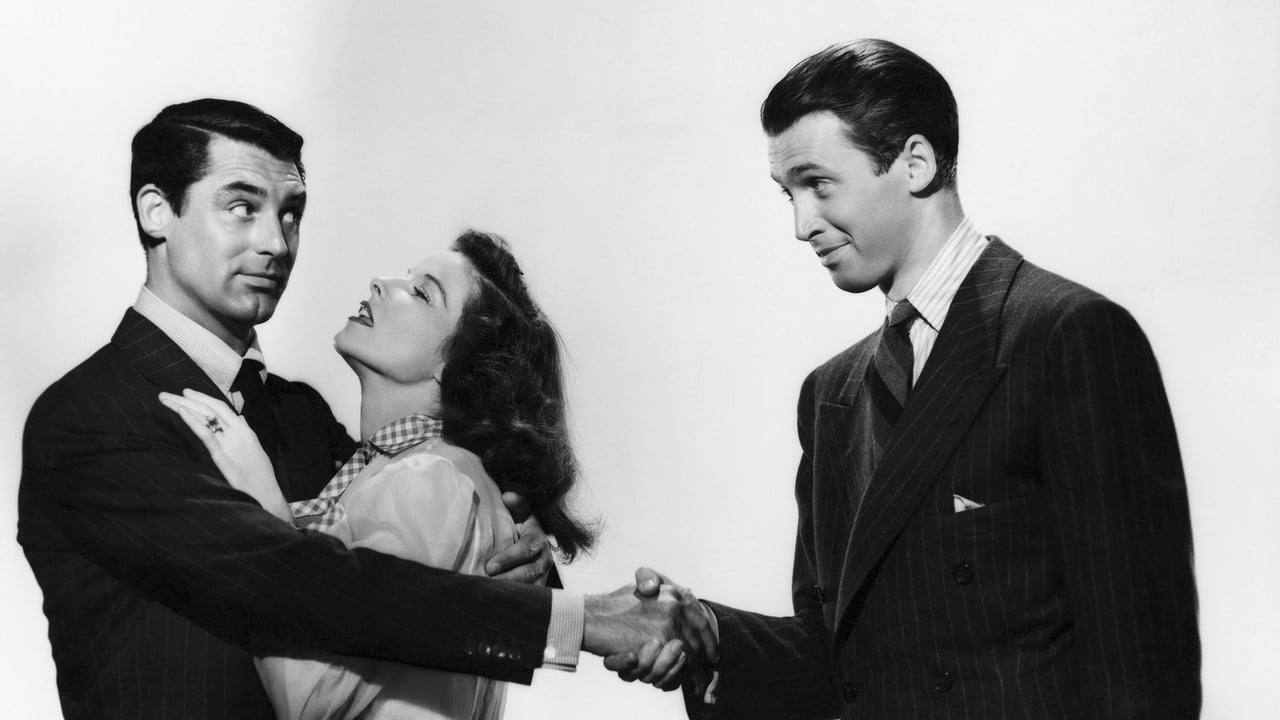
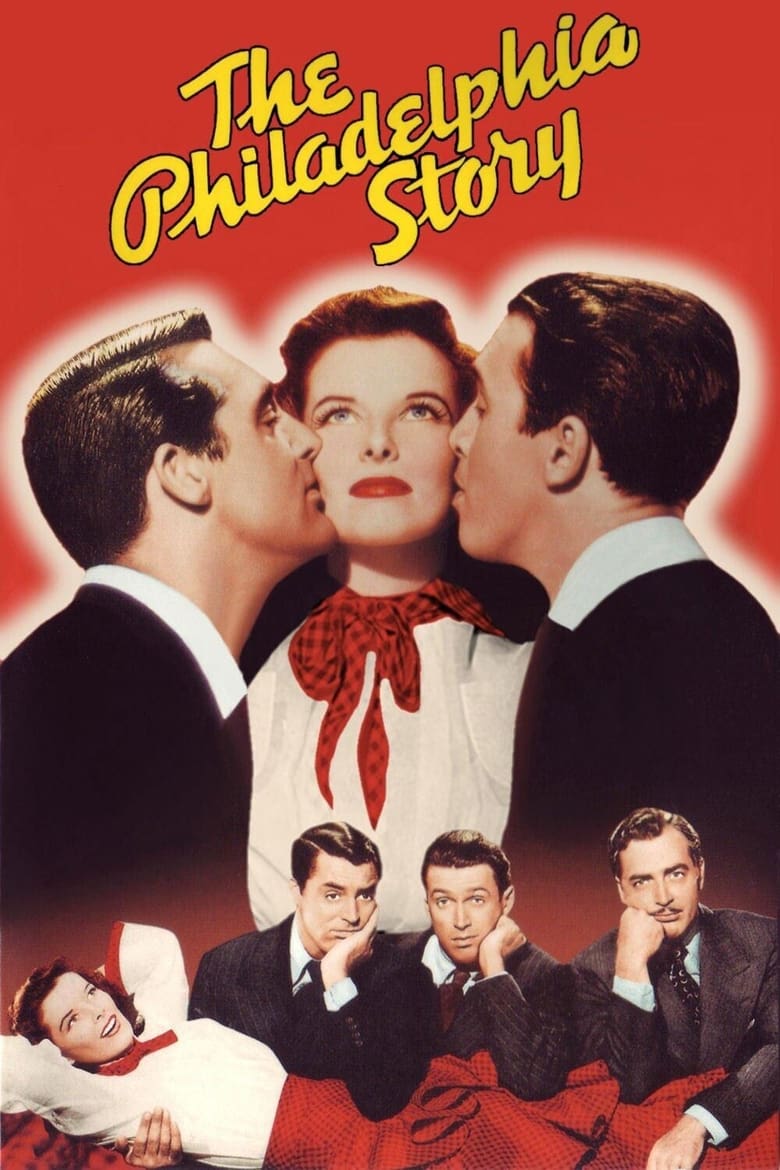
- Best DirectingAcademy Awards · 1940 · nominated · The Philadelphia Story
- Best DirectorAcademy Awards · 1933 · nominated · Little Women