Germany · 1885–1967
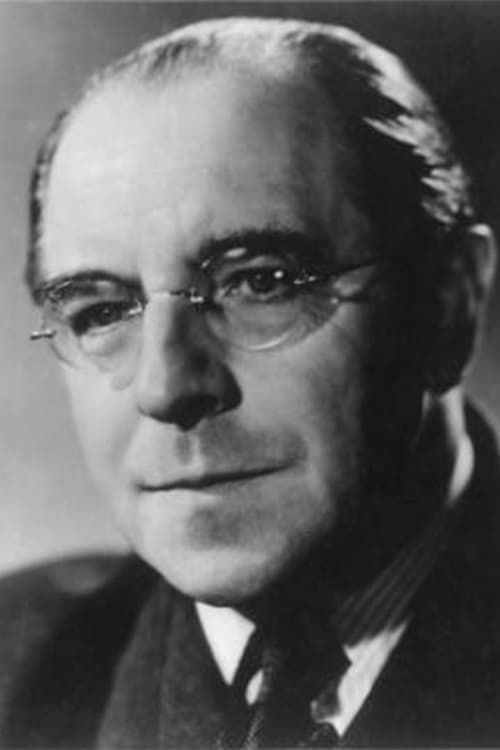
G.W. Pabst
He worked as a stage actor and theatre director in Europe and America before moving into film.
Pabst stepped out of the expressionist shadows of Weimar cinema and went down into the street. Inflation, unemployment, queues, rented rooms; his films showed how ordinary people tried to stay upright in the years of crisis.
His relation with the actor is his real signature. In his two best-known films he worked with the same American actress and filmed her not as a star but as a person at the centre of desire and punishment; the camera stays on the face and the viewer is pushed to understand rather than judge.
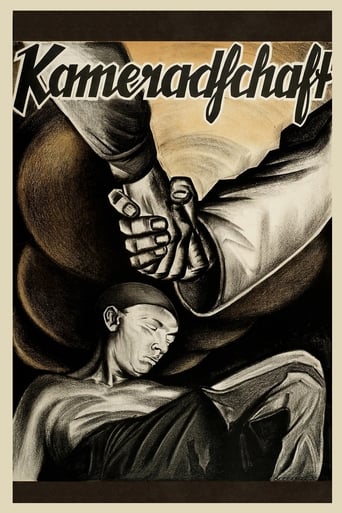
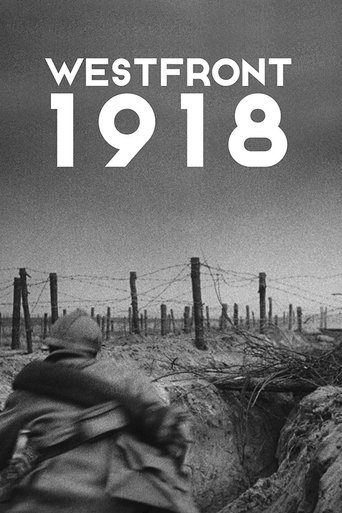
At the transition to sound he told war and solidarity. The trench film is not heroism but exhaustion; the mining film is about workers on both sides of a border helping one another. Fiction here comes close to the hardness of documentary.