United States · 1894–1973
John Ford
He returned to the same valley again and again, and with each return his view of America hardened a little more.
“My name is John Ford. I make Westerns.”
Yönetmenler Birliği (DGA) toplantısı, 1950 — sinema tarihinde kayıtlı
THE WORLD OF John Ford
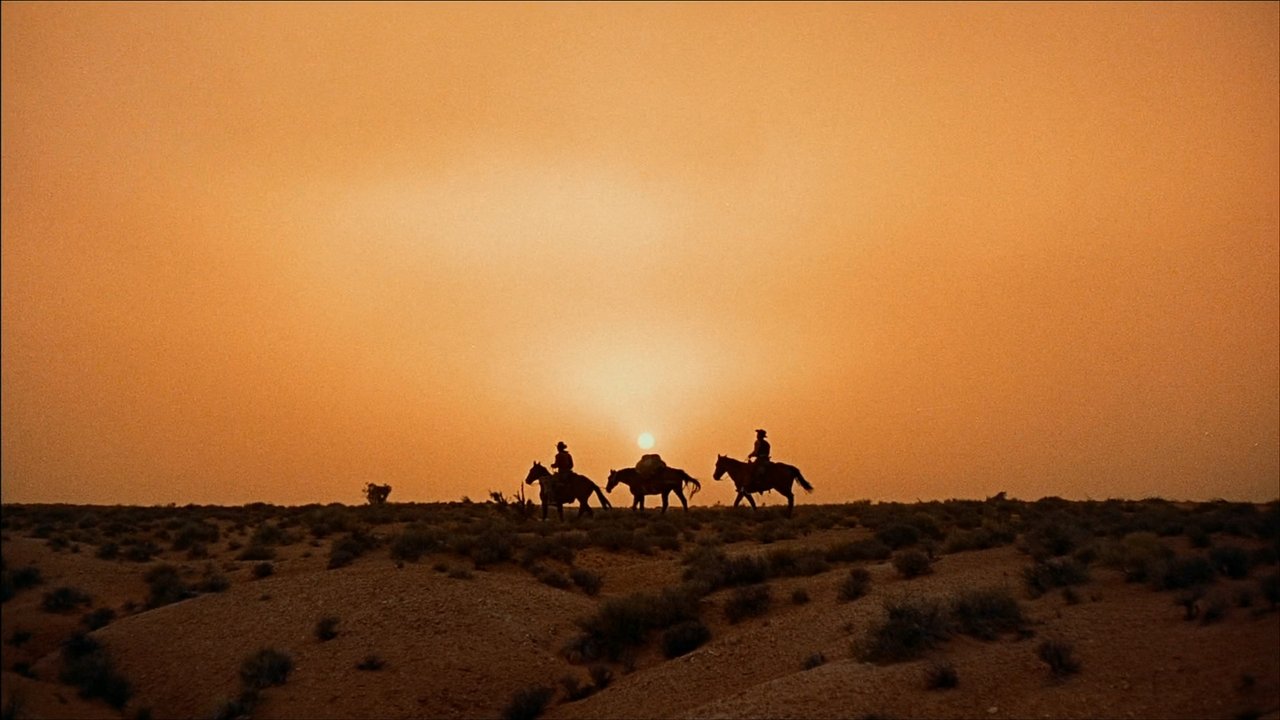
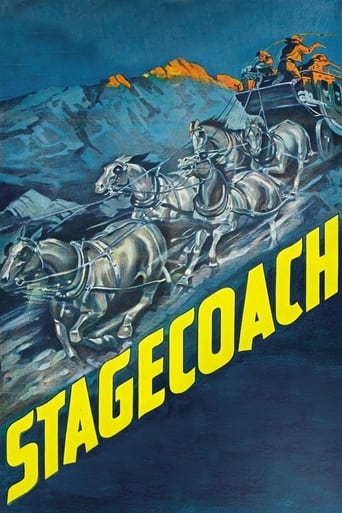
Ford's West was built among the red rocks of Monument Valley, and those rocks became the American legend itself. In Stagecoach a coach crosses the desert carrying passengers from every corner of society; John Wayne becomes a star in the moment the camera suddenly rushes toward him, standing in the middle of the road with his rifle.
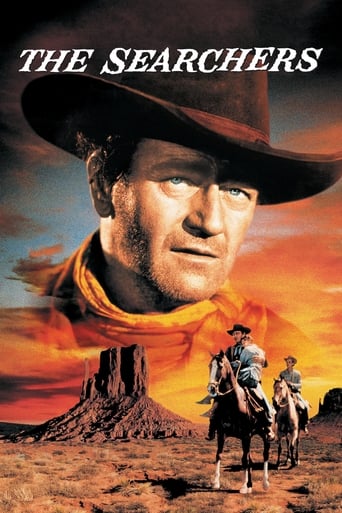
But while building the legend, Ford also knew how to question it. In The Searchers Wayne's Ethan spends years looking for a niece abducted by Comanches, and slowly we see how much hatred is carried inside his search. At the end everyone goes into the house and the door closes behind Ethan; he stays outside, alone in the desert.
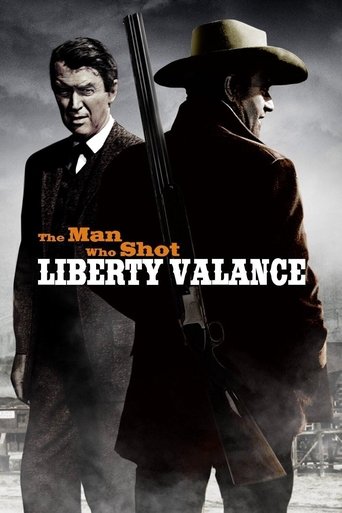
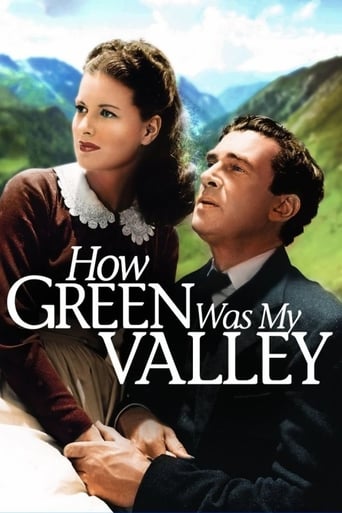
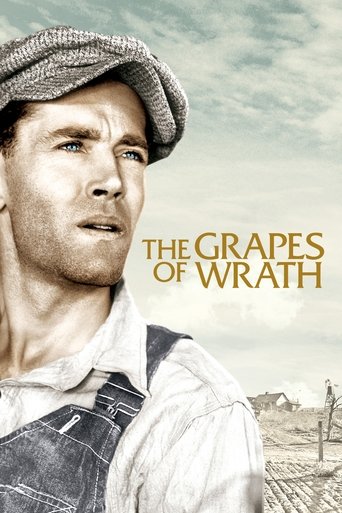
In The Grapes of Wrath he told of a family that loses its land in the Depression, in How Green Was My Valley of a mining town in Wales. Ford loved to watch communities, songs, funerals, crowds dancing. And in The Man Who Shot Liberty Valance he showed how legend takes the place of fact, and which of the two the newspapers choose to print.
- CameraFixed and wide; the man is small beside the rock.
- SoundA folk song, hooves, a door creaking.
- SignatureThe landscape seen through a doorway.
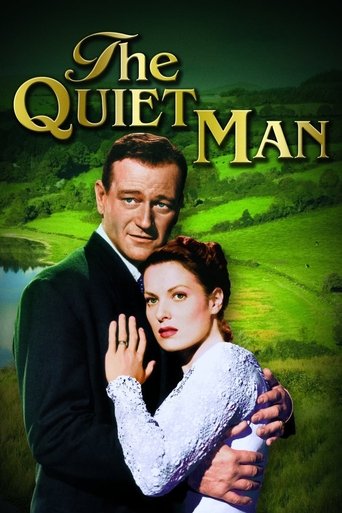
Canon films


Awards
- Academy Awards · 1952 · won · The Quiet Man
- Writing (Screenplay)Academy Awards · 1952 · nominated · The Quiet Man
- Academy Awards · 1941 · won · How Green Was My Valley
- Academy Awards · 1940 · won · The Grapes of Wrath
- Best DirectingAcademy Awards · 1939 · nominated · Stagecoach
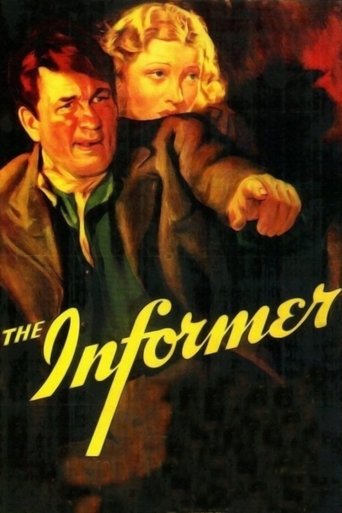
- Academy Awards · 1935 · won · The Informer
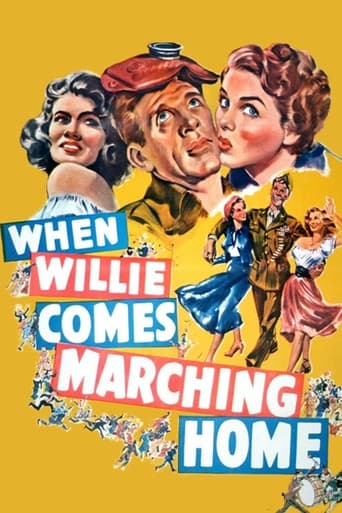
- Locarno Film Festival · 1950 · won · When Willie Comes Marching Home