
United States
Josef von Sternberg
The light doesn't reveal the face — it's used to hide it.
Sternberg likes to fill the frame. Gauze, smoke, netting, feathers, leaves — something is always placed between the camera and the subject. Looking becomes difficult, and for exactly that reason the looking intensifies.
He uses light like a sculptor. Half a face stays in shadow, the eye socket deepens, the cheek catches. The meaning of a scene often lies not in what is said but in where the light falls.
His stories are mostly about desire and surrender. Someone looks at someone, resists, then gives in — and the giving in is filmed not as defeat but as a choice. Sternberg's world never tries to be realistic; it is built in a studio and deliberately artificial.
- CameraThe frame is filled with gauze, smoke and netting — looking is made hard.
- SoundA song as a trap — little speech, a great deal of looking.
- SignatureThe face carved by light.
Canon films







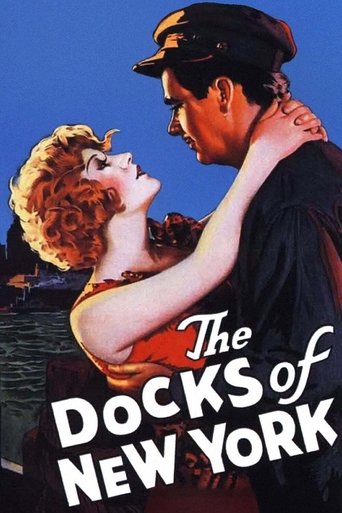
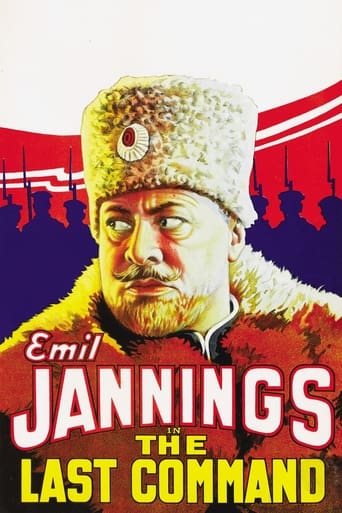
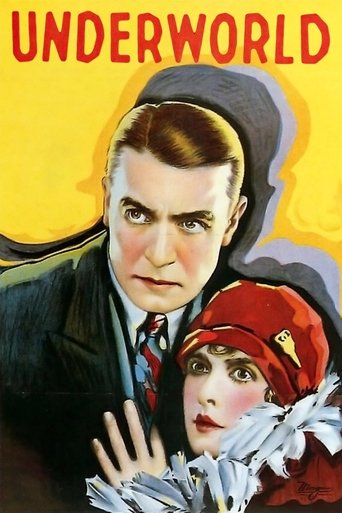
Awards
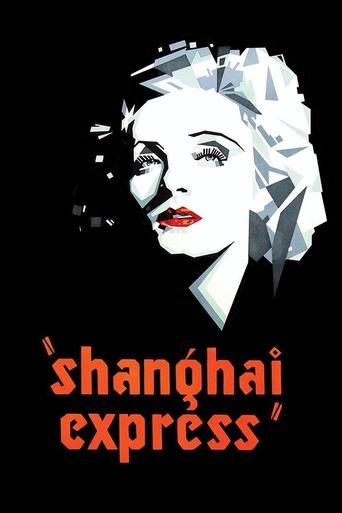
- Best DirectorAcademy Awards · 1932 · nominated · Shanghai Express
- Best DirectorAcademy Awards · 1931 · nominated · Morocco
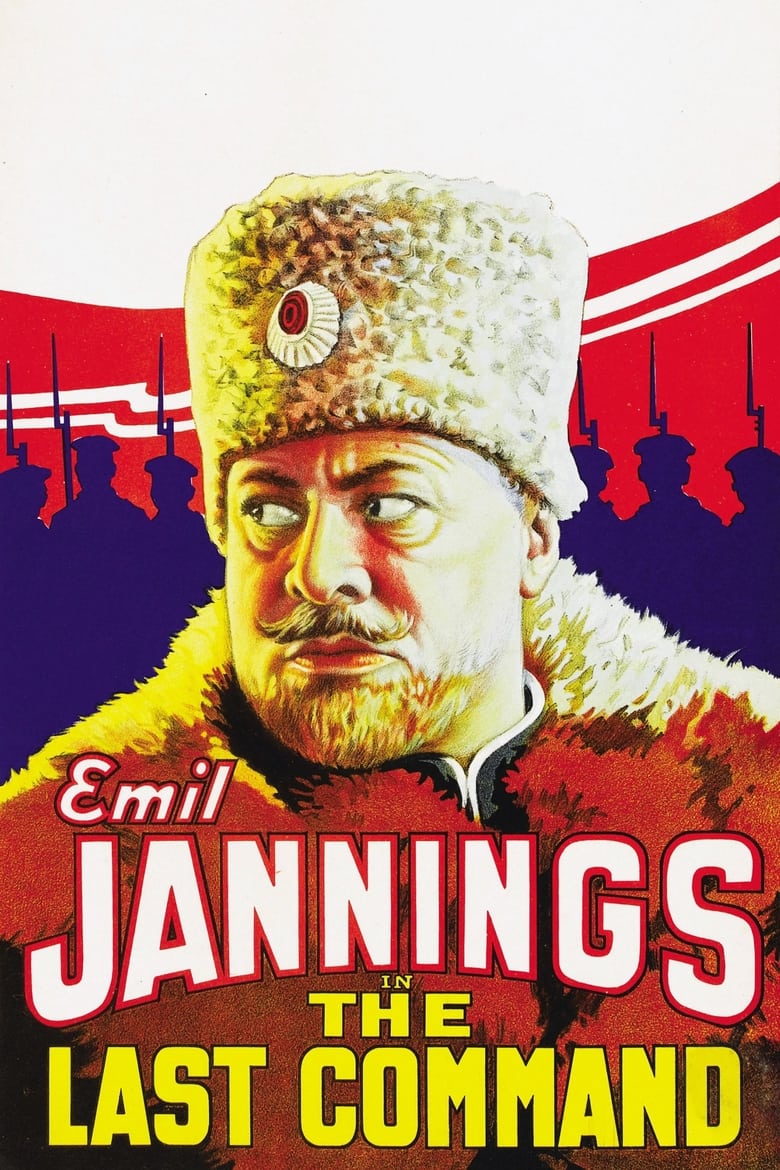
- Writing (Original Story)Academy Awards · 1927 · nominated · The Last Command


