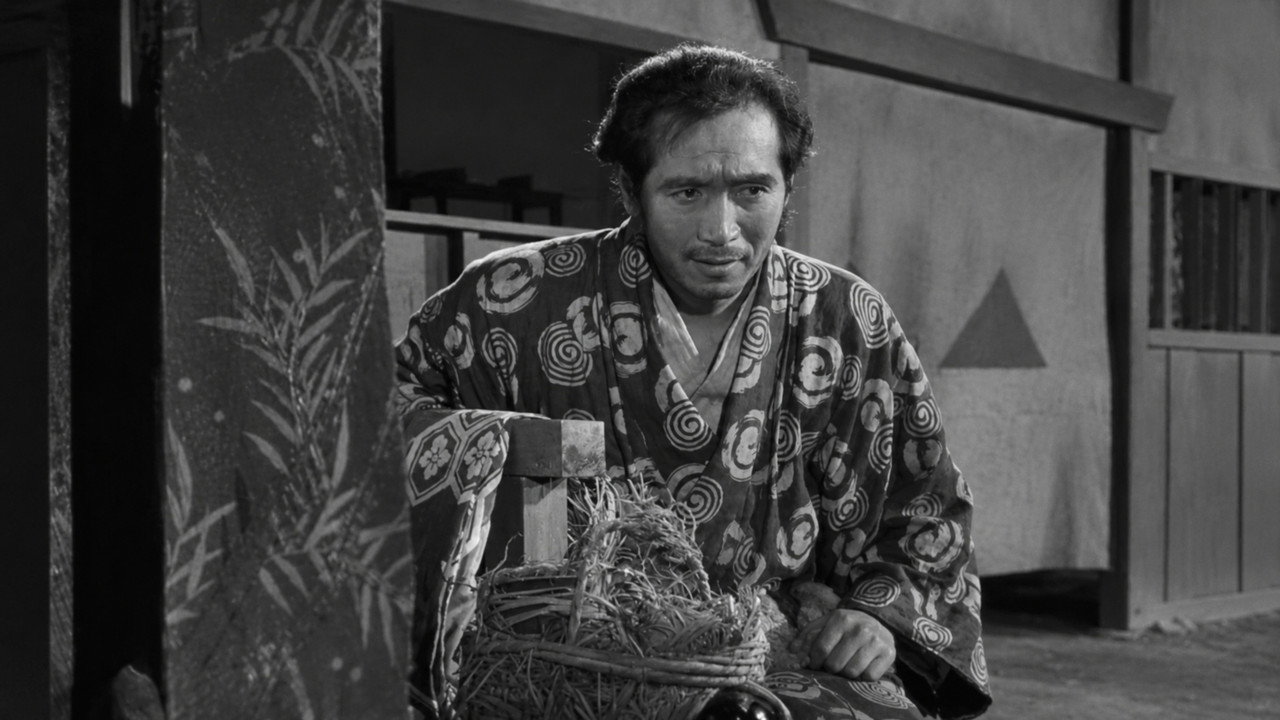
© Unknown authorUnknown author · Public domain · Wikimedia Commons
Japan · 1898–1956
Kenji Mizoguchi
He preferred to shoot a scene without cutting; the suffering runs uncut as well.
Mizoguchi's camera stands at a distance, and even when it moves it does not close in on the character. That distance is not a lack of mercy; it is the room required to see the whole of what is happening.
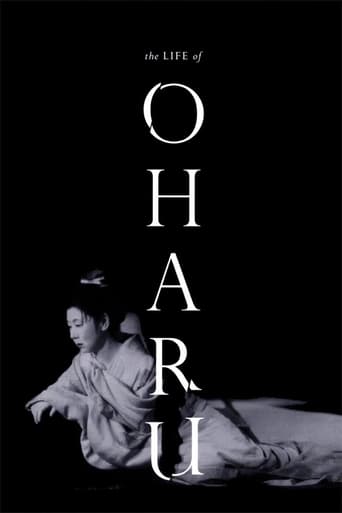
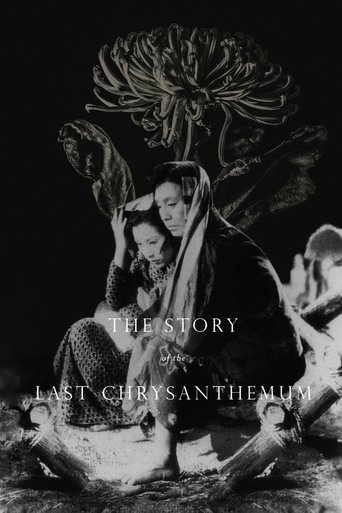
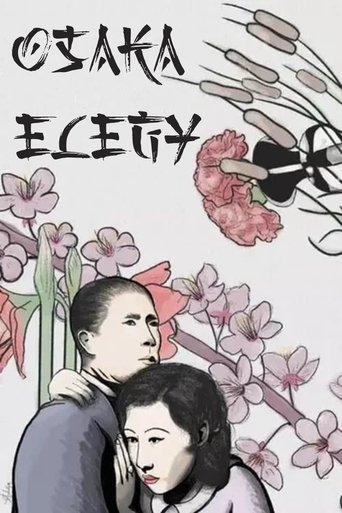
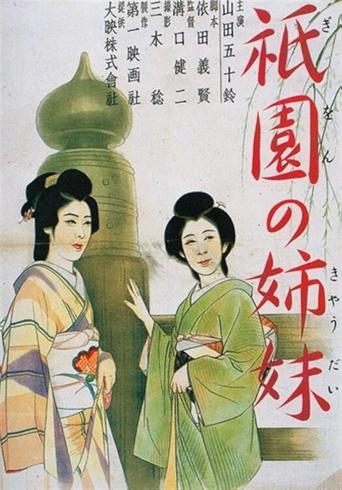
At the centre of his films are women sold, handed over against debt, married off or abandoned. He filmed them not as victims but as a party inside a system, showing where economic necessity and tradition meet.
Even in period films he spoke about the present. In a story set in the middle ages the question is the same: whose labour counts as whose property, who is free of whom.
In his work the long take is not patience but a moral choice; to cut would be to give the viewer somewhere to escape.
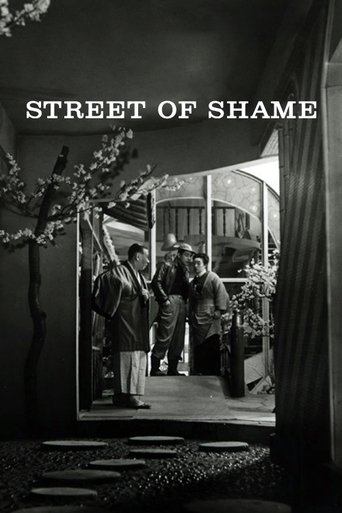
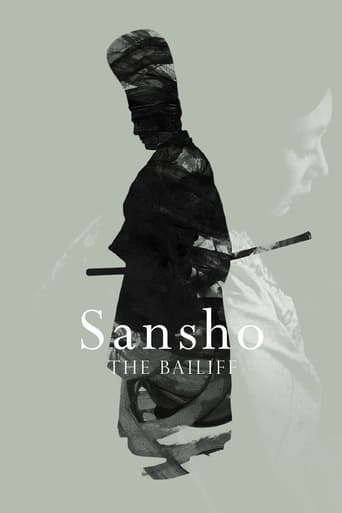
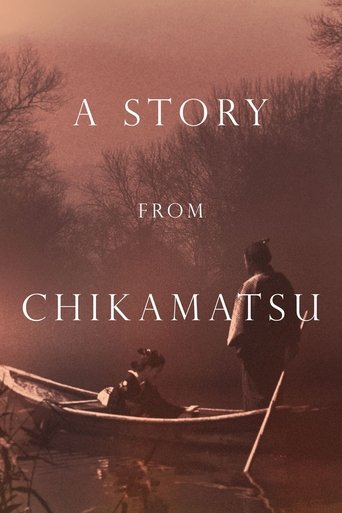
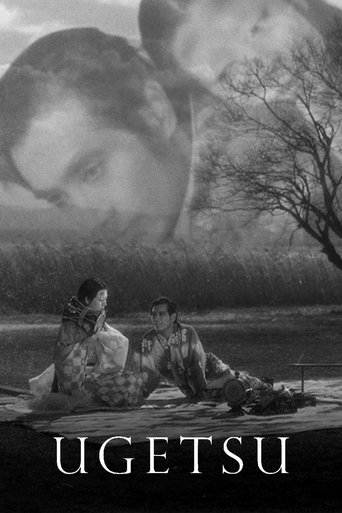
Canon films