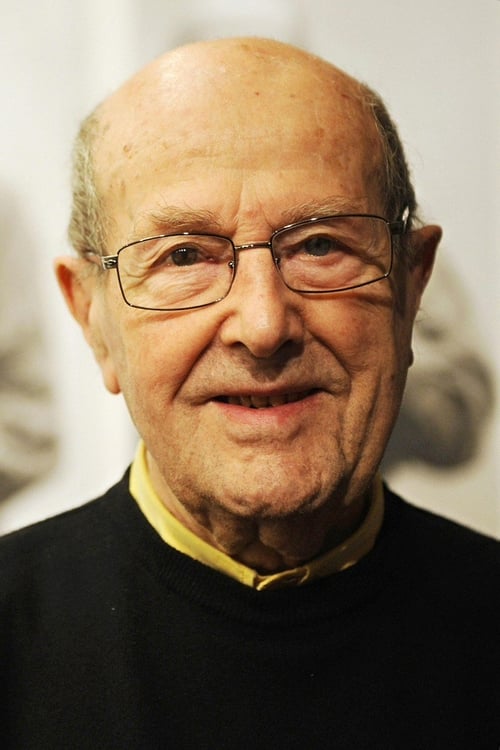
Portugal · 1908–2015
Manoel de Oliveira
He returned to filming after long interruptions, and his most productive period began after he turned seventy.
THE WORLD OF Manoel de Oliveira
Oliveira began in cinema in the silent era, with a short documentary about people working along the Douro river in Porto, and he hardly stopped for almost a century. He kept making films after he turned a hundred; that is why his filmography feels like a journey as long as the life of cinema itself.
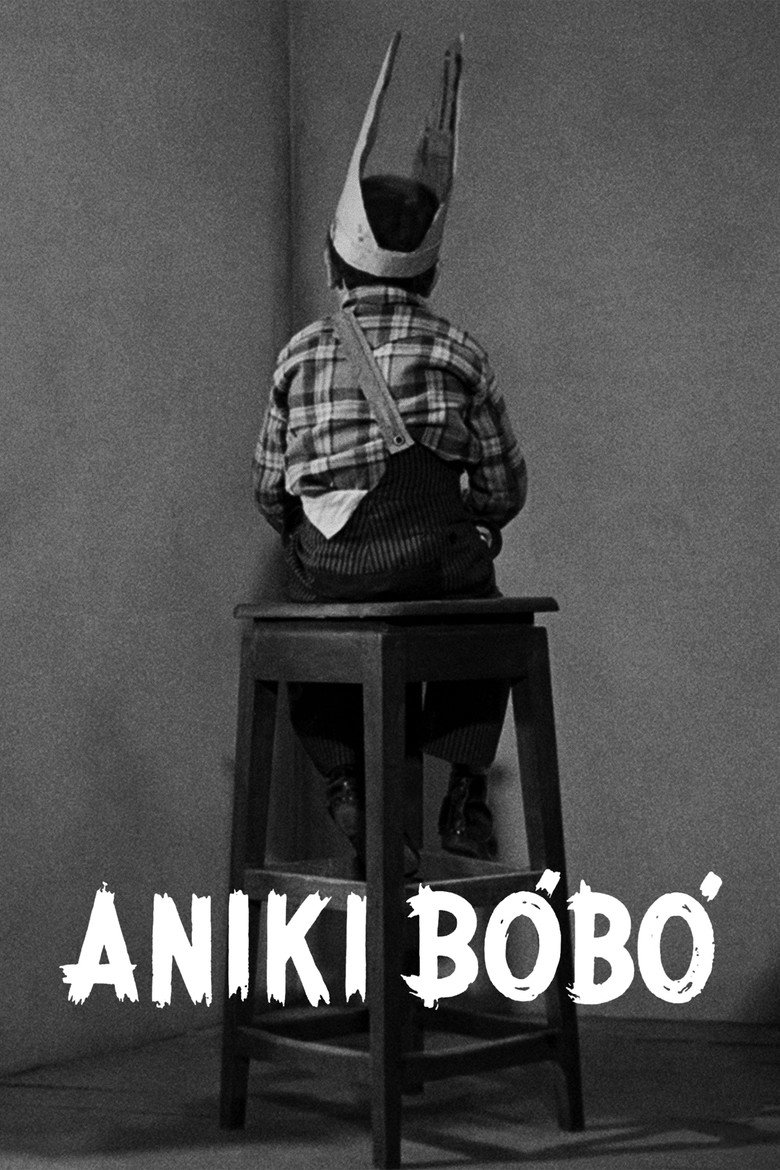
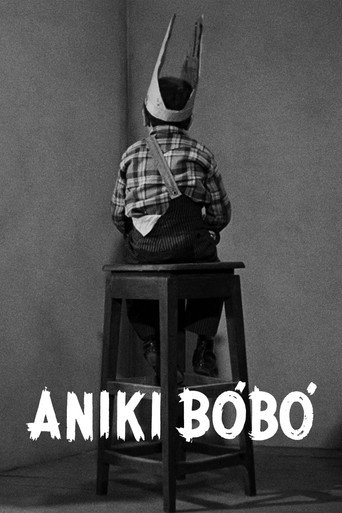
For a long time he could make only a few films; the years of dictatorship in Portugal often denied him the chance. But in Aniki-Bóbó he told of children playing in Porto's narrow streets with a freshness that resembles the Italian neorealism still to come. As he grew older his cinema slowed, settled, almost became theatre: the camera stays still, people talk at length, the light changes.
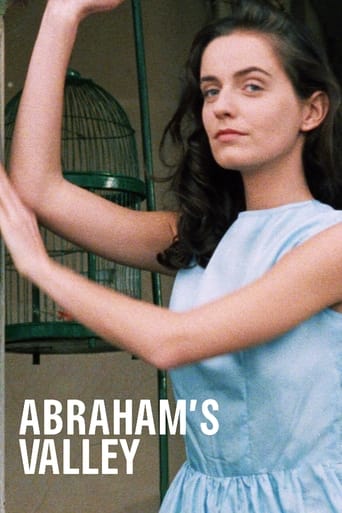
In Abraham's Valley he told the loneliness of a woman who recalls Madame Bovary, among the vineyards of the Douro. Oliveira's patience asks for patience from the viewer too. But in return it shows how rich a world can be when it is looked at without hurry.
- CameraFixed. The actor comes to the camera.
- SoundSpeech comes first; music is sparse.
- SignatureThe camera waits without cutting; the scene ends itself.
Where to start
Canon films





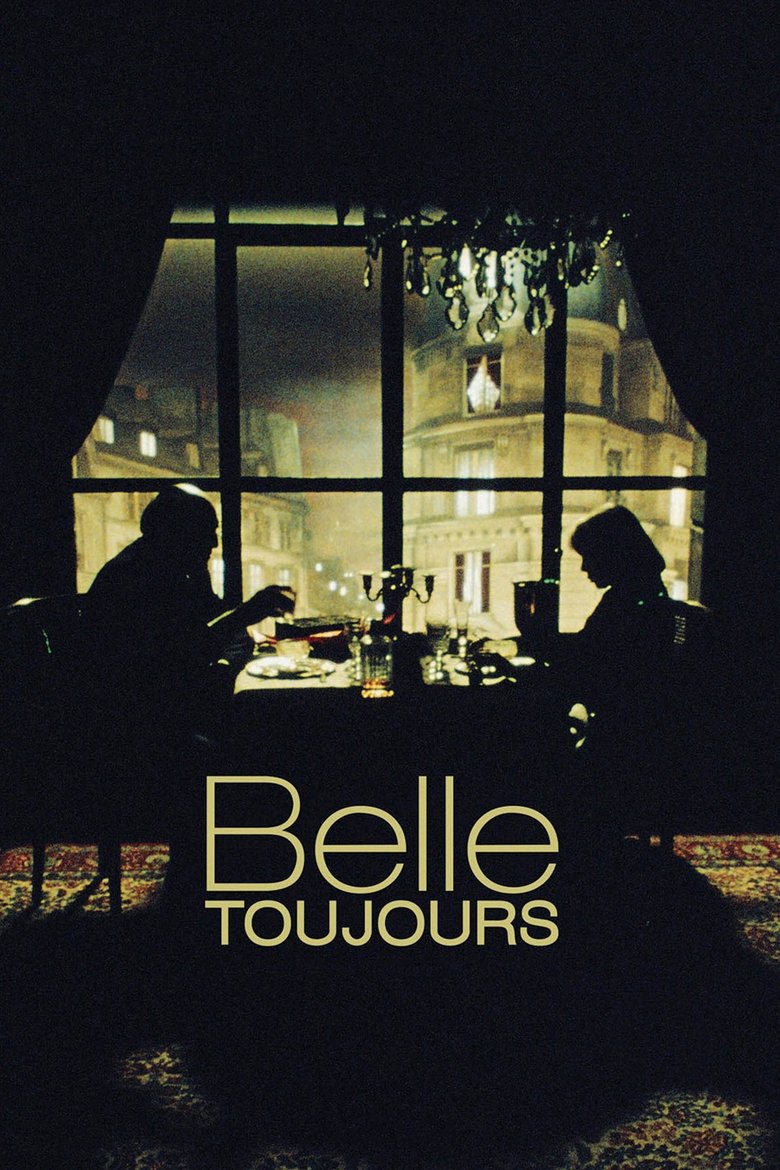


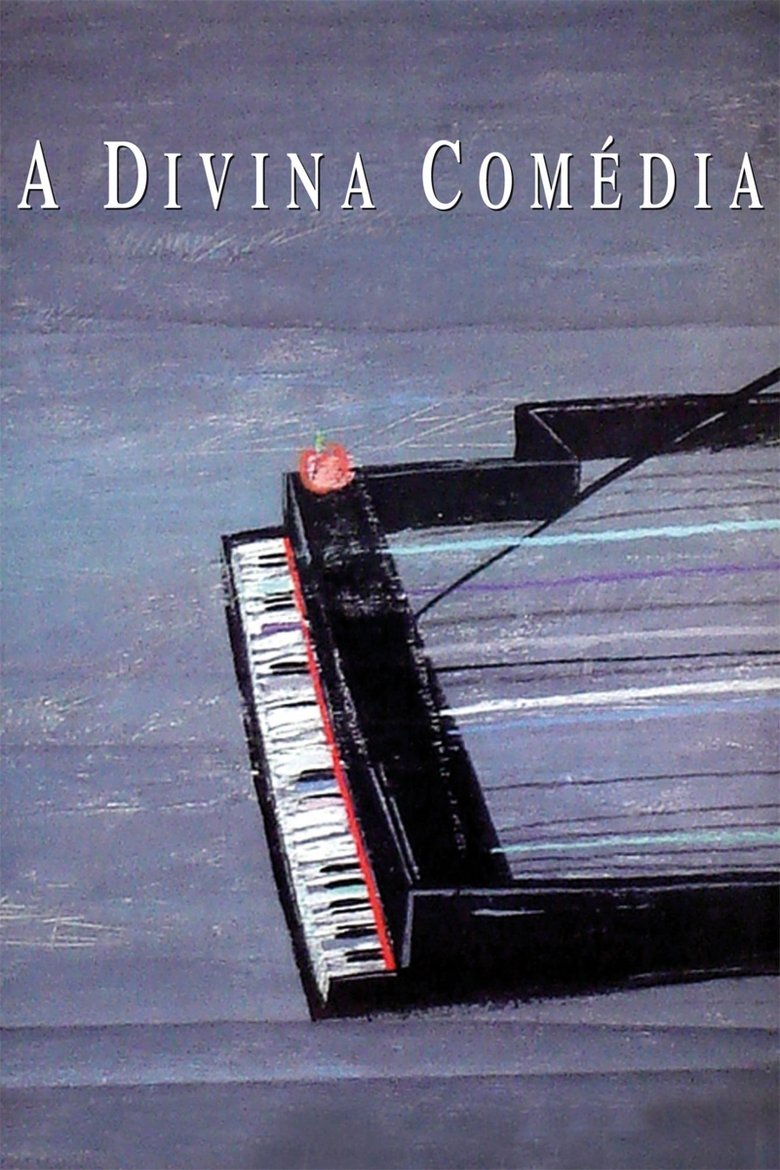


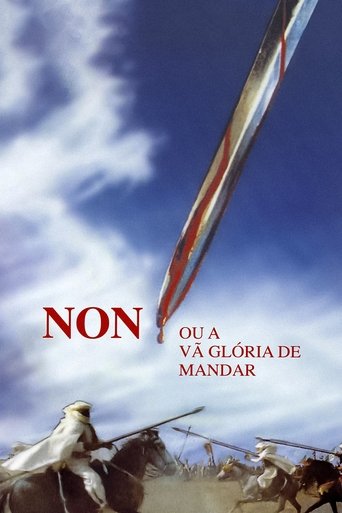
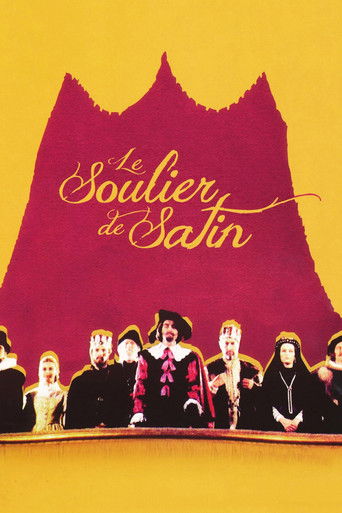
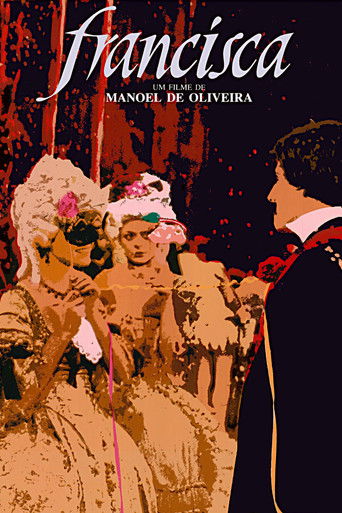
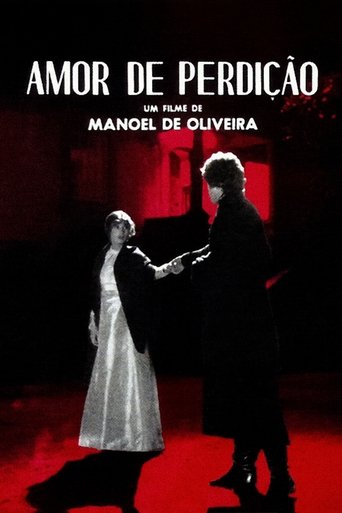
Filmography
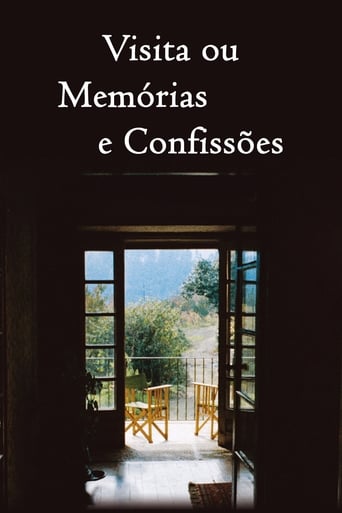





Awards
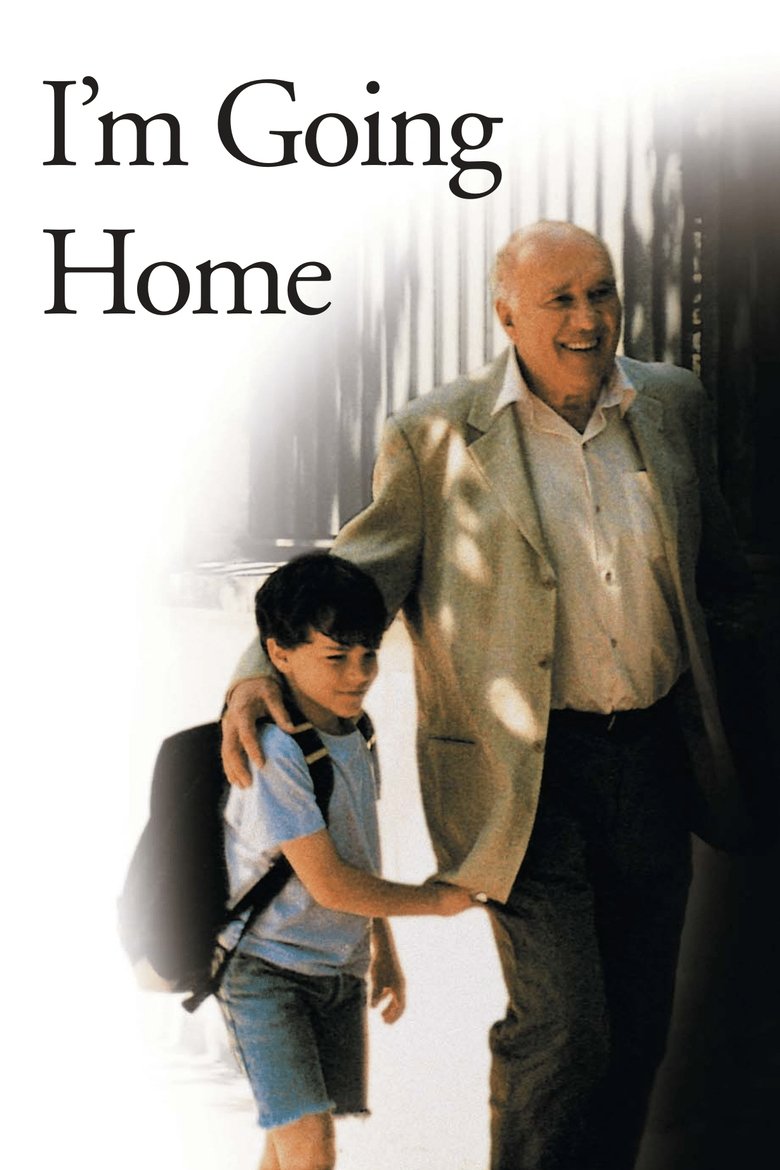
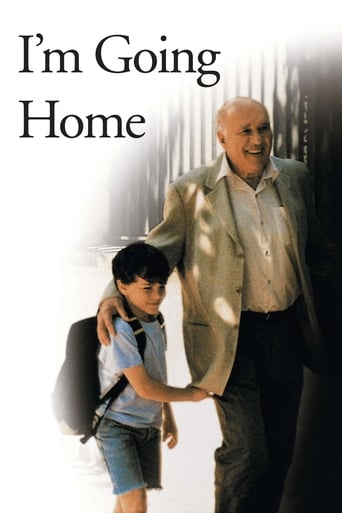
- Cannes Film FestivalCannes Film Festival · 2001 · nominated · I'm Going Home


