Country room
Portugal
Portuguese cinema never found its audience and never stopped. Its own films played to near-empty houses at home while appearing continuously in festival programmes; a cinema invisible inside the country made a place for itself outside it. It went on being made anyway.
Why would a cinema nobody watches keep producing for sixty years?
1933 → 2025

A Song of Lisbon
The first sound feature made entirely in Portugal, and a comedy. A medical student deceives his aunts, does not pay the rent, and the neighbourhood knows — the country's relationship with cinema starts here. Nine years later, in Porto, an engineer picks up a camera.
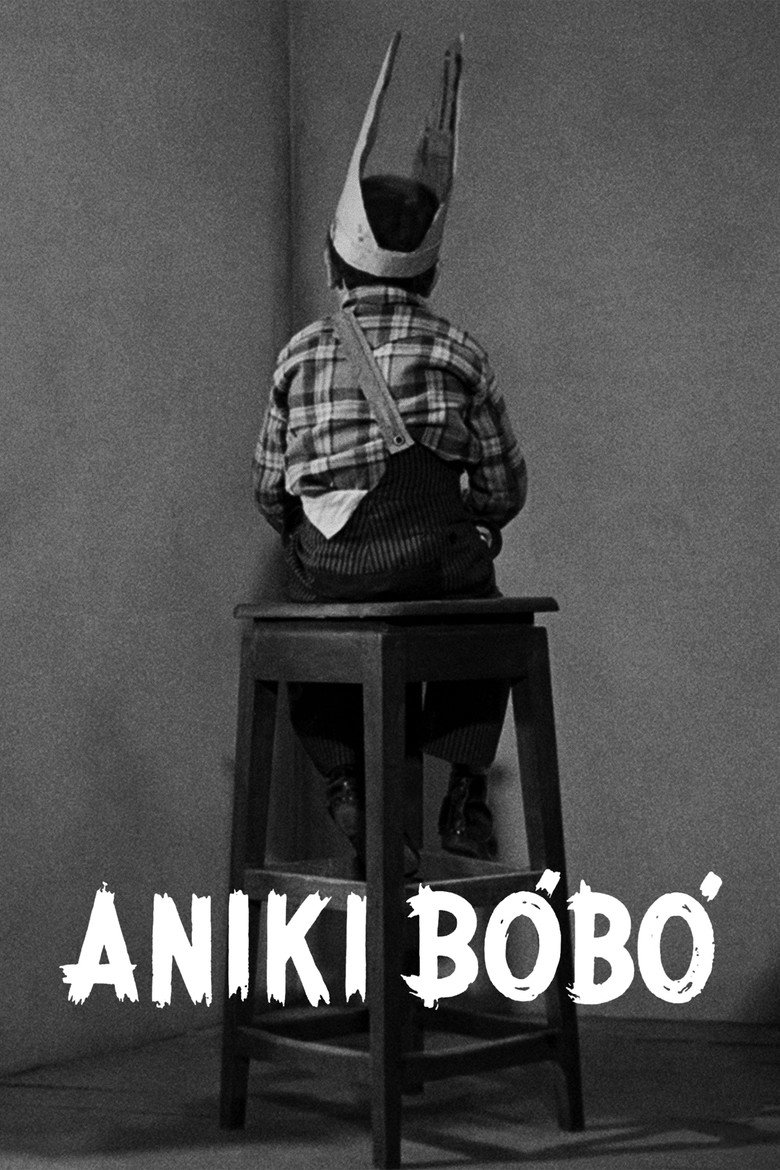
Aniki-Bóbó
By the Douro two boys love the same girl and one pushes the other. Oliveira's first feature; he will wait more than twenty years for his second. Through those twenty years the country does not change, and then a young generation walks out of the studio.

The Green Years
Júlio comes to Lisbon from the provinces and the city gives him nothing. The film taken as the start of Novo Cinema. The next year someone from the same generation mixes fiction and documentary together.

Belarmino
A real boxer tells his own life, and the film neither makes a hero of him nor pities him. The hybrid strand of Portuguese cinema opens here. Two years after the revolution, two people go north and stay there.

Tras-os-Montes
In the villages of the north-east, past, present and future stand in the same frame. There is almost no narrative, only time to look. Five years later Oliveira finally begins working steadily, and he is past seventy.

Francisca
The actors face front and speak the written sentence as written. Oliveira's theatrical mode settles fully here and he never lets it go. Eight years later, in Lisbon, a man goes on believing himself a gentleman.

Recollections of the Yellow House
There are bedbugs in the boarding house, the rent is late, and João is good to nobody. Monteiro plays the part himself and builds the most uncomfortable character in Portuguese cinema. At the end of the nineties the camera turns to children living on the street.

The Mutants
Three young people who have run from a state home hold on to each other and nobody is looking for them. Villaverde worked with non-professional actors. Two years later a director sets his camera down in one room and stays there for two years.

In Vanda's Room
A small digital camera, no crew, no lights. Costa's settling into Fontainhas begins here, and outside the demolition machines are working. Three years later Oliveira sets out across the Mediterranean, at ninety-five.
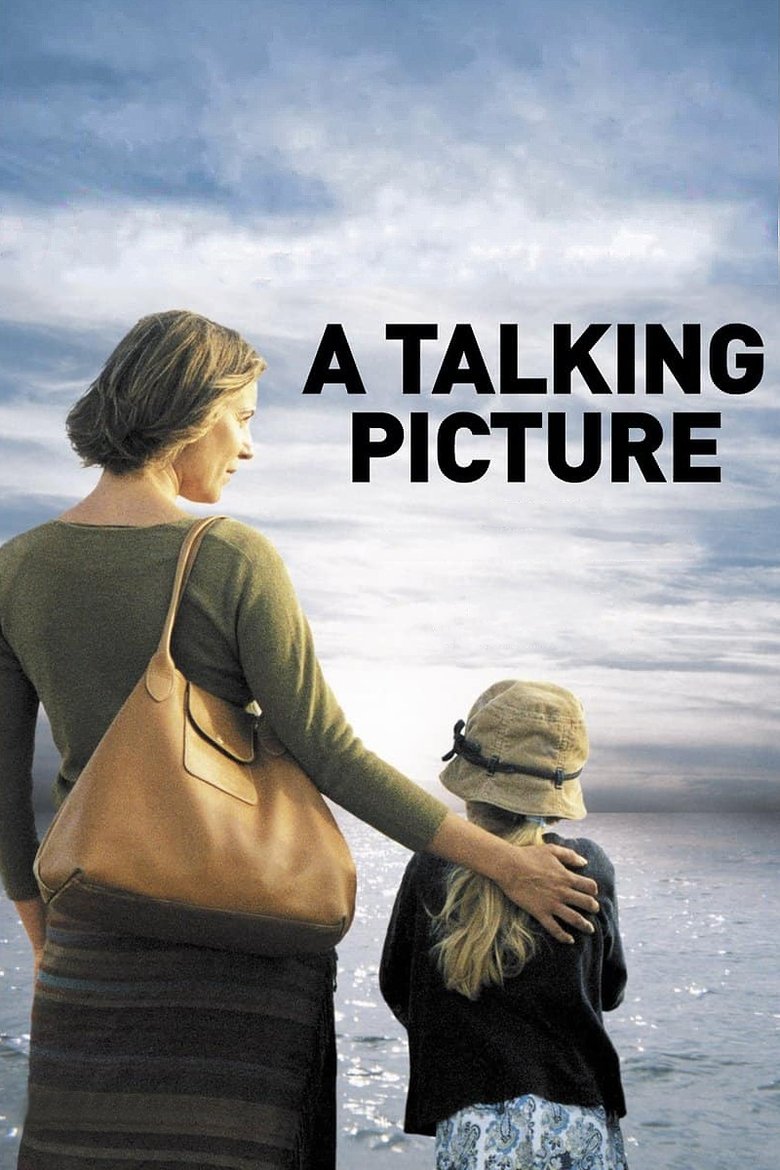
A Talking Picture
On board, four women speak four languages and understand one another. The last two minutes turn the film into something else entirely. In those same years Fontainhas is demolished and Costa stays inside the rubble.

Colossal Youth
Ventura moves between the demolished quarter and the new block the state has given him, and neither is his home. He says he does not like white walls. Three years later another voice comes from Lisbon's cabaret stages.

To Die Like a Man
Tobias does not want the operation, her son has deserted the army, and in the forest scene the film suddenly turns into song. The queer strand of Portuguese cinema becomes visible here. Three years later a director switches off the speech halfway through a film.

Tabu
In the second part the actors never speak; there is ambient sound, music, a narrator. This is the film through which Portugal's new generation became known abroad. Three years later a film locked away in 1982 is opened.

Visit, or Memories and Confessions
In 1982 Oliveira walked through his house talking about himself, then locked the film away and stipulated it not be shown before his death. The fourth and last Oliveira link in the chain. In those same years Costa is still filming the same people.

Vitalina Varela
Vitalina comes from Cape Verde for her husband's funeral and by the time she lands he is already buried. The film is almost entirely in darkness, the light falling only on faces and hands. Six years later a new generation works with the same patience, this time outside Portugal.

I Only Rest in the Storm
A Portuguese engineer goes to Guinea-Bissau to build a road and the stay lengthens. The chain ends not in Portugal but in a place Portugal once went to.
Directors in this room


