
Türkiye · 1929–2012
Metin Erksan
He filmed a water right not as a legal case but as a siege.
Erksan's is the cinema that first took the question of land seriously in Turkey. The village film existed as a mould, but that mould was built to solicit pity; Erksan dropped the pity and looked at property. Whose water, whose field, who is bound to whom.
He used light accordingly. The steppe is wide yet offers nowhere to shelter; shade is scarce and the heat can be read off the frame. Nature never consoles in his work; it is part of the pressure.
His relation to censorship belongs to the filmography. His films won awards abroad while at home they could not be released or were shown cut; that contradiction describes the period itself. In the same years he worked through literary adaptation, but in adapting he sought fidelity to the matter rather than to the text.
When the veins of Turkish cinema are discussed today, he still stands at the head of the land-and-water line.


Awards
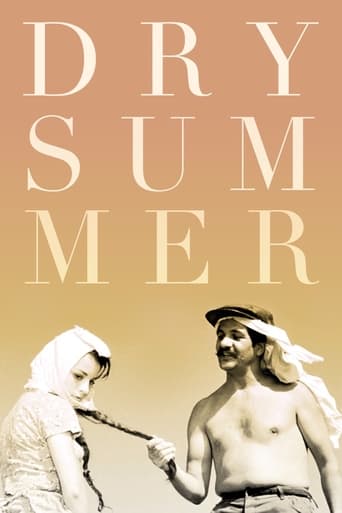
- Berlin International Film Festival · 1964 · won · Dry Summer


