Country room
Türkiye
In Turkey the film was ordered by the audience.
Does the audience get whatever it asks for?
For forty years this was not a theoretical question in Turkey.
The audience really did decide what the film would be.
A producer comes to Yeşilçam. He has a poster and the name of a star. The film has not been shot yet.
Cinema owners in Adana, Diyarbakır and Samsun look at the poster and pay an advance. Most of the time it is they who decide the subject, the star, even whether the ending will be happy or sad.
In those days the film was not commissioned by the director but by the audience's imagination.
In Hollywood films were born in the studio.
In Turkey the poster was born first.
The film came afterwards.
The system was called regional distribution and it shaped forty years of Turkish cinema.
In the early seventies more than three hundred films were made a year. The same crews, the same faces, sometimes three films in the same month.
The clichés came from this. Not from laziness but from arithmetic.
But there was something else, and it is more interesting.
The audience filling the halls had just arrived from the villages. Whatever they expected from the storyteller, the folk tale and the fable, they expected from cinema too.
In that tradition there are no characters, only types. The good man is known from the start. So is the bad one. A story is listened to not to be surprised but because it is familiar.
So Yeşilçam did not cheat its audience. It gave them what they asked for.
Even the voices were added later. For decades Turkish cinema recorded no sound on set; most actors did not speak in their own voices.
Some dubbing artists were more famous than the faces they voiced. A generation grew up with the voices of people it never saw.
Then most of those films disappeared.
Negatives were thrown out, prints decayed, storerooms were emptied. Today there are hundreds of films whose titles we know and which cannot be watched.
There are few countries where so many films vanished so fast.
Read more
While all this was happening a few people tried to turn the question around.
Not what the audience wants, but what I see.
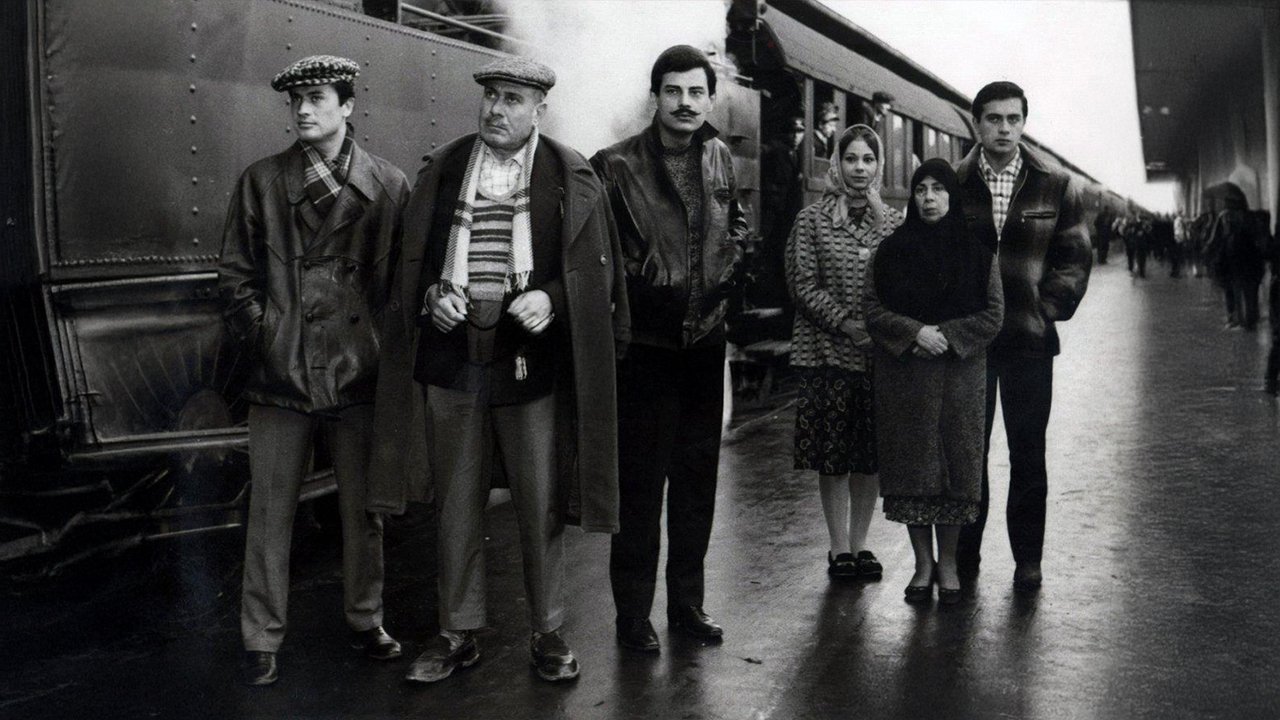
Akad told the story of migration in three films: the bride, the wedding, the blood money. He filmed a family coming apart in the city with an attention that was on nobody's order list.
Erksan turned a dispute over land into a siege; the censors tried to stop the film.
Güney went further. He wrote the script in prison, sent his instructions out and had someone else shoot the film. That is how Yol was made.
It won the top prize at Cannes. In Turkey it could not be shown for years.
The argument began in those years and has never ended: cinema for the people, or cinema for the director.
In the eighties the system collapsed. Television arrived, the cinemas closed, the number of films hit bottom.
And something strange happened: films that had failed in cinemas became immortal on television.
Nobody ever decided to watch Hababam Sınıfı, Tosun Paşa or Süt Kardeşler. They arrived at the religious holidays. It was afternoon, dinner was waiting, and the film had already started.
Those films were not chosen.
They were repeated.
And repetition turned into memory.
In the nineties Turkey made almost no films. Then a completely different cinema was born.
This time nobody was placing an order. The budgets were small, the crews were small, there was little talk and the takes were long.
Ceylan, Demirkubuz, Kaplanoğlu, Reha Erdem. Their films were shown at Cannes, Berlin and Venice.
In Turkey few people watched them.
Today two cinemas live in Turkey at the same time.
One finds millions of viewers.
The other travels the festivals of the world.
They speak the same language.
But they barely see each other.
In Yeşilçam the two were the same film. The most watched film was also the film of the year. That link broke in the eighties and was never restored.
So where did the audience that placed the orders go?
You will find where it went further down this page.
Perhaps the question was never what the audience wanted.
The real question was this: who decided what the audience would want?
The Chain
One film leads to another
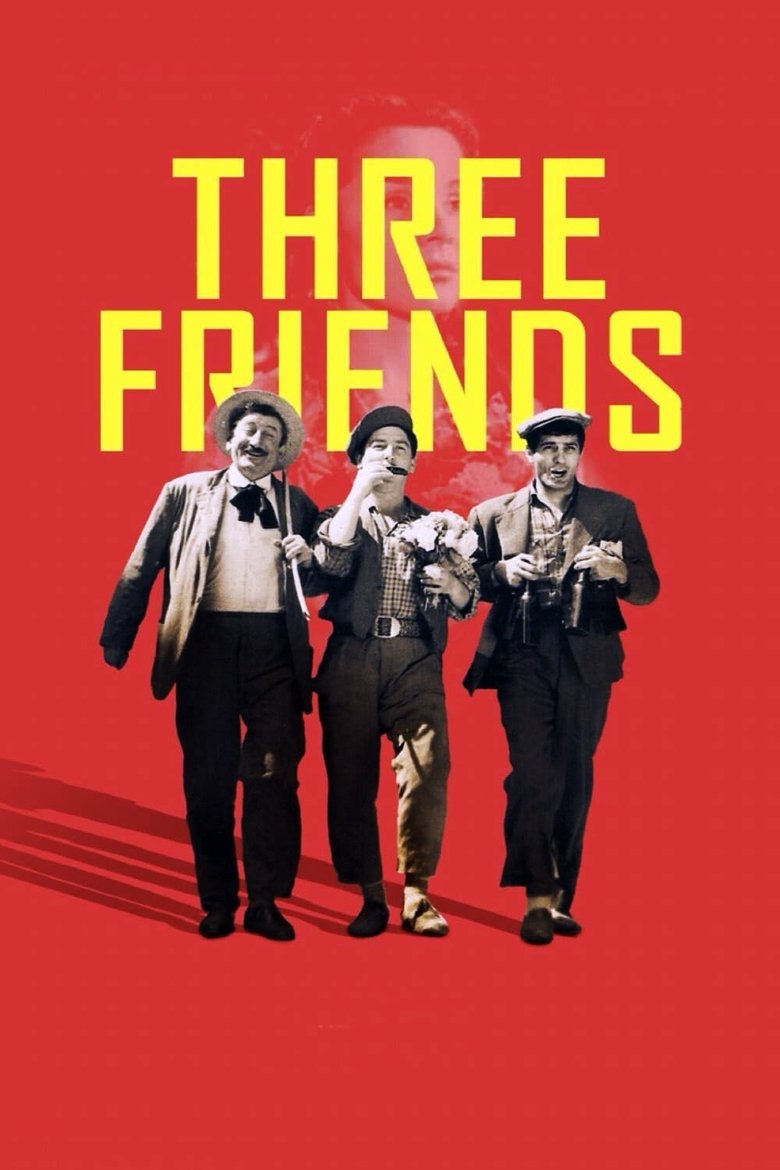
Üç Arkadaş
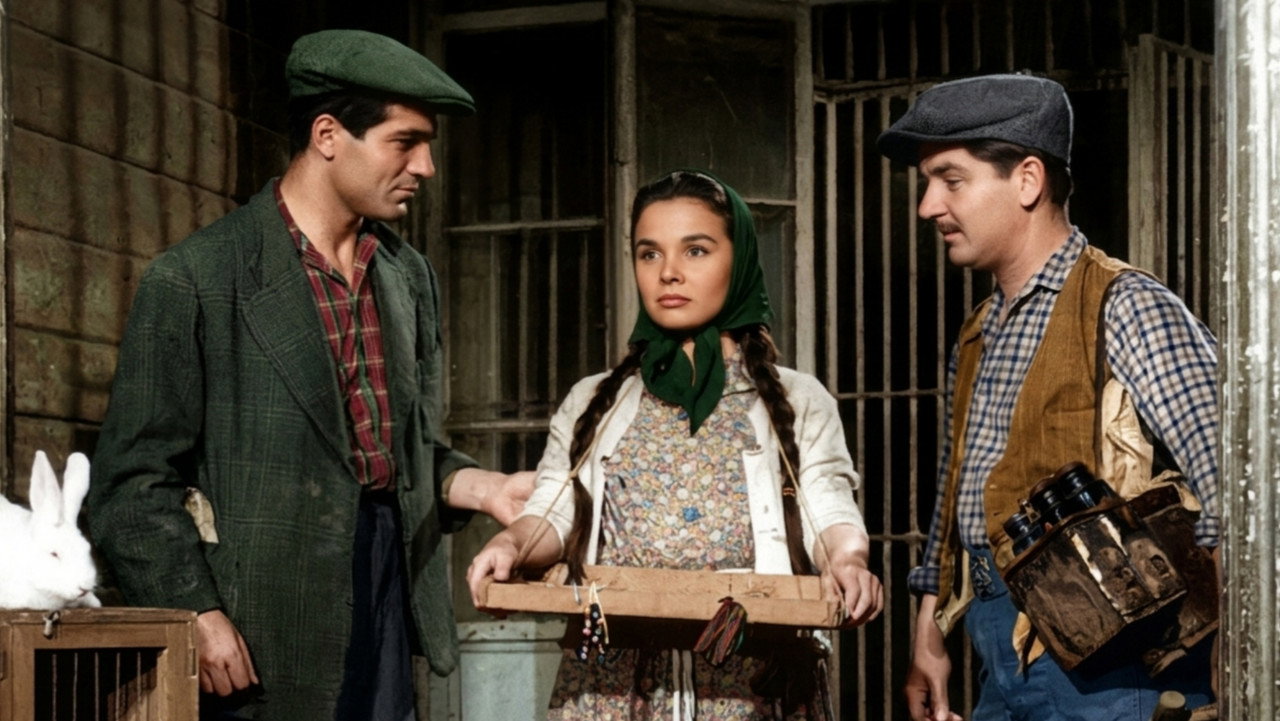
Three poor men and a blind girl. Yeşilçam's emotional language was set here and stayed the same for thirty years.
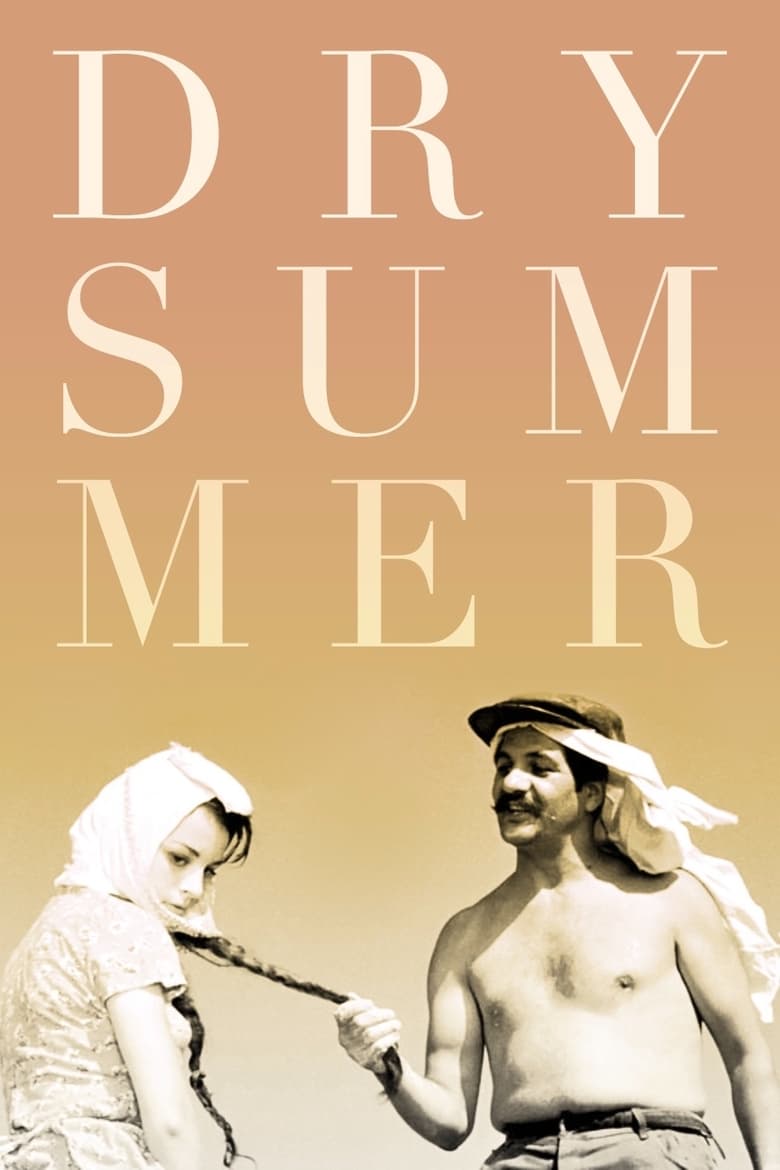
Susuz Yaz
A man diverts the water and the village below dries up. It won the Golden Bear in Berlin in 1964, Turkey's first major international prize.

Gurbet Kuşları
A family arrives in Istanbul from Maraş and falls apart one by one. The audience filling the halls saw its own story on screen for the first time.

Umut
A cab driver loses his horse and goes looking for buried treasure. No order list asked for this film; Güney made it anyway.

Gelin
A family from Yozgat puts the shop before even the bride's sick child. The first of the migration trilogy.

Kibar Feyzo
It told the landowner's order as comedy and millions watched. The audience laughed and what was told was hard; both were possible at once.
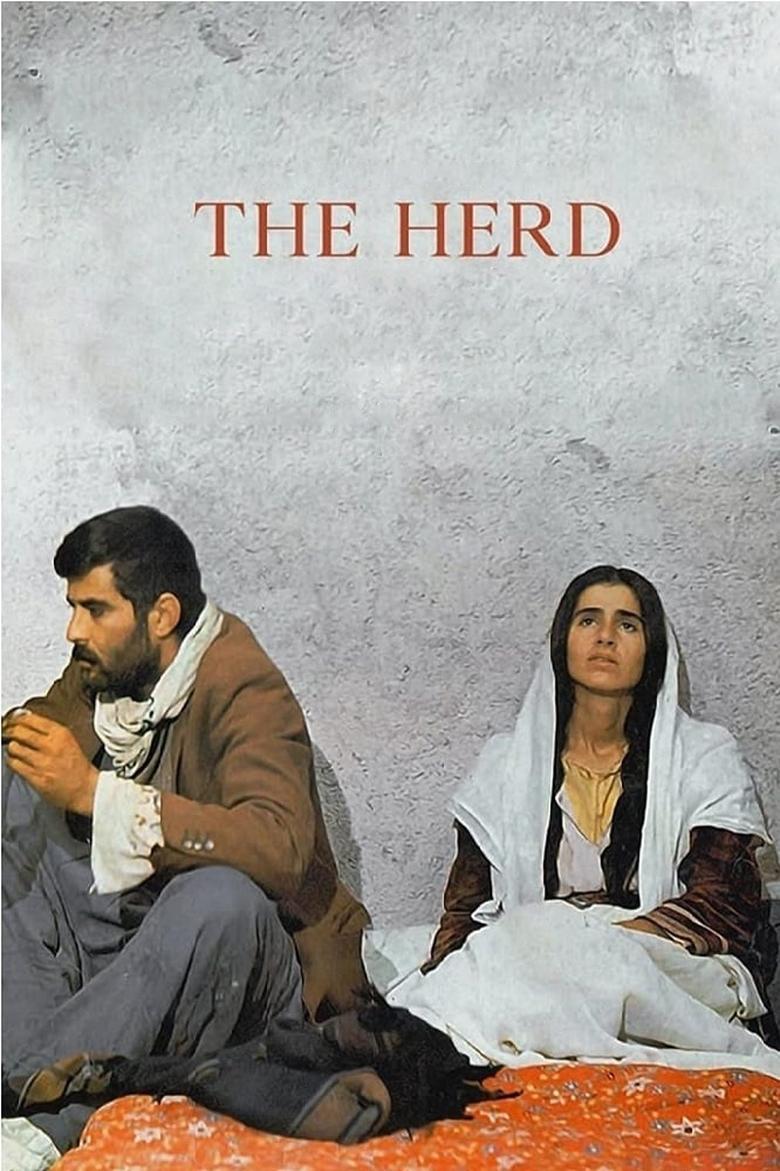
Sürü
A family boards a train with its flock and comes apart before reaching Istanbul. Güney wrote the script from prison.
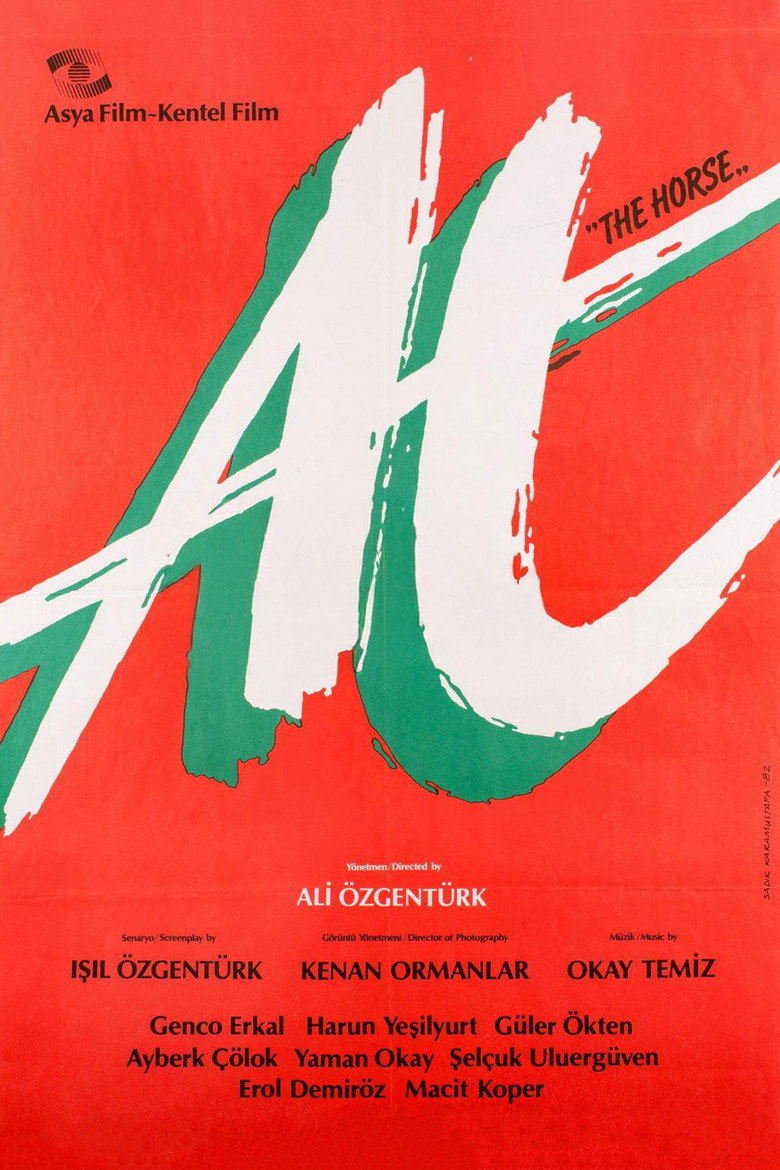
At
A pedlar comes to Istanbul to put his son through school. The city consumes him step by step and nobody notices.

Yol
The director was in prison. He sent his instructions out, someone else shot the film, and he finished the edit abroad. It won the top prize at Cannes and could not be shown in Turkey for years.

Hakkari'de Bir Mevsim
An exiled teacher spends a winter in a mountain village. It won at Berlin and was banned in Turkey.
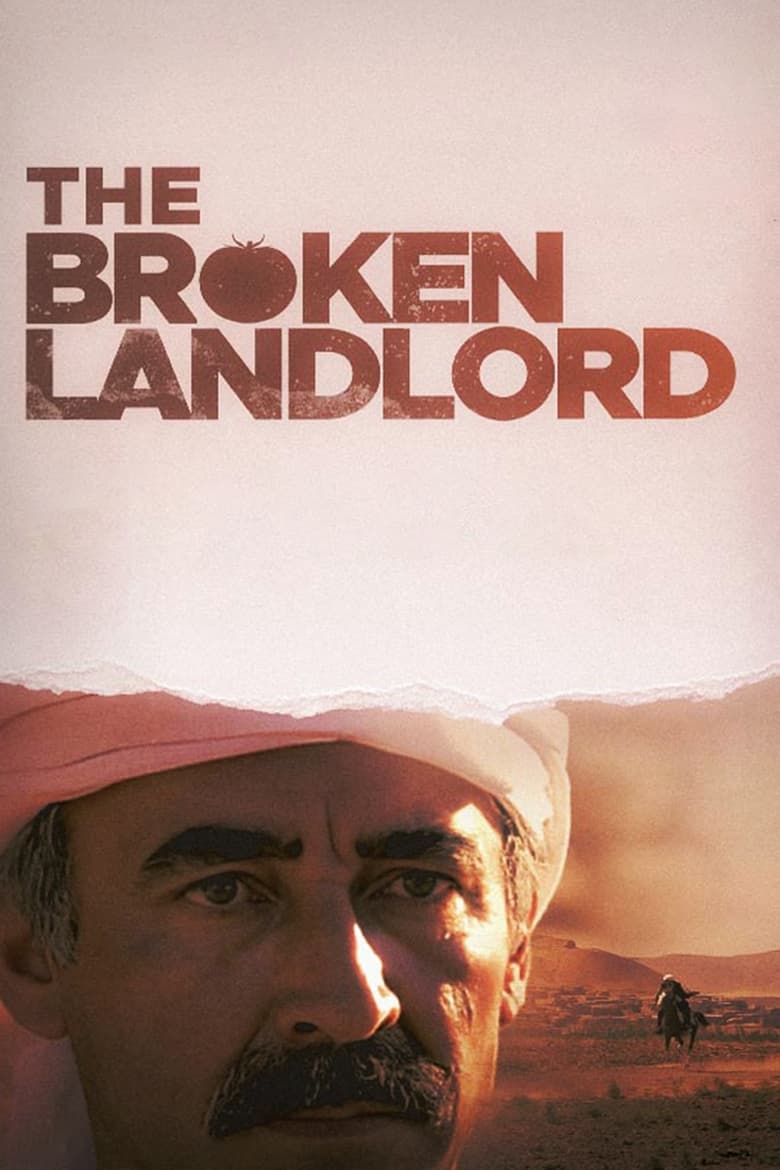
Züğürt Ağa
A landowner who loses his village sells bread rings in Istanbul. The order turned upside down, again as comedy.
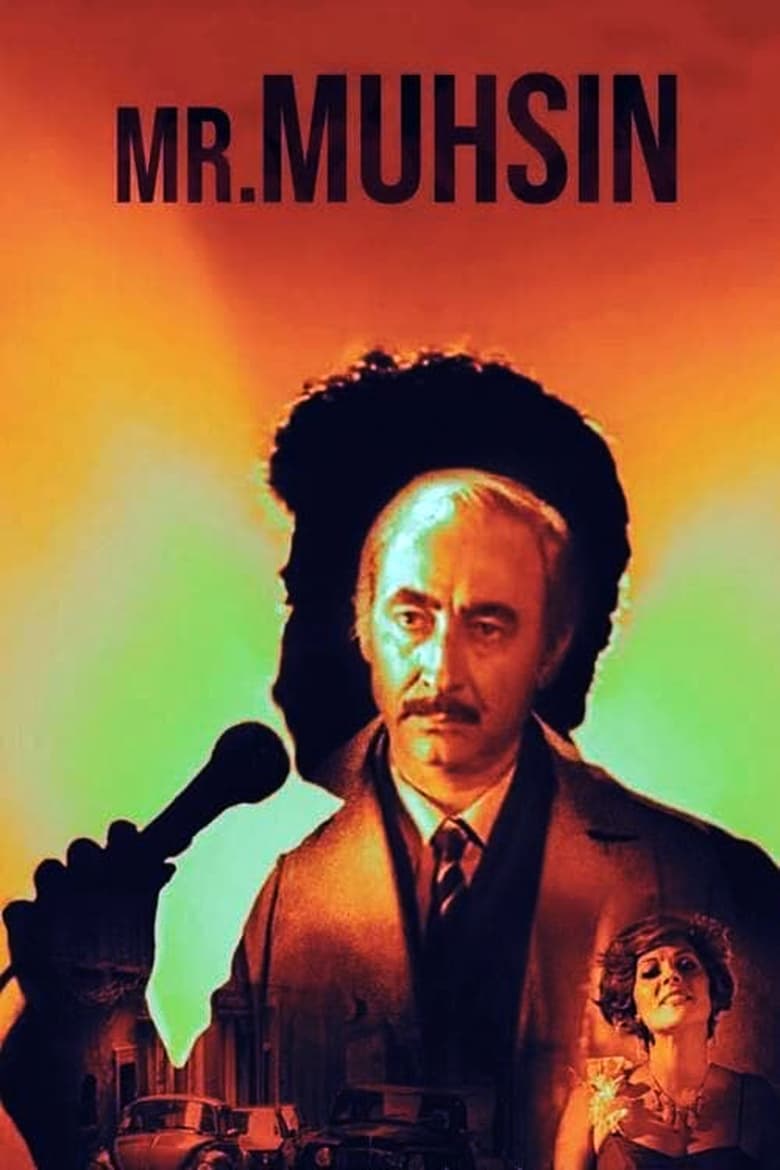
Muhsin Bey
An old-school producer and a young man who wants to sing arabesk. What the audience wants is precisely this film's subject.

Tabutta Rövaşata
A homeless man steals cars because he is cold. No order, no star, no advance; Turkish independent cinema starts here.
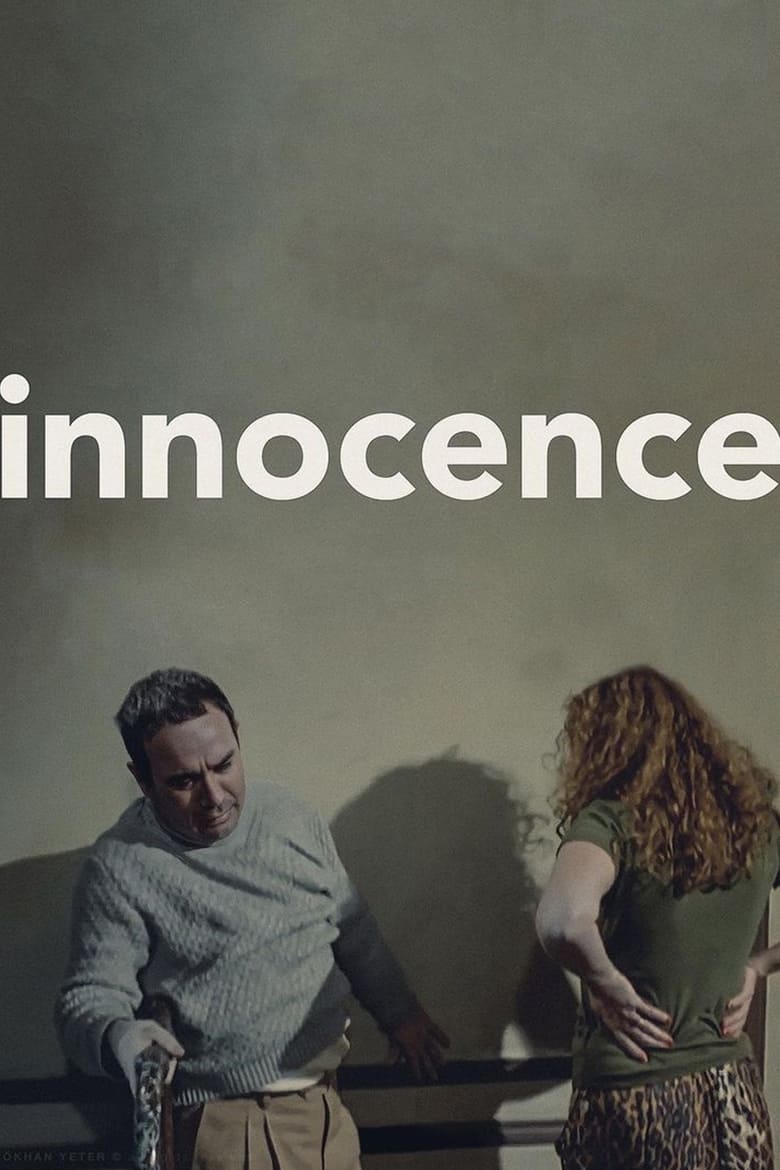
Masumiyet
A hotel room, three strangers and a past nobody tells. Demirkubuz made his films through his own company; he asked nobody.
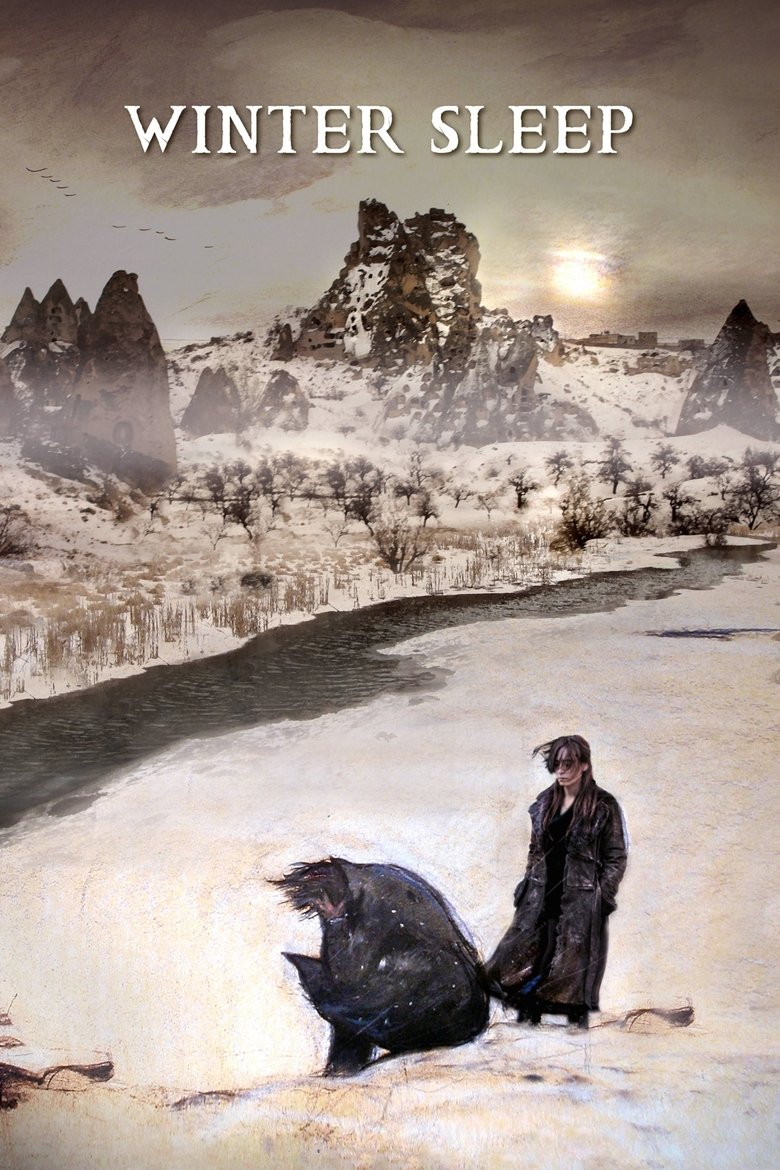
Winter Sleep
A hotel in Cappadocia and three hours of conversation. It won the Palme d'Or at Cannes in 2014 and very few people watched it in Turkey.
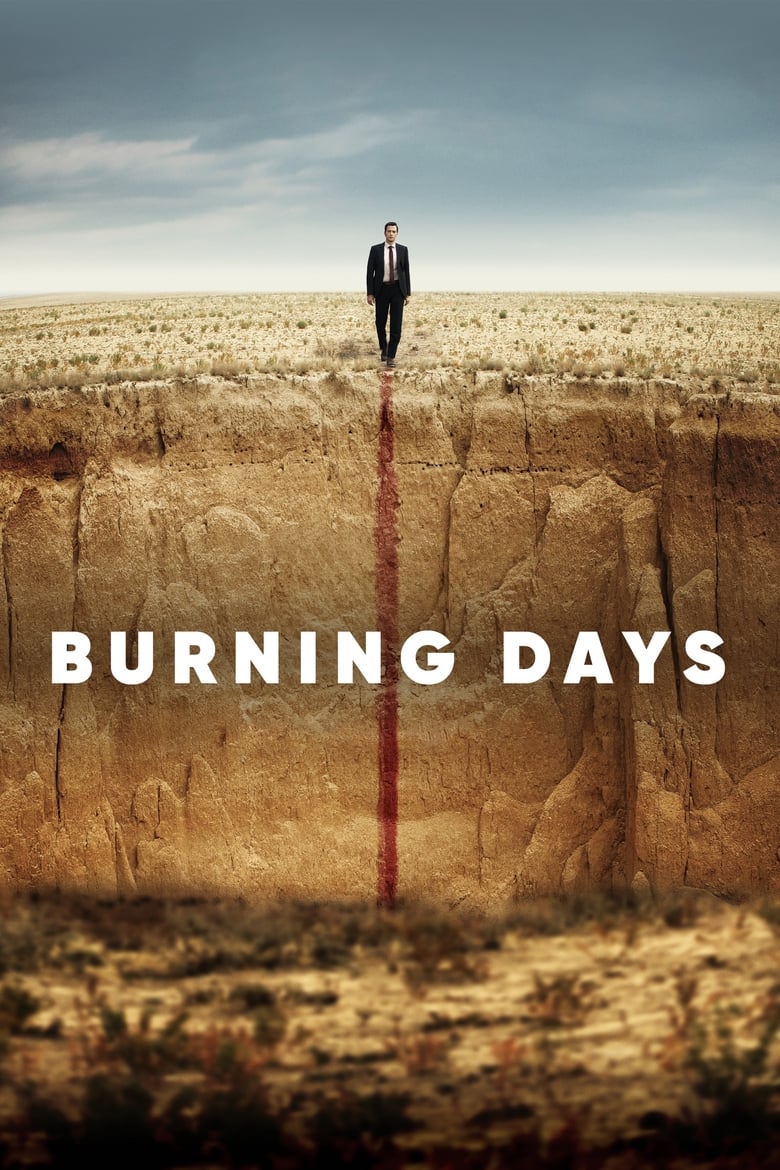
Kurak Günler
A prosecutor in the provinces, sinkholes and rumour. Sixty years ago the audience ordered the film; now the film goes looking for an audience.
Veins
How a country's cinema changed direction, and with whom.
Cinema owners paid an advance on the strength of a poster; the subject, the star and the ending were usually their decision.
The most persistent question in Turkish cinema is ownership: whose water, whose field, whose decision.
Turkey emptied its villages in twenty years, and cinema recorded the journey step by step.
In Turkey it was not only the film that got banned; the director was banned too.
These films were not chosen but repeated, and repetition turned into memory.
In Turkish cinema women were long the subject of the story; later they became the ones telling it.
In the nineties the system collapsed and for the first time films were made that nobody had asked for.
The first series export sold for thirty dollars an episode; today Turkey is the world's second-largest exporter of series after the United States.
Today
These are films of recent years. Now we go back sixty years, to when the poster was drawn before the film.