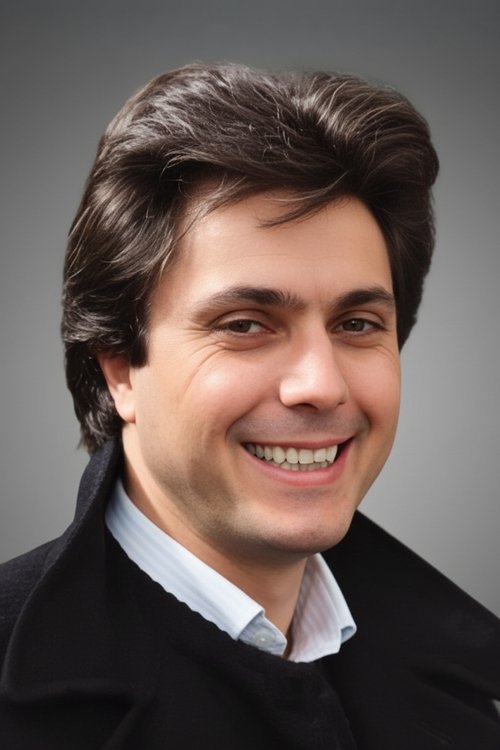
Türkiye
Ömer Kavur
A man sets out on a journey and the place he reaches is himself.
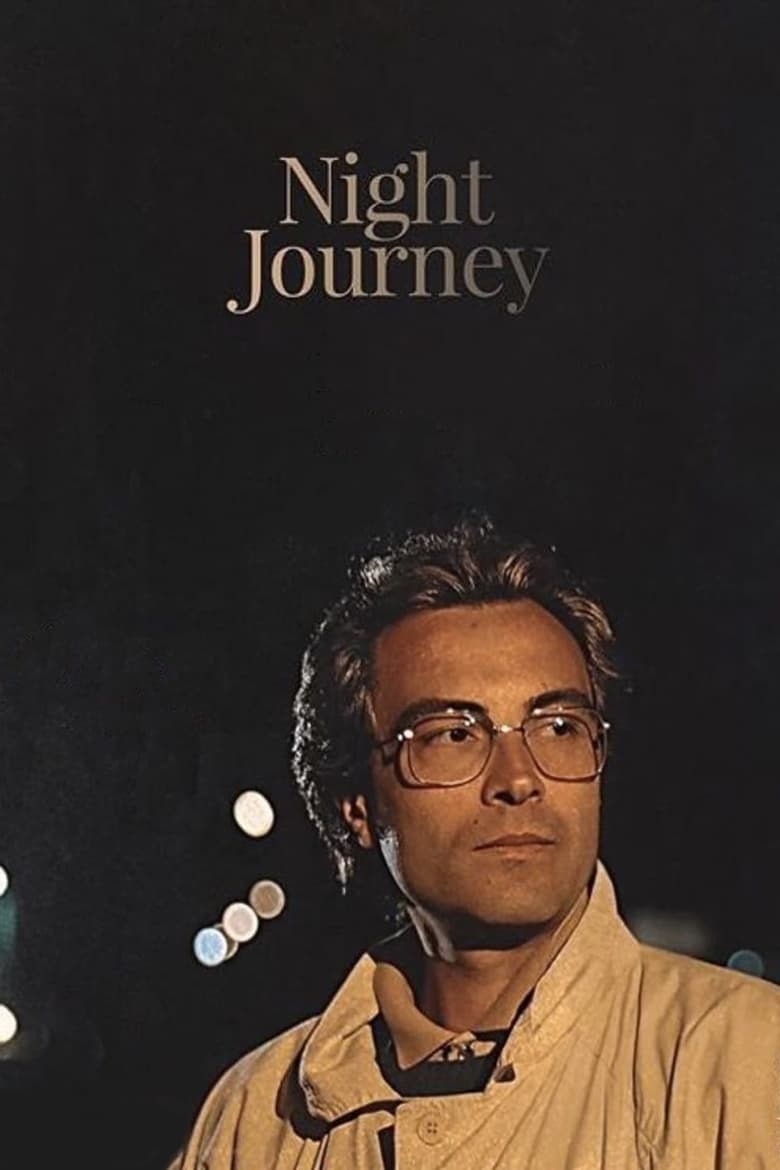
Journeys in Kavur's films always run in two directions. The character goes somewhere — to a town, a hotel, a man — but where he is really going is his own past. The road outside and the road inside move at once, and usually neither is completed.
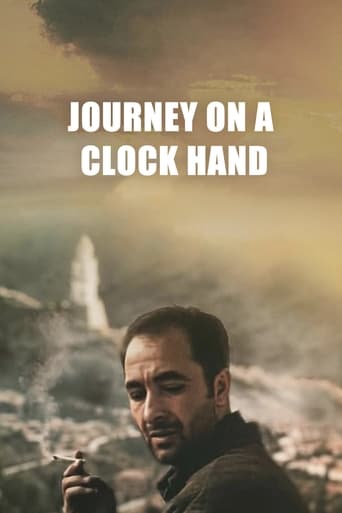
Time is his real subject. Clocks, towers, a moving hand, people waiting. Time doesn't run straight in Kavur; it circles, repeats itself, gets stuck somewhere. A character's past stands inside his present and he can't get free of it.
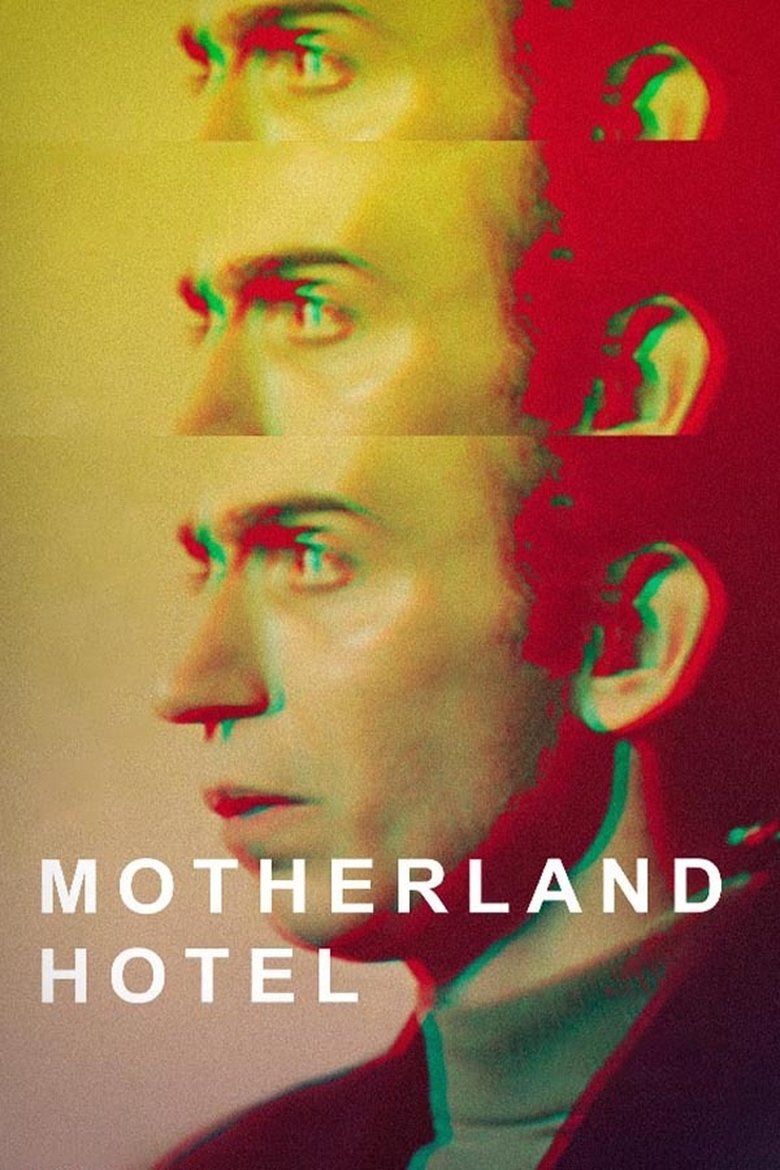
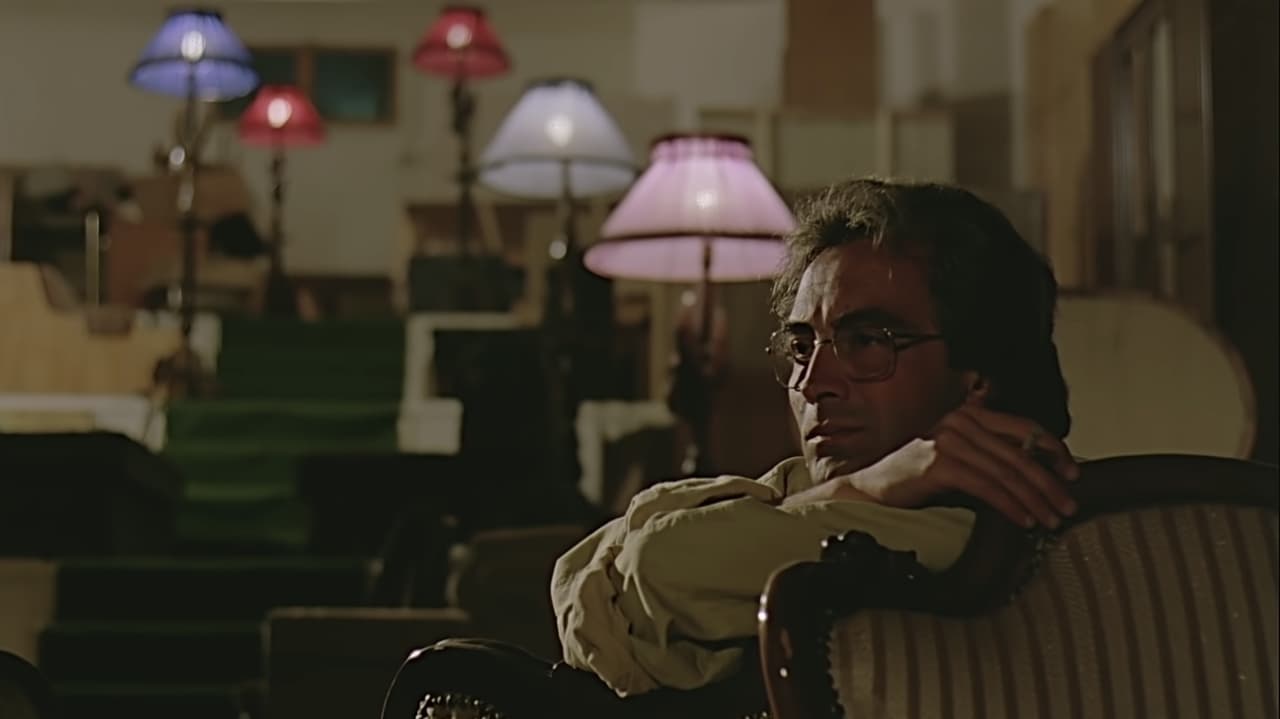
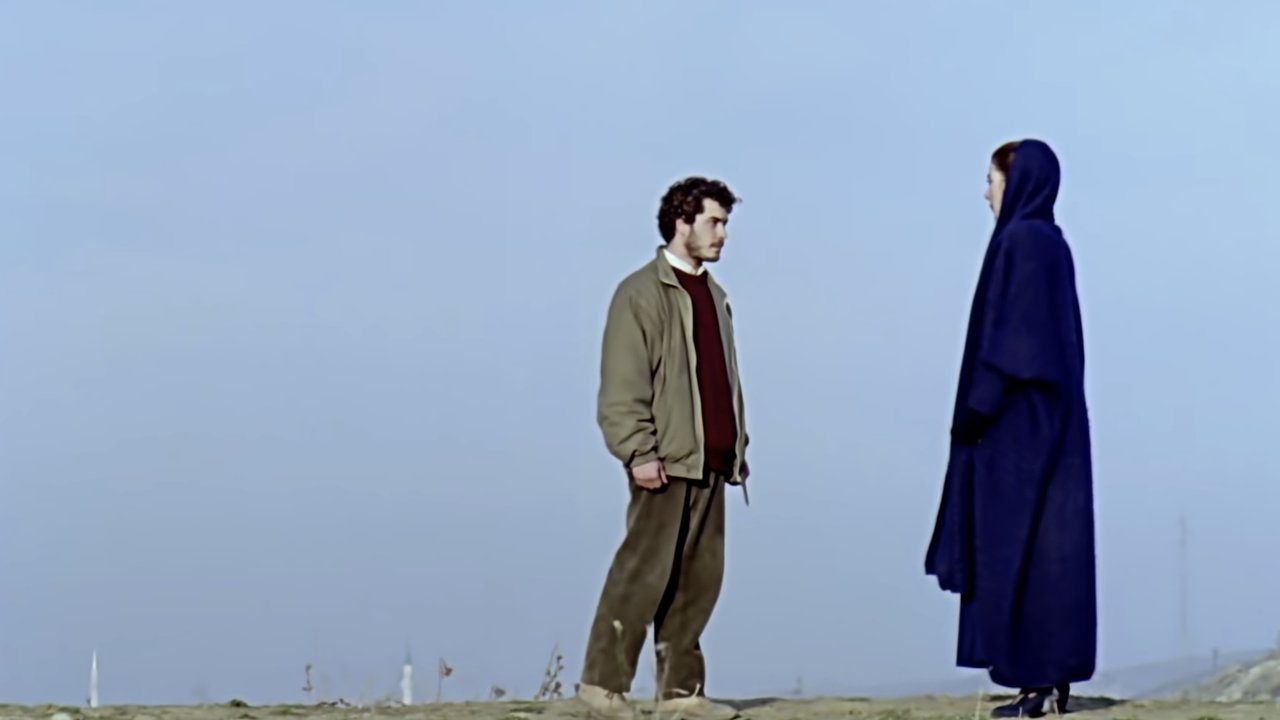
The palette is pale. Mist, grey, emptied spaces, deserted hotels. This isn't only a choice of atmosphere — it's how the character's inner world becomes visible on screen. Loneliness isn't described; it stands in the frame.
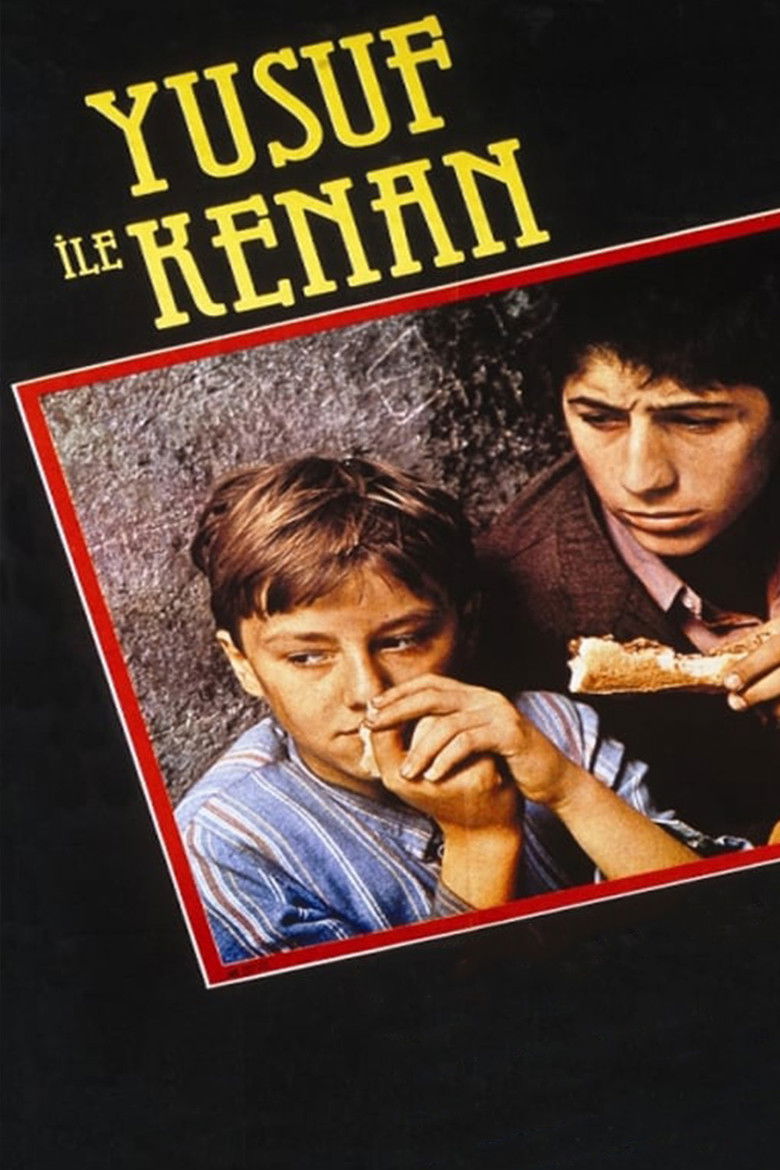
He draws heavily on literature: a novel by Yusuf Atılgan, a story from Orhan Pamuk, adaptations of Refik Halit and Füruzan. But he doesn't labour at being faithful to the text; he takes the story itself and places it inside his own sense of time.
- CameraPale colour, mist, deserted spaces — the frame carries the inner world.
- SoundThe tick of a clock and silence — time is audible.
- SignatureThe journey outside is the journey inside.