Senegal · 1923–2007
Ousmane Sembène
He screened his films in village squares; where there was no cinema he put up the screen himself.
“Cinema is the night school of my people.”
Sembène söyleşileri (Afrika sineması üzerine)
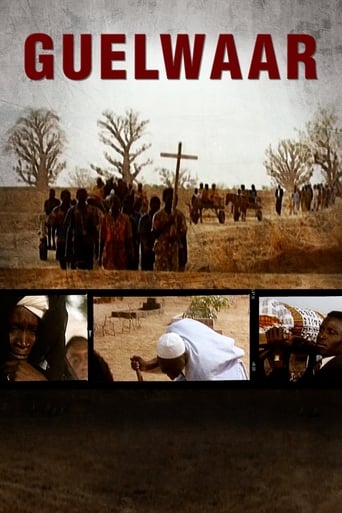
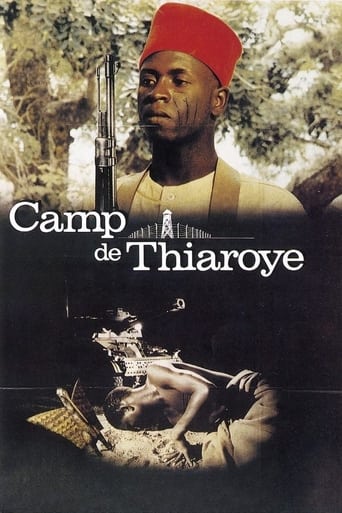
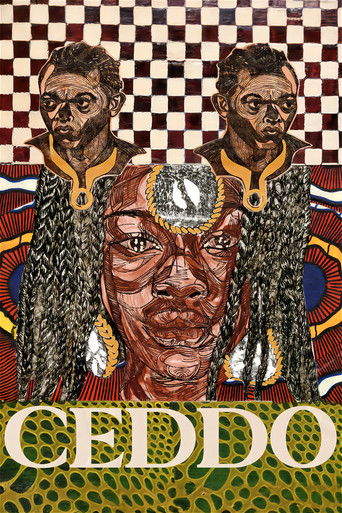
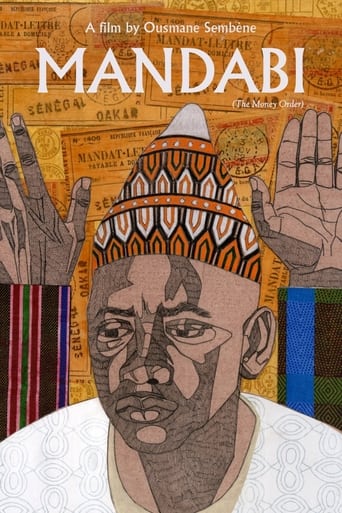
THE WORLD OF Ousmane Sembène
Sembène worked as a docker in the port of Marseille, organised in unions, wrote novels, and then decided to speak to his own people not through books they could not read but through films they could see. With that decision he became one of the most important founders of African cinema.
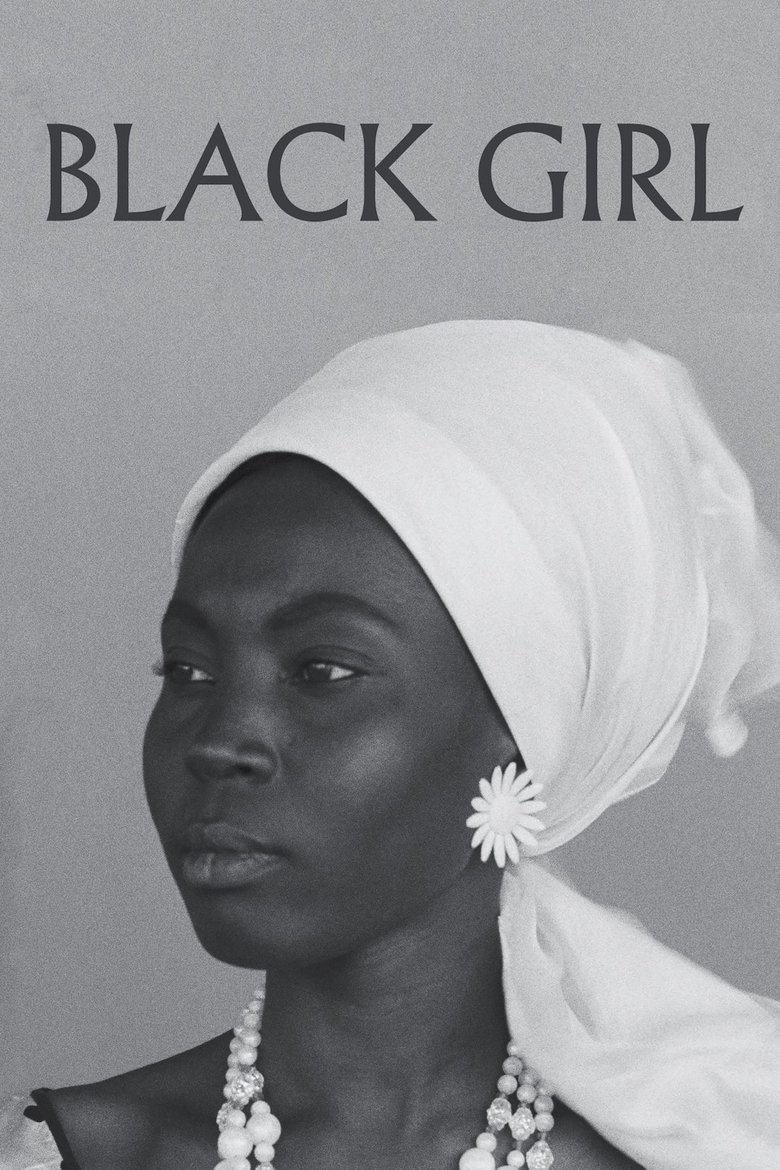
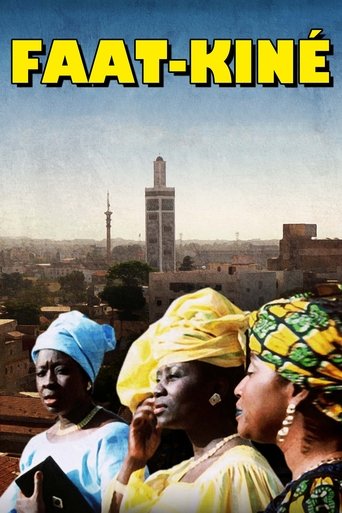
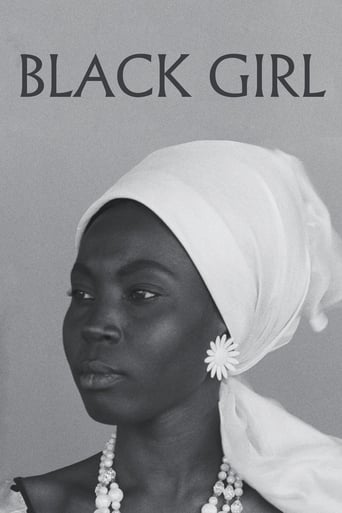
In Black Girl a young woman from Dakar goes to Antibes to work for a French family; instead of the life she was promised, she ends up a captive servant inside an apartment. It is a short, sharp film about colonialism not ending but merely changing its disguise. In his later films he spoke in Wolof and watched Senegal's new rich, its bureaucrats and religion's relationship with power with an ironic eye.
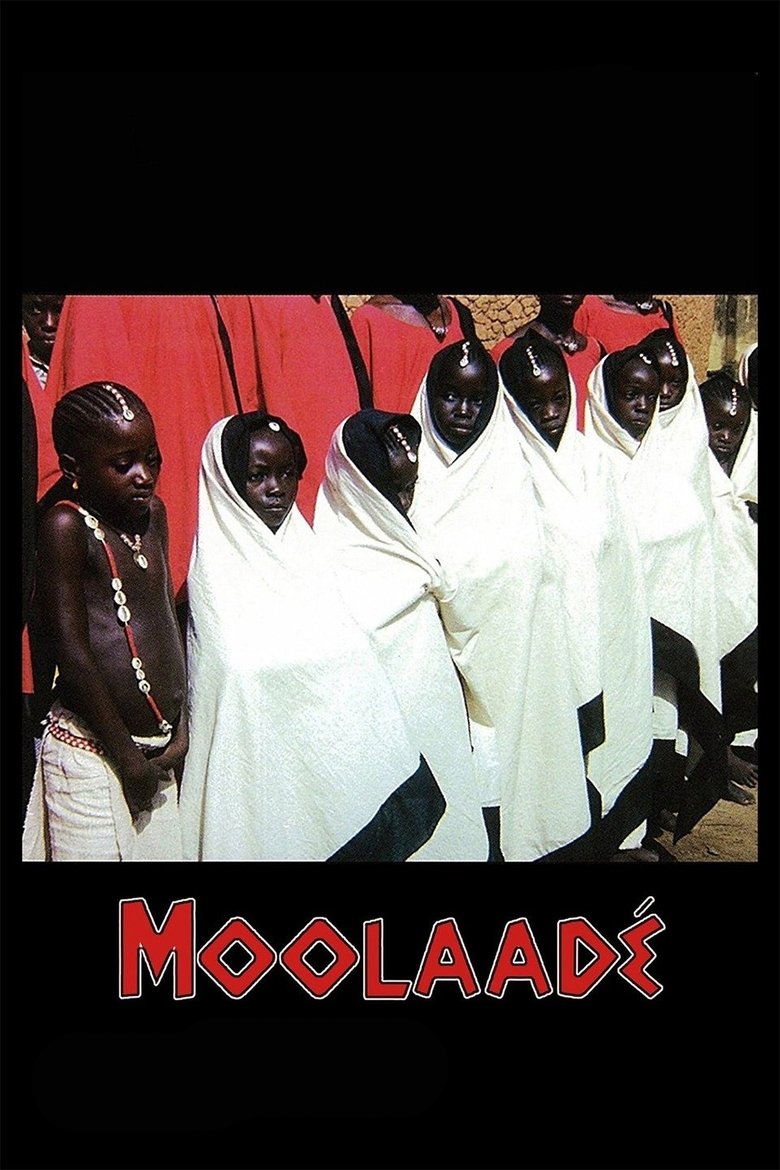
His last film, Moolaadé, told of a woman in a village who opens her door to girls to protect them from cutting. The women resist the men who gather up their radios to burn them. Sembène's cinema always stood with the people, and stayed honest with them about their own mistakes.
- CameraHead-on and fixed; it gives the speaker the floor.
- SoundWolof speech, a kora, the sounds of a courtyard.
- SignatureAn ordinary person face to face with bureaucracy.
Where to start