Poland · 1933
Roman Polanski
He used the apartment as a character; the threat never comes from outside but from the end of the corridor.
The Terror Within the Room
A woman slowly loses her mind in an empty flat. Another grows suspicious of her neighbours' excessive attention. Polanski's dread is not outside, in the dark — it is inside, in the walls of a familiar room.
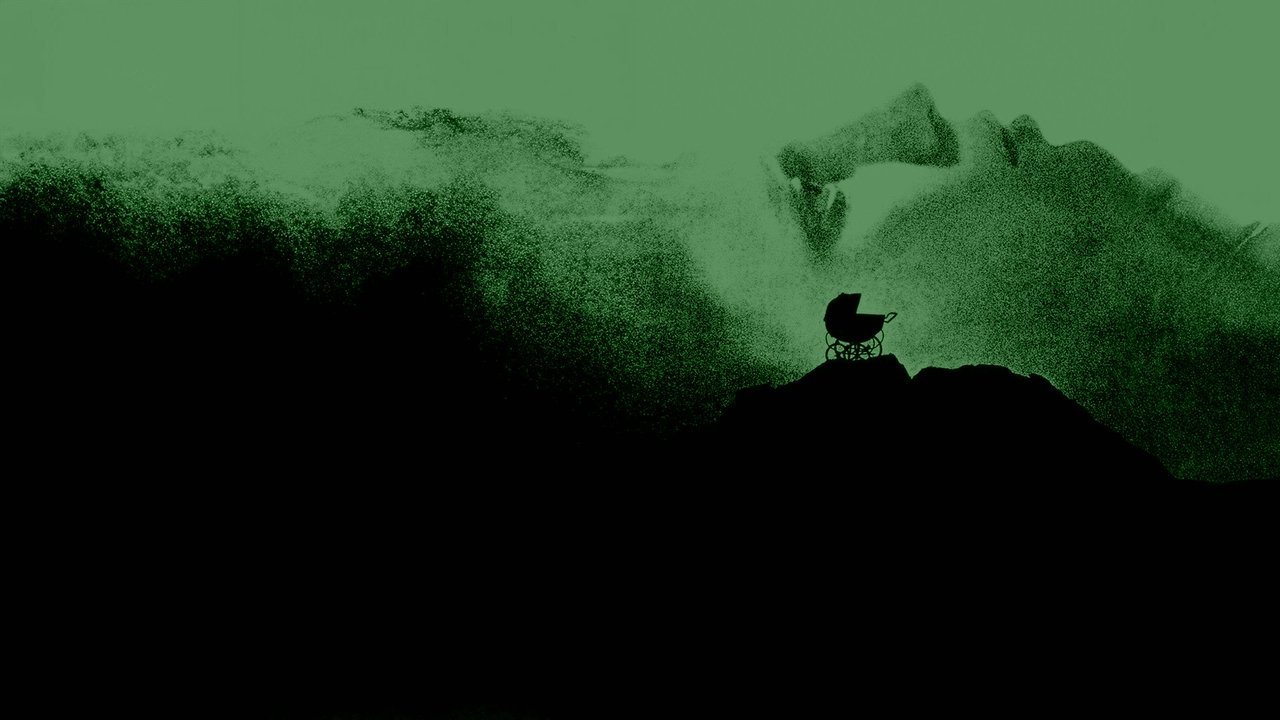
Roman Polanski is the master of claustrophobia. His apartment trilogy — Repulsion, Rosemary's Baby, The Tenant — shows the home not as a shelter but as a trap. Walls close in, neighbours turn into threats, reality comes undone. And along with the character, we lose the ability to tell what is real from what is delusion.
Polanski's dread is psychological. In Repulsion, Carol's collapse does not come from outside; it is born within, out of repressed fears, revulsion, loneliness. The camera enters her mind; the walls cracking, the hands reaching out — these are not special effects but the coming apart of a soul.
His life turned out darker than his films. He survived the Holocaust in Poland; his mother died in a camp. Years later his wife Sharon Tate was brutally murdered. Those tragedies added a reality, a weight to his films — the dread of someone who knows dread.
[Note: Polanski's art is undeniably powerful; his personal life is the subject of serious criticism. AUTEUR treats films on their artistic merits.]
THE WORLD OF Roman Polanski
Polanski's apartment trilogy is a study of space. Claustrophobia and entrapment, home and threat — these are not abstract themes; they take shape in the thickness of a wall, in a neighbour's glance, in the gap of a doorway. The home — the place where a person ought to be safest — becomes in his hands a prison, a room of delusion. The camera bends the space with a wide lens; the walls come closer, the ceiling drops. Claustrophobia stops being a theme and becomes a technique.
His dread is never cheap. Paranoia and surveillance, loneliness and collapse — these begin not with a threat from outside but with the mind betraying itself. There is no monster — or if there is, that is not the real dread. The real dread is inside our heads. Polanski shows us this: the most frightening thing is the familiar turning strange.
Where to start
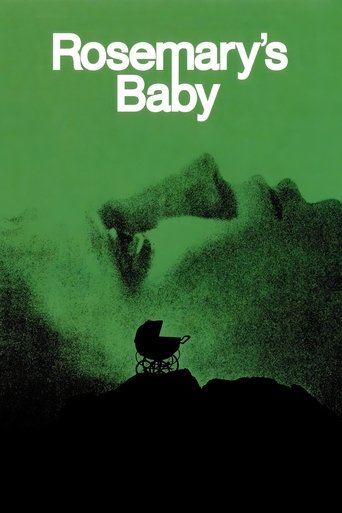
 Rosemary's Baby 1968
Komşular, hamilelik, yavaş yavaş büyüyen dehşet. Klostrofobik korkunun zirvesi.
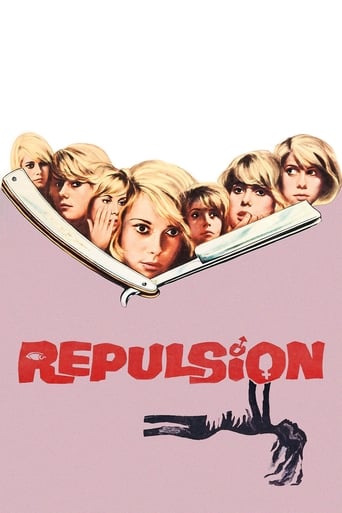
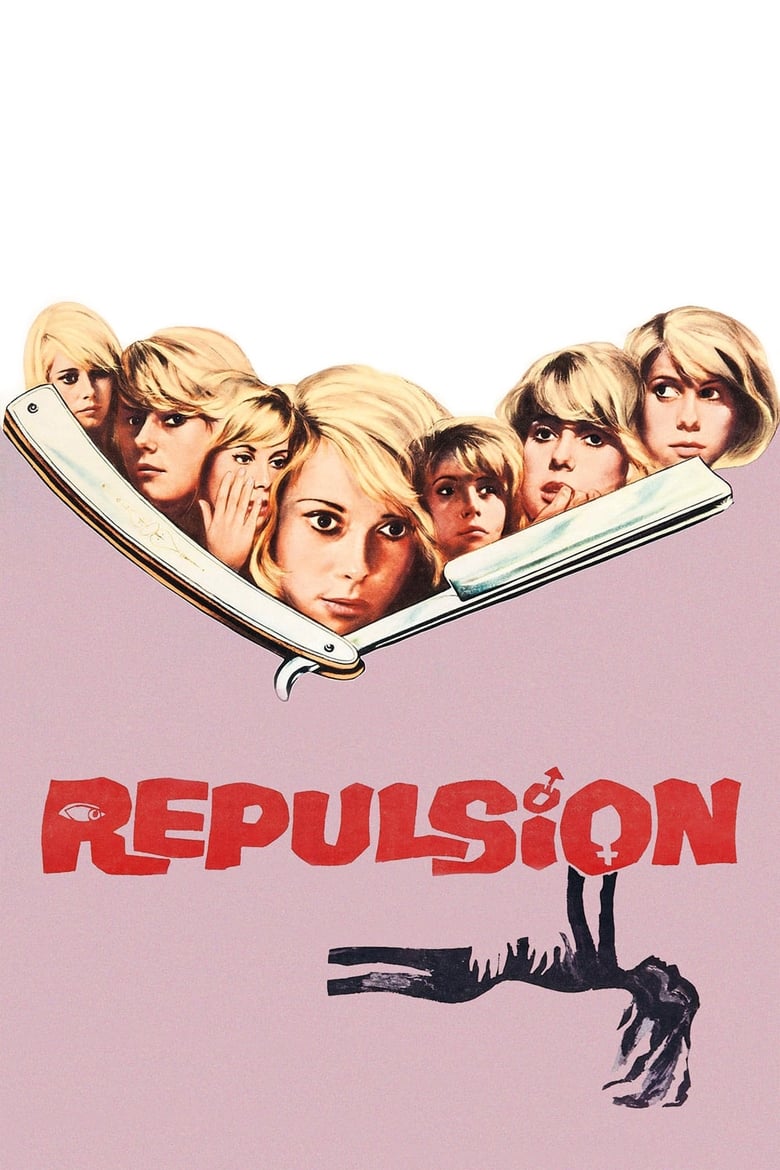 Repulsion 1965
Bir kadının çöküşü, bir dairenin içinde. Deneuve unutulmaz.
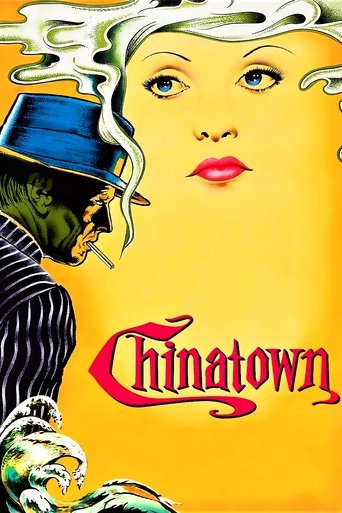
 Chinatown 1974
Neo-noir'ın şaheseri. Yozlaşma, sır, umutsuzluk.
 The Tenant 1976
Apartman üçlemesinin son halkası. Kimlik erimesi.
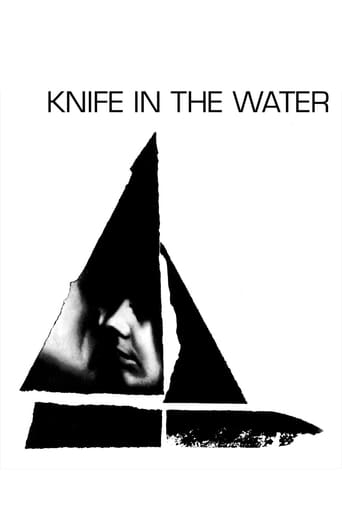
 Knife in the Water 1962
İlk filmi. Bir teknede üç kişi, biriken gerilim.
Canon films





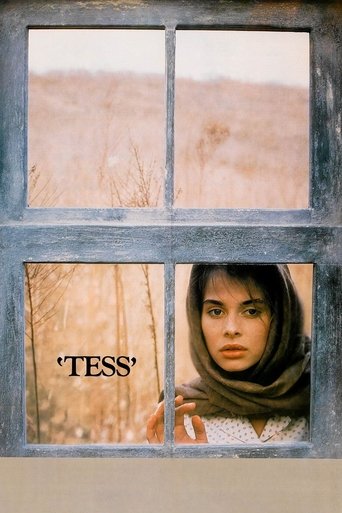


Awards
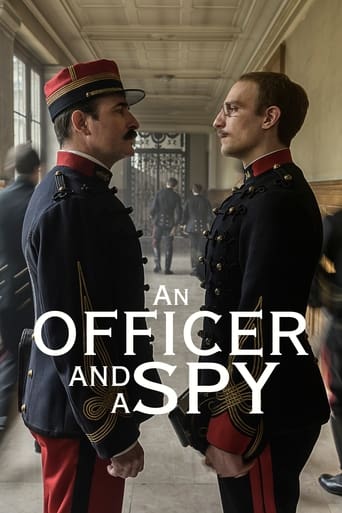
- FeatureEuropean Film Awards · 2021 · nominated · An Officer and a Spy
- César · 2019 · won · An Officer and a Spy
- César · 2019 · won · An Officer and a Spy
- César · 2013 · won · Venus in Fur
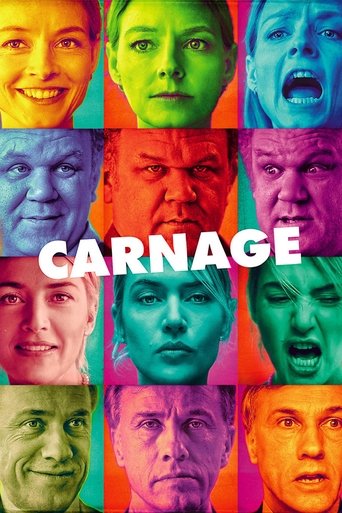
- César · 2011 · won · Carnage
- César · 2010 · won · The Ghost Writer
- European Film Awards · 2010 · won · The Ghost Writer
- Academy Awards · 2002 · won · The Pianist
See all · 23
- BAFTA · 2002 · won · The Pianist
- César · 2002 · won · The Pianist
- Best DirectorEuropean Film Awards · 2002 · nominated · The Pianist
- DirectingAcademy Awards · 1980 · nominated · Tess
- César · 1979 · won · Tess
- BAFTA · 1974 · won · Chinatown
- Best DirectingAcademy Awards · 1974 · nominated · Chinatown
- David di Donatello · 1968 · won · Rosemary's Baby - Nastro rosso a New York
- Writing (Screenplay – Based on Material from Another Medium)Academy Awards · 1968 · nominated · Rosemary's Baby
- Best Foreign Language FilmAcademy Awards · 1963 · nominated · Knife in the Water
- Venice Film FestivalVenice Film Festival · 2019 · nominated · An Officer and a Spy
- Cannes Film FestivalCannes Film Festival · 2013 · nominated · Venus in Fur
- Venice Film FestivalVenice Film Festival · 2011 · nominated · Carnage
- Cannes Film Festival · 2002 · won · The Pianist
- Berlin International Film Festival · 1966 · won · Cul-de-Sac
Interviews
- American Film Institute