United States · 1928–1999
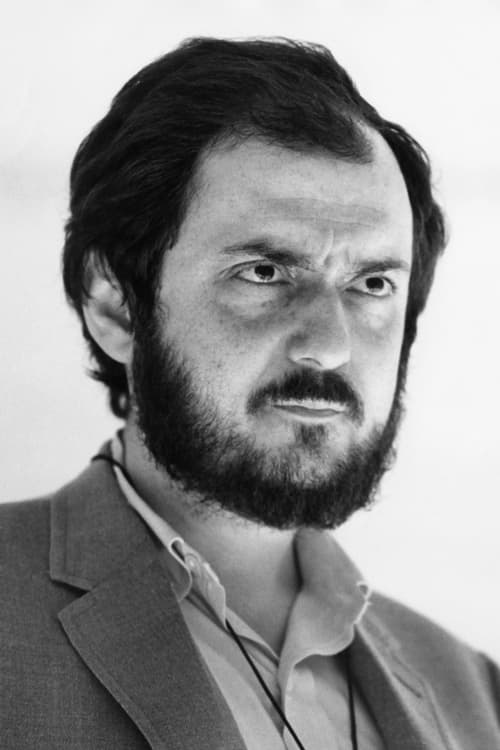
Stanley Kubrick
When he called for a hundredth take, what he was after was not performance but exhaustion.
“If you can talk brilliantly about a problem, it can create the consoling illusion that it has been mastered.”
Playboy röportajı (Eric Norden), Eylül 1968
The Perfectionist
Stanley Kubrick tried a different genre with every film. War, horror, science fiction, costume drama, black comedy. And in every one of them there was the same Kubrick — cold, calculating, ruthlessly in pursuit of the perfect.
He grew up in New York and came to cinema from photography. His eye was always on the frame. Symmetry became Kubrick's language. Central perspective, corridors pulling a character into a tunnel, spaces that shrink the human being — none of it was chance. Every frame was calculated.
When 2001: A Space Odyssey appeared, nobody quite understood what they had seen. But everyone felt something. That is how Kubrick's cinema works — before the mind can grasp it, the body reacts.
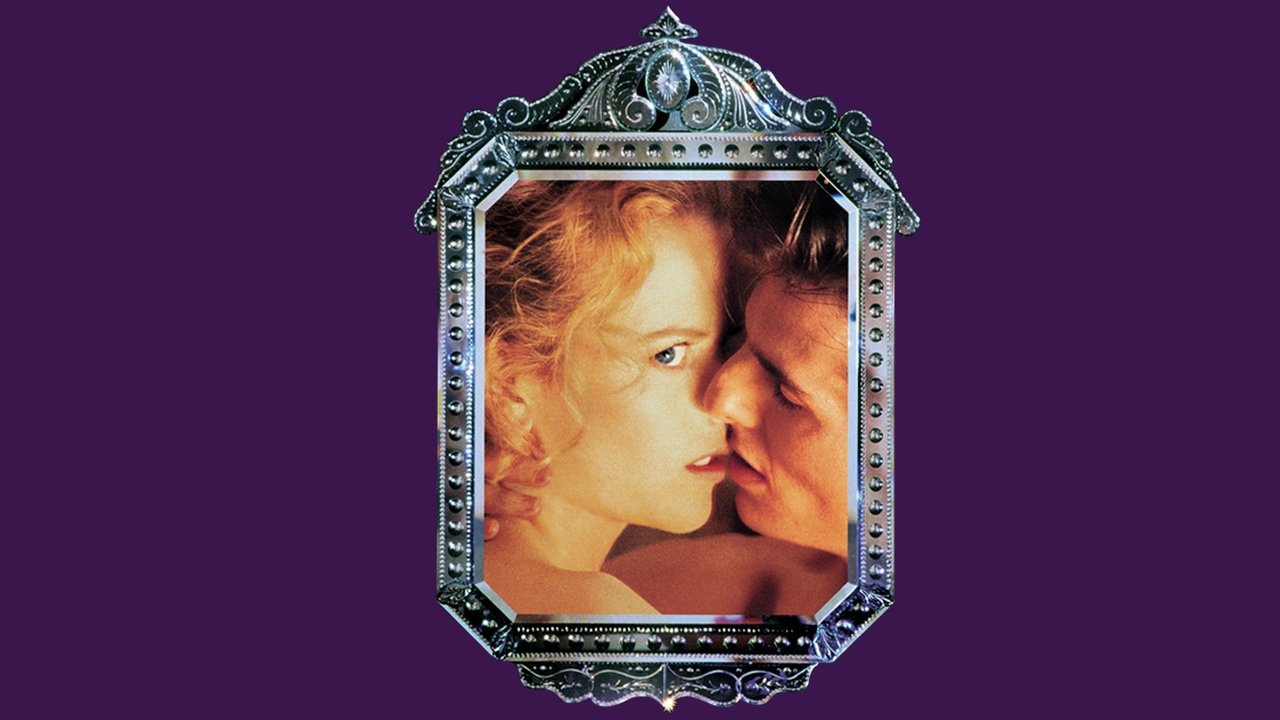
He spent the last twelve years of his life barely leaving his house. The estate in England was both home and studio. Days after completing the final cut of Eyes Wide Shut, he died in his sleep.
THE WORLD OF Stanley Kubrick
Kubrick looks from a distance. His camera settles with mathematical precision, the symmetry is faultless, every frame is built like a painting — and that cold perfection is precisely his subject. The systems we build: war, technology, institutions, reason. Kubrick shows the madness inside them, the violence and absurdity simmering under that icy order. In the silence of a spacecraft, in the empty corridors of a hotel, in the discipline of a battlefield we sense the same thing: the human being has been made small inside the machine he made.
He changed genre with every film — science fiction, costume drama, horror, war, satire — but the signature never changed: an obsessive perfection, an unnerving coldness, and a dread trembling below the surface. He is said to have shot a single scene hundreds of times and to have measured his frames to the millimetre; for Kubrick, control was the only way to describe chaos. His cinema does not embrace you, it sets itself opposite you — and in that uncomfortable distance it whispers the coldest truths about us.
Where to start
 2001: A Space Odyssey 1968
Sinema tarihinin en büyük görsel deneyimi. Acelesiz izleyin.
 The Shining 1980
Korku sinemasını yeniden tanımladı.
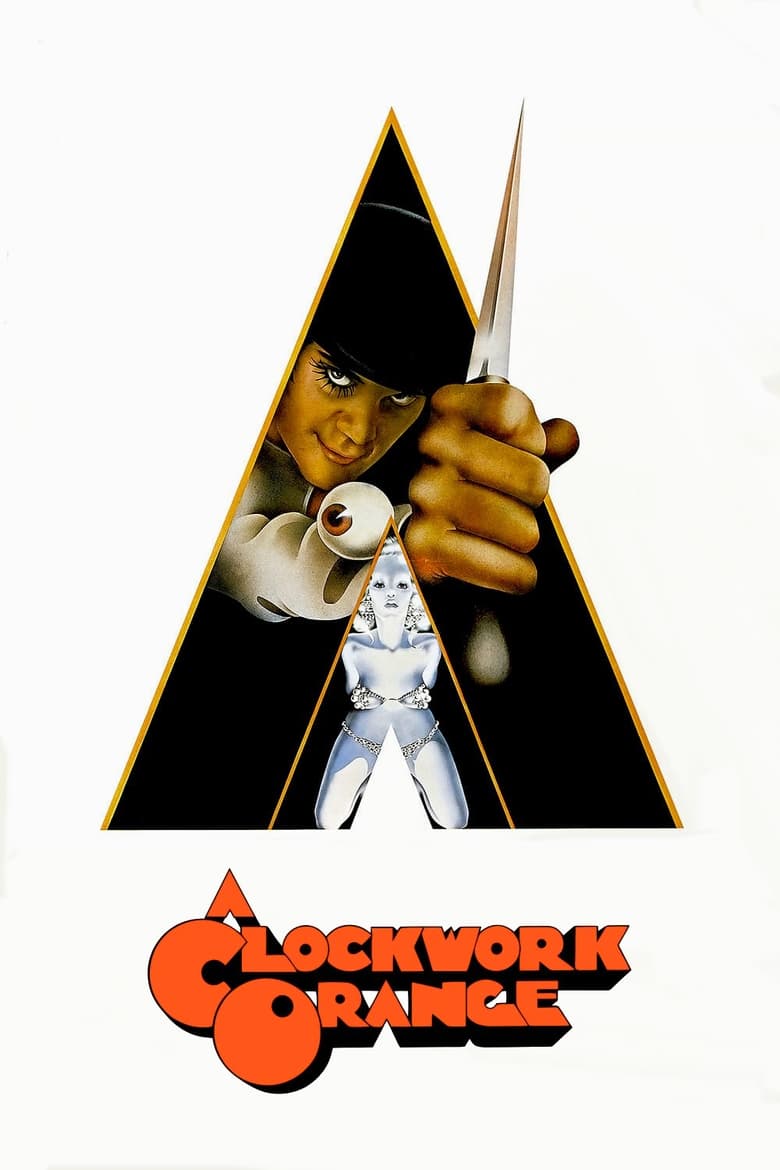 A Clockwork Orange 1971
Şiddet, özgür irade ve sistem. En tartışmalı Kubrick.
 Dr. Strangelove 1964
Nükleer savaşı kara komedi ile anlatan tek film.
 Full Metal Jacket 1987
İki bölüm, iki dünya. Savaşın içindeki savaş.
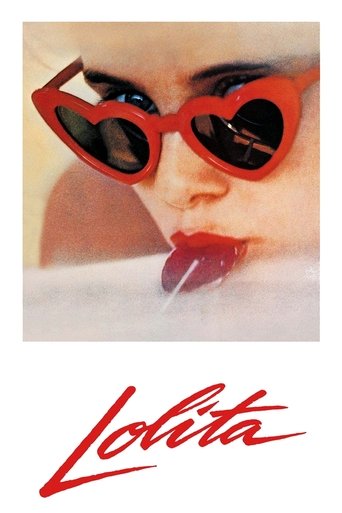
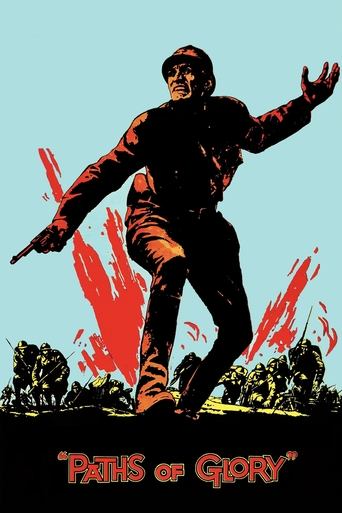
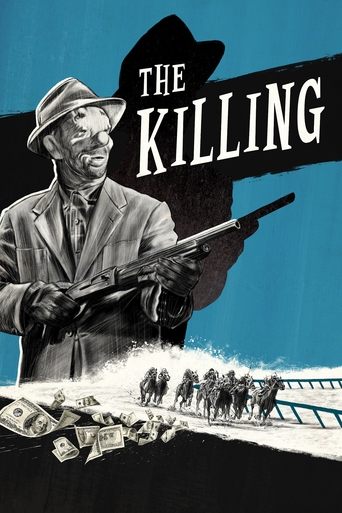
Canon films


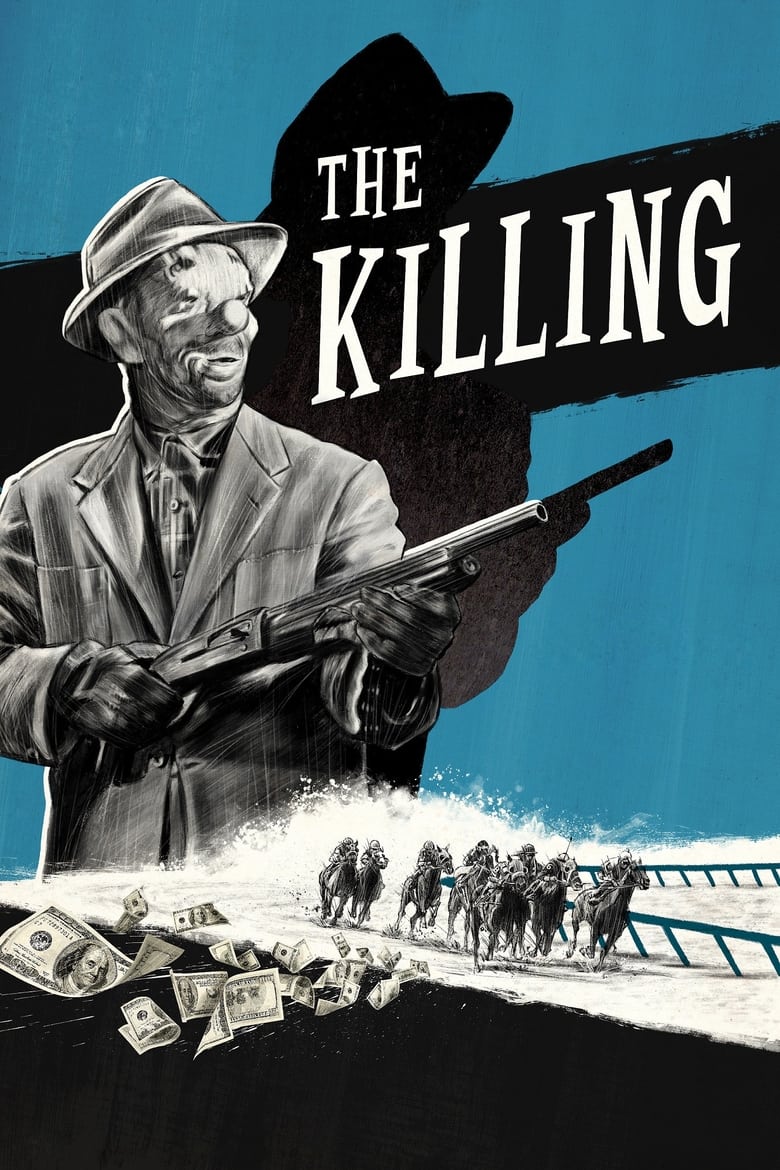
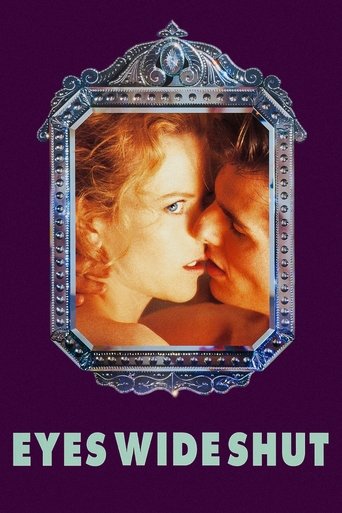
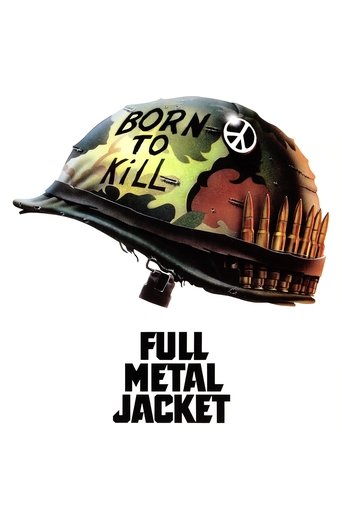
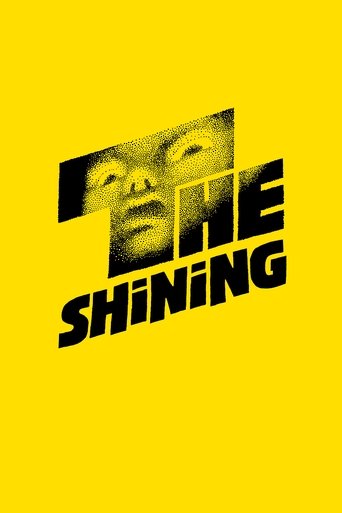
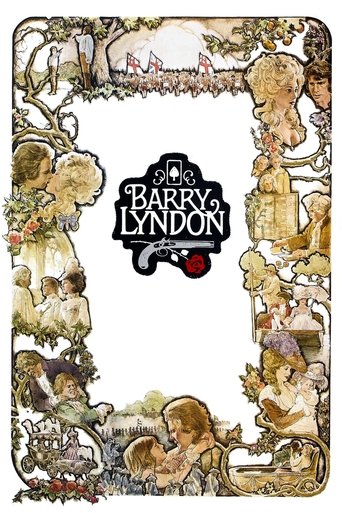
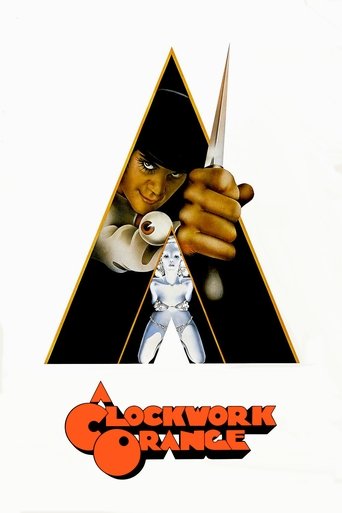
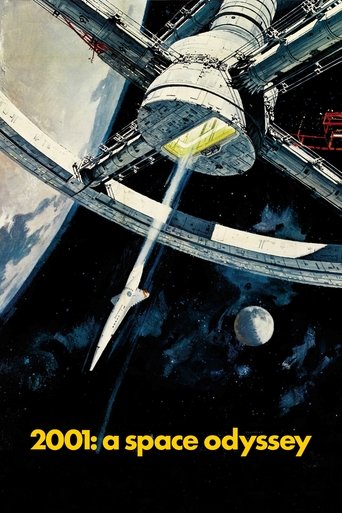
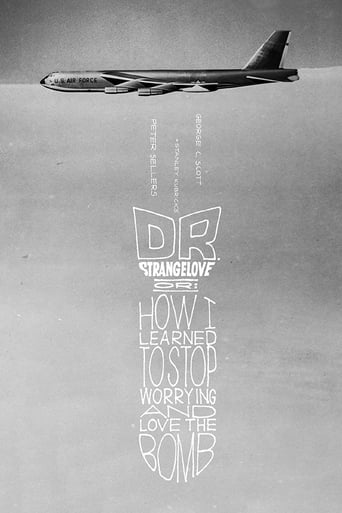
Awards
- Writing (Screenplay Based on Material from Another Medium)Academy Awards · 1987 · nominated · Full Metal Jacket
- Miglior regista stranieroDavid di Donatello · 1987 · nominated · Full Metal Jacket
- BAFTA · 1975 · won · Barry Lyndon
- Writing (Screenplay Adapted from Other Material)Academy Awards · 1975 · nominated · Barry Lyndon
- Best DirectingAcademy Awards · 1975 · nominated · Barry Lyndon
- Best DirectionBAFTA · 1972 · nominated · A Clockwork Orange
- Best ScreenplayBAFTA · 1972 · nominated · A Clockwork Orange
- Writing (Screenplay – Based on Material from Another Medium)Academy Awards · 1971 · nominated · A Clockwork Orange
See all · 16
- Best DirectingAcademy Awards · 1971 · nominated · A Clockwork Orange
- Best DirectingAcademy Awards · 1968 · nominated · 2001: A Space Odyssey
- Writing (Story and Screenplay – Written Directly for the Screen)Academy Awards · 1968 · nominated · 2001: A Space Odyssey
- United Nations AwardBAFTA · 1968 · nominated · 2001: A Space Odyssey
- BAFTA · 1964 · won · Dr. Strangelove
- Writing (Screenplay – Based on Material from Another Medium)Academy Awards · 1964 · nominated · Dr. Strangelove
- Best DirectingAcademy Awards · 1964 · nominated · Dr. Strangelove, or: How I Learned to Stop Worrying and Love the Bomb
- Best British ScreenplayBAFTA · 1964 · nominated · Dr. Strangelove
Interviews
- Documentary