United States
William Wyler
Wait instead of cutting, and let the scene resolve itself.
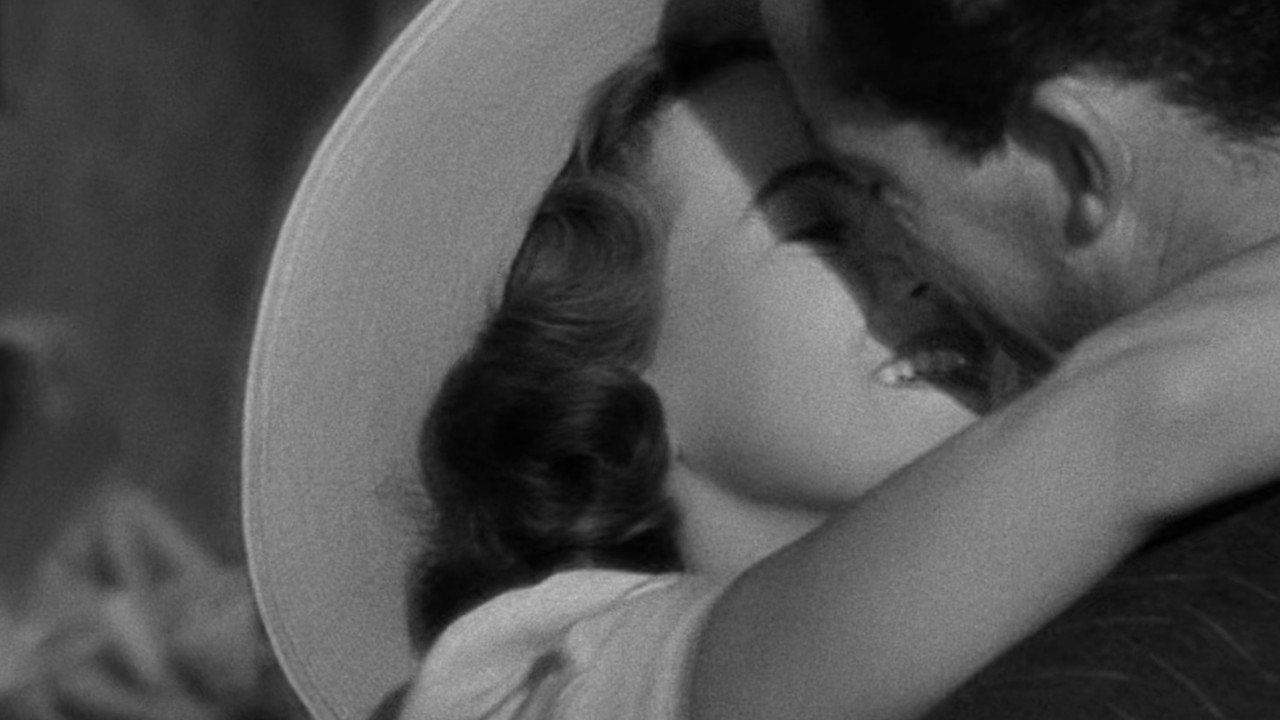
Wyler doesn't break a scene into pieces. The camera holds, the actors move within the room, the person in front and the person behind stay in the same shot. Who is looking at whom, who is staying silent — all of it is visible in one frame.
This method puts the acting forward. Because the editing doesn't point at a feeling, the audience reads the faces for itself. His famous patience with actors comes from the same place: shooting a scene many times means looking for the right moment in the take, not in the cut.
His subjects are usually the pressure inside a family or a community. Nobody shouts, nobody explodes; the room fills, the tension rises, and then one sentence from one person changes everything.
- CameraDeep focus and long takes — foreground and background in one frame.
- SoundSilence carries the tension; the break comes without the voice rising.
- SignatureDuration rather than cutting — the scene resolves in its own time.





Awards
- Best DirectingAcademy Awards · 1965 · nominated · The Collector
- Academy Awards · 1959 · won · Ben-Hur
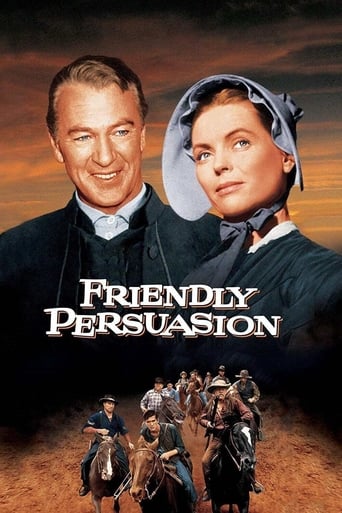
- Best DirectingAcademy Awards · 1956 · nominated · Friendly Persuasion
- Best DirectingAcademy Awards · 1953 · nominated · Roman Holiday
- Best DirectingAcademy Awards · 1951 · nominated · Detective Story
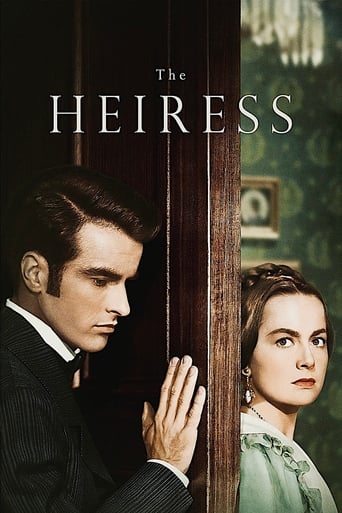
- Best DirectingAcademy Awards · 1949 · nominated · The Heiress
- Academy Awards · 1946 · won · The Best Years of Our Lives
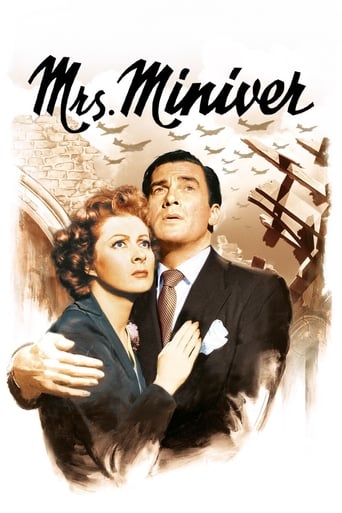
- Academy Awards · 1942 · won · Mrs. Miniver
See all · 13
- Best DirectingAcademy Awards · 1941 · nominated · The Little Foxes
- Best DirectingAcademy Awards · 1940 · nominated · The Letter
- Best DirectingAcademy Awards · 1939 · nominated · Wuthering Heights
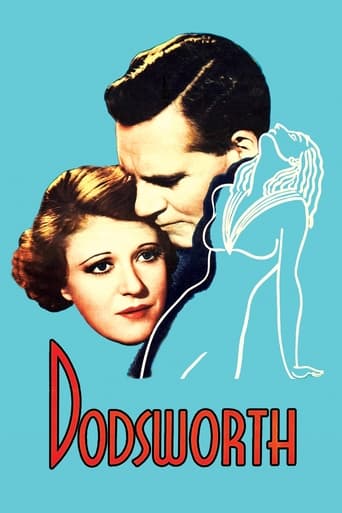
- Best DirectorAcademy Awards · 1936 · nominated · Dodsworth
- Cannes Film Festival · 1957 · won · Friendly Persuasion