Egypt · 1926–2008
Youssef Chahine
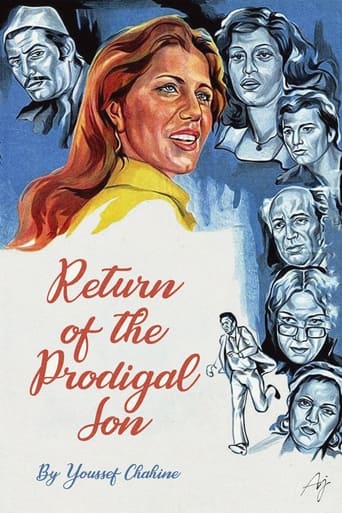
He chose an actor to play his own life, and then turned that actor into a star.
THE WORLD OF Youssef Chahine
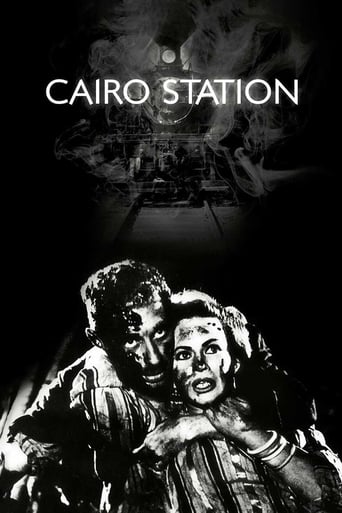
Chahine grew up in Alexandria, a city of many languages and many faiths, and his cinema always carried that city's openness. In Cairo Station he acted himself: a lame, lonely man selling newspapers at the railway station, obsessively attached to a woman who sells lemonade. When the film came out Egyptian audiences rejected it; years later it was seen as one of the boldest films in Arab cinema.
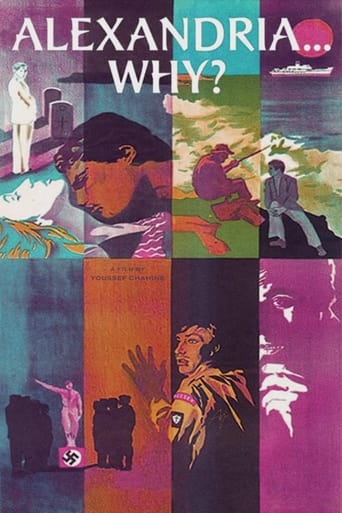
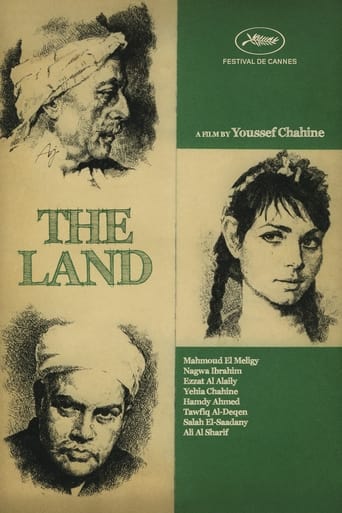
In The Land he told of peasants' struggle for their land, and in the final scene the hands of a man being dragged across the earth grip it fast. In his Alexandria trilogy he returned to his own youth, his Hollywood dreams and family stories, bringing autobiography together with song, dance and politics in the same film.
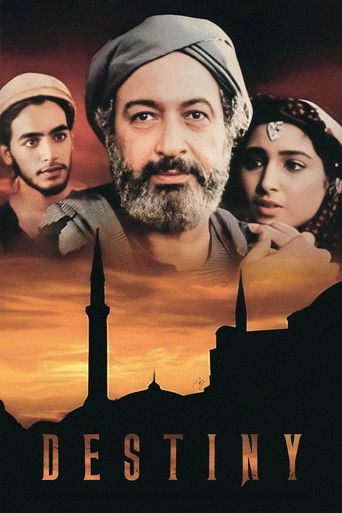
In Destiny he told the story of Averroes, the twelfth-century Andalusian philosopher whose ideas were banned, as a film against the bigotry of his own time. For Chahine, cinema was a way for a city, a region, a people to be able to sing freely.
- CameraMobile inside a crowd; on platforms, in streets.
- SoundTrains, crowds, song — over the dialogue.
- SignatureA musical number cutting into the narrative.
Where to start
Canon films