Country room
Egypt
Of the hundred and eighteen films in this room, a hundred and sixteen are by Egyptian directors. No diaspora, no obligation to co-produce, no dependence on another country's money — Egypt was the one country in the Arab world to build its cinema on its own feet. Yet in those same hundred and eighteen films there are only four women directors, and all of them after 2004.
Whom does a cinema that stands on its own feet leave outside?
One film arrived in 1939 and everything after it took its position accordingly: the camera went into the stairwell, the street, the cramped room. Then came the big studio years, then the state took cinema over, then let it go. This chain is not a list but an order of handovers.

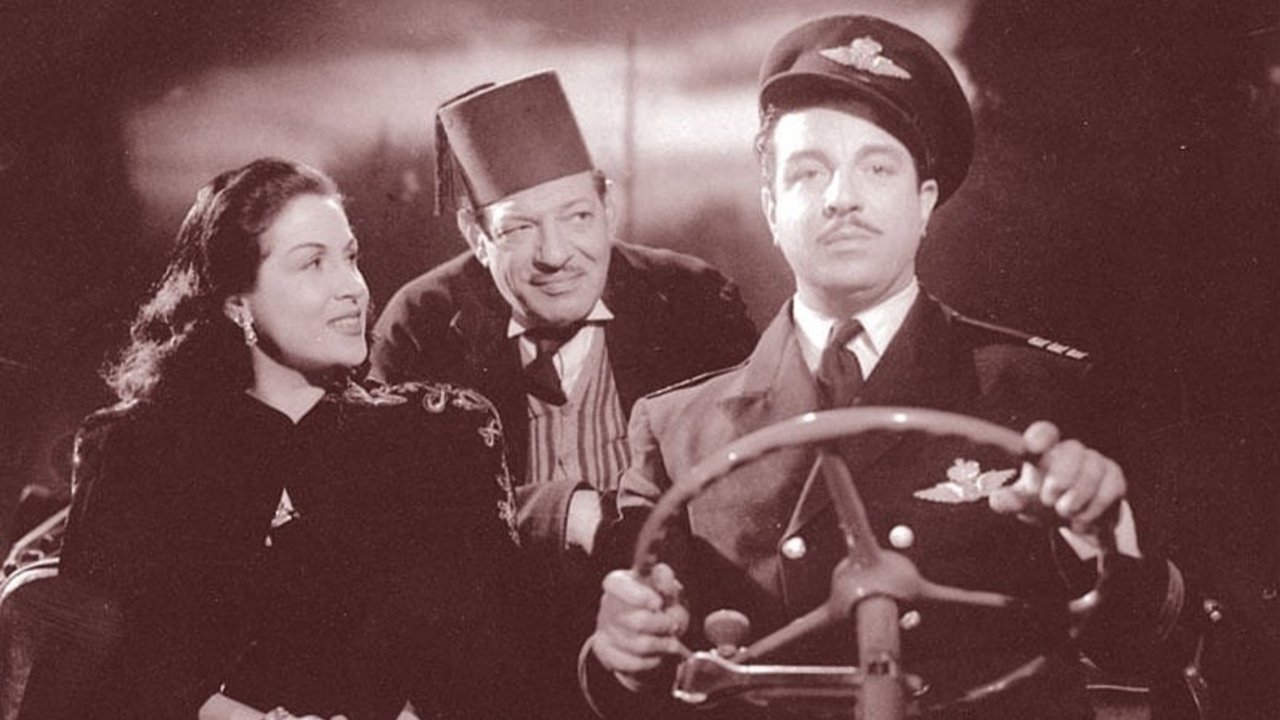
The Flirtation of Girls
A private tutor, a rich man's daughter, and songs in between. The studio order of royal-era Egyptian cinema appears here fully formed — stars, music, and a market already set up for distribution. Nine years later the camera leaves the studio and settles in a railway station.

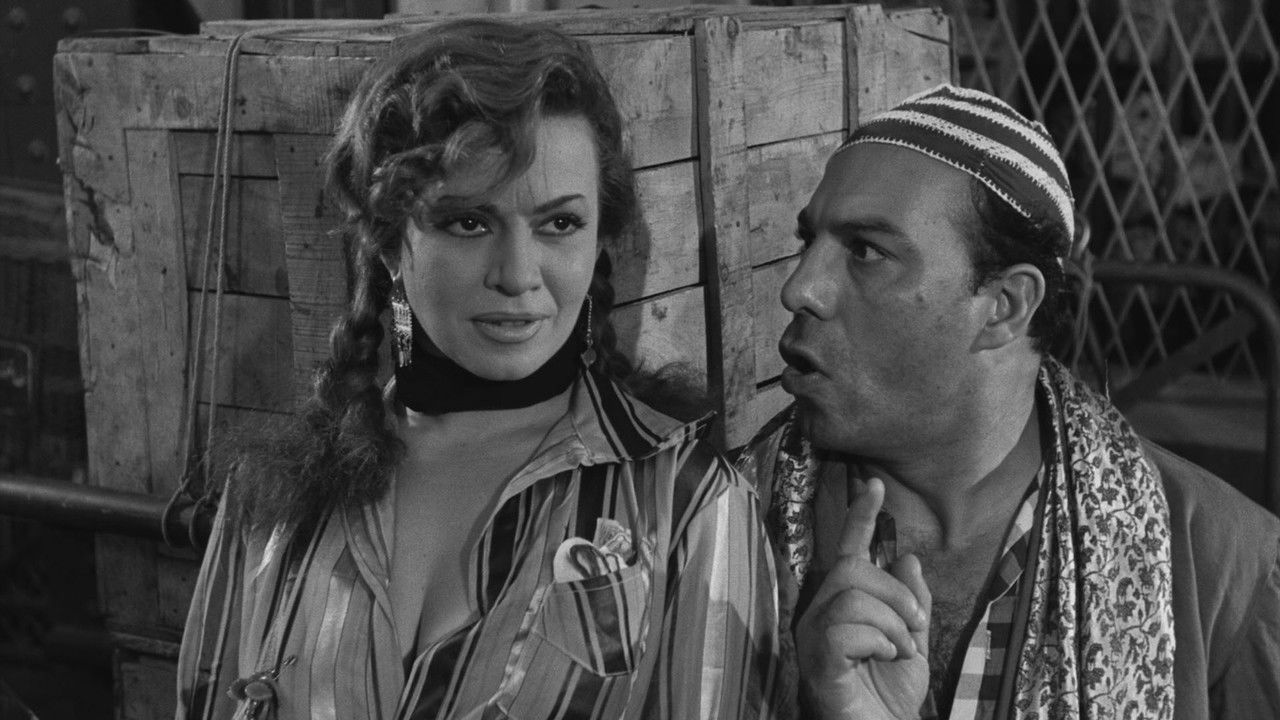
Cairo Station
Kinawi sells newspapers and never leaves the station. Chahine both directed and played the lead, and audiences were not ready to see him that way — the film drew objections at home on release. The next year the camera goes south and enters a village's own law.
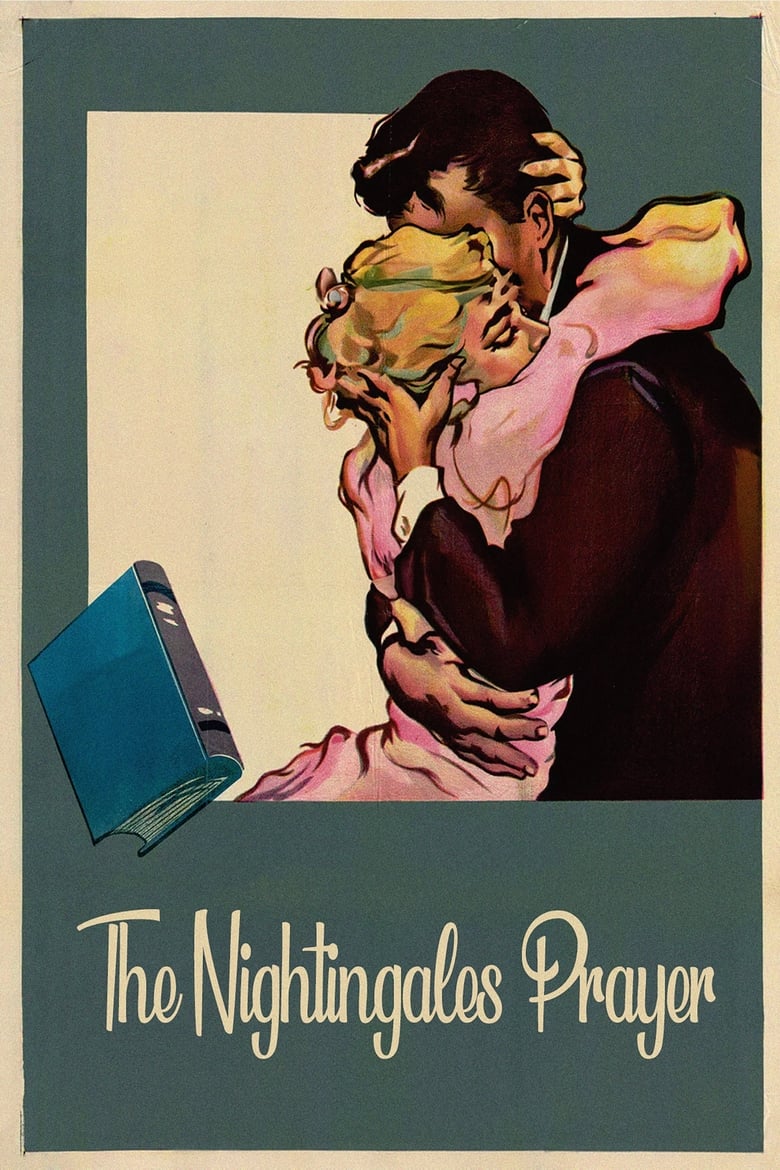
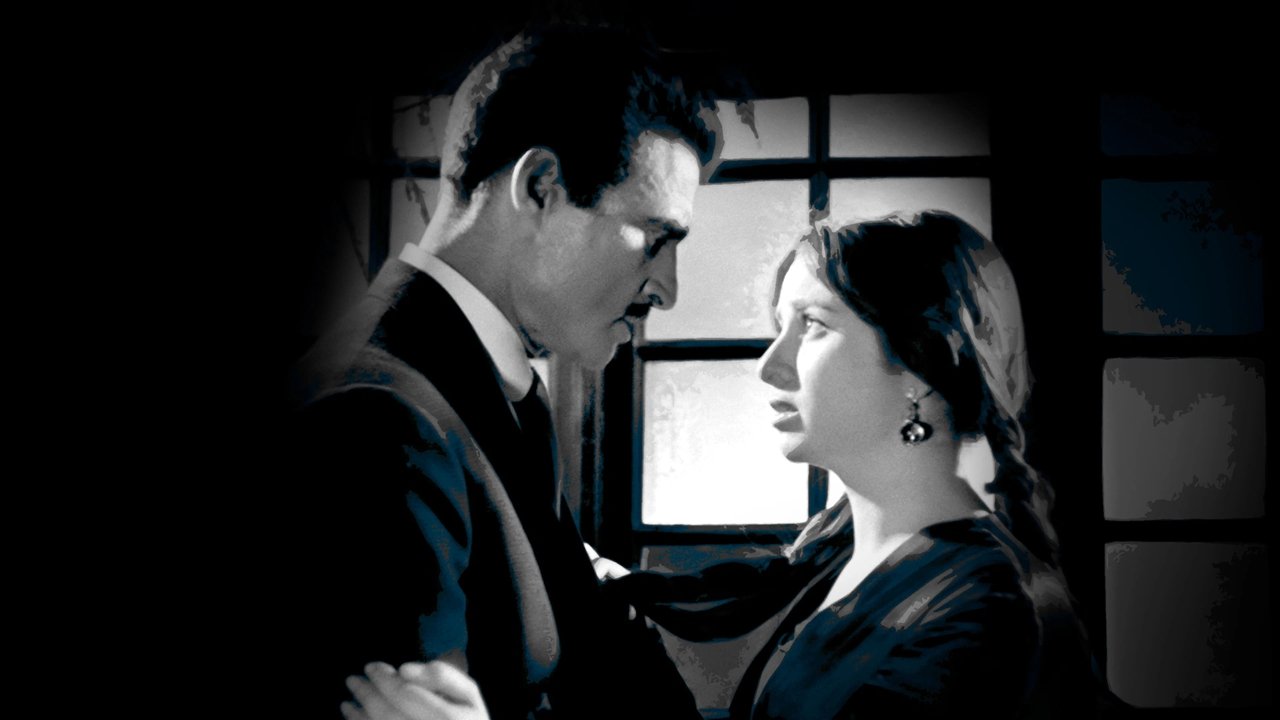
The Nightingale's Prayer
Her sister is killed in the name of honour and Amna comes for revenge. Upper Egypt here is not a landscape but a place the state does not reach. Ten years later a tribe robs mummies and a young man wants to stop it.

The Night of Counting the Years
The speech moves slowly and the film is built at an almost ritual pace. Abdel Salam made his only feature, and this is generally counted the most respected film in Egyptian cinema. The next year water is cut off in a village and the peasants are put down once again.
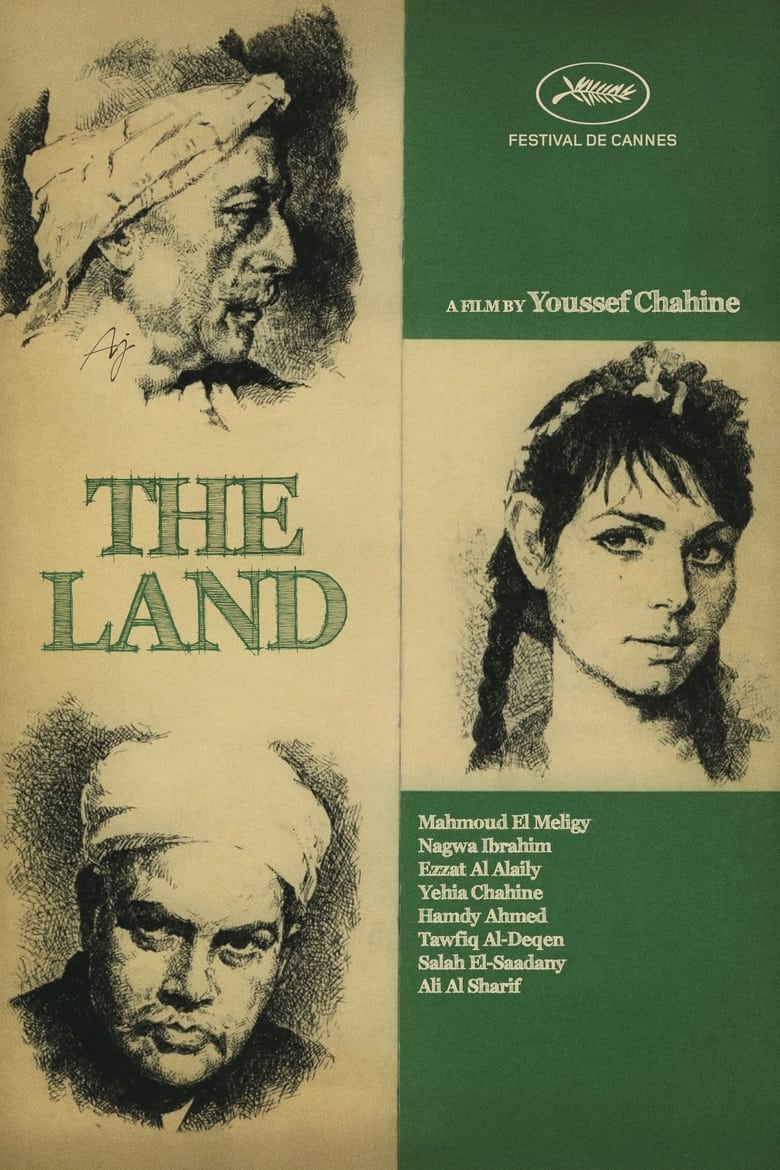
The Land
The landowner cuts off the water and the village splits. Chahine made this film eighteen years after the land reform and asked how much of that reform had actually happened. Two years later a university student dances at weddings in the evenings.

Watch Out for Zuzu
With this film Soad Hosny became the country's best-known face, and it ran for over a year. What sold it was not its director but its star. Four years later a family story is built as a musical and the reckoning of 1967 is put into songs.
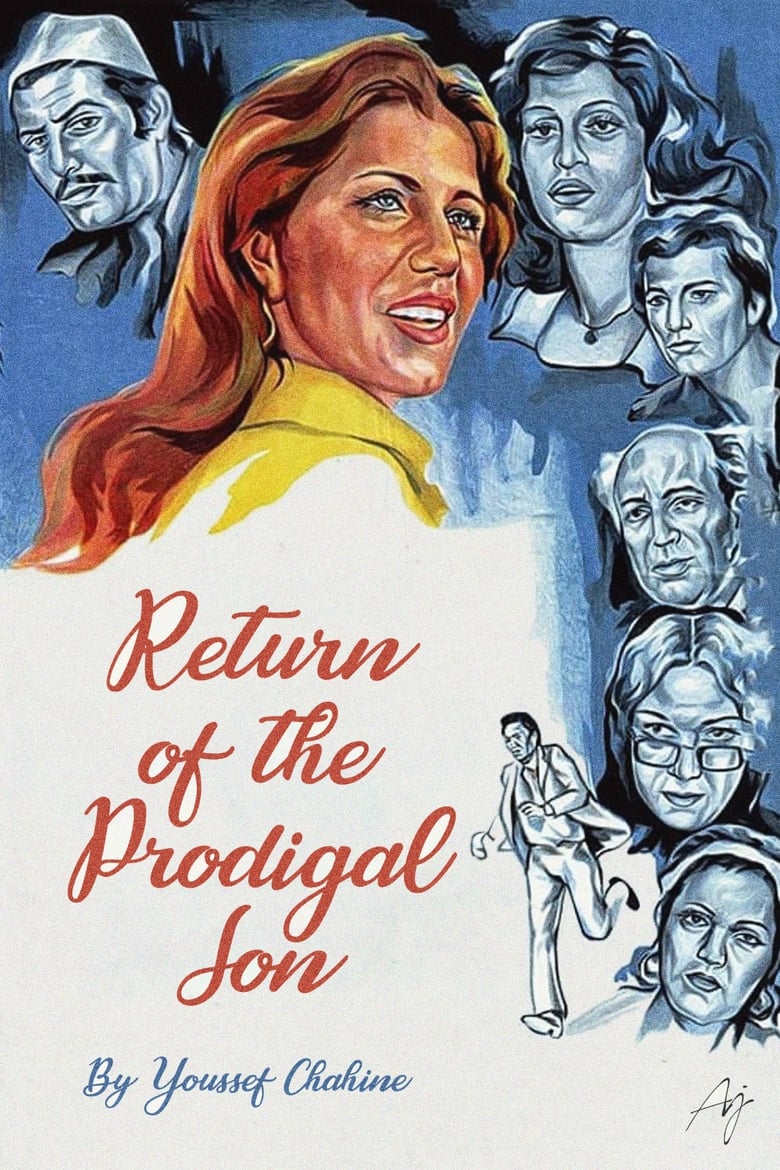
Return of the Prodigal Son
He returns and the house is no longer the same. Chahine was known as an auteur, yet this film too was sold on its star cast — the system covered the director as well. Three years later the same director turns to his own youth and remembers a four-language city.
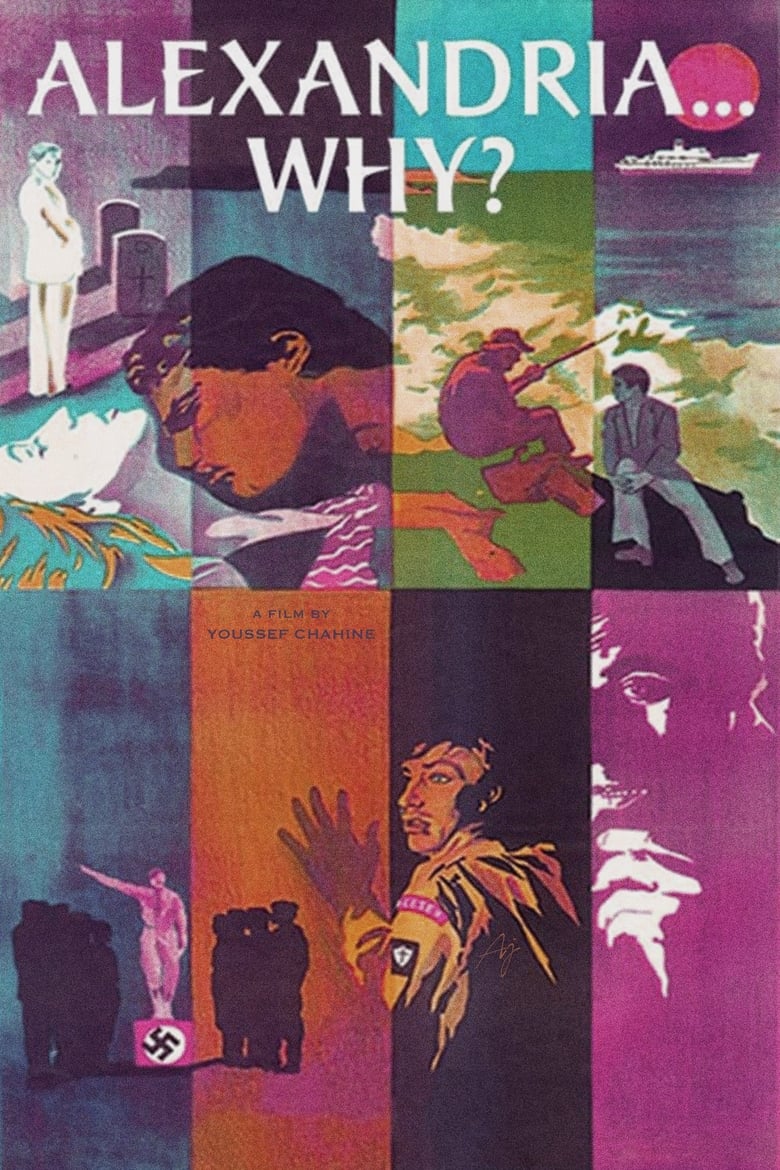
Alexandria... Why?
1942, the war, and a young man who wants to go to America. In the city Greeks, Italians, Jews and Egyptians live on the same street — that Alexandria no longer existed in the year the film was made. Seven years later, in a village, women begin waiting for men who do not return.
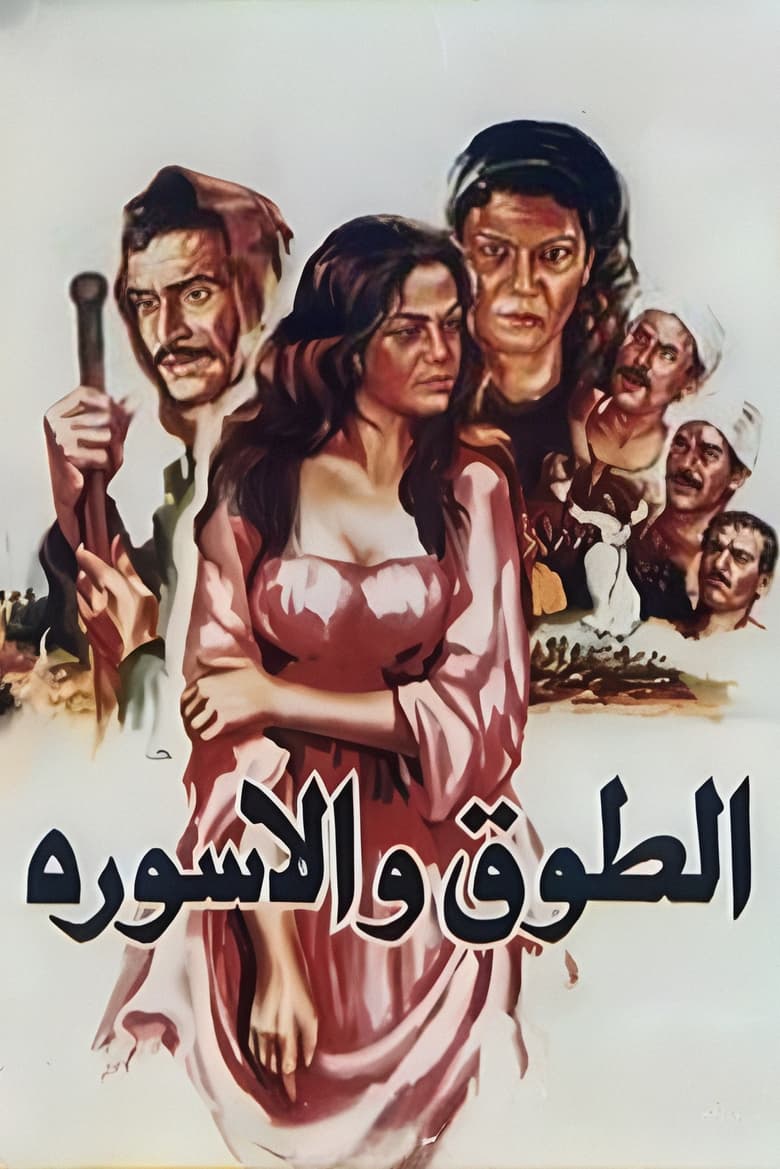
The Collar and the Bracelet
A waiting that lasts three generations in Upper Egypt. Beshara filmed migration not as an event but as a family's permanent condition. Five years later, in Cairo, a blind man knows the neighbourhood better than it knows itself.
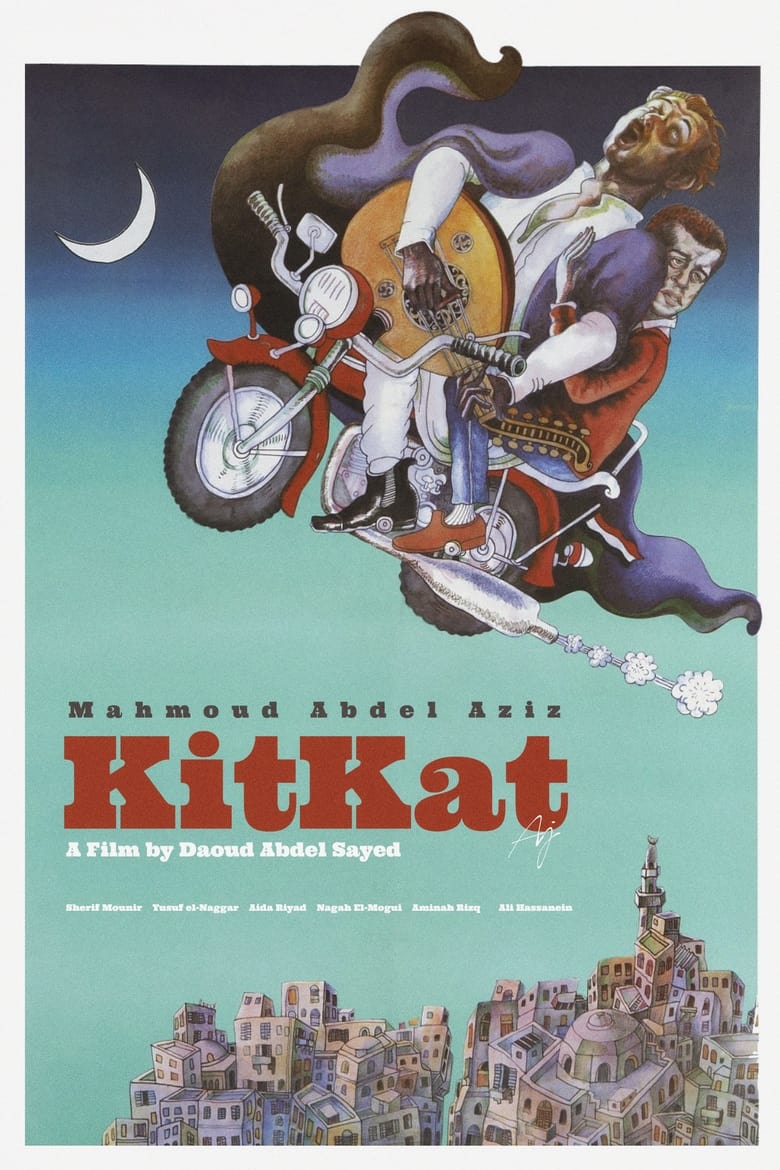
Kit Kat
Sheikh Hosni is blind and insists on riding a motorbike. Abdel Sayed described a whole neighbourhood through one man's stubbornness, and the film became a cult at home. The next year a man cannot finish his paperwork in a government office and ends up holding a gun.
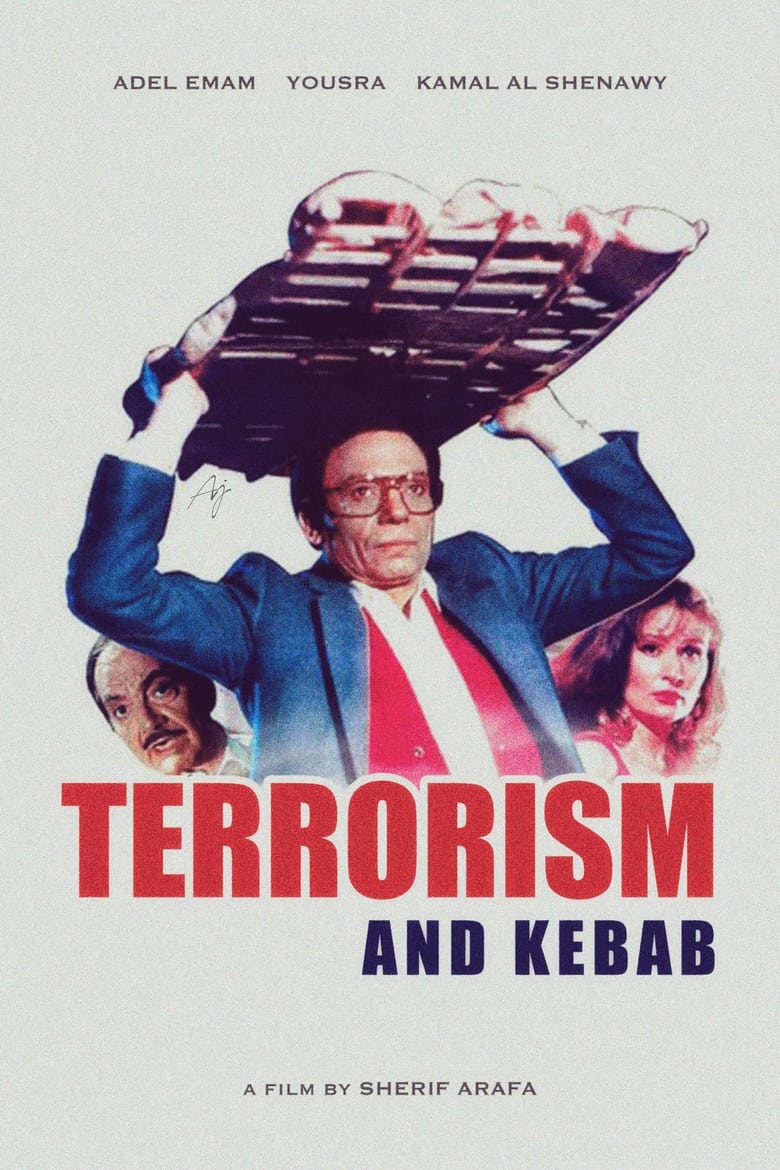
Terrorism and Kebab
In the hostage crisis all he asks for is kebab. Arafa put a critique of bureaucracy into a comic template, and that template got past the censors. Five years later a philosopher's books are burned, and the director films it after his own experience of censorship.
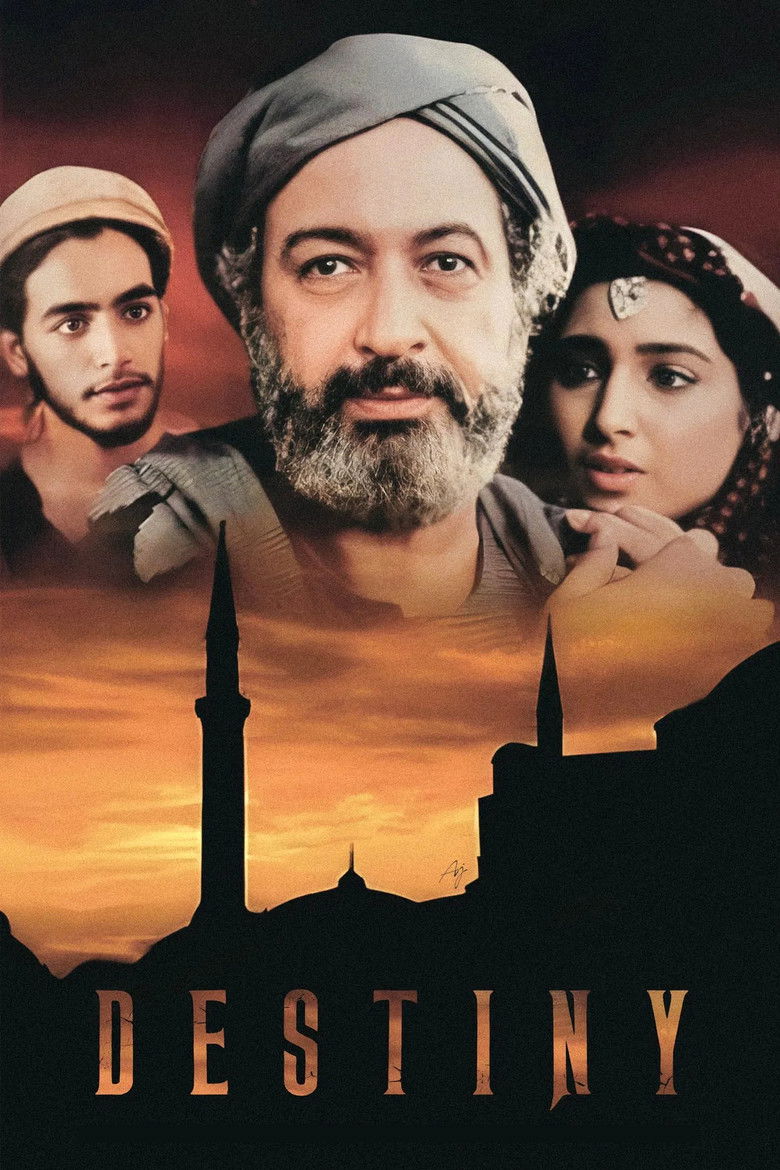
Destiny
Twelfth-century Andalusia, Ibn Rushd, and a burning library. Chahine used history as an allegory, and what he described was happening in his own country. Nine years later a block of flats is built as the whole country.
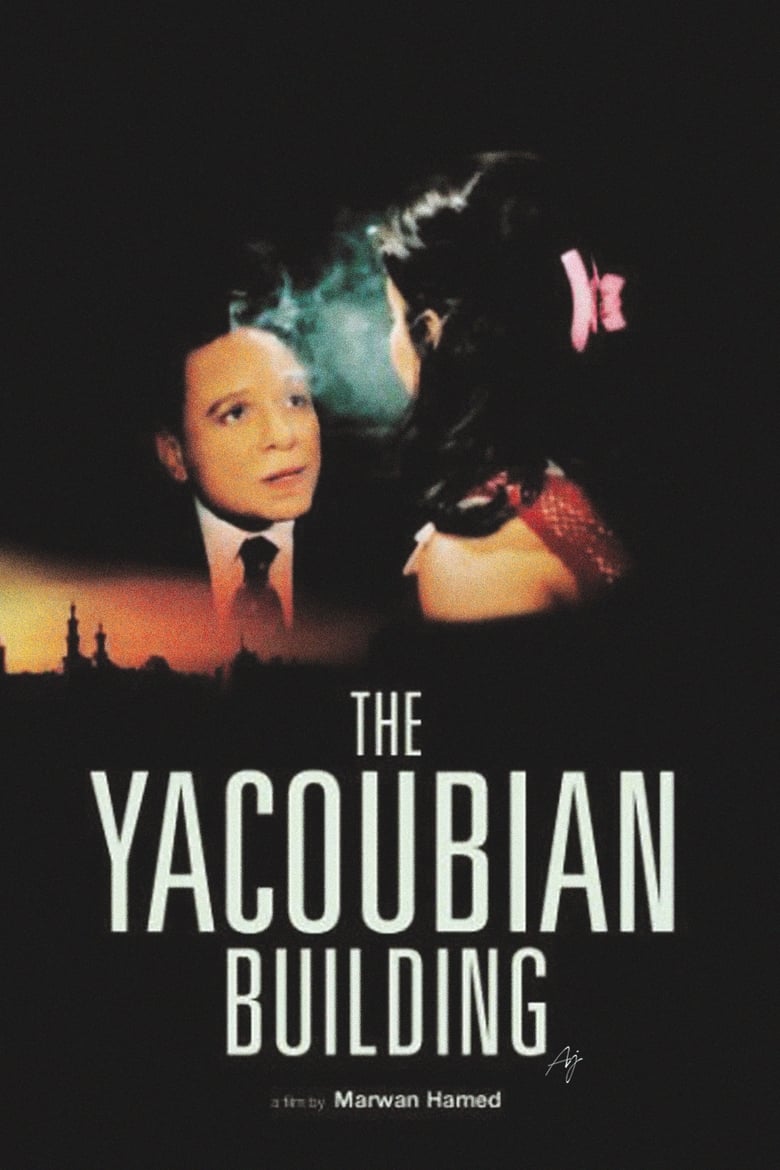
The Yacoubian Building
One building, six lives, and a different class on every floor. It was the most expensive Egyptian production of its time and fitted all the country's social questions into a single building. Four years later, in Alexandria, underground bands play on rooftops and the municipality closes every concert.
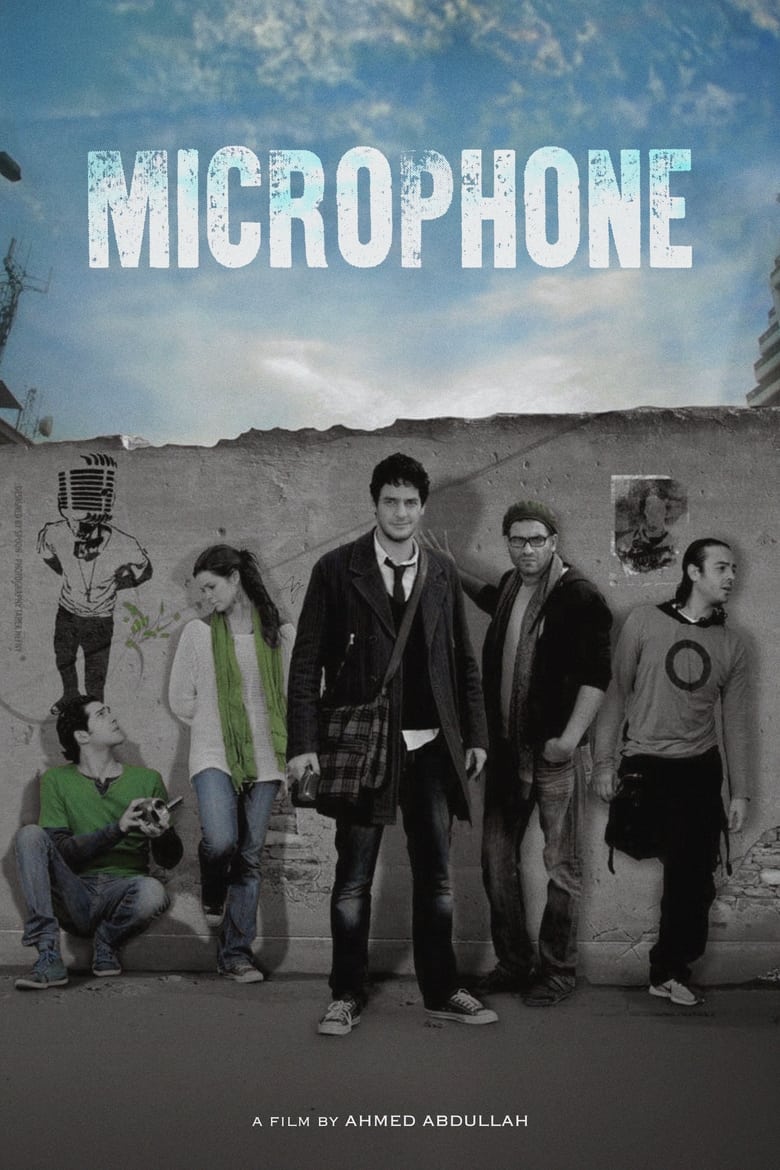
Microphone
Made a year before the revolution, and the scene it records appears in no official archive. Egyptian independent cinema became visible with this film. Six years later opposing sides are gathered inside the same police van.

Clash
Diab shot the entire film from inside one vehicle, and the outside is never seen. The division after the revolution was fitted inside a cage. Two years later a man and a boy cross Egypt on a donkey cart.
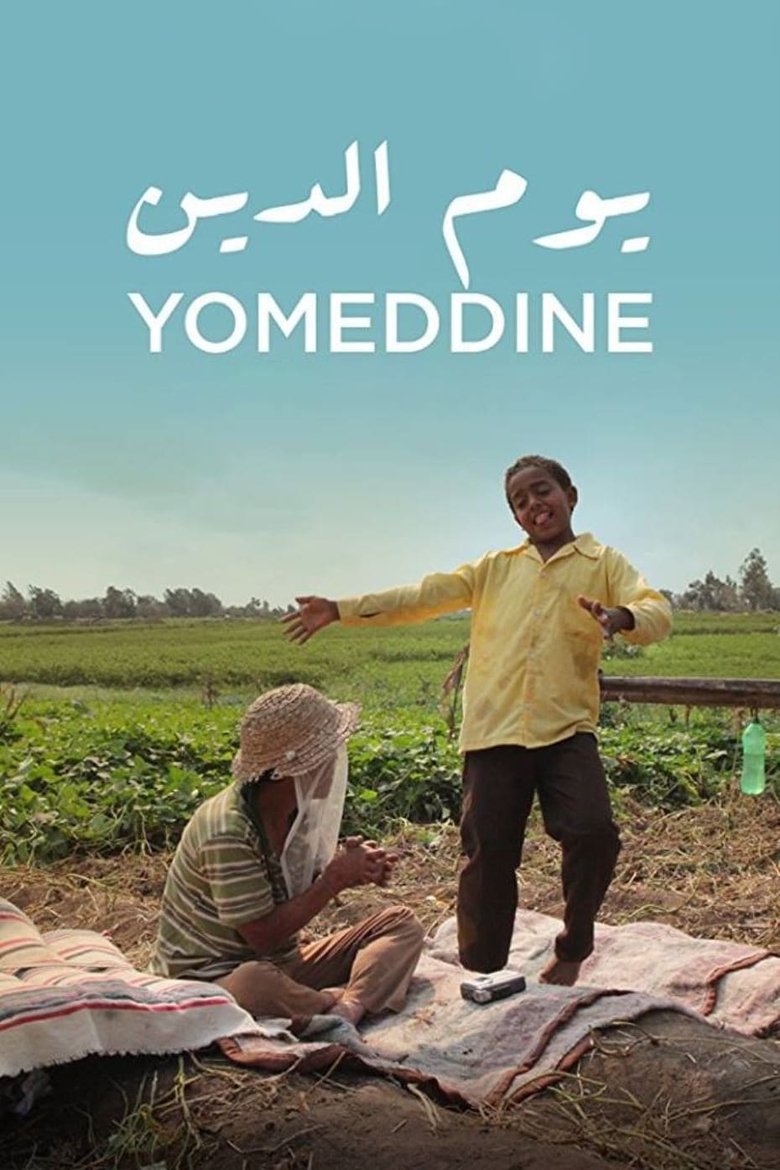
Yomeddine
A man cured of leprosy and an orphan boy find a door closing wherever they go. The chain began in 1949 with the studio fully formed and ends sixty-nine years later with two people that studio never cared about.
Directors in this room