Forms
Silent Cinema
With no speech, the whole burden of telling falls on the image. These films show what cinema could do before it learned to talk.
The First Experiments
In the years before the rules were set, whatever was possible was tried.

Curtains and books drift in slow motion; Epstein draws the horror from rhythm rather than event.

A story set in an asylum with no intertitles; the viewer works out for themselves what is real.

It begins as a lecture on witchcraft and turns into horror through its reenactments; genres blend before they had names.

A city's day told while showing the camera and the editing too; cinema takes itself as its subject.

Objects in succession produce an idea; here the cut is not for telling but for thinking.
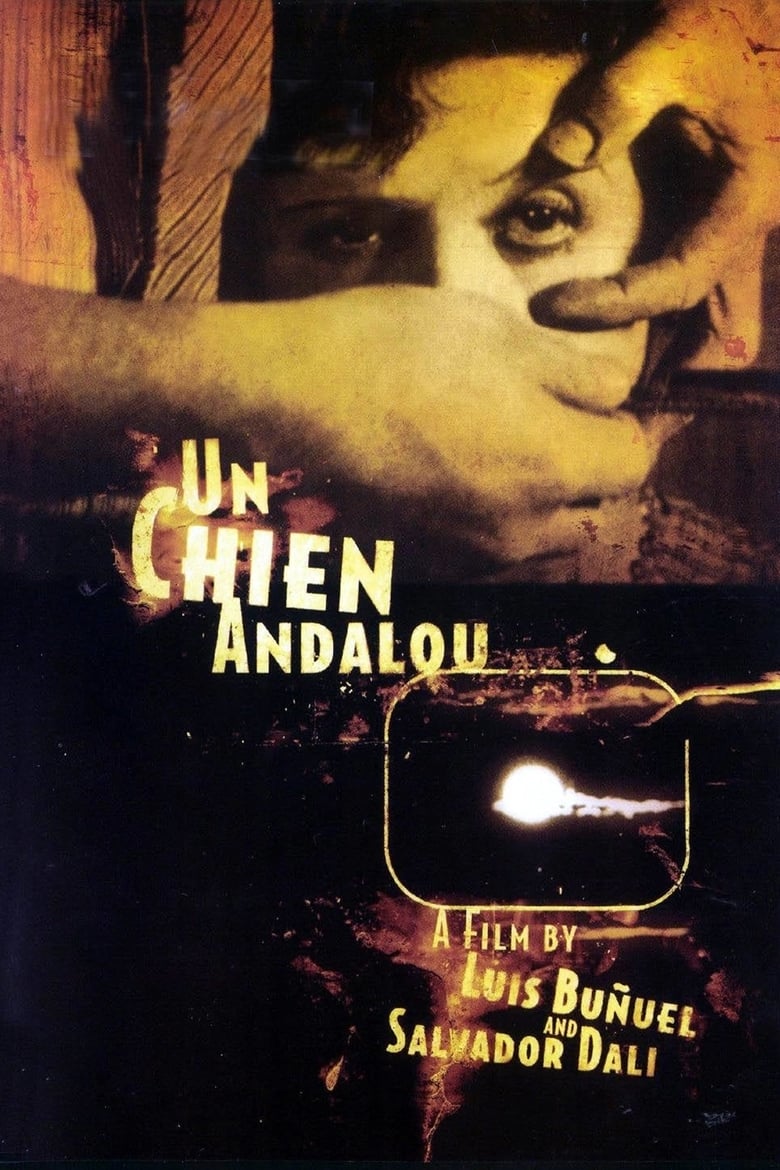
No scene explains the next; narrative is refused on purpose.
Silent Comedy
Body, timing and the fall; the purest form of wordless comedy.
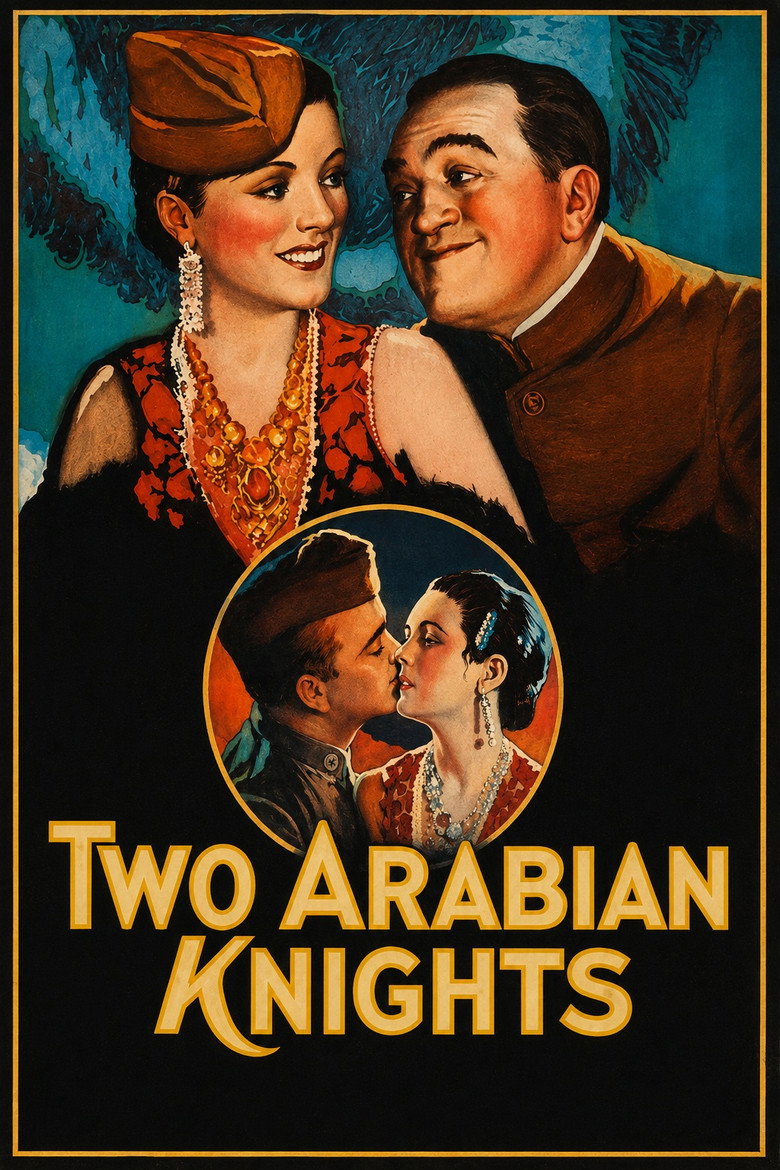
Two American prisoners of war fall for the same woman; the film that won the first Academy Award for comedy direction.
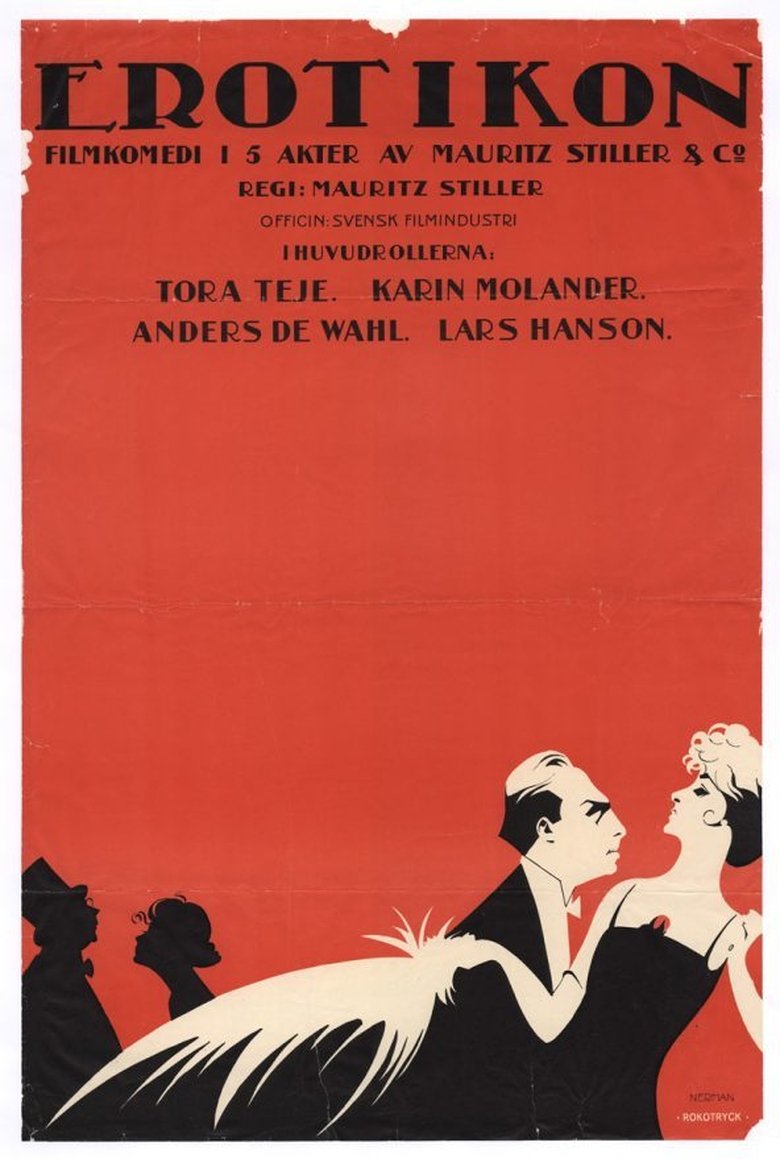
A married professor, his wife and the admirers around them; Swedish comedy laughing without a moral lesson.

The weakest son of a family has to prove himself; Lloyd's gentlest film.

Two boys see their father fawning on his boss; a class question opens up in the middle of the comedy.

A man caught in the middle of a family feud; Keaton always puts himself in the real danger.
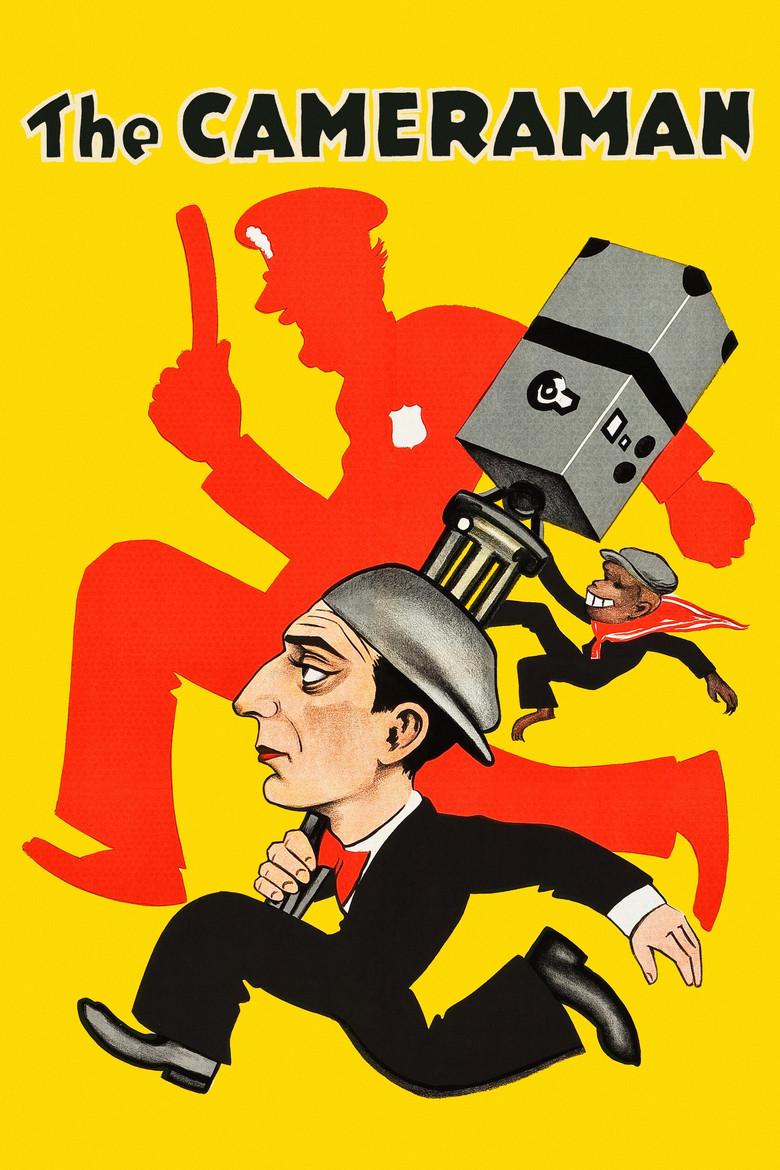
A novice trying to make a living with a camera; a comedy in which cinema makes fun of itself.

A man who is funny in a circus by accident; Chaplin also shows how much being funny costs.

The tramp and an abandoned child; comedy mixes with melodrama on this scale for the first time.

A projectionist who walks into the screen; the film jokes with its own editing.

A chase in pursuit of a locomotive; every gag with real trains at real speed.
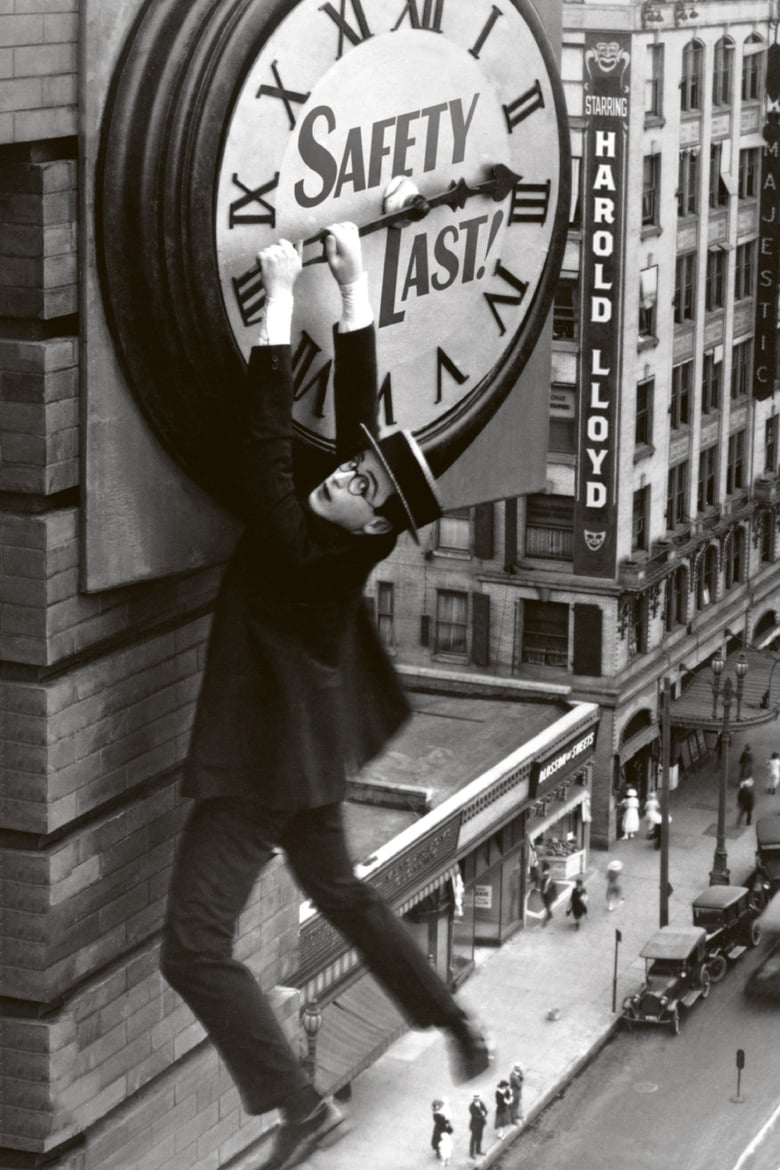
A man climbing a building and a clock face; fear and laughter produced at the same instant.
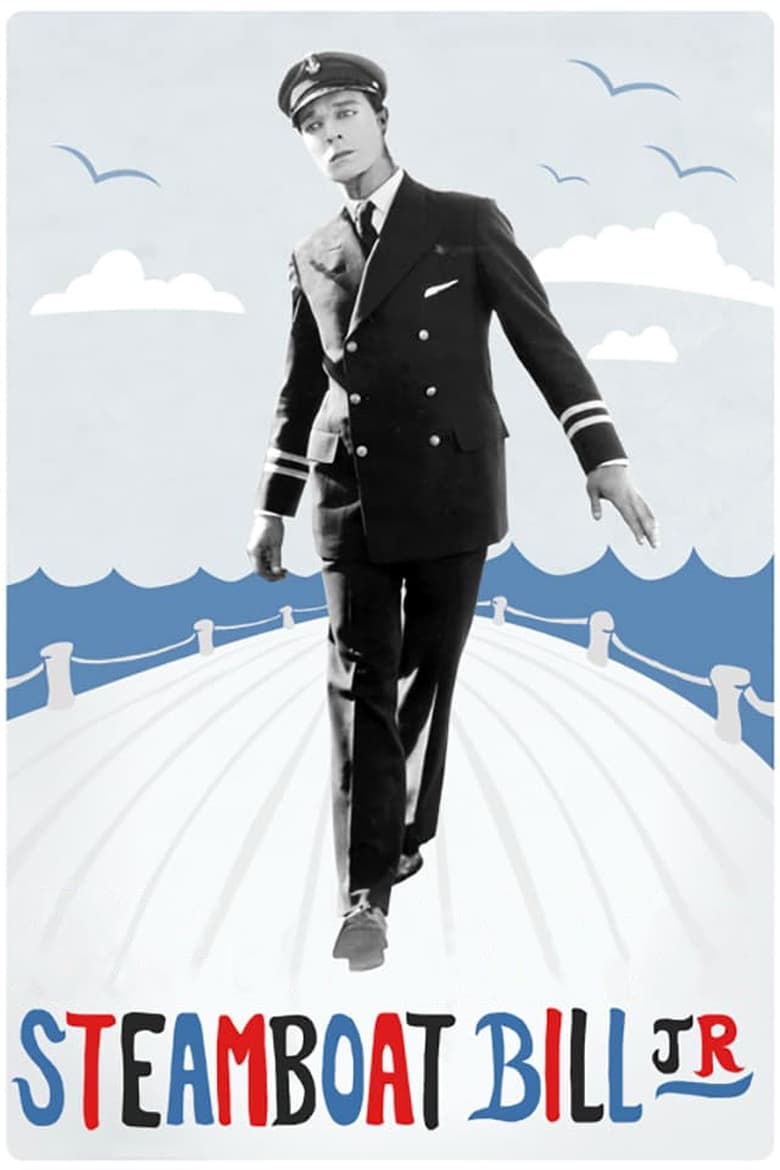
In the hurricane scene a house front falls on the man; Keaton does not move.
City Symphonies
Films that take the camera into the street and make the city itself the protagonist.

An unemployed father and his two sons wander the city's edge; the city is not a place to find work but a distance to cross.

Gangsters and police sharing a city; the street is where power changes hands.

A woman fleeing a circus and a painter; the streets of Naples were built almost entirely in a studio.

Two lonely people in the same city meet for a day; here the crowd is an obstacle.

A man who rules the city through gambling, hypnosis and the stock market; crime is filmed as a system, not a person.

A killer hunted in foggy London; Hitchcock begins to build his own language here.

One person among millions; the camera descends from the crowd to a single desk.

Chaplin directs a film he does not act in; here the city is a moral testing ground.

A killing in London and a chase that ends in a museum; a film shot with sound and also released silent.
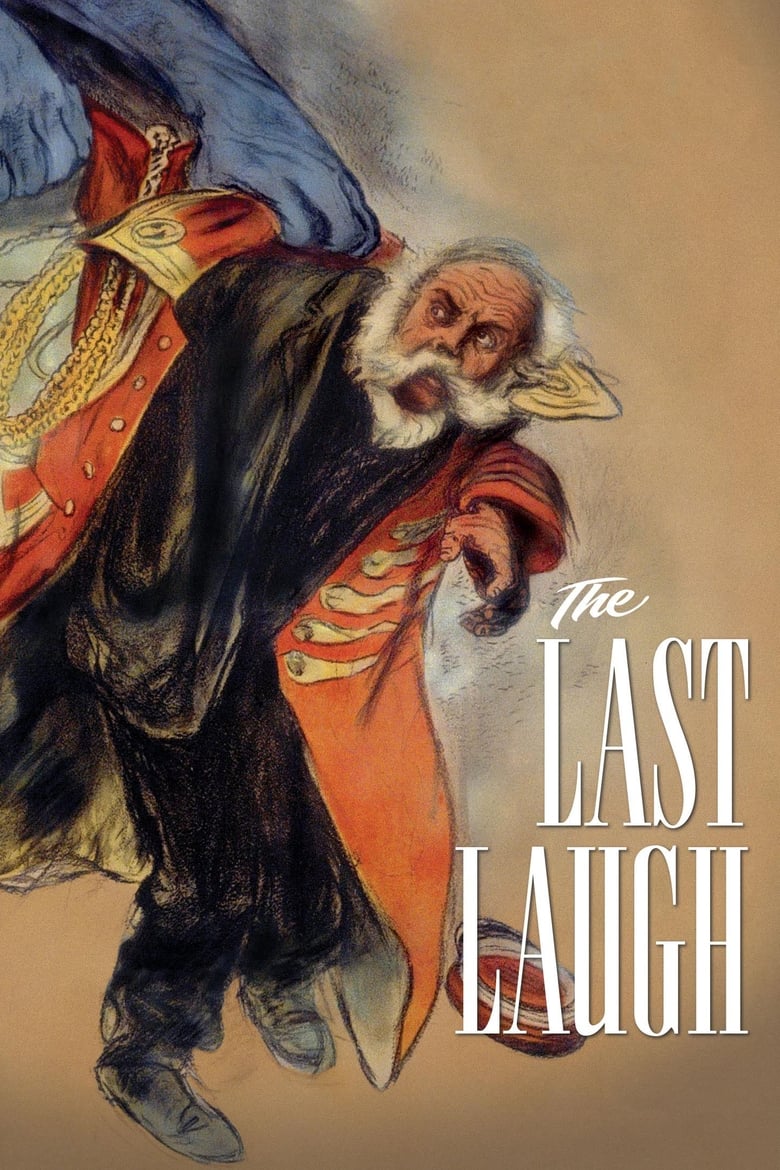
A doorman demoted; there are almost no intertitles, the moving camera tells everything.

A country couple come down to the city for a day; a metropolis built in a studio.
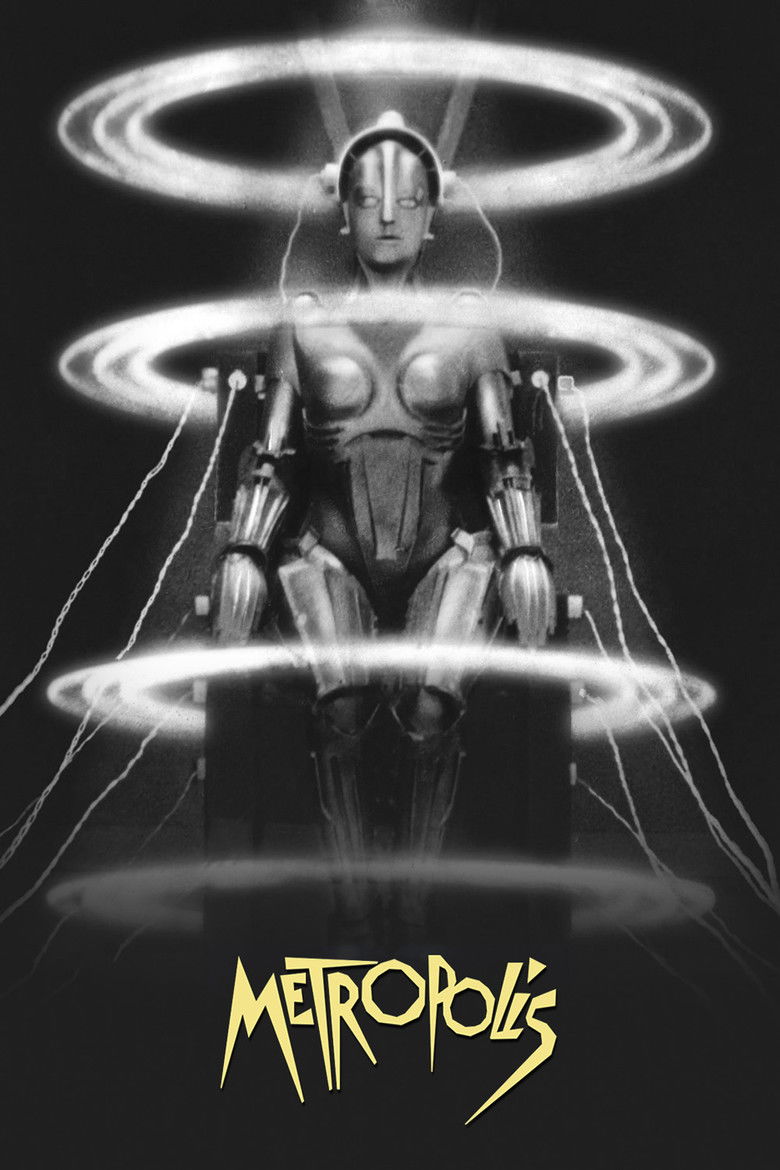
Those who work below and those who live above; the city itself is the film's argument.
Epic and History
Crowds, war and grand scale; where silent cinema showed what it could do.

The story of an admiral and his lover; one of the last grand historical productions of the silent era.

War and displacement take a woman's life apart piece by piece; the melodrama of the Shanghai left.

A peasant boy arrives in the city and finds himself inside a revolution; the editing builds history like an argument.
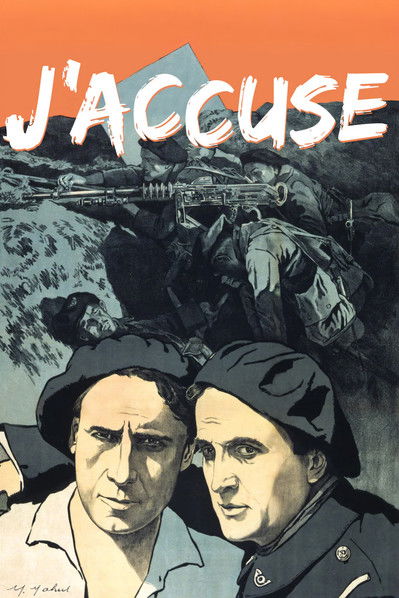
Those returning from war demand a reckoning for the dead; real front-line footage is woven in.
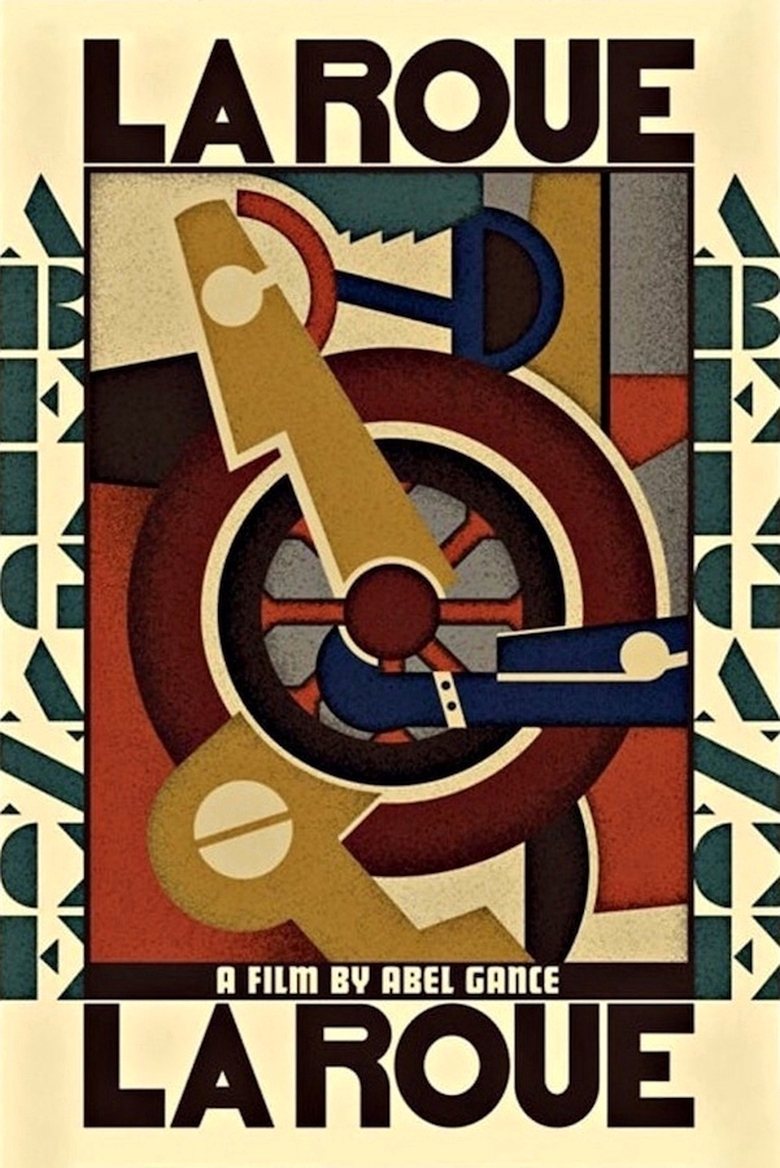
The tragedy of a railway worker; Gance uses editing as an instrument of speed for the first time.

A woman who works nights to send her son to school; one of silent cinema's plainest portraits of class.

A sewer worker and a woman beneath Paris; when war separates them the melodrama becomes an epic.

A young man goes to war eagerly; in the front-line scenes the heroism is erased completely.

An epic set between Carthage and Rome; the moving camera and vast sets spread from here.
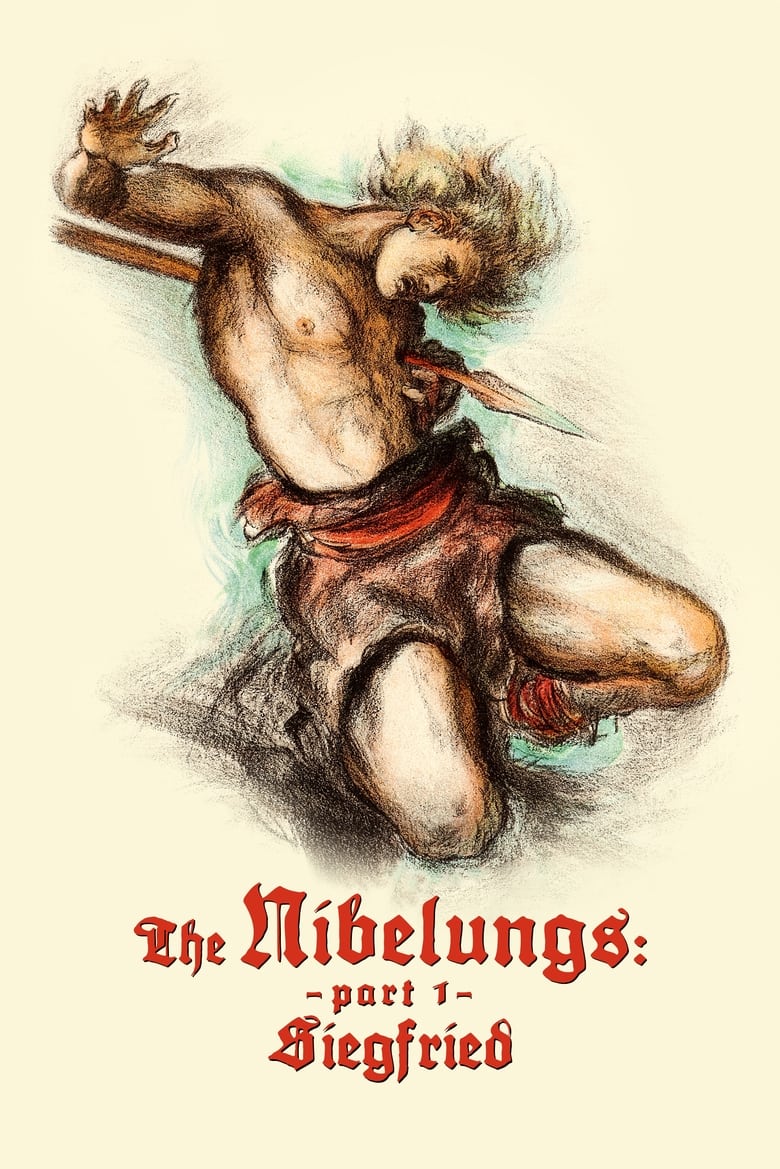
A dragon, a treasure and revenge; Lang films the legend with architectural order.

A lottery ticket rots three people; the director's nine-hour cut was destroyed by the studio.

Whoever dies last on New Year's Eve must drive death's carriage for a year; the first major use of multiple exposure.

A finale spread across three screens at once; Gance physically pushes the limits of the frame.

Battle scenes filmed in the air; the camera strapped to the plane, the actors really flying.

The crushing of workers cut against a slaughterhouse; the montage advances an argument.
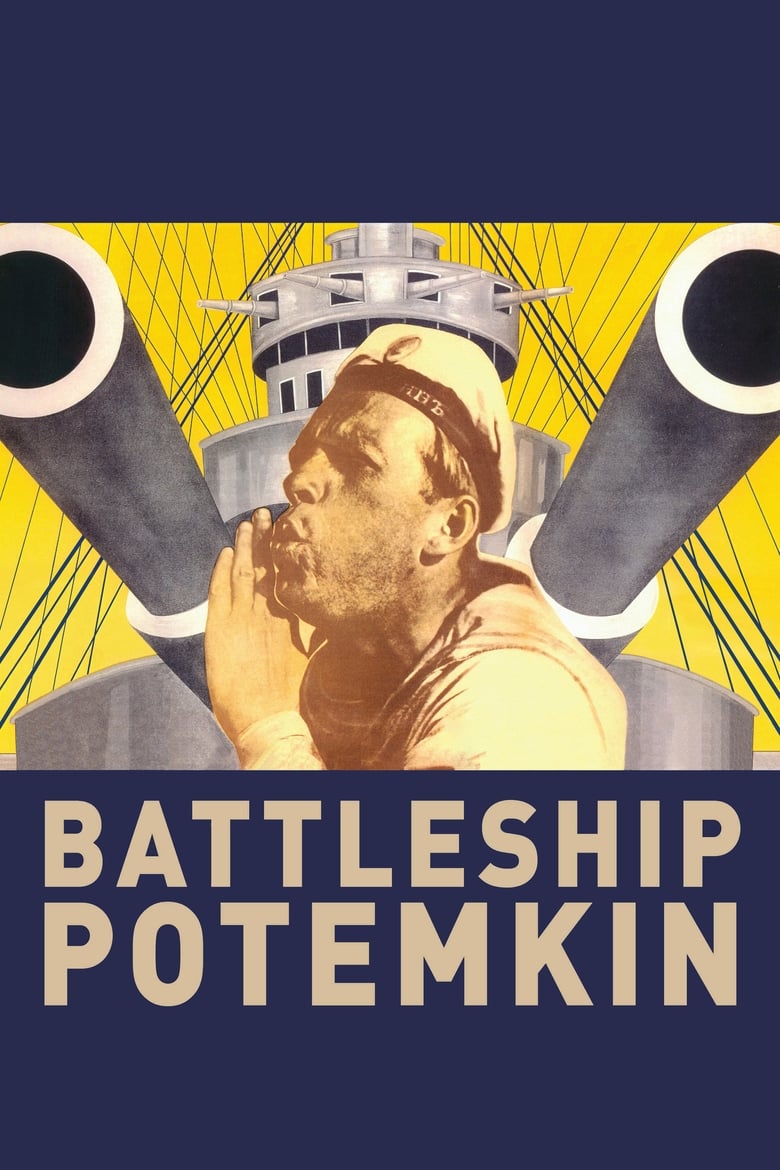
The steps sequence breaks one event into dozens of angles; editing used as a weapon of history.

A woman's fall told without a moral lesson; the camera does not judge her.

Four different eras interwoven by parallel editing; attempted on this scale for the first time in cinema.


