Journal
Dirty Hands
For sixty years he returned to the same question: does the hand that passes sentence ever come out clean?
Picture a man.
Sixty years in front of the camera and behind it.
Always wrestling with the same matter.
Never once solved it clean.
In Clint Eastwood's films, someone is always settling an account.
But that account never closes clean.
It stays on the hands.
It stains.
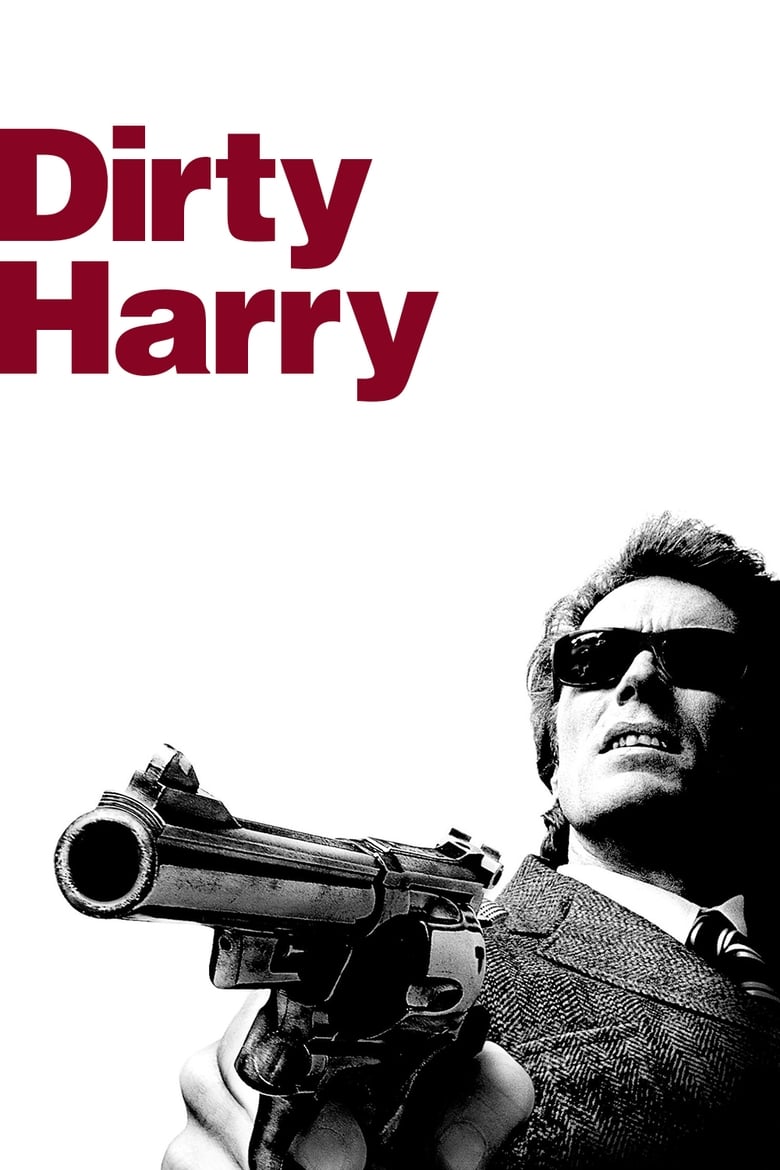
The young Eastwood played a cop.
Dirty Harry.
A man who broke the rules, scorned the courts, passed his own sentence.
In those years it looked like heroism.
If the system is rotten...
the man fixes it with his own hands.
Here's the interesting thing.
Eastwood kept returning to that same man for years.
But each time he probed a different part of him.
Then came Unforgiven.
A film that looks like the exact opposite of Dirty Harry.
A film where drawing a gun is no longer easy...
where every bullet leaves a weight behind.
There's a tiny line in it.
The whole film seems to circle around it.
Someone says of the man he killed,
"He had it coming."
Eastwood's character pauses.
"Had it coming?"
"Deserve's got nothing to do with it."
Deserving is one thing.
Doing is another.
And it's in the gap between them that a person seems to get lost.
Then Mystic River.
A father believes he's found his daughter's killer.
He's wrong.
But only after it's too late.
The film doesn't just say "you killed the wrong man."
It seems to say something crueler.
Even if you'd killed the right man...
nothing would have been mended.
The dead child would not come back.
In Changeling, this time it's the state.
A mother is searching for her son.
The state hands her a different child and says,
"Here is your son."
Here the system doesn't merely err.
It believes its own lie.
This was always the strange thing in Eastwood's films.
He doesn't trust the state's verdict.
But he doesn't trust the individual's verdict either.
After a while you stop and think.
What's left to trust?
At nearly ninety he made Juror #2.
A juror realizes he may be the real culprit in the case he's judging.
Sixty years have passed.
The question has hardly changed.
Who passes sentence?
And by what right?
Here's the thing.
As Eastwood aged, his films didn't slow down.
His verdicts did.
A director returns to the same matter once.
Maybe twice.
Eastwood kept returning for sixty years.
Because what concerned him wasn't the crime.
It was the hand that passes sentence.
That hand never came out clean.
Not the state's.
Not yours.
The strange part...
even the law's hand didn't stay clean.
Eastwood never once hid this.
His whole career he kept the camera on that stain.
As if in every film he whispered the same thing.
"You may have done the right thing."
"Now look at your hands."
Maybe his entire career is that final look.