Journal
The Bloodline
Tracing the roots and transformation of the revenge genre
Revenge is one of cinema's oldest stories.
Maybe its most honest.
Because no genre draws out that first voice inside us so easily.
"Do it."
We hear the voice.
Then there's a little silence.
Think of John Wick.
They kill his dog.
The man kills hundreds.
And we barely pause.
Here revenge has turned into choreography.
The bullets keep rhythm.
People fall.
The film moves on.
No one's hand trembles.
No one mourns for long.
The violence lightens.
It almost begins to dance.
Then I turn and look at other films.
There, things don't go quite like that.
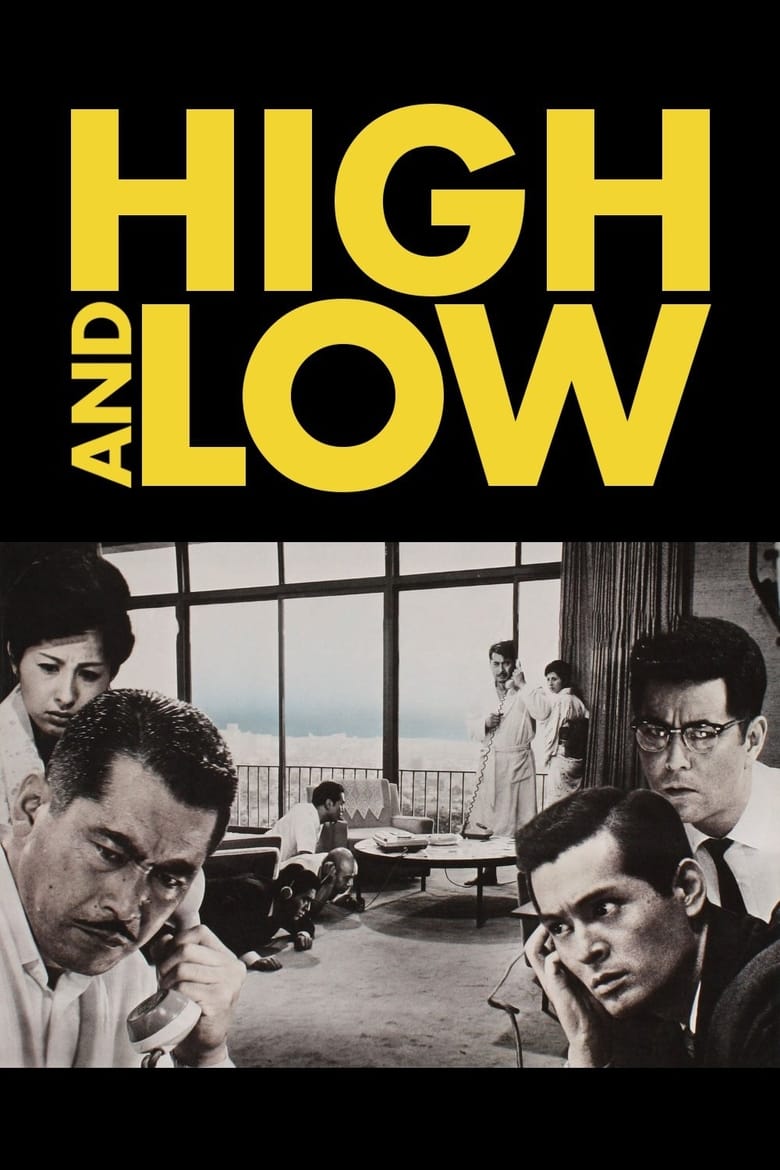
In Kurosawa's High and Low there is no revenge.
Not yet.
There's a choice that begins with the wrong child being taken.
A man must decide what he'll sacrifice for a life that isn't his.
The film shouts at no one.
It just leaves the question on the table.
Cool.
Distant.
In Unforgiven that same table is far dirtier.
The man who draws the gun is diminished by every bullet he fires.
Kurosawa's cold problem...
becomes, in Eastwood's hands, a warm wound.
The Proposition carries that wound into the home.
Killing one brother to save another.
Some choices are like exams with no right answer.
Whatever you do...
something is lost.
Then comes Blue Ruin.
One of my favorite links in this chain.
Because for the first time we see a truly clumsy avenger.
He can barely hold the gun.
He gets hurt.
He panics.
The man he shoots doesn't die right away.
For the first time revenge loses that strange nobility it has in cinema.
It gets dirty.
I drift between The Chaser and I Saw the Devil sometimes.
Thinking of both, the same image stays with me.
The hunter and the hunted trading places.
Then again.
Then again.
After a point I forget which one I was following.
Maybe that's exactly what the films want.
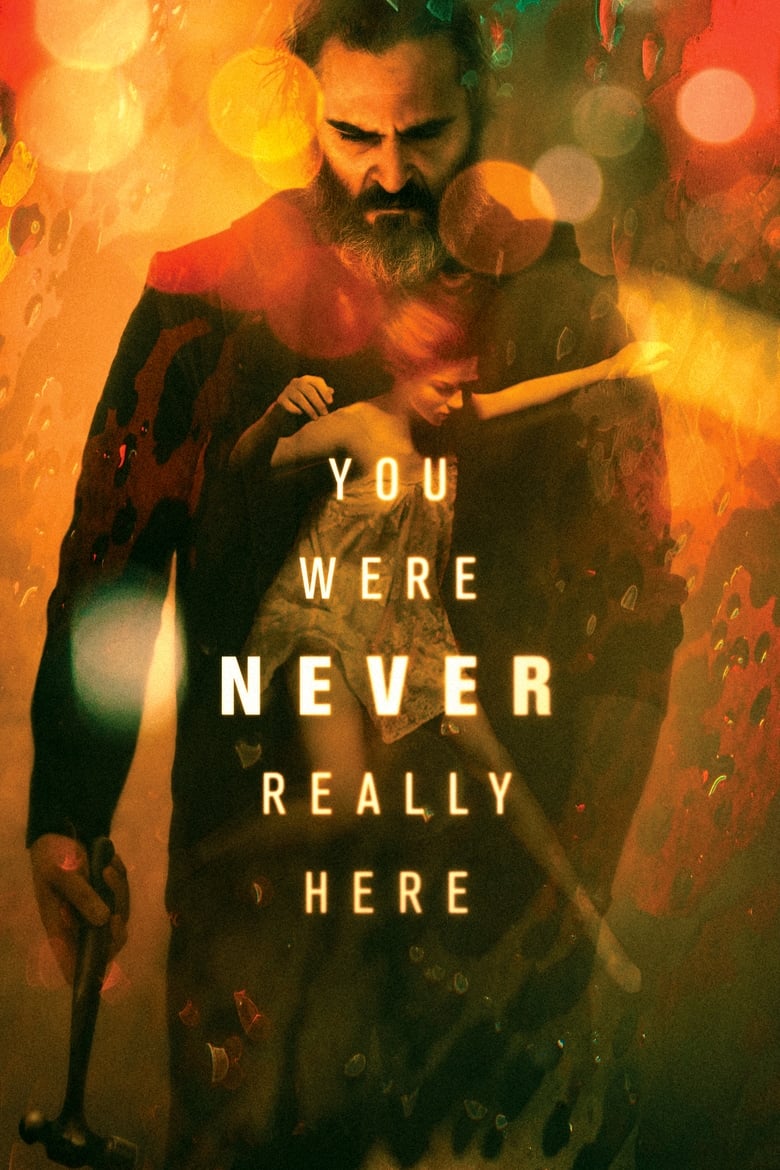
You Were Never Really Here barely speaks.
There is violence.
But no victory.
The man lives.
Something inside him seems to have stopped living long ago.
Some films show the revenge.
This one shows what's left.
And at the end of the chain, Law Abiding Citizen.
This time the target isn't a single person.
It's the whole machine.
The revenge grows.
And that's exactly what makes it more frightening.
Looking at the bloodline from a distance, a small shift appears.
At first the matter was outside.
A criminal.
A choice.
An account.
Then the stories slowly moved inward.
To the family.
To the conscience.
To memory.
And finally to the self.
Maybe that was the genre's real change.
Revenge's target shrank.
Its wound grew.
And maybe that's why most of these films don't end in the same place.
Not with a person who finds what they were looking for...
but with a person who doesn't know what to do with what they found.
Related films