Journal
The Verdict
Do we want justice, or only for something in us to settle?
At the end of a western, the man lowers his gun and walks away. The town is saved. Something in us settles.
But why do we settle?
For years I thought this was a simple question. The bad man got what he deserved, order returned, the scale balanced — we're relieved because the right thing happened. Then I realized the explanation was too clean. Too polite. It tells us what we want to hear about ourselves.
Because what settled in us as we watched was not a scale.
It was something. But not a scale.
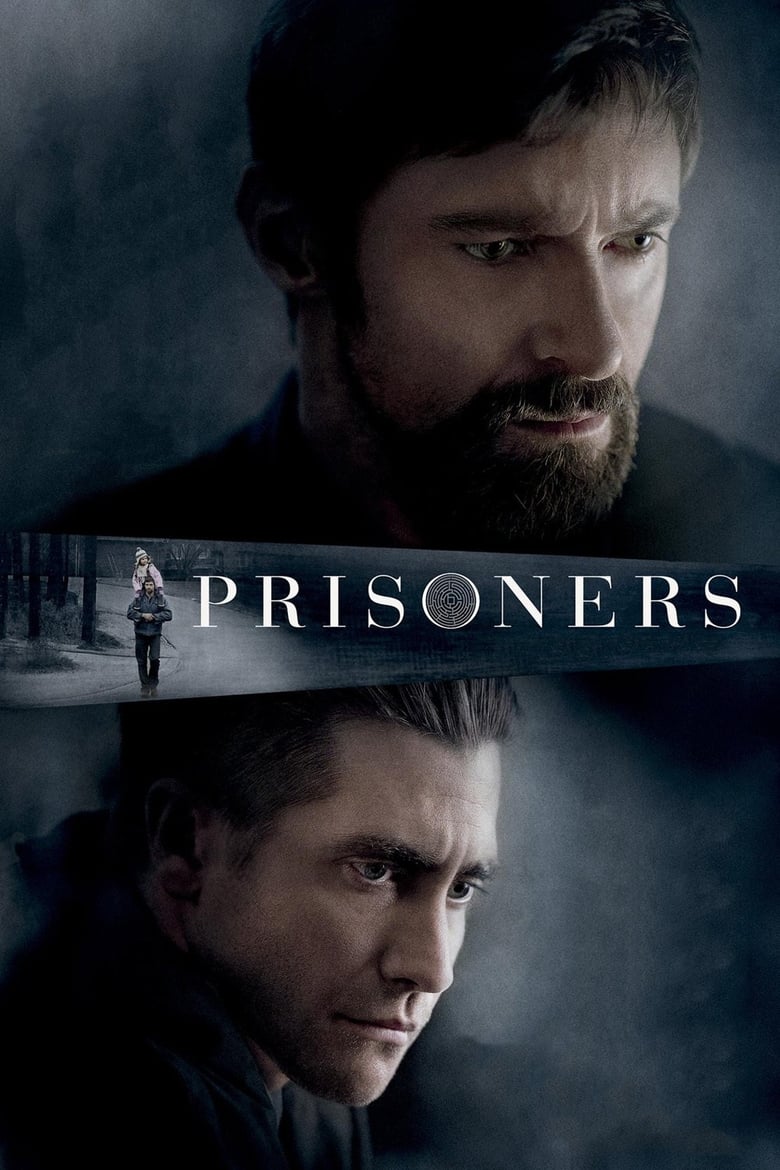
Say a film shows someone's child killed.
And the father finds the killer.
And kills him.
In that moment something in us loosens.
A fist opens.
A breath is let go.
We call this justice.
But sometimes we may be using the same word...
for an entirely different feeling.
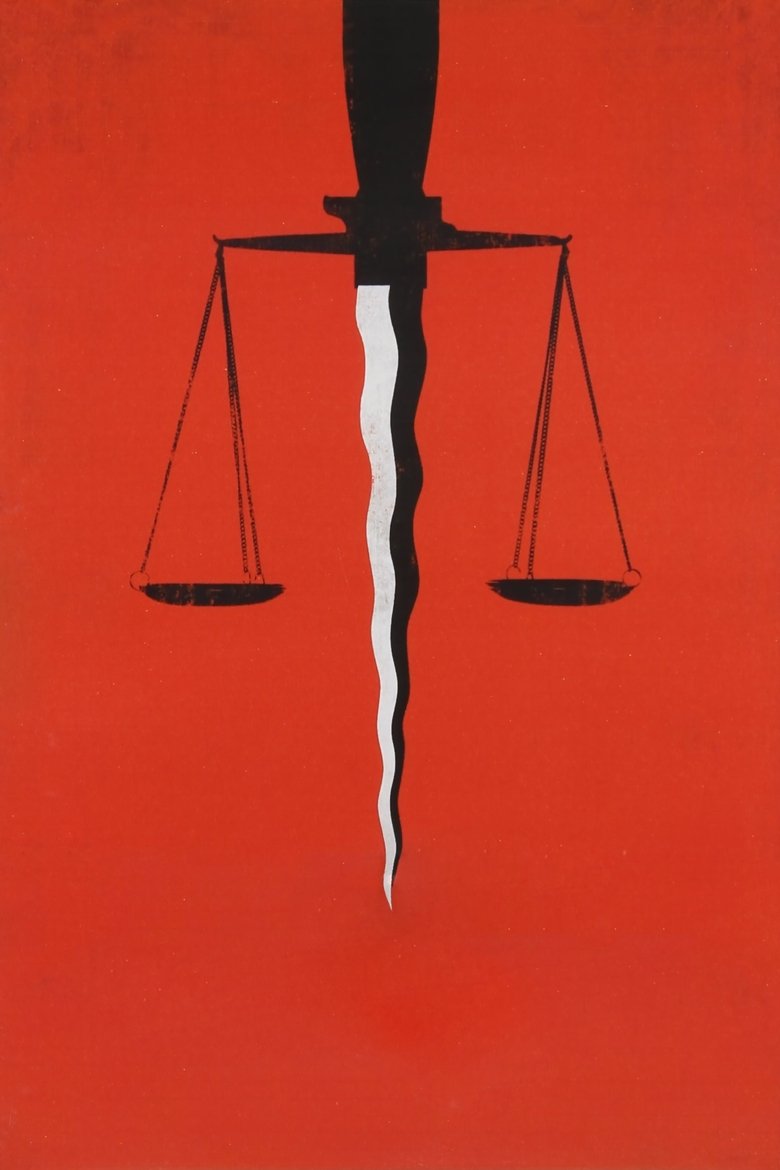
A verdict is cool.
It measures.
It weighs.
Then it speaks.
Satisfaction is warm.
Like blood.
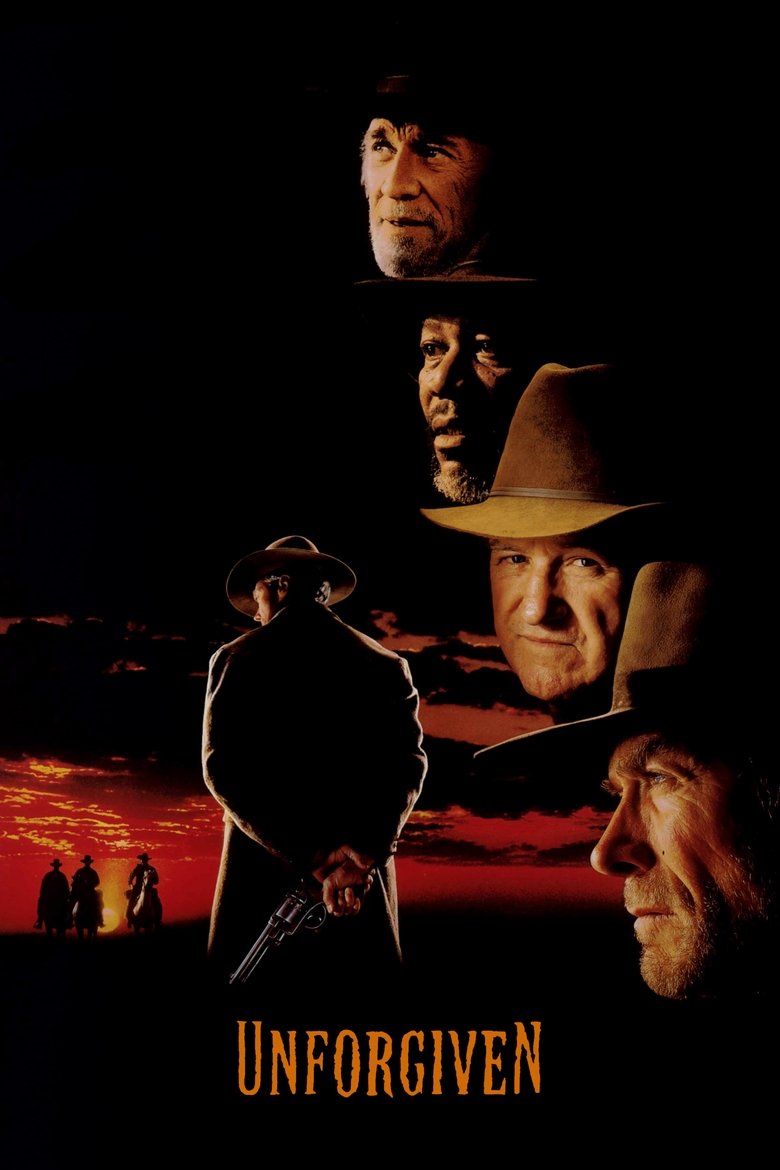
Clint Eastwood built an entire career on this distinction, but said it most plainly in a single film.
Unforgiven.
A man returns to what he left behind years ago.
The gun.
The blood.
The reckoning.
The film gives him what he wants.
But as it does, it does something so small...
that the relief in us knots in the throat.
Eastwood gives us what we want.
And in that very moment, turns and looks us in the face.
"You got it."
"So how do you feel now?"
That is the dangerous question.
Do we really want a verdict?
Or only for something in us to settle?
If it's the latter...
we can be sold anything that offers not the verdict, but the feeling of one.
The easy villain.
The clean ending.
The costless victory.
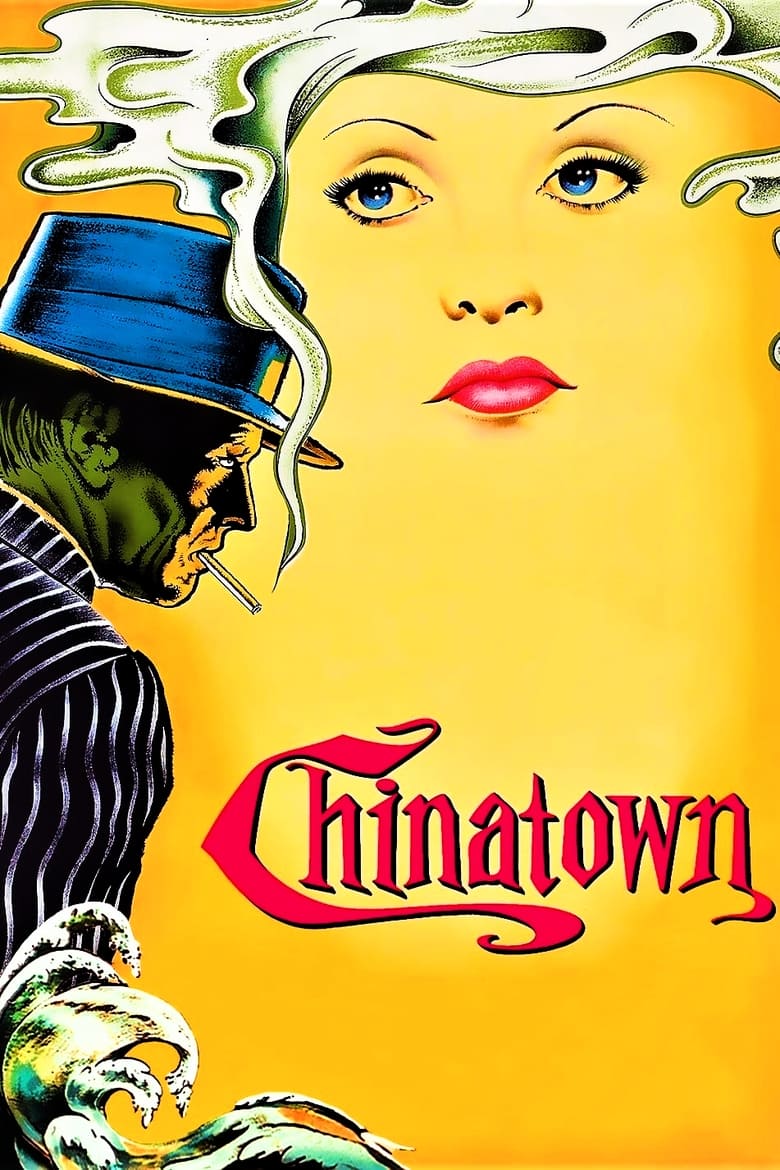
Some films never find the killer.
Some find him but fix nothing.
Some settle the account.
Then leave the bill on the table.
Maybe that's why they stay with us.
Because they don't let us settle.
Maybe the most honest films don't leave us with a scale.
They leave us with a mirror.