Tags
Cinephilia

The documentary is about the labour of getting films made rather than the films themselves: finding producers, keeping going, staying independent. Güreli does not push the narrator forward; film history here is not a list of achievements but a working diary.

On the road to Ankara, actors, set workers and directors walk side by side in the same crowd. Yeşil does not turn the march into nostalgia; it recalls that cinema is also a line of work and that the demand for rights came from behind the camera.

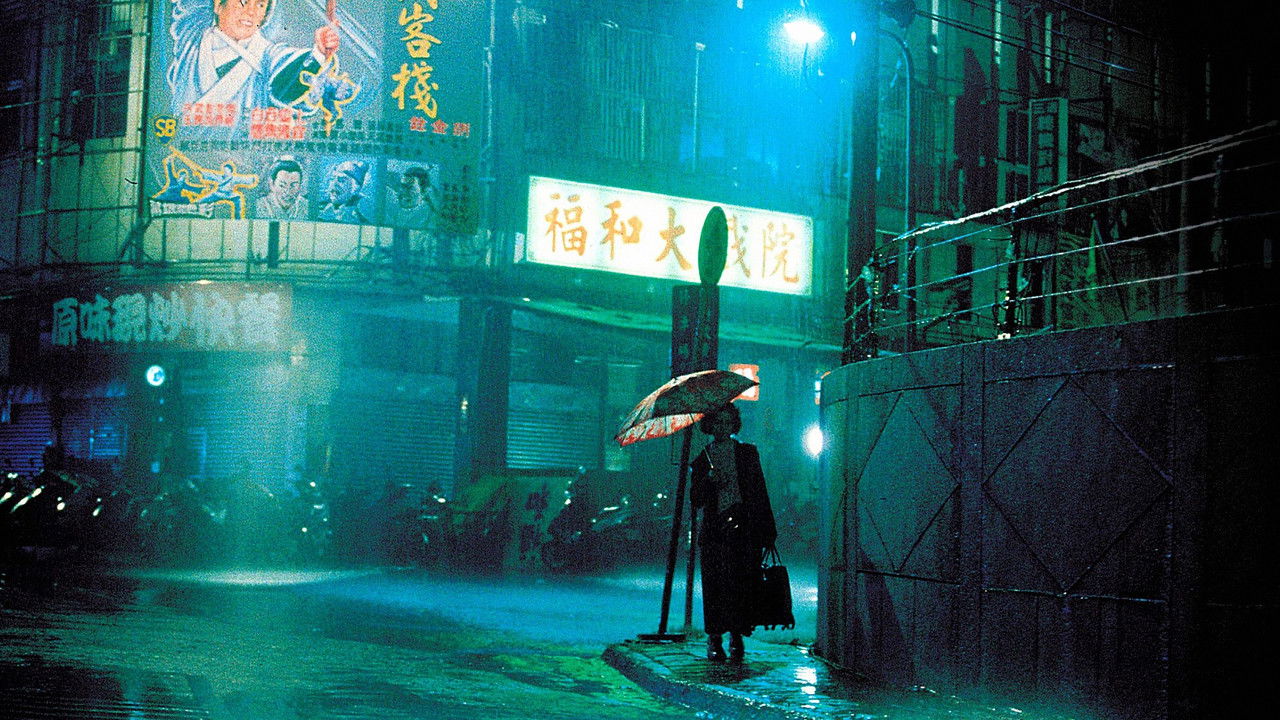
From Tsai Ming-liang, the melancholic poem of a closing cinema's last night. Silent, slow, moving.

A director remembers his childhood and the old projectionist who made him fall in love with movies. One of the most heartfelt love letters ever written to cinema.

A man impersonates another director; Kiarostami dissolves the line between real and fiction. Singular.

Two men, a truck and the cinemas along the East German border. For three hours almost nothing happens — which is exactly what makes it beautiful.

Chahine tells his own youth: Alexandria, a love of cinema and the war. The first of his autobiographical quartet; it won in Berlin.

Erice returned after thirty years: a vanished actor, an abandoned cinema and memory. Slow, quiet and finally indescribable.

A screenwriter, his wife and a film shot on Capri. Godard tells a marriage dissolving through Bardot's back; Delerue's score breaks the heart.

A film is being shot and everything goes wrong. Truffaut's love letter to cinema, with the director played by Truffaut himself.

A director crosses the Balkans searching for lost reels of film. Angelopoulos's largest work: fog, borders and the twentieth century.

A poet nobody reads becomes famous after his death. Guru Dutt films it as if it were his own life; the most bitter film in Indian cinema.
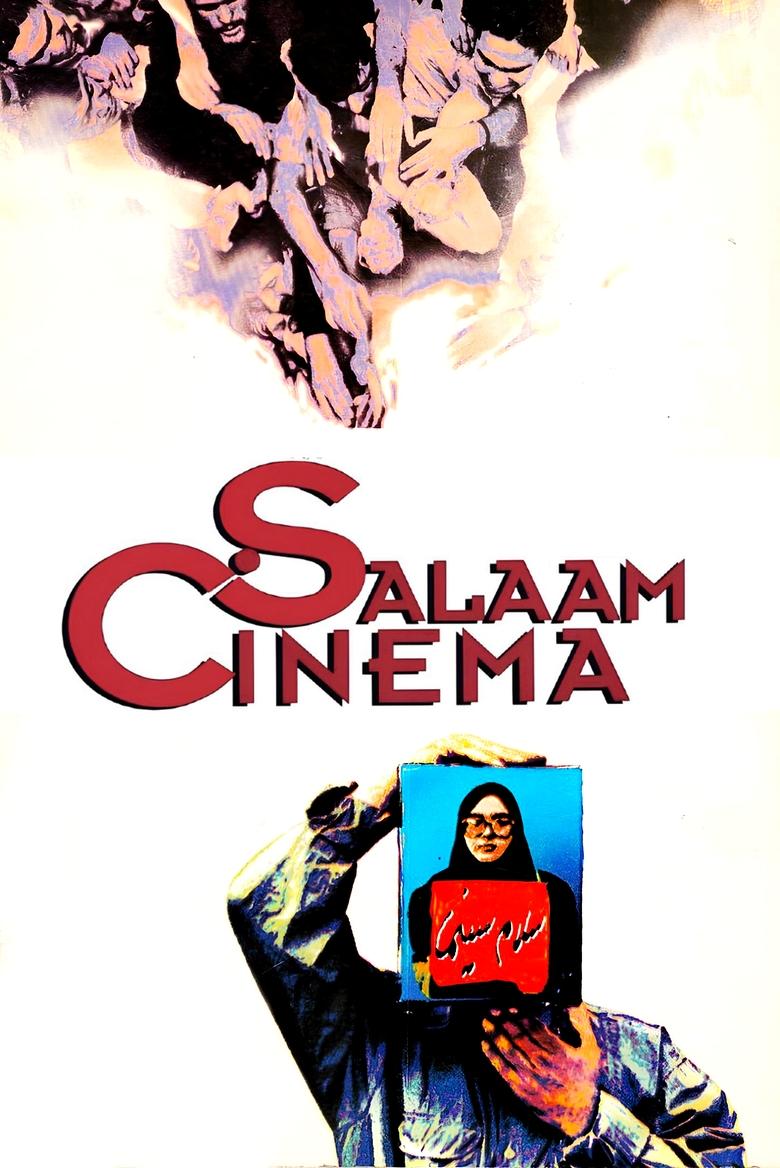
Makhmalbaf holds an open casting call and five thousand people arrive. The love of cinema itself becomes the film — funny and heartbreaking at once.

Sorrentino's own youth: Naples, Maradona and a family catastrophe. His least showy and most honest film.

A retired actress's life and her films fold into each other. Kon fuses editing with memory and shows what animation can do.
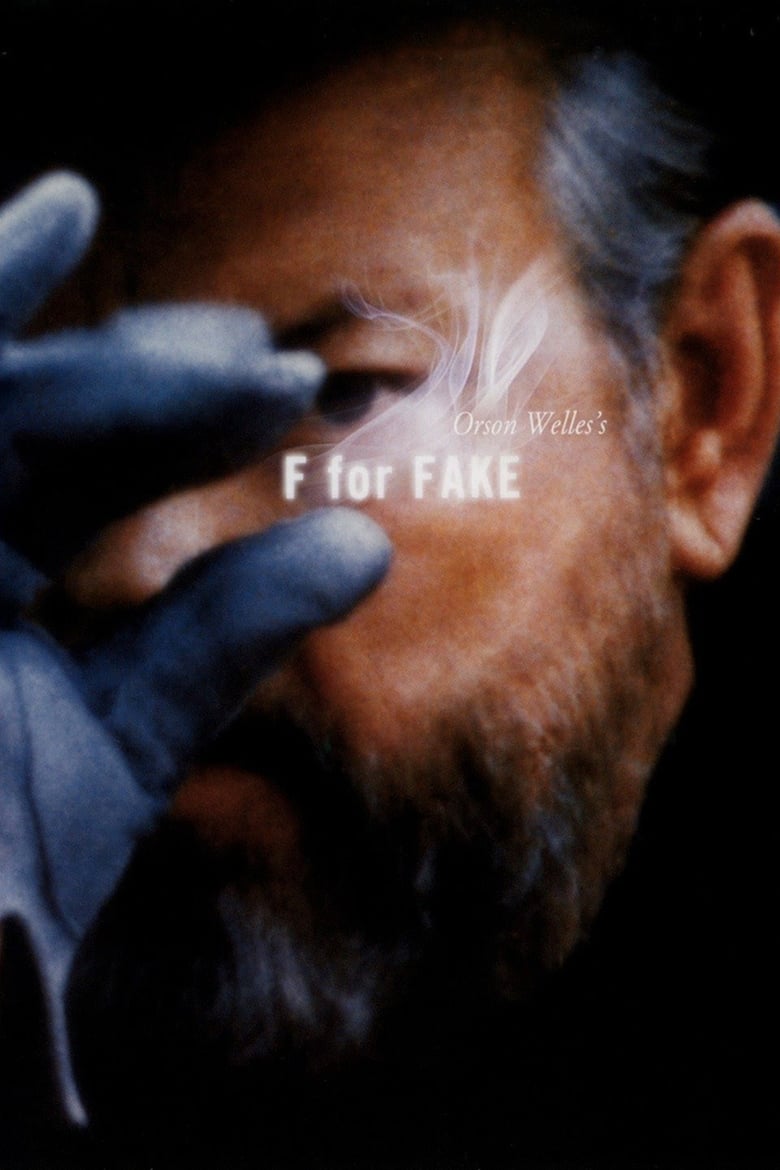
A documentary about forgery — or a forgery of a documentary. Playing with the edit, Welles asks what truth even is. His last film, and his most playful.

A projectionist falls asleep and walks into the screen. Keaton made one of the first films in which cinema thinks about itself.

Lynch's hardest film. For three hours identity dissolves, space dissolves, the film consumes itself. For those who can take it.

Tarantino rewrites history, and does it with cinema itself. Christoph Waltz's opening scene is a masterclass.

An elegy for 1969 Hollywood. Tarantino isn't angry here but wistful — and the friendship between DiCaprio and Pitt is the real subject.