Tags
City

The preparation before a shoot carries as much hierarchy as the shoot itself. Yıldız turns the camera on the backstage of the work and quietly measures who gets to decide.
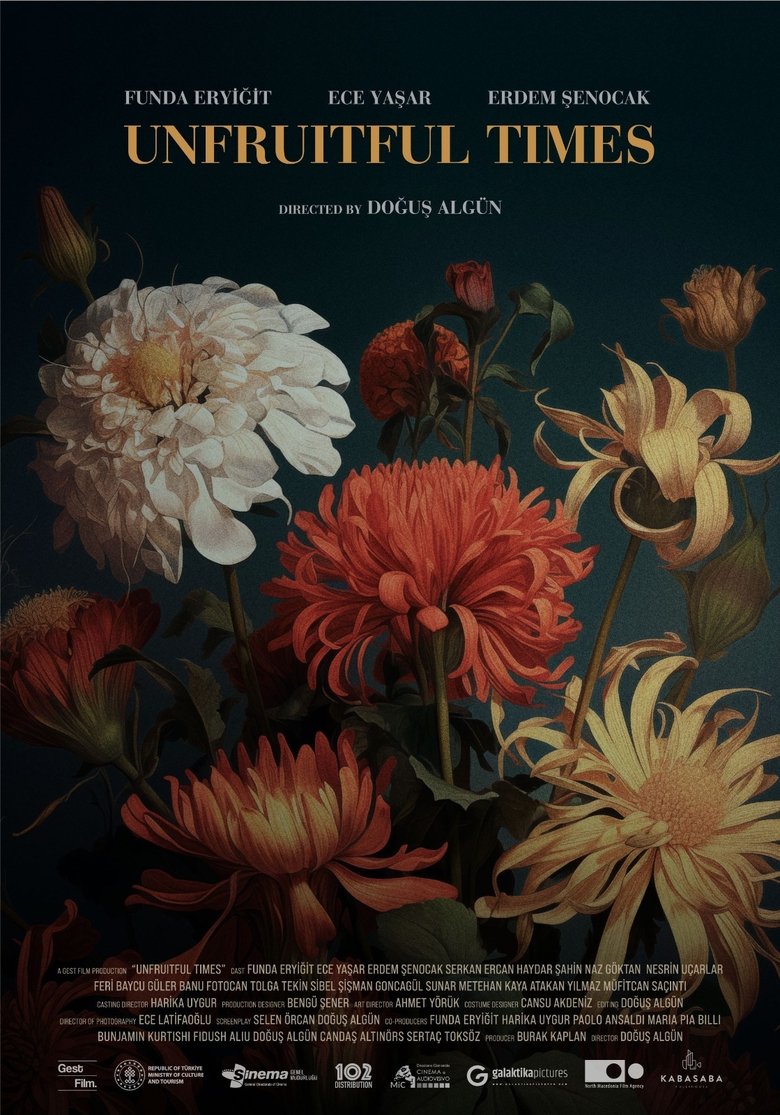
The lives of two sisters crack not under a blow from outside but under the steady pressure of the neighbourhood and the family. Algün does not chase big incidents; secrecy, rumour and being looked at accumulate, until even the sisters' hold on each other turns into a weight.
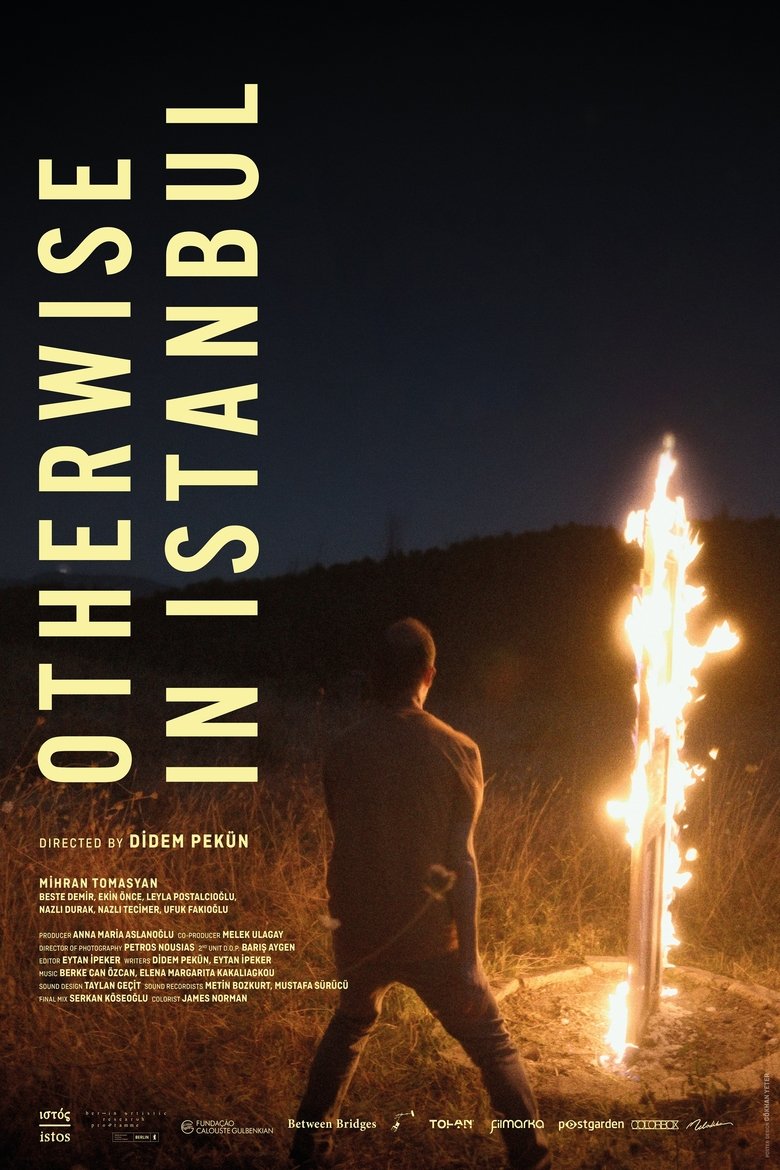
A dancer's movement stands in for places that have been demolished. Pekün treats the body as an instrument of memory and walks across the city rather than describing it; the personal archive here is rhythm, not evidence.

For a young woman who fled the war and settled on the edge of Istanbul, identity is not a past but something renegotiated at every encounter. Baydar does not narrate refugee life as a situation report; she shows the gap between the girl's own dream and the place assigned to her.
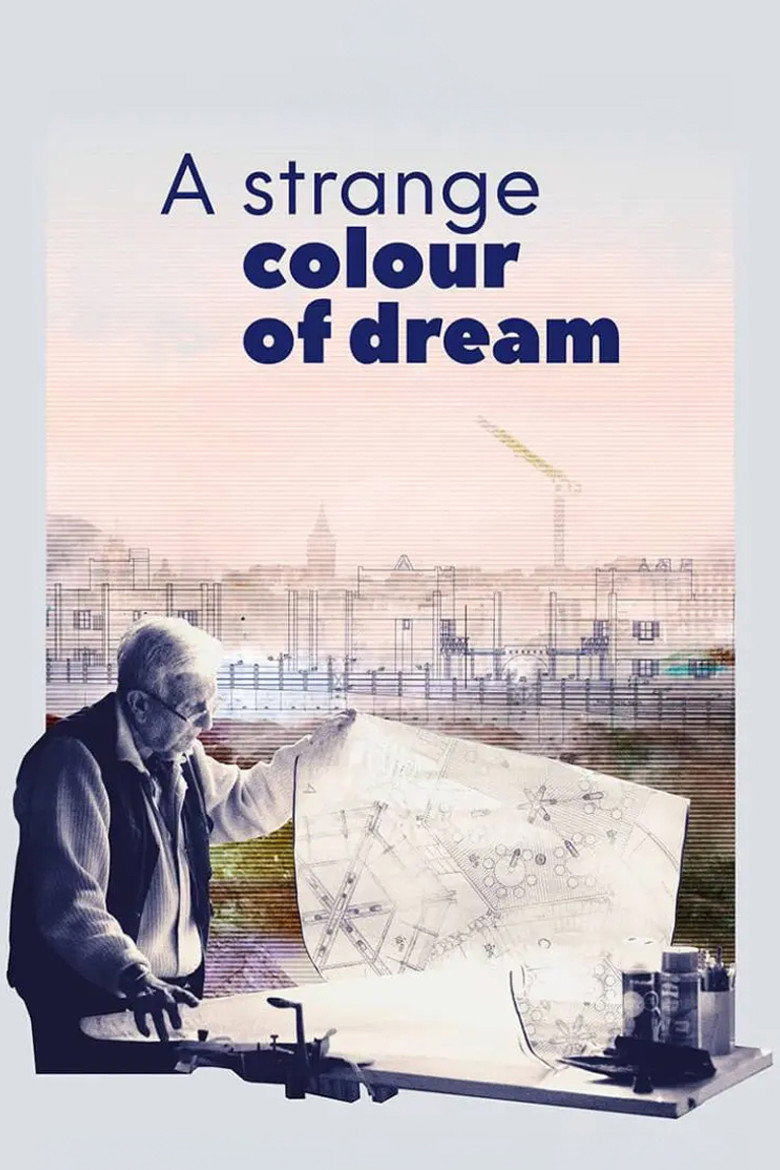
A retired architect draws, one by one, buildings that will never be built: a mosque, a music theatre, a resort. Akıncı does not present this as idle consolation; mourning and production sit at the same desk, and the drawing becomes the only concrete thing put in the place of what was lost.

The obstacles in front of a woman are neither dramatic nor one-off: a signature, an appointment, a phone call, an ex-husband's manner. Reyhan lets them accumulate and makes the viewer share the same fatigue, until it becomes hard to notice where the decision was actually made.

A restorer's job is to complete what is missing, and the film turns that job into a state of mind. Yoleri puts mourning and repair on the same table and lets looking at a painting blur into looking at a person.

The cards laid out on the table are not an instrument of prophecy but a way for two women to size each other up. Yıldırım turns the reading into a game of power in which who is reading whom keeps changing hands.
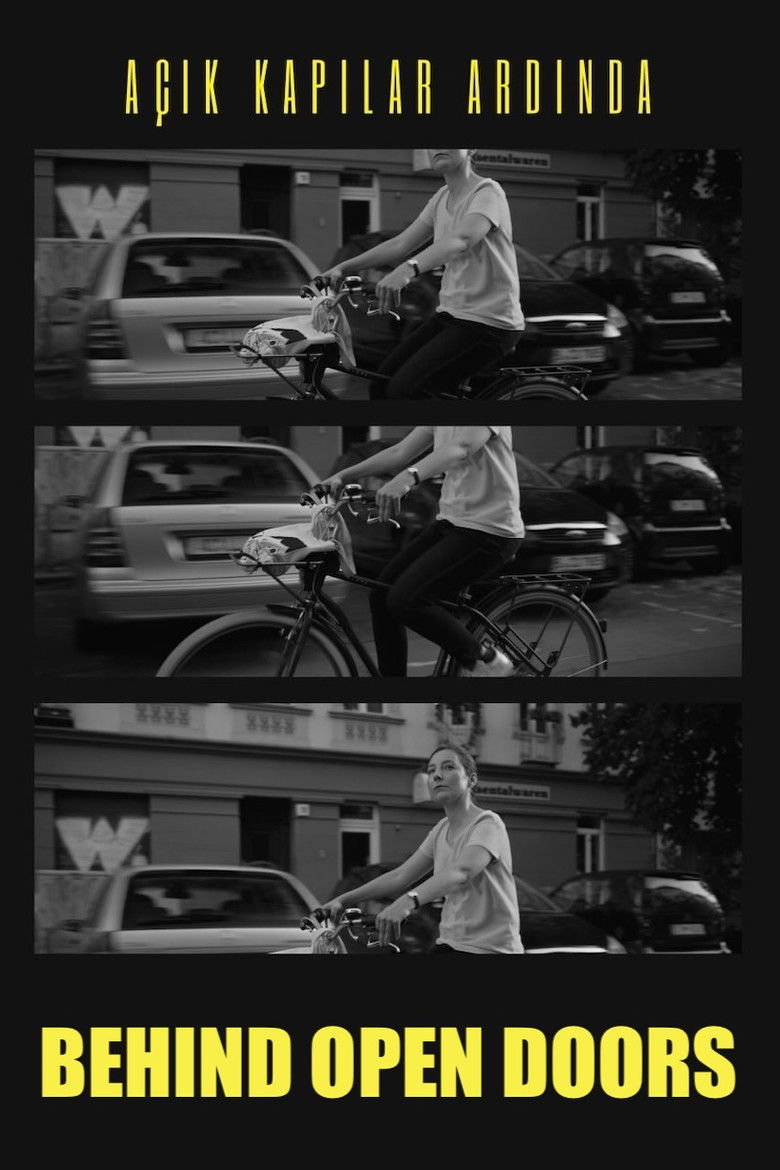
Staying in a new country comes down to a signature, and nobody turns up to give it. Uğurlu films migration as a paperwork problem rather than an emotional threshold, and friendship is what gets tested there.
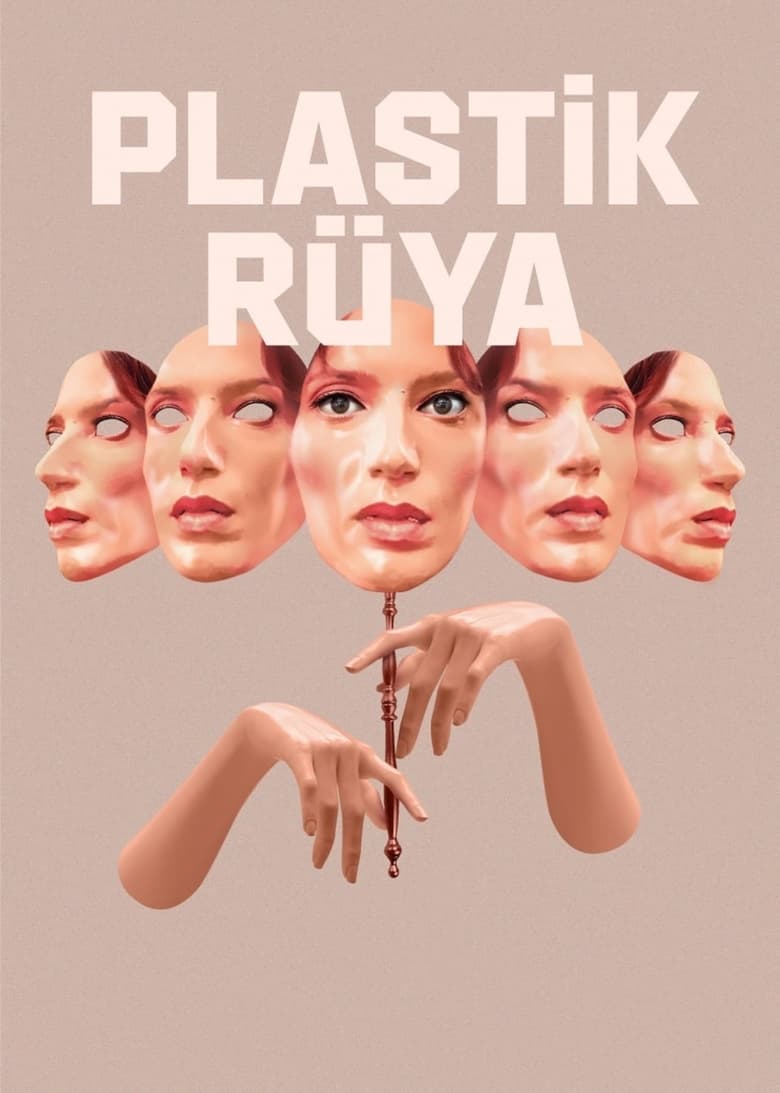
A suggestion, a needle, and a few days in front of the mirror. Bozcu conveys the pressure of beauty through the face itself rather than through argument; the closer the camera stays, the less clear it becomes whose expression this is.
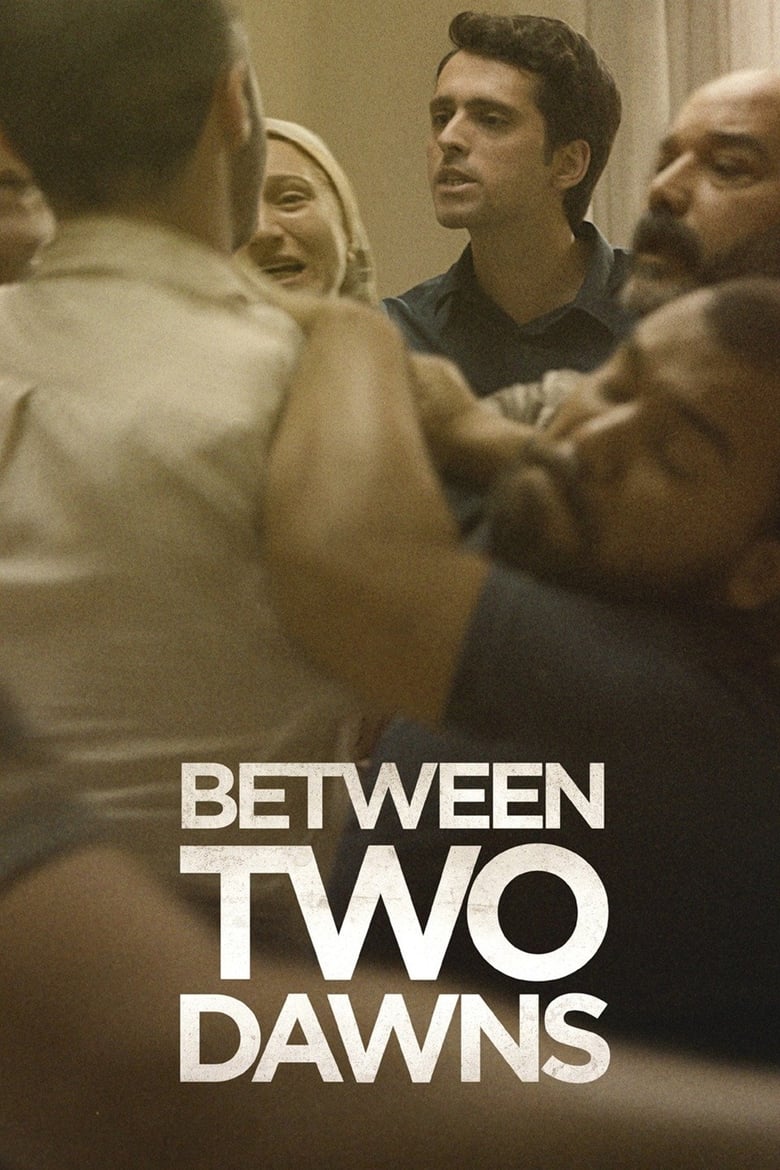
The family convenes at once after an accident, and what is discussed is not the injured man but where the responsibility will settle. Nacar shows the law as a technique for distributing weight rather than an instrument of justice; because the camera never lets go, the viewer also misses the moment the decision was taken.

A city behind closed doors, believing the voice at the other end of the line. Erdem uses the con not as a crime but as an experiment measuring what people accept instantly; the tighter the frame, the more voices crowd into it.

Twenty-seven floors of empty offices, one guard, and a shift as quiet as the idle lifts. Gelberi uses the building as a pressure rather than a set; as the emptiness grows, what the man tells himself becomes audible.
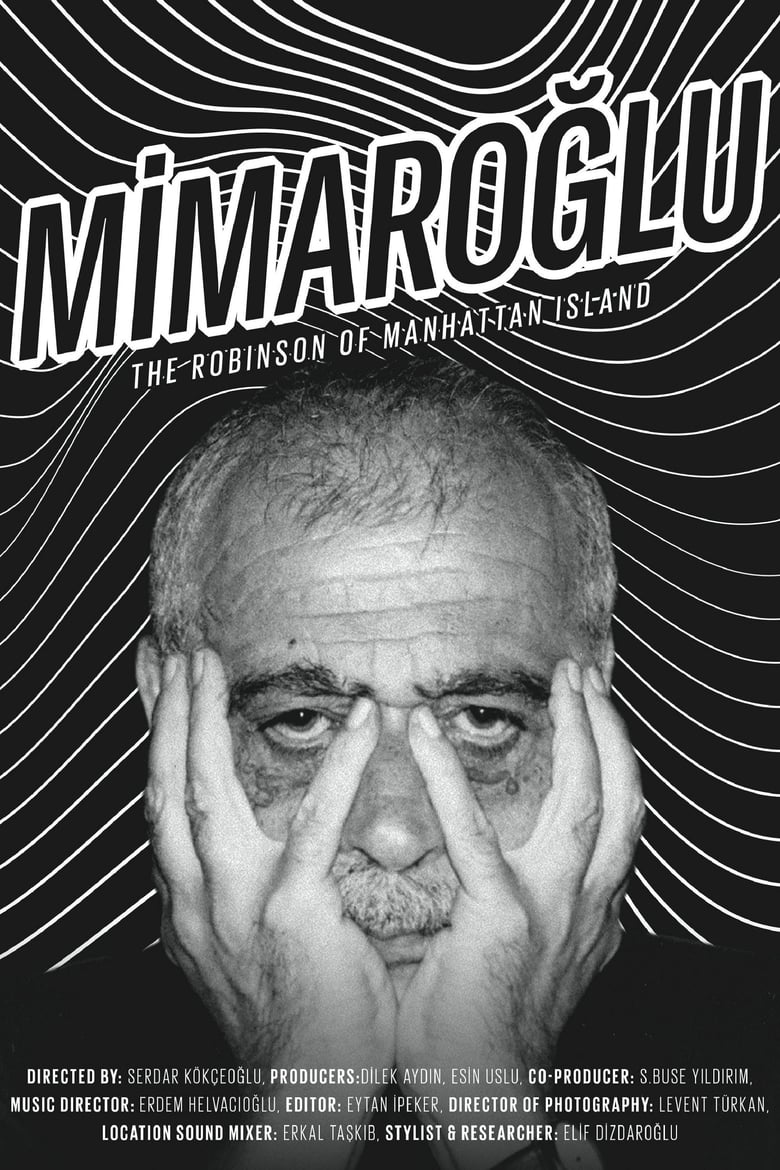
The portrait of a man working in electronic music is told alongside a second life lived in the same house. Kökçeoğlu does not lay the archive out as a straight chronology; sound, image and letters overlap until the portrait becomes less a biography than a mix.
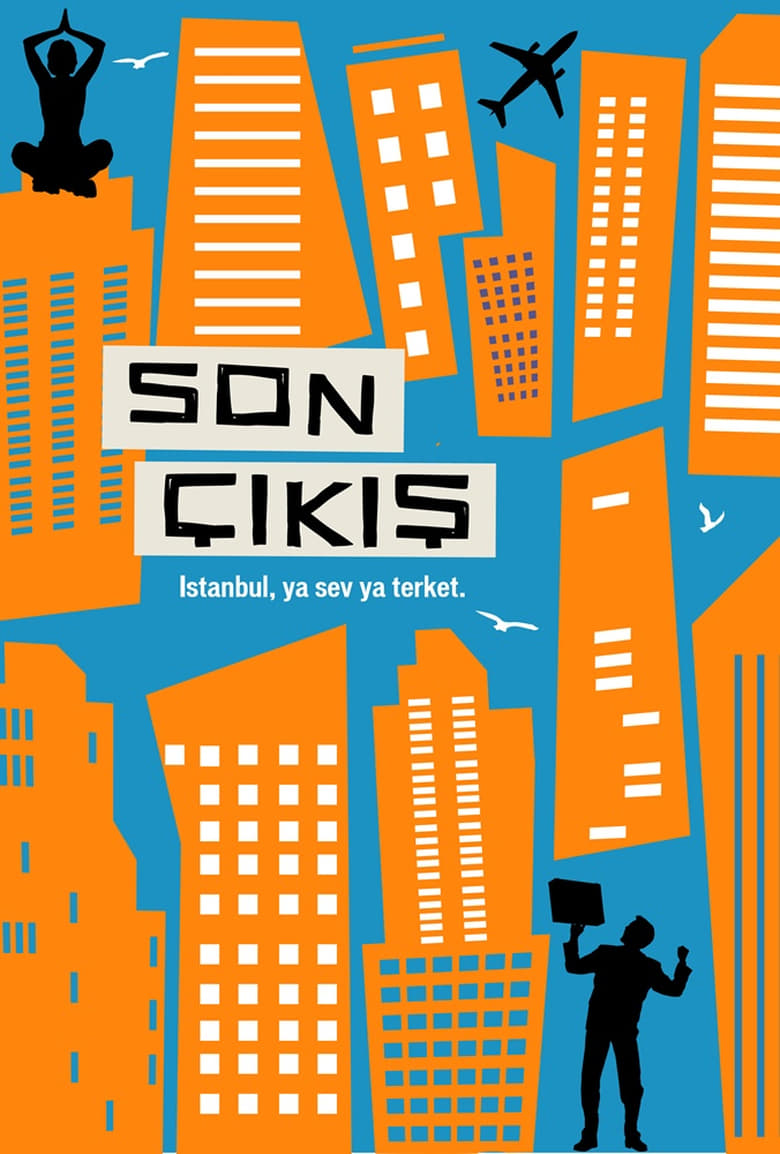
Deciding to leave is easy; leaving is not. Matin makes each obstacle slightly more absurd than the last, turning comedy by degrees into a state of being stuck.
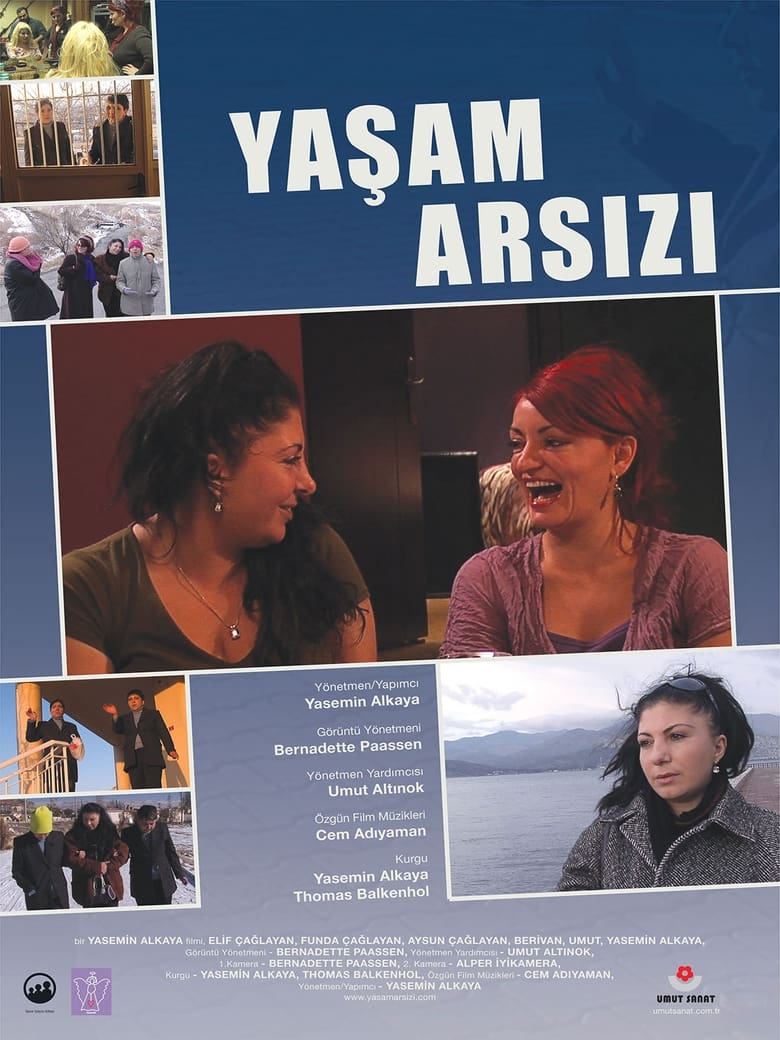
The camera enters a life and stays there; the woman speaking sets her own terms in her own words. Alkaya does not separate interview from staging, and that blurring lifts the film out of case study and into testimony.
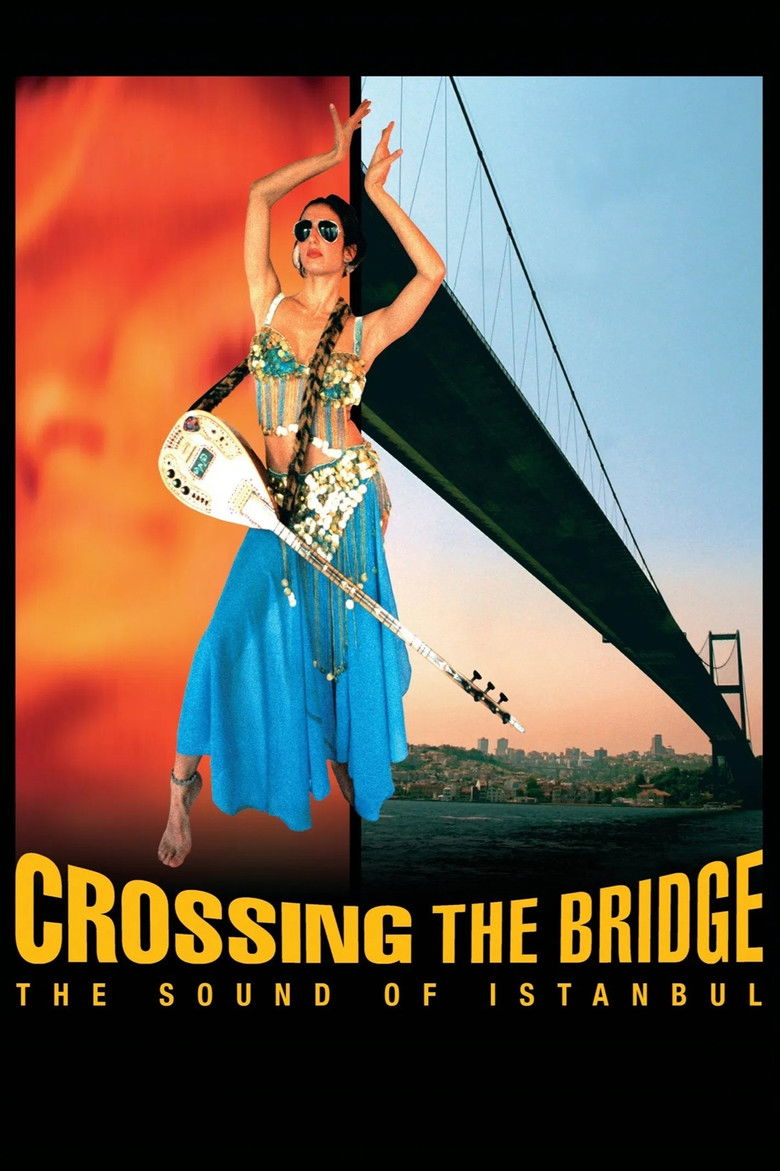
A film that describes the city by sound before image: street music, studio, gazino and rock club share the same plane. Akın takes a foreign musician's ear as his guide and never ranks one form above another.

A briefcase, money belonging to nobody in particular, and the market value of honesty. Erdem keeps raising the tempo until moral hesitation becomes a physical chase; the further the man runs, the less of his own measure he keeps. Money is present in nearly every scene, which makes this less a crime story than a study of appetite.
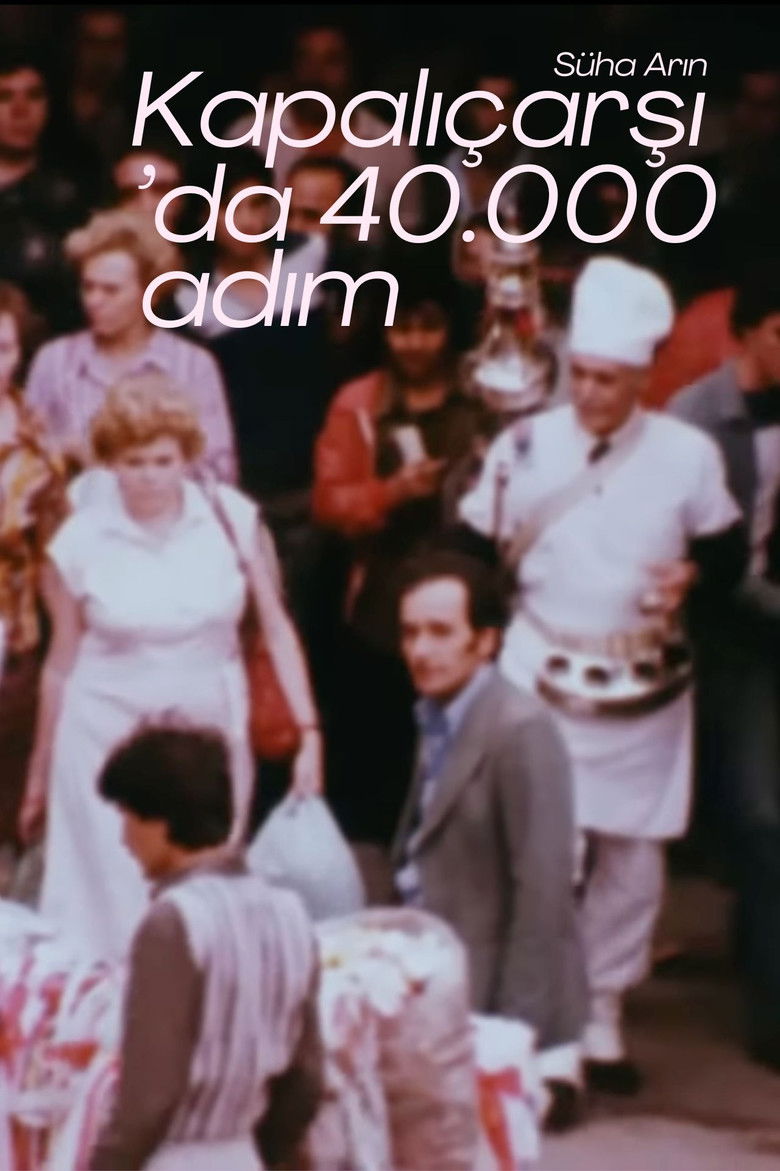
The bazaar is measured in the steps of someone who has walked it for forty years. Instead of describing the place from above, Arın moves through it from inside; traders, corridors and stalls emerge as a route rather than a map.
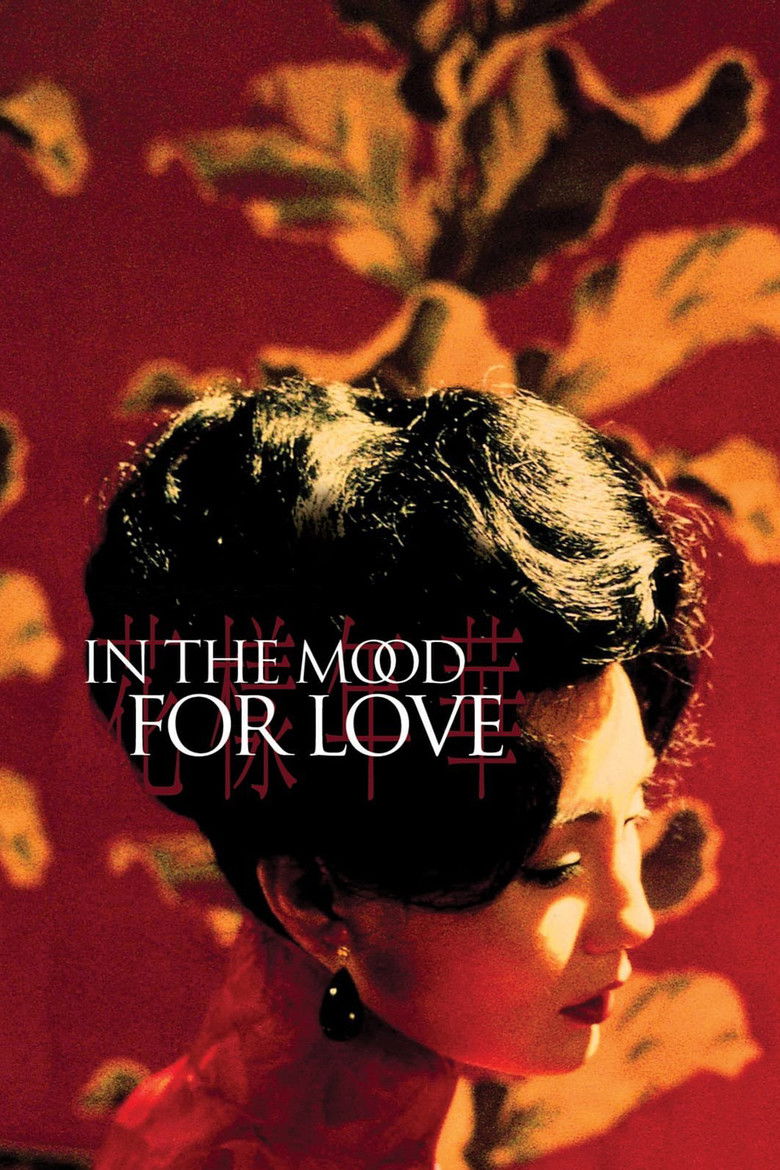
From Wong Kar-wai, the never-spoken love of two lonely neighbors. Everything stays in the glances and the space between them.