Tags
Classic
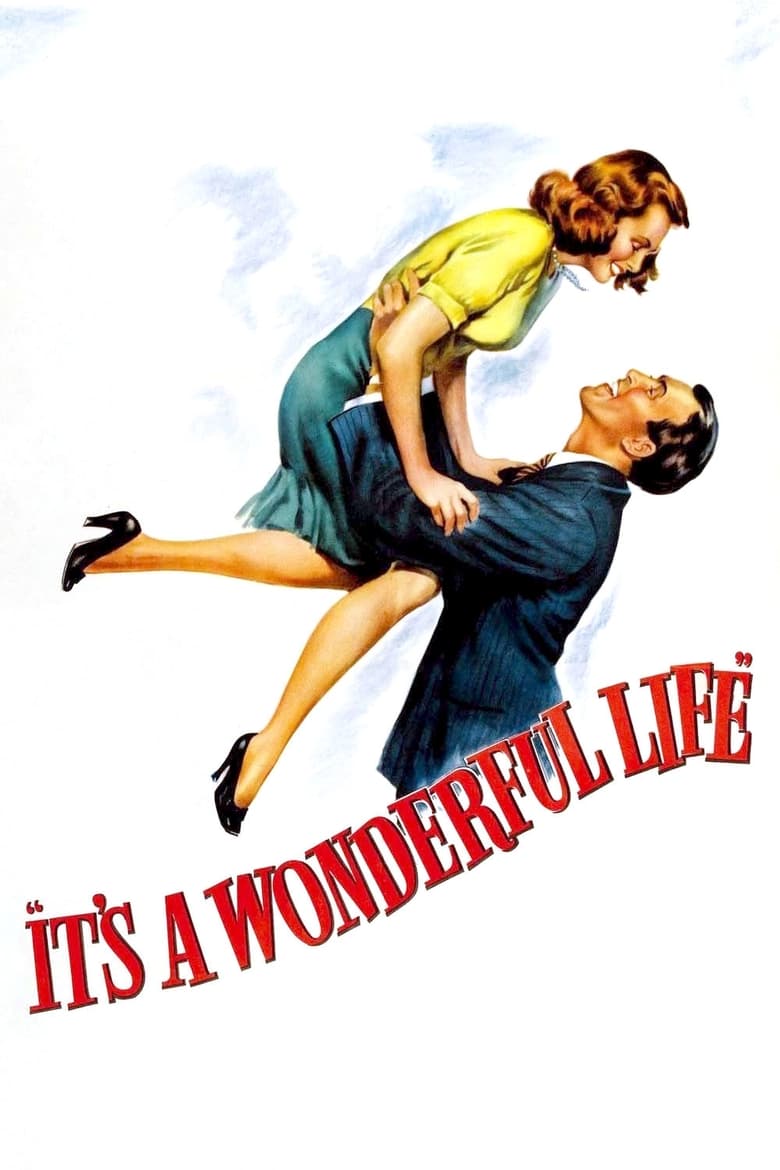
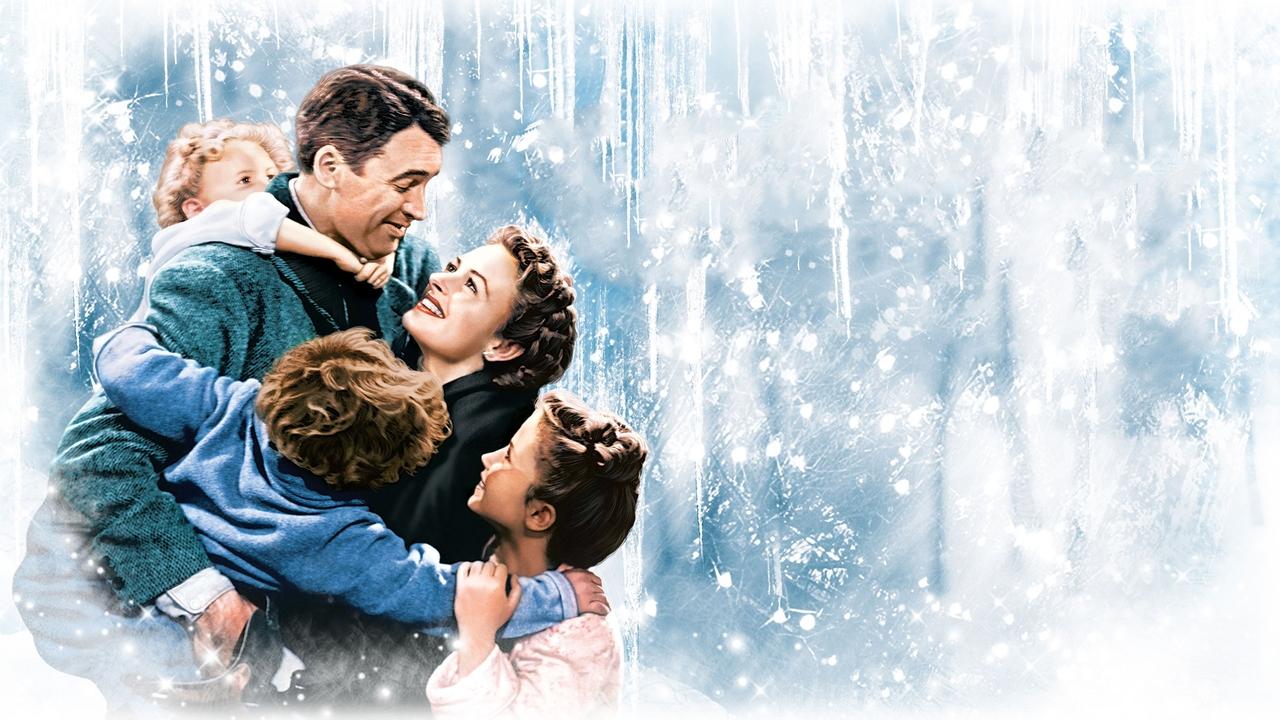
A man who has lost hope is shown what the world would be had he never lived. Capra's classic isn't sweet — its light is real because it passes through the dark.

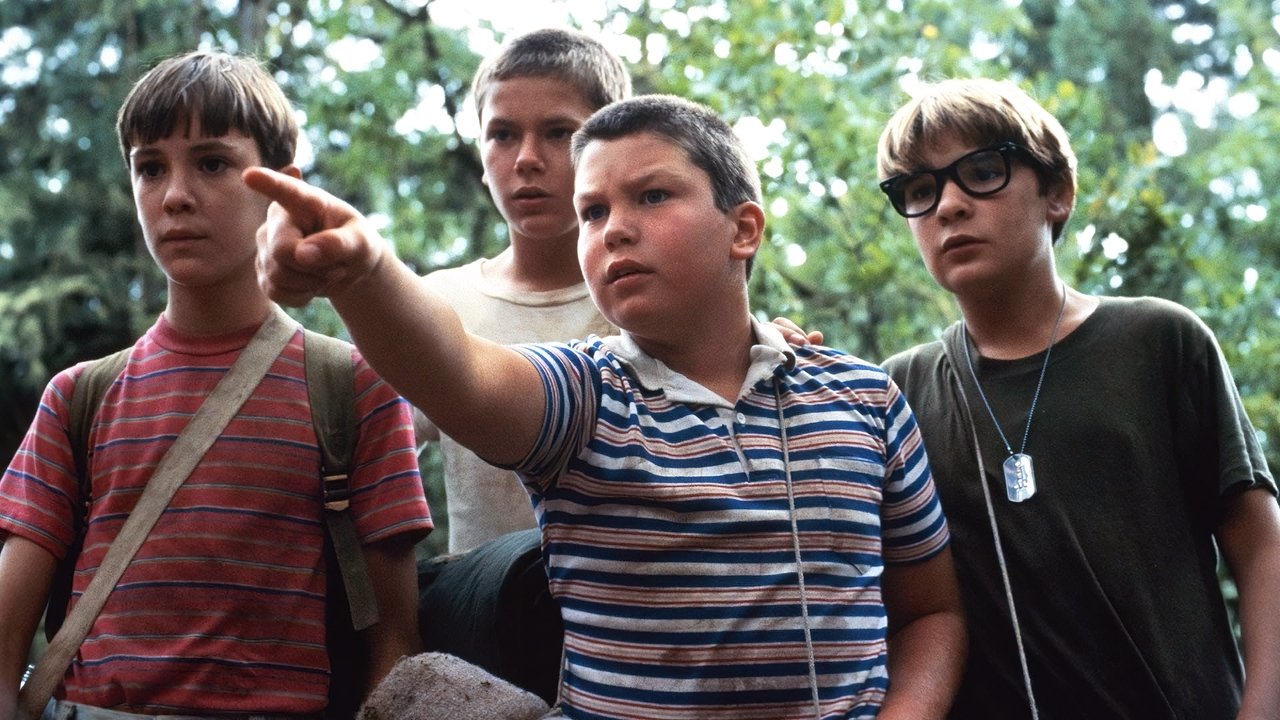
Four boys set out to find a body and arrive at the end of childhood. Reiner films King's gentlest story with the warmth of a memory.

A lawyer father defends an innocent man in a racist town — seen through his children's eyes. Gregory Peck's steady voice became cinema's moral compass.

A family and a dog walking through drought. The harshest film in Brazilian cinema, where the glaring light is itself a torment.

In postwar ruins, a wife, her husband and a former lover. Widely called the finest Chinese film ever made; it was lost for forty years.

A woman walks the streets by night and raises her son by day; all she wants is for him to go to school. A peak of silent Shanghai cinema, carried by Ruan Lingyu's face — which says everything without a word.

Lang's four-and-a-half-hour crime epic. Mabuse rules the city by hypnosis — a portrait of Weimar Germany's chaos.
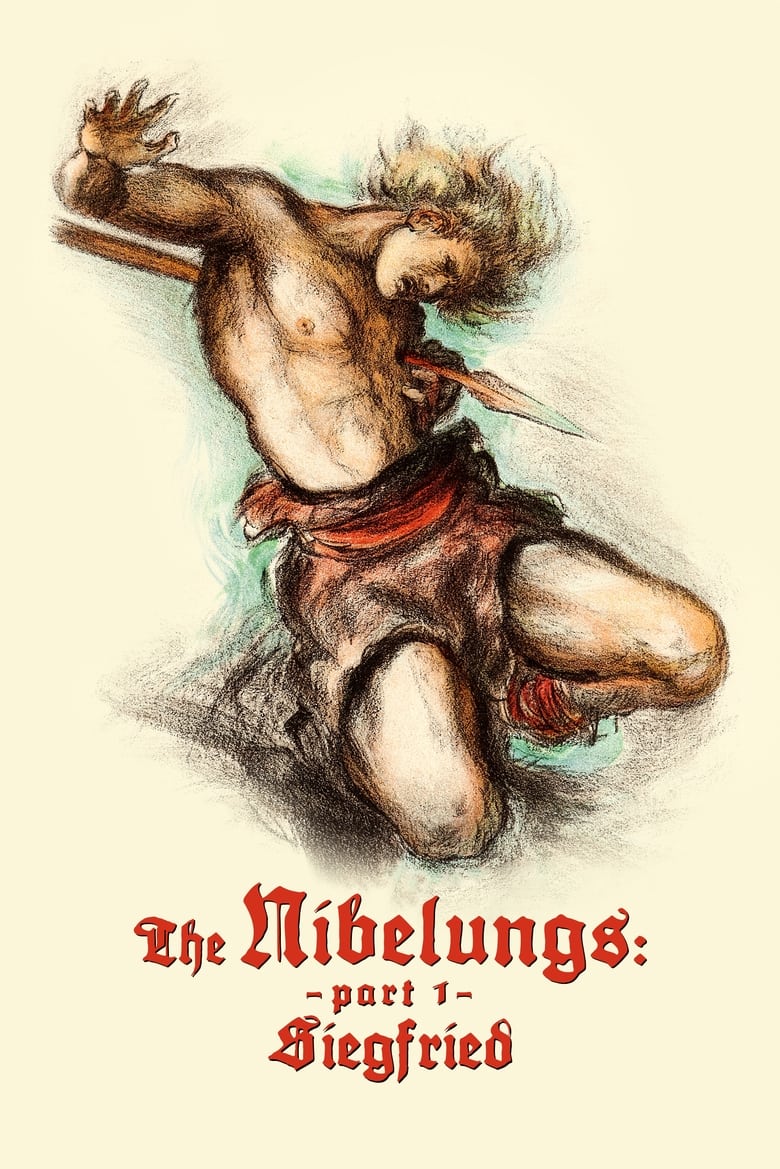
The German epic, colossal sets and a dragon. Lang turns myth into monumental architecture; it was Hitler's favourite film, which is its own problem.
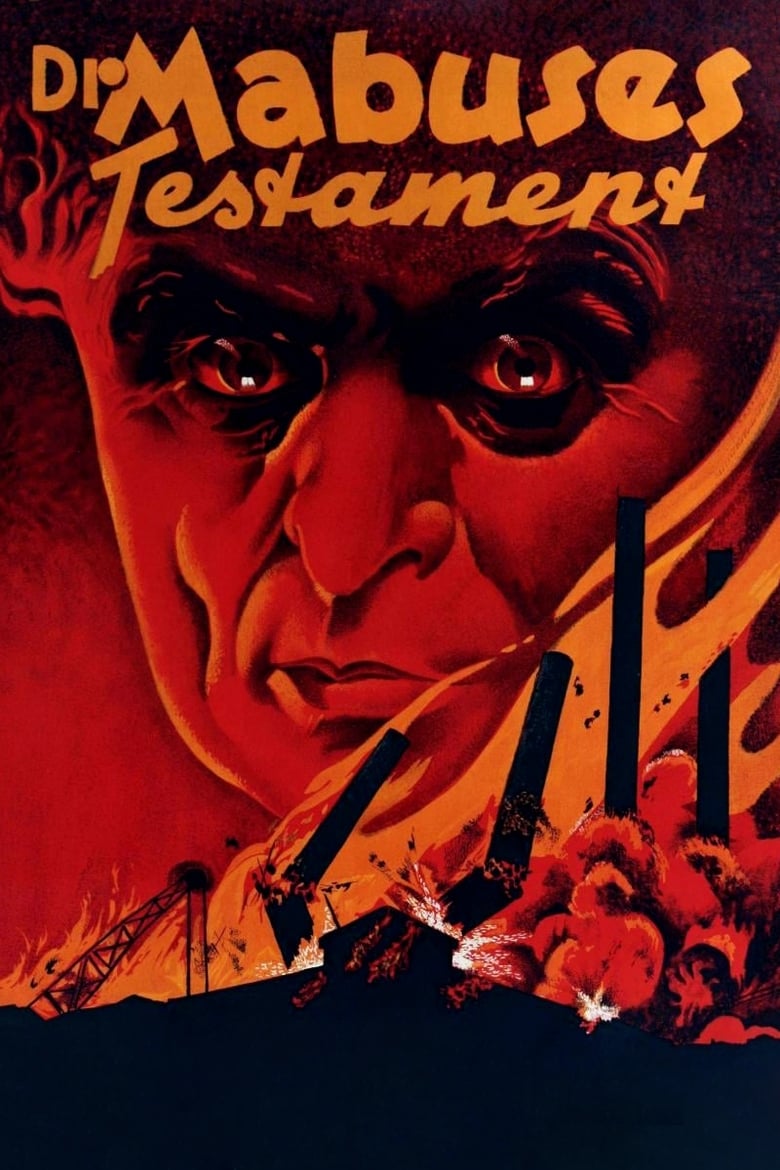
Mabuse keeps committing crimes from inside an asylum. The Nazis banned it; Lang left Germany the next day.
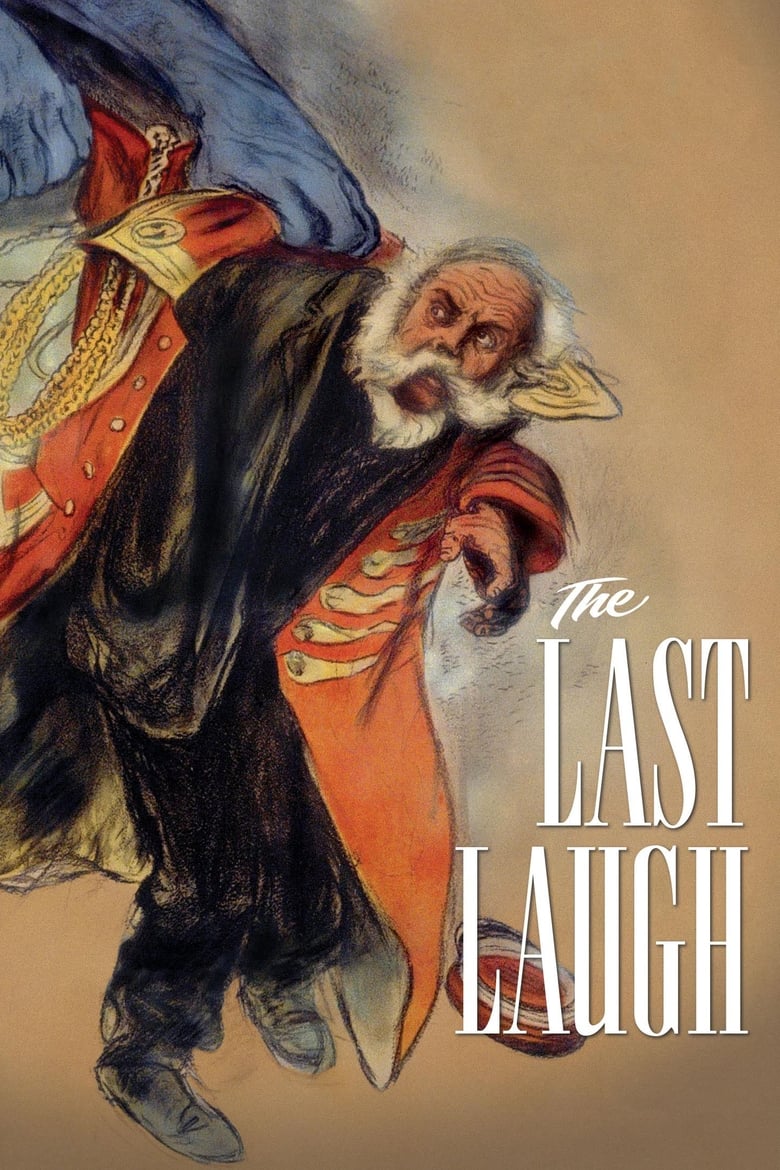
A hotel doorman loses his uniform and with it his identity. Murnau tells the whole story without a single intertitle — this is where the camera first truly moves free.

A farmer takes his wife out to drown her and falls in love with her again in the city. Widely called the most beautiful silent film; it won the first Academy Award.
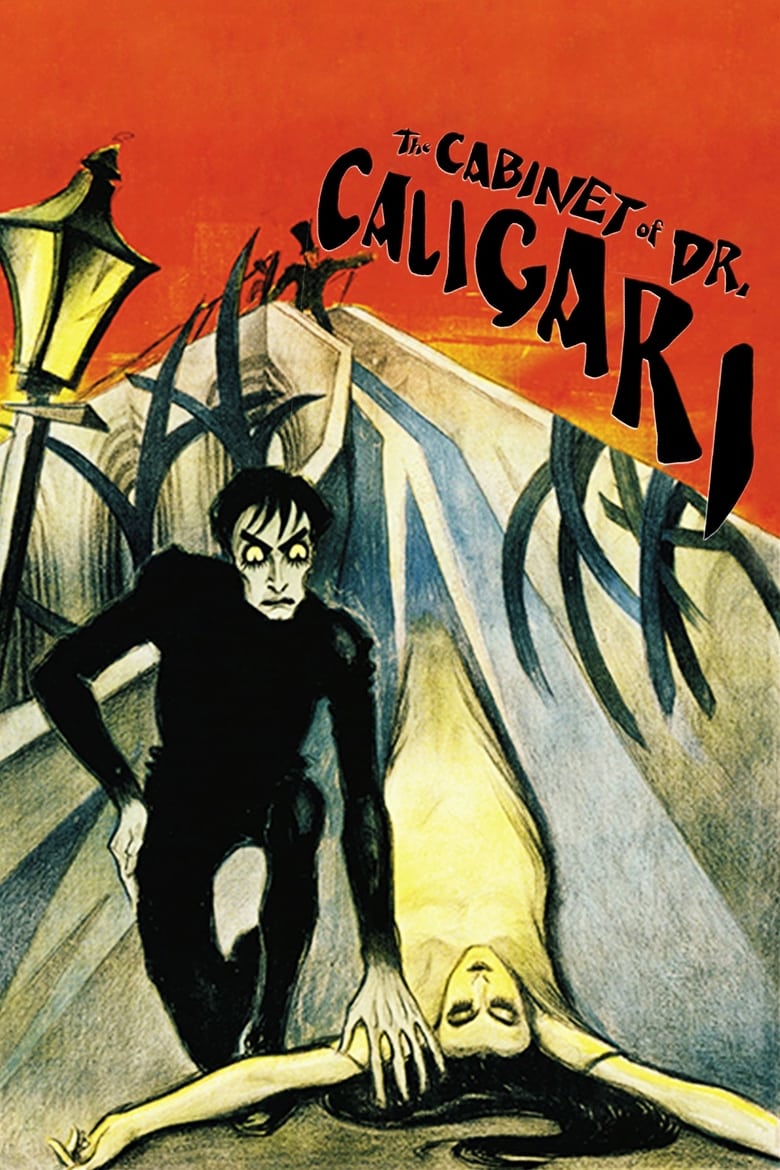
Crooked walls, painted shadows, jagged angles. The birth of expressionism — and the ending makes you doubt the story you were told.

Dreyer's only horror film. There is barely a narrative; only fog, shadow and a coffin sequence. Shot like a dream and remembered like one.

Saladin and the Crusades, seen from Nasser's Egypt. An enormous production and the cinematic face of Arab nationalism.

A thief, an American girl and Paris. The jump cut was invented here; Godard broke cinema's rules in a single film.

A screenwriter, his wife and a film shot on Capri. Godard tells a marriage dissolving through Bardot's back; Delerue's score breaks the heart.

Godard's colour explosion: a flight, a killing spree and the Mediterranean. When Belmondo paints his face blue, cinema becomes something else.

Two men, a woman and a robbery plan. The dash through the Louvre and the Madison dance — Godard's most joyful film.
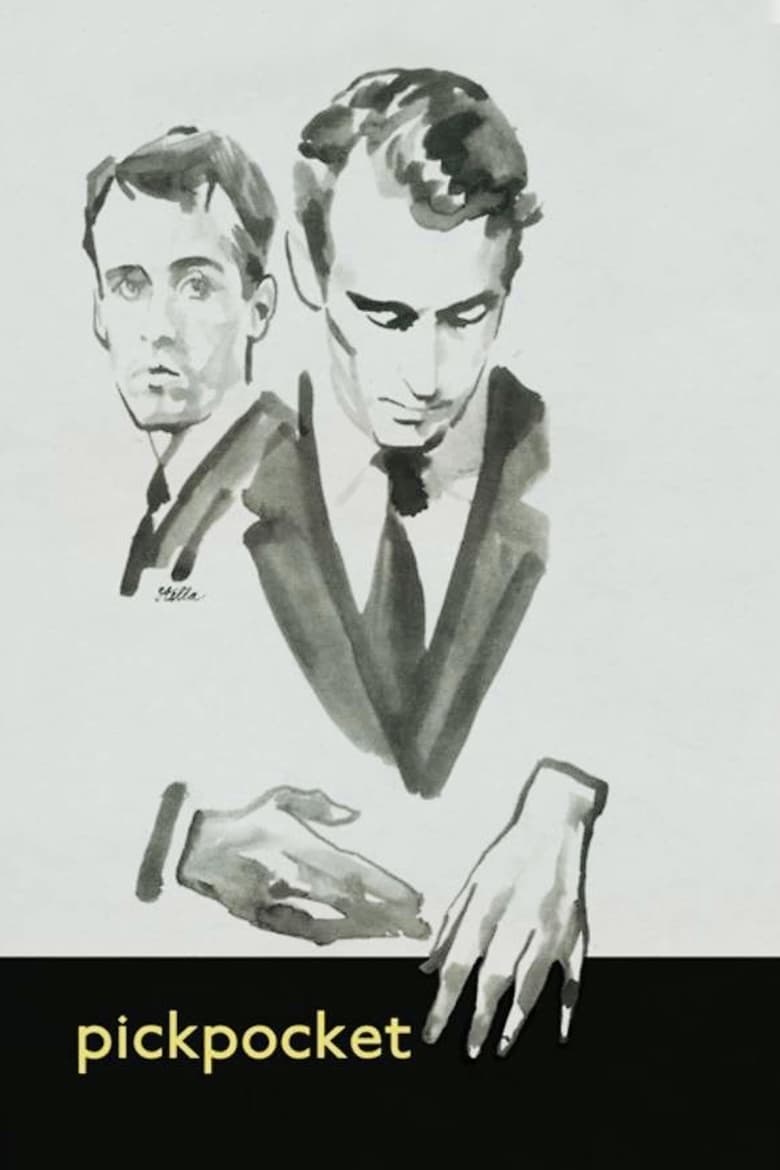
A pickpocket's hands, a metro carriage and crime rendered as craft. Bresson refuses acting altogether — which is why it feels true.

A young priest in a village that believes nothing. Bresson films hands rather than faces; faith here is not triumph but exhaustion.