Tags
Comedy

What a death leaves behind is not only grief but an estate and the people who gather around it. Kesova runs the family reckoning at the tempo of comedy; who is standing where keeps shifting as the conversations go on.

The preparation before a shoot carries as much hierarchy as the shoot itself. Yıldız turns the camera on the backstage of the work and quietly measures who gets to decide.

In an ancient town, a novice psychic looks for her mother with three ghosts in tow. Yıldırım pulls the supernatural towards humour rather than horror; the commentary of the dead becomes the film's real voice, and the search turns by degrees into a matter of self-knowledge.

The presence of a documentary crew is the film's own joke: the moment a camera arrives, a person starts narrating herself, which is to say editing herself a little. Oğurlu declines to dramatise the approach of thirty and works instead on how being observed changes someone.

With the end of the world approaching, a father sets the table; the apocalypse here is not a spectacle but the last round of old arguments. Hepsev uses science fiction on a single idea and gives the remaining time over to a family reckoning.

The cards laid out on the table are not an instrument of prophecy but a way for two women to size each other up. Yıldırım turns the reading into a game of power in which who is reading whom keeps changing hands.

The funeral is not an ending but a calendar: everything the man has been avoiding gathers in one house for three days. Atabey uses comedy not to cover the grief but to show how someone unripe defends himself.

A city behind closed doors, believing the voice at the other end of the line. Erdem uses the con not as a crime but as an experiment measuring what people accept instantly; the tighter the frame, the more voices crowd into it.

Deciding to leave is easy; leaving is not. Matin makes each obstacle slightly more absurd than the last, turning comedy by degrees into a state of being stuck.

A stolen watch passes from hand to hand, and every hand brings it closer to the next.
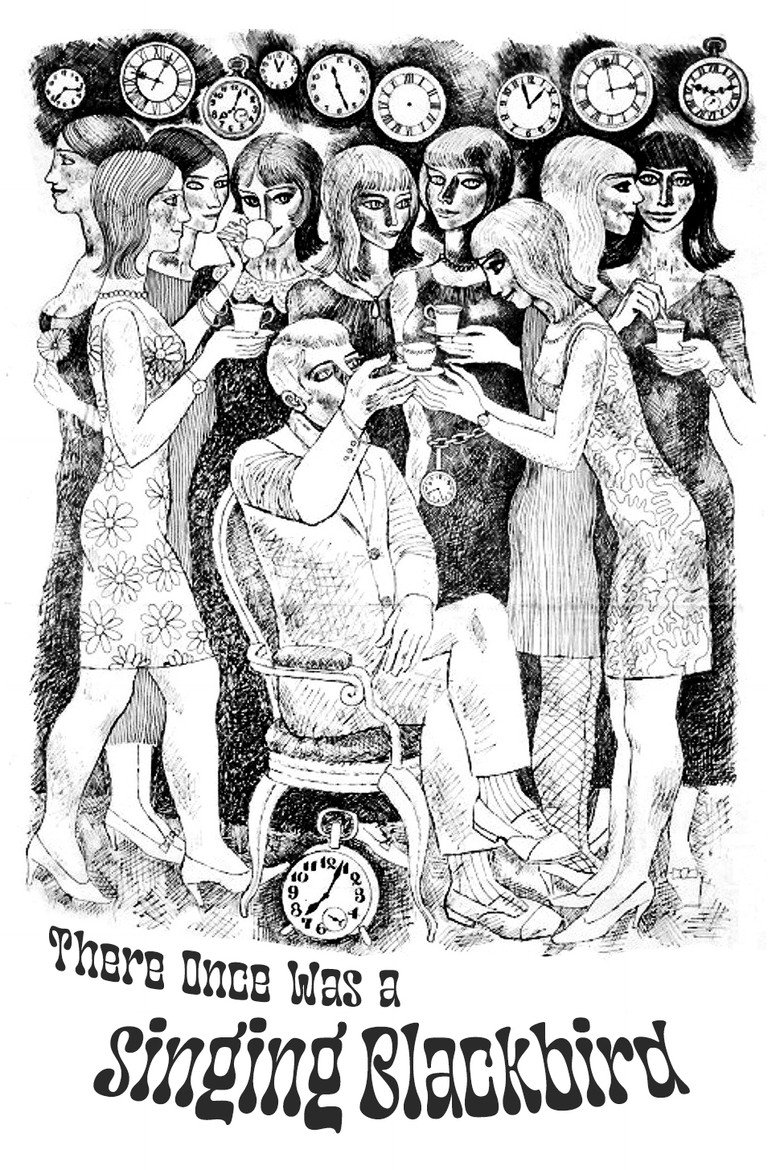
A timpanist drifts through his days dawdling and promising everyone his time; Iosseliani watches without judging, with the lightness of a life slipping by.

In Paris a set of china and a painting pass from hand to hand; Iosseliani's French-period opener, an ironic and loose comedy of possession.

A fable-comedy as light as a flying carpet, spun around a blacksmith and a dreamer. E. Shengelaia's fantastical humor quietly bends Soviet reality.

A writer's manuscript wanders lost from office to office in a publishing house; a slow-burn absurd satire of Soviet bureaucracy that laughs until the building collapses.

A French chef in love with life and food in pre-revolution Georgia; Jorjadze sets taste, love and loss at the same table. An Oscar nominee.

A woman finding herself through her thirties in Oslo. Smart, honest, moving.

From Vinterberg, four teachers who decide to keep a steady buzz in their blood. The premise is absurd; the results are both funny and devastating.
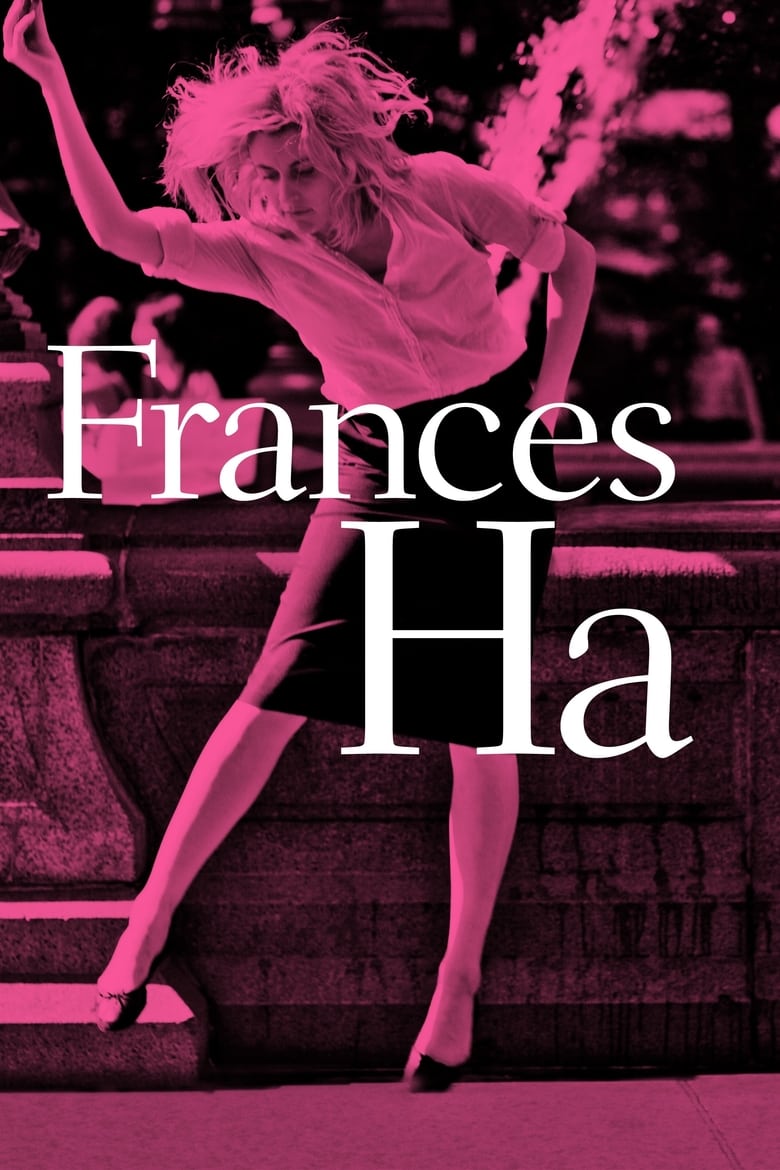
From Baumbach, the black-and-white portrait of a woman finding her way in New York. Joyful, wistful, lively.

From Wes Anderson, a fabled hotel, a flawless concierge, a Europe on the way out. Symmetrical and brisk, with real sorrow underneath.

A father who flees during an avalanche collapses in his family's eyes. Uncomfortable, funny, sharp, from Östlund.

