Tags
deadpan

The preparation before a shoot carries as much hierarchy as the shoot itself. Yıldız turns the camera on the backstage of the work and quietly measures who gets to decide.

The anger is there and the decision is made; what remains is a day spent walking around with it. Fıratoğlu does not delay the violence for effect — the delay is the subject: everyone met along the way is both an obstacle and a rest. Heat, day-wages and distance belong to the same equation.

The presence of a documentary crew is the film's own joke: the moment a camera arrives, a person starts narrating herself, which is to say editing herself a little. Oğurlu declines to dramatise the approach of thirty and works instead on how being observed changes someone.

The funeral is not an ending but a calendar: everything the man has been avoiding gathers in one house for three days. Atabey uses comedy not to cover the grief but to show how someone unripe defends himself.

A dialogue-free black comedy carried entirely by gesture, colour and timing.

Deciding to leave is easy; leaving is not. Matin makes each obstacle slightly more absurd than the last, turning comedy by degrees into a state of being stuck.

A former wrestler travels to the Georgian émigré enclave of Brooklyn to see his debt-ridden son; Koguashvili films the father-son silence with deadpan sorrow.

A young girl hires a hard-bitten marshal to track down her father's killer. The Coens revive the classic western with a tight, dry wit.

In a modern city's maze of glass and steel, people search for an odd harmony. Tati relies not on dialogue but on hundreds of tiny gags in one vast frame.

Two butchers accidentally sell human meat and the customers love the taste; nobody is horrified, and neither is the film.

From Hong Sang-soo, two different versions of the same encounter. Subtle, repetitive, clever.

A man who loses his memory starts from zero. Kaurismäki's warmest film: a rebirth in a container settlement.

An old shoeshine in Le Havre hides an African boy. Kaurismäki is openly optimistic here; fairy-tale-like and political precisely because of it.
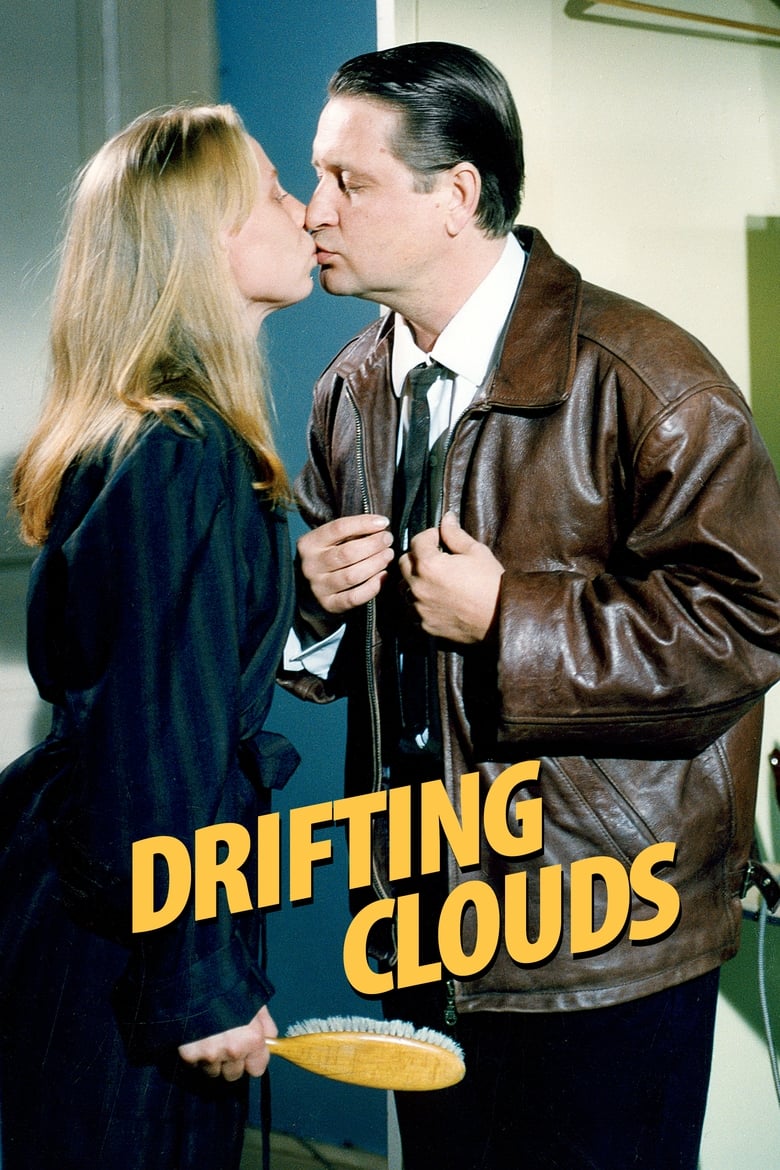
A couple who lose their jobs and hit bottom. Kaurismäki finds hope in the least expected place; it won the Grand Prix at Cannes.
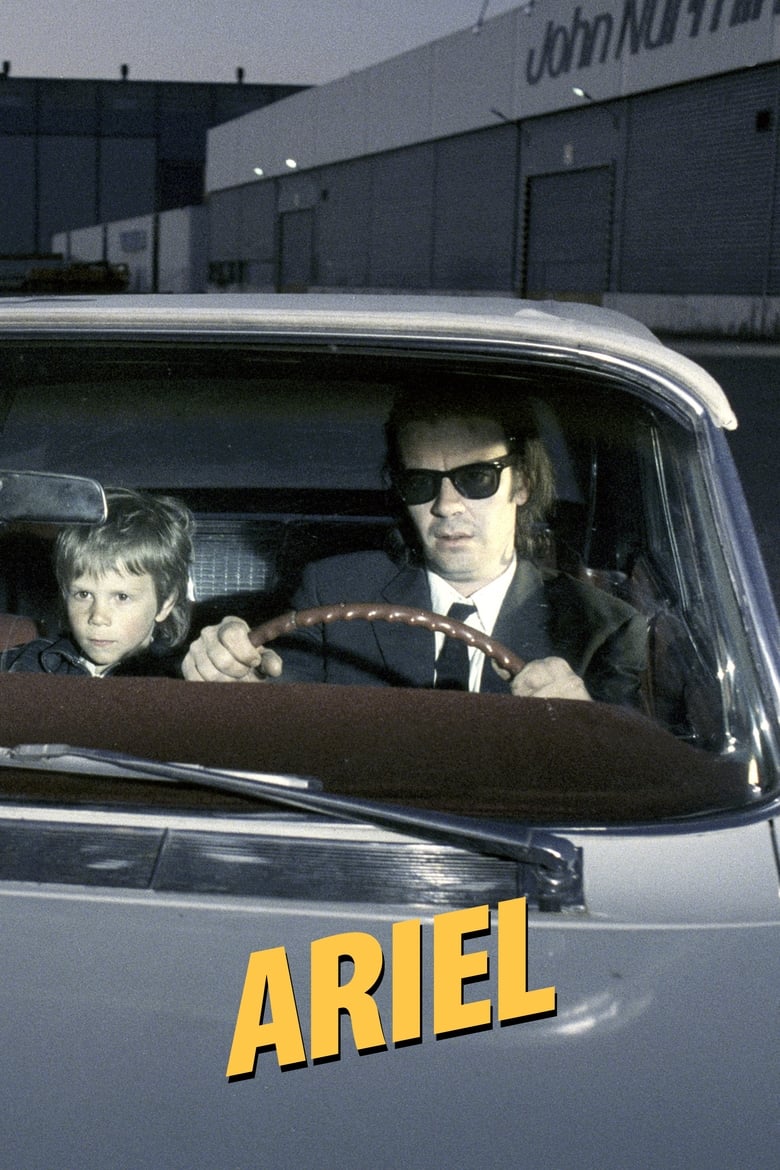
A miner whose father kills himself drives south. Kaurismäki mixes hopelessness with cheer.

A rubbish collector and a supermarket cashier. Kaurismäki's characters barely speak yet convey everything; funny and heartbreaking.
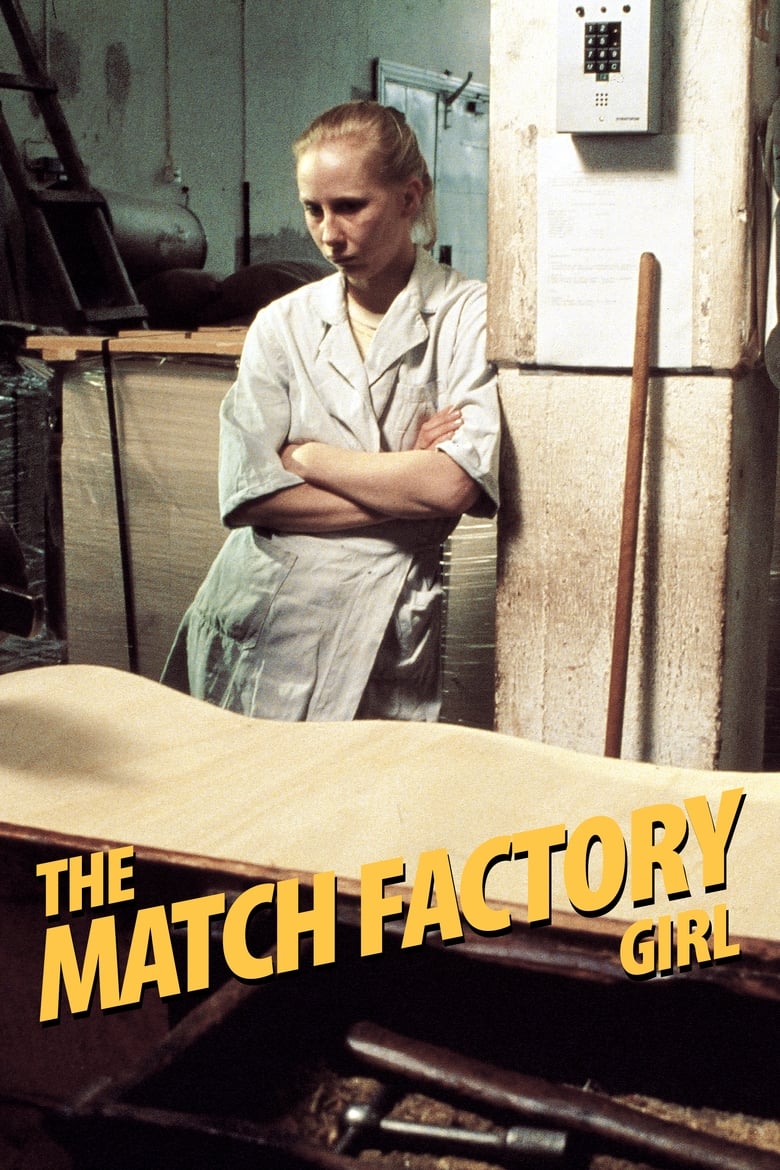
A factory girl's silent revenge. Kaurismäki's bitterest film, with almost no dialogue at all.

A policeman, his dying wife and one last journey. Kitano's own paintings enter the film; brutality and tenderness share the frame.

A yakuza waits for himself by the sea. Kitano films violence as sudden and silent; the games in between are the film's heart.

A tough man and a boy looking for his mother, on the road all summer. Kitano's gentlest film, carried by Joe Hisaishi's score.

