Tags
Fatherhood

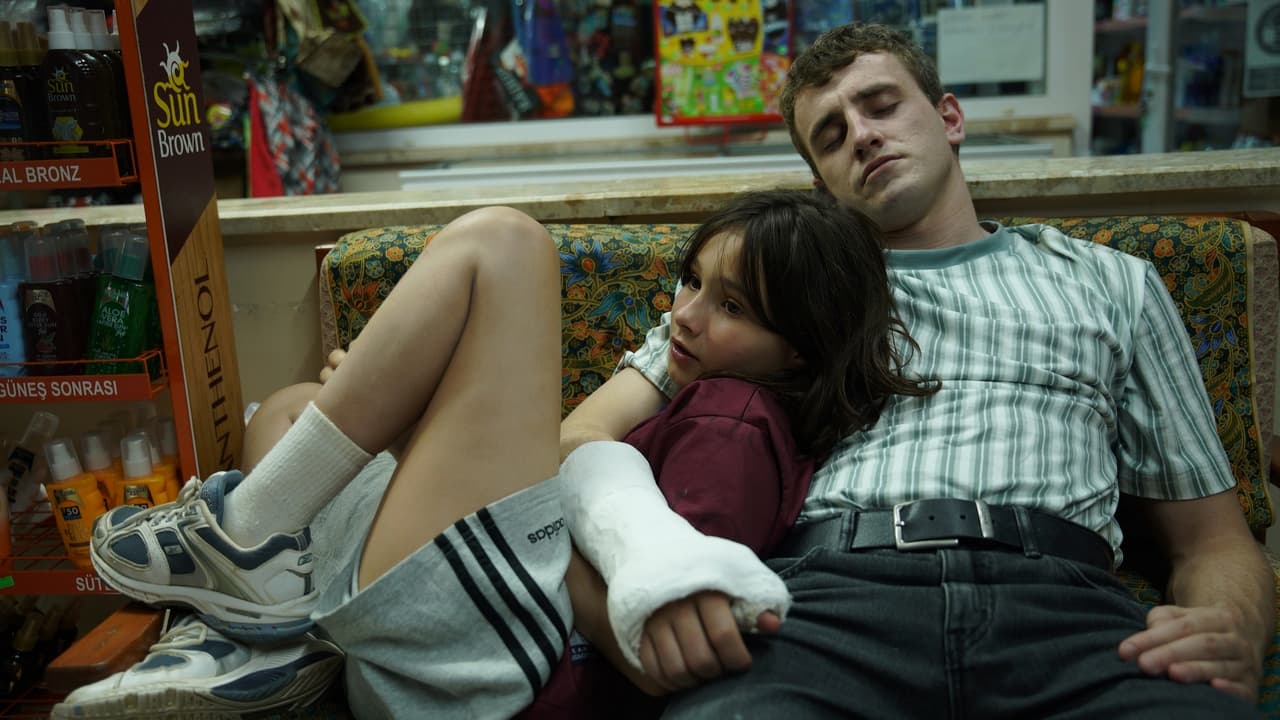
A father, a daughter, a holiday — and a grief hidden beneath memory. The ending reframes everything.

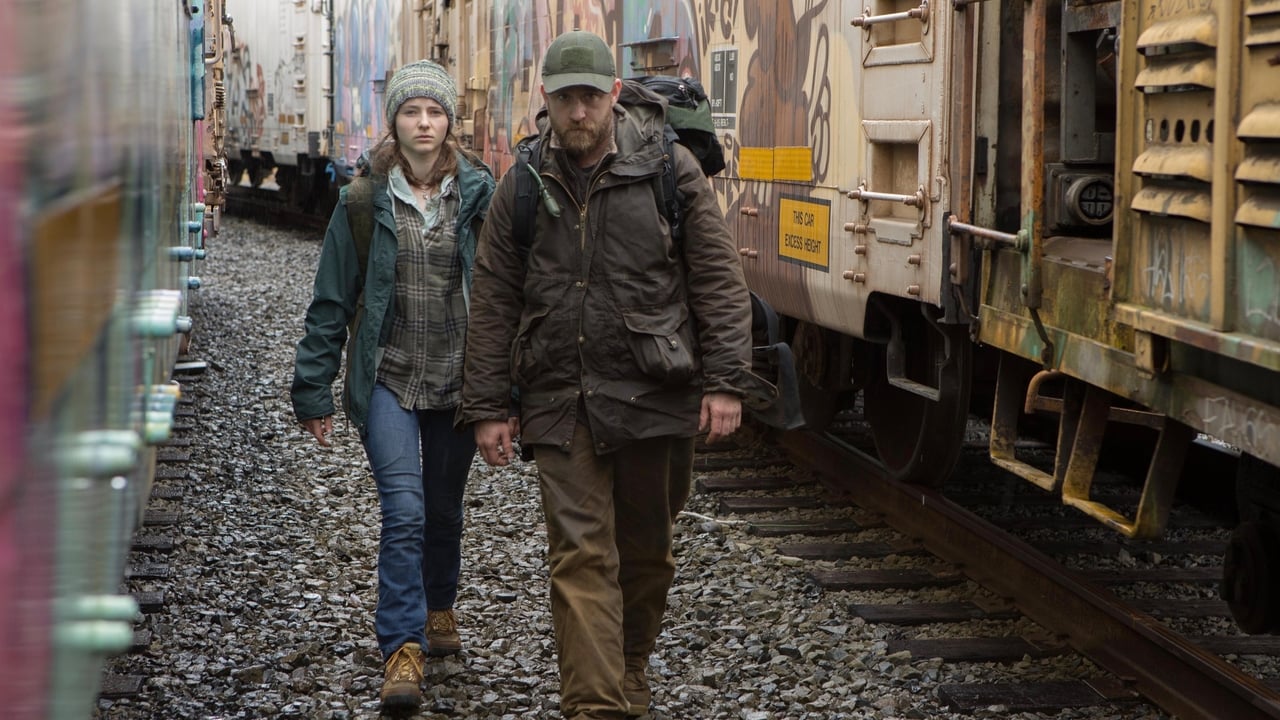
A father and daughter living off-grid in the forest. Tender, spare, beautiful, from Debra Granik.
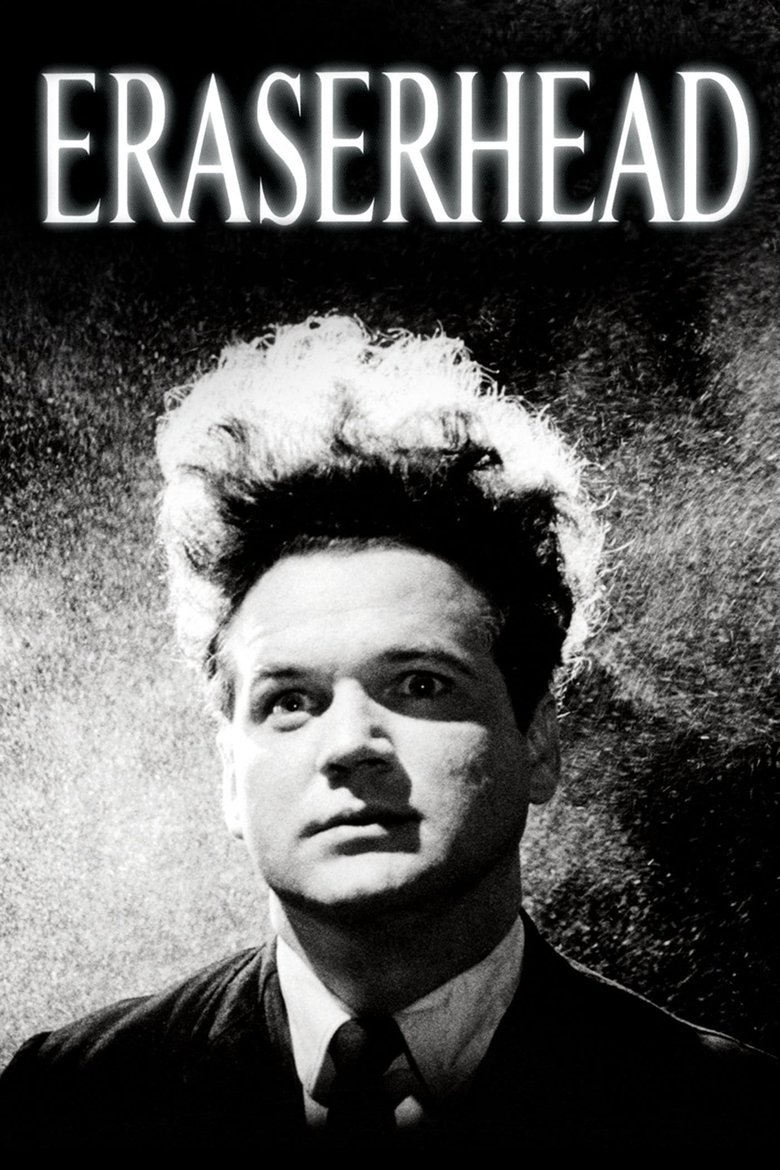
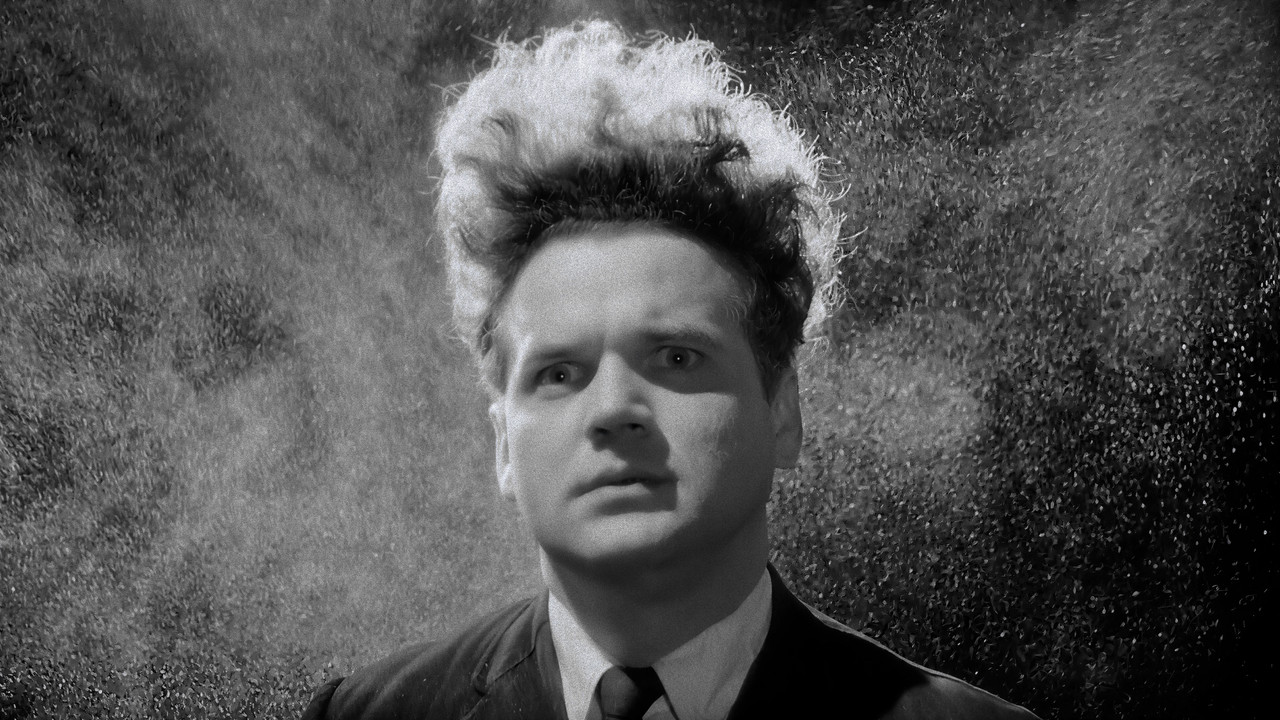
From Lynch, a fatherhood dread suspended between nightmare and dream. A film to feel, not to decode.
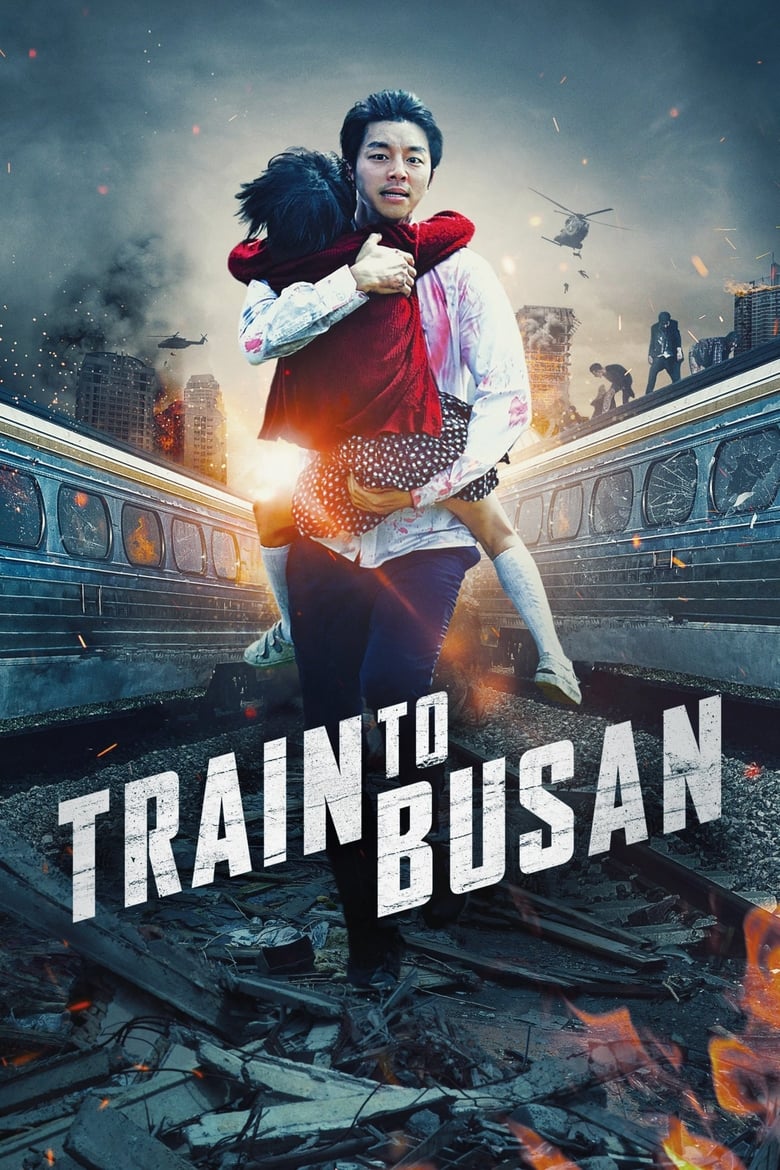
A zombie apocalypse on a train; on fatherhood and sacrifice. Fast, emotional, human.

A father turns everything into a game to shield his son from the horror of the camp. Benigni meets laughter and tears in the same scene.

A man struggling with schizophrenia sets out to find his daughter. Kerrigan puts us inside the sound and static of the illness — hard to endure, impossible to forget.

A man wrongly imprisoned, and his father, fight for years for justice. Based on a true story; Day-Lewis carries rage and love at once.
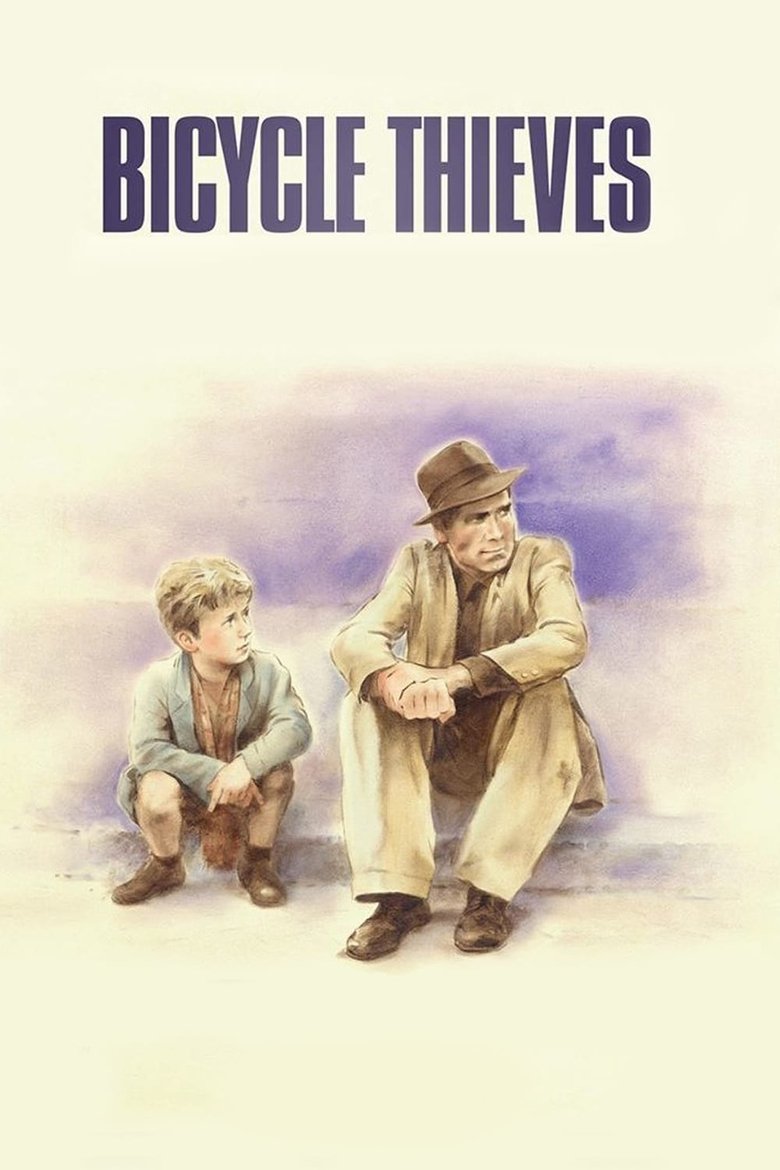
A man who needs his bicycle to keep his job searches for it, stolen, with his son. The plainest, most fragile heart of Italian neorealism.

A boy grows up between his father and a mob boss. A warm story about belonging and morality.
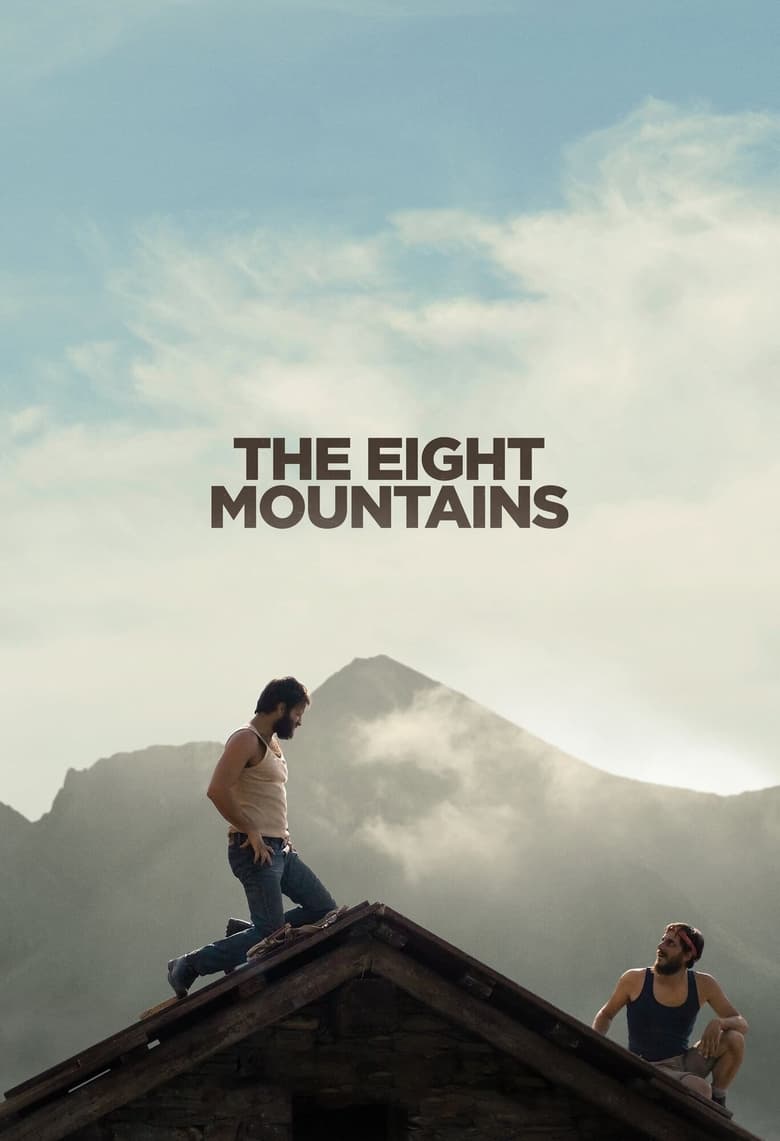
A lifelong friendship between two men, forged in the mountains. Patient, expansive, quietly heartbreaking.

A portrait of a genius backstage at three product launches. Sorkin's sharp, dialogue-driven script.

From Romania: a father compromising his ethics for his daughter's future. Sharp, tense, from Mungiu.

An old father and son's journey chasing a fake prize. Black-and-white, wistful, funny, from Payne.

From Ozu, a quiet, moving masterpiece about a daughter reluctant to marry and her father. Simple, profound.

Apu marries, is happy, and loses everything. The trilogy's most devastating part; the final scene forgives.

Ozu's last film. Again a father, again a daughter marrying, again sake. The loneliness of the final scene sums up an entire career.

A dying man tries to secure his children's future. Iñárritu's most exhausting and hopeless film, with Bardem's finest performance.

From Steinbeck, Cain and Abel transplanted to California. James Dean's first major role: the son who cannot win his father's love.

Coppola didn't make a mob film; he made a family epic. Michael's passage from innocence to command is American cinema's quietest, most terrifying transformation. Across three hours nothing is surplus — from the wedding to the baptism, everything belongs to the same rot.

Child prodigies grow up into failures and the father returns. Anderson's symmetry here becomes a defence mechanism.