Tags
ghost story

In an ancient town, a novice psychic looks for her mother with three ghosts in tow. Yıldırım pulls the supernatural towards humour rather than horror; the commentary of the dead becomes the film's real voice, and the search turns by degrees into a matter of self-knowledge.

An orphanage during the civil war and the ghost inside it. Del Toro binds horror to political history; the ghost is a victim.

A face appearing in a photographer's frames. One of Asian horror's most effective entries; the final revelation raises the hair.

The old weeping-woman legend, told for children — a ghost born of grief who takes the young who wander at night. Folk dread softened for a family evening.

An escaped prisoner is coming for the school, and the world of childhood magic grows shadows for the first time. Darker, wilder, alive with dread.

Seven schoolgirls go on holiday to an aunt's country house, and the house begins swallowing them one by one.
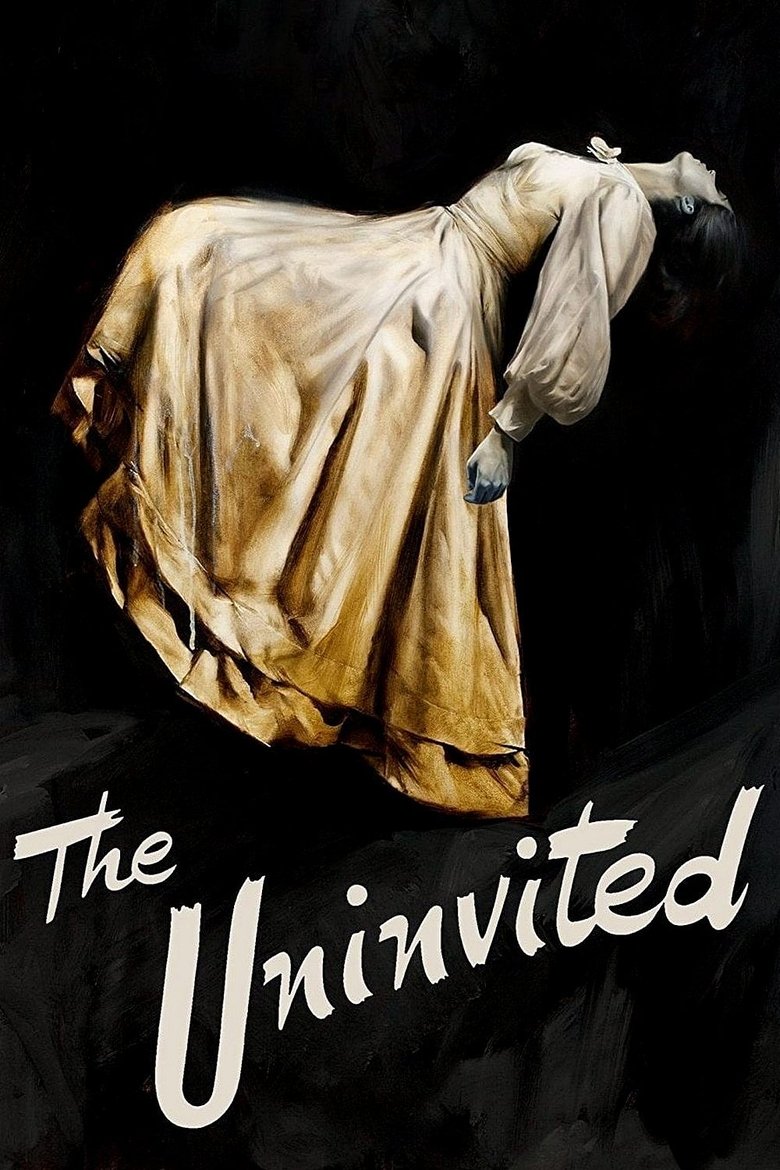
Two siblings who buy a suspiciously cheap house in Cornwall slowly learn why it was cheap.
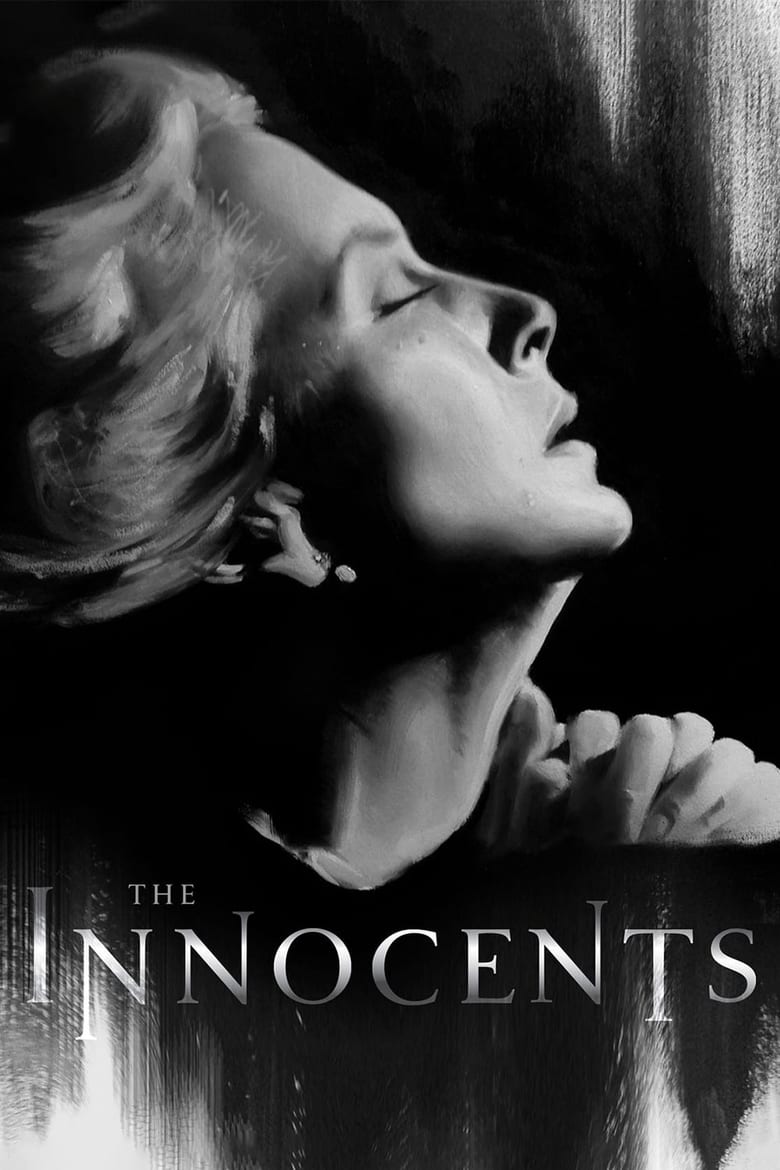
A governess charged with two children comes to believe the house and the children are possessed.

Two migrations in opposite directions: one from a dam disaster to the city, the other from the city to a dead father's farm. The same road, two stories.

Three ghost stories, all from Aboriginal storytelling. The first feature directed by an Aboriginal woman in Australia.

An undertaker talks to the dead and cannot talk to the living. Hungarian humour at its driest.
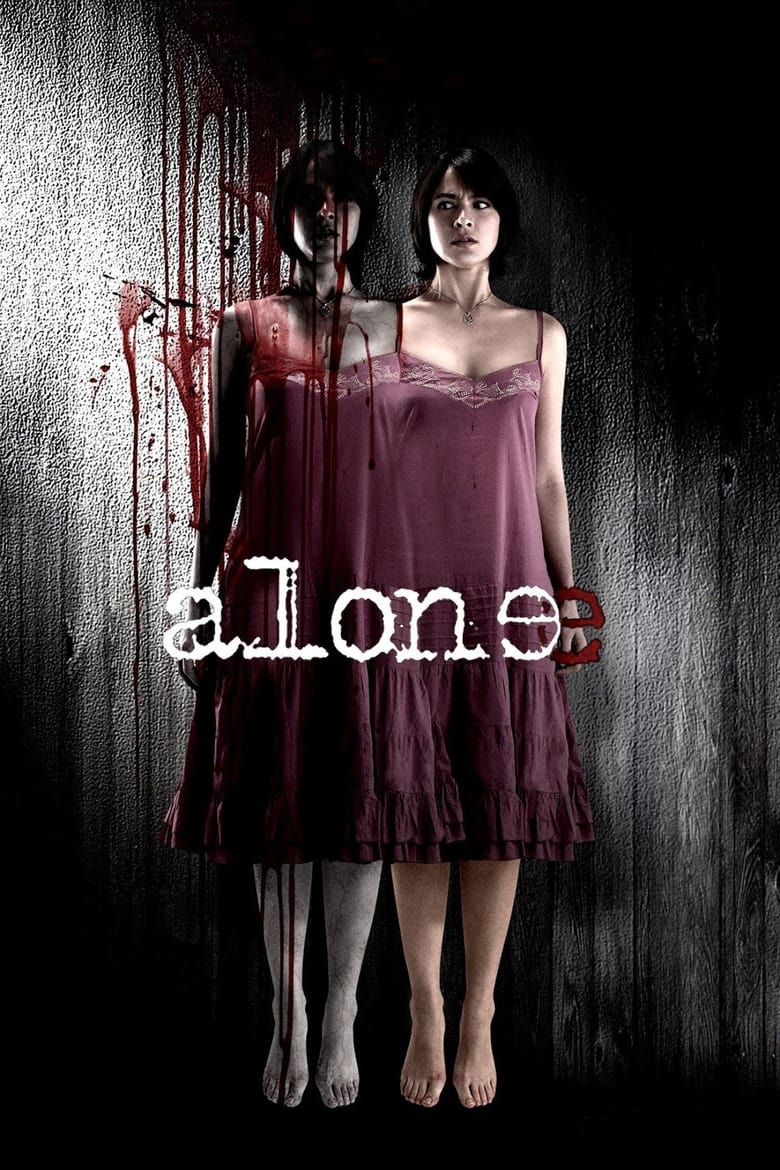
After conjoined twins are surgically separated, the surviving sister is haunted by the vengeful ghost of her dead twin.

Sent to war, Mak returns wounded to the devoted wife and child he believes await him, in an atmospheric folk legend of a love not even death can sever.

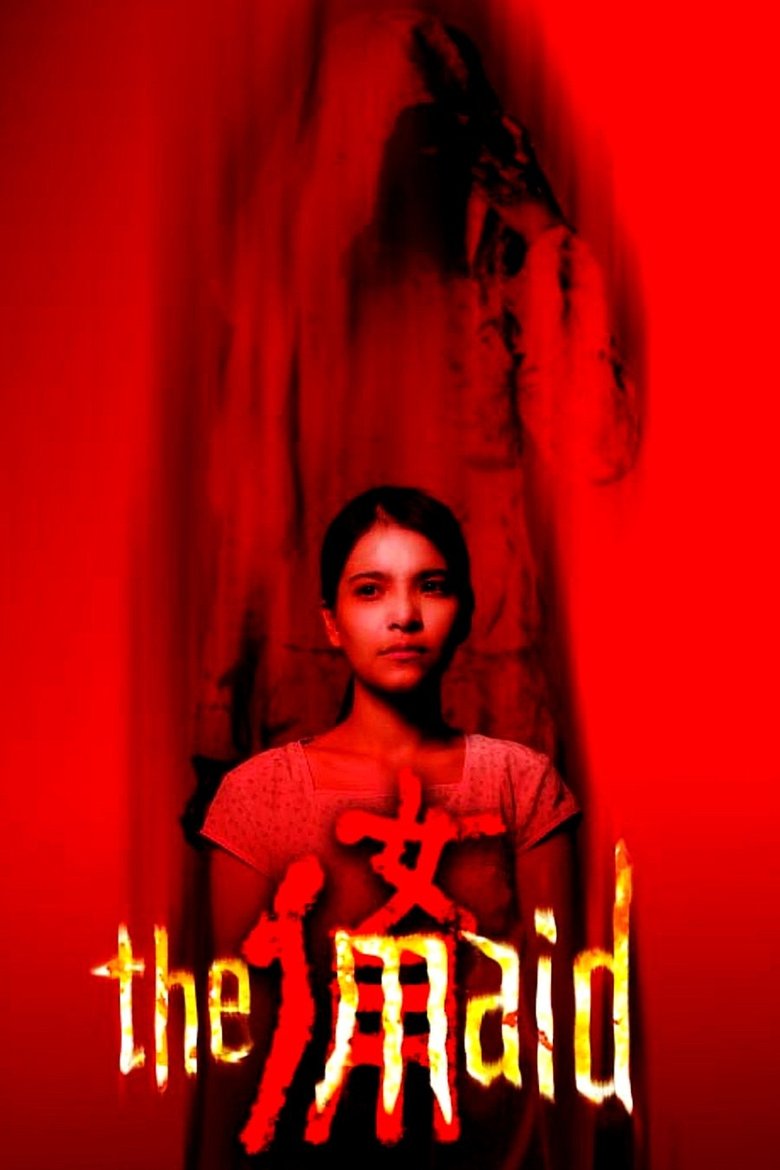
A young Filipina arrives in Singapore for her first job as a live-in maid, in the seventh month, when the gates to the dead swing open. Kelvin Tong wraps the anxieties of migrant domestic work inside a ghost story.

The ghost here is not a threat but a household appliance; being useful is the condition for continuing to exist. Boonbunchachoke turns the genre mould into a political joke and asks, with the same humour, who is granted a place and who is disposed of.
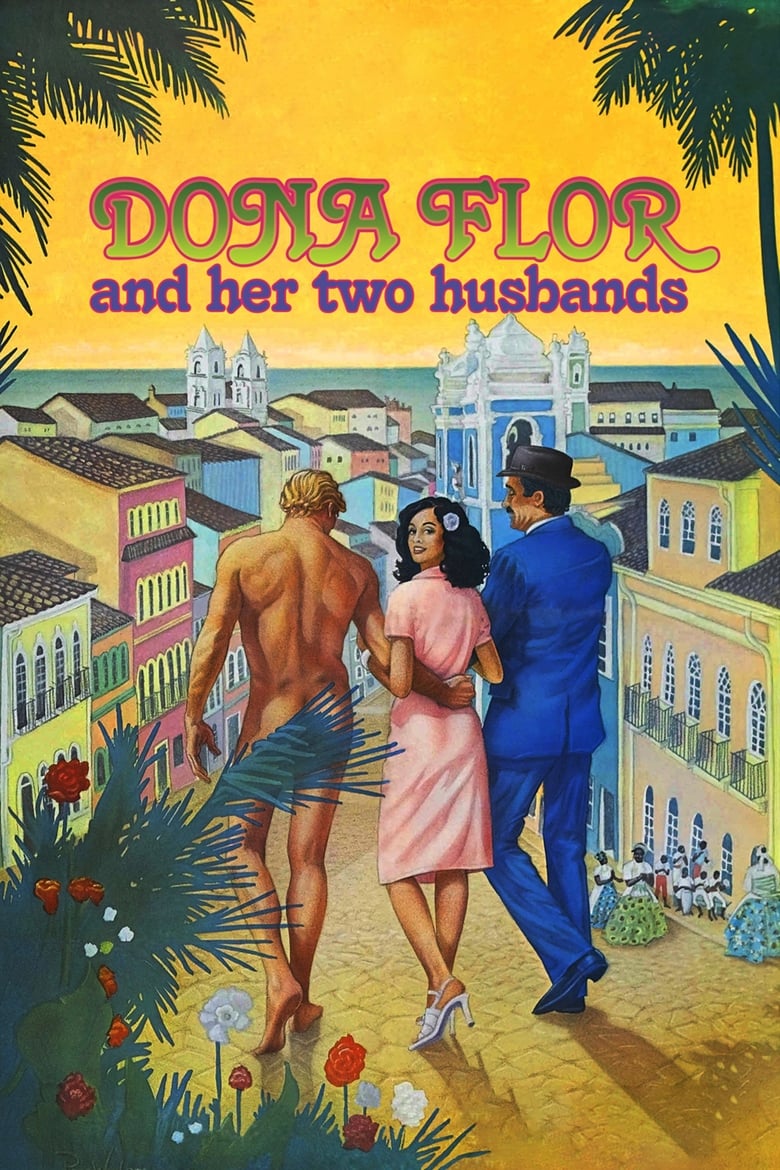
The dead husband's return is not a matter of fear here but of choice; rather than picking between two lives, the woman keeps both. Barreto declines to close the comedy with a moral, and lets desire and respectability live in the same house.