Tags
Guilt

The crime is long done; the film is about the years that have passed over it. Alper builds the town not as a community but as an agreement to stay silent: nobody has to lie, because nobody asks. Shared responsibility takes the story somewhere far more uncomfortable than the pursuit of a single culprit.
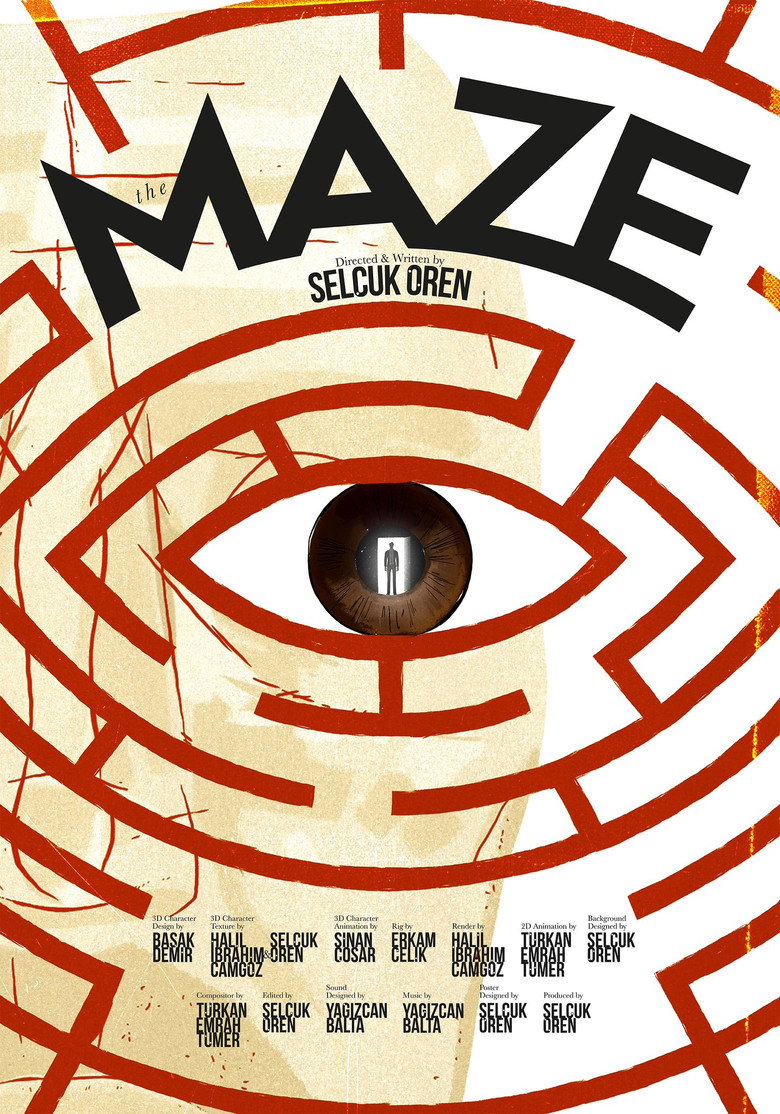
While an exit from the labyrinth is being sought, the cracks in the wall open onto the past. Ören uses space as a psychological map: the longer the corridor grows, the clearer it becomes that what is being fled is inside rather than outside.

The family convenes at once after an accident, and what is discussed is not the injured man but where the responsibility will settle. Nacar shows the law as a technique for distributing weight rather than an instrument of justice; because the camera never lets go, the viewer also misses the moment the decision was taken.

An unpaid debt comes between people living in the same building, and neighbourliness turns overnight into a creditor's relation. Reyhan does not convert this into a moral lesson; he shows the hierarchy that money installs inside a family.

A briefcase, money belonging to nobody in particular, and the market value of honesty. Erdem keeps raising the tempo until moral hesitation becomes a physical chase; the further the man runs, the less of his own measure he keeps. Money is present in nearly every scene, which makes this less a crime story than a study of appetite.

An aging woman learns to write poetry as her memory fades. A fragile balance of beauty and guilt.

A novice nun discovers her family's hidden past. A black-and-white, minimalist, flawless masterpiece.

Two boys' closeness shatters into tragedy. Unbearably tender on guilt and innocence.
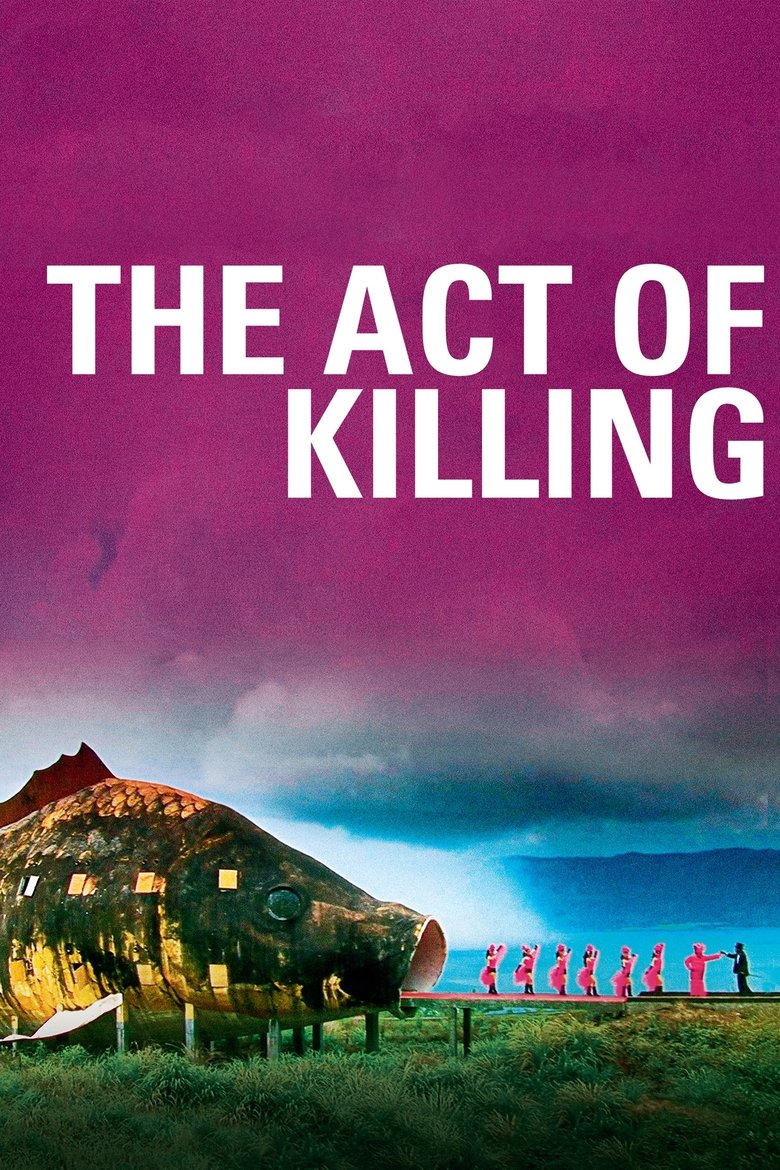
From Oppenheimer, a shattering documentary where killers reenact their own murders. Disturbing, singular, powerful.

From Lars von Trier, a grieving couple coming apart in the woods. Punishing, raw, hard to look at.

A censor's memory starts to blur with the video nasties she reviews. Where do the films end and she begin?
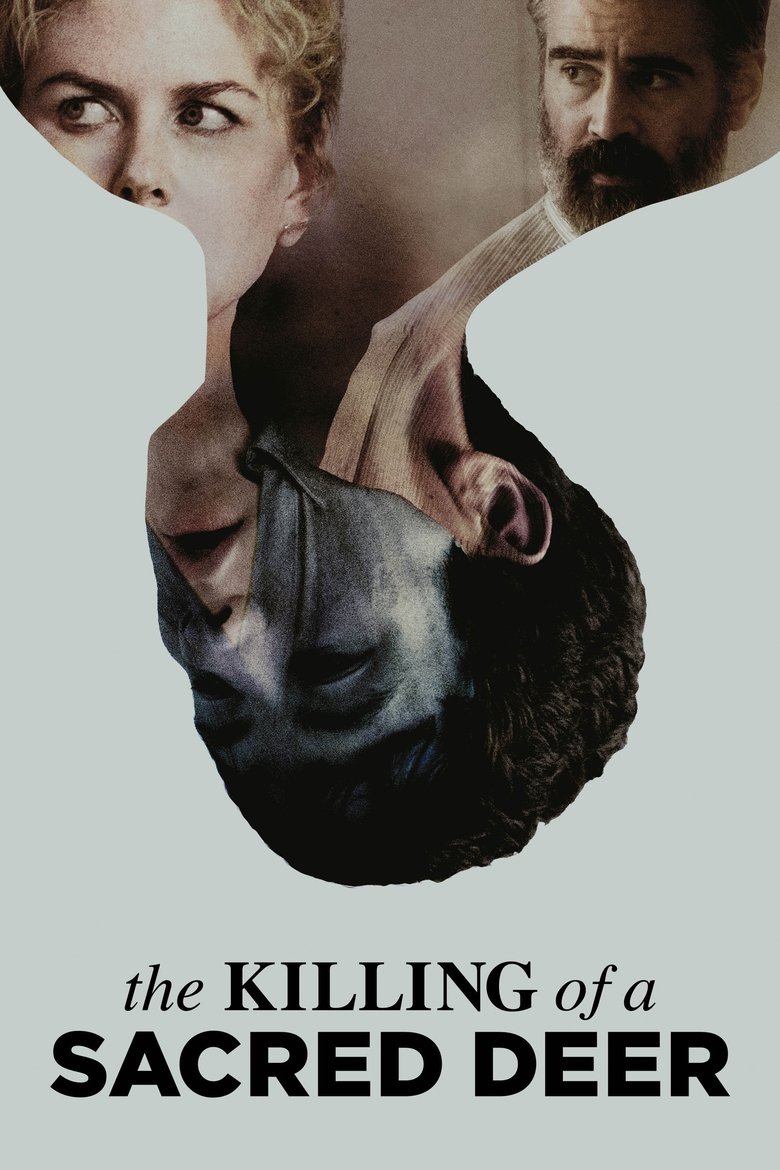
A surgeon is forced toward an impossible choice by a boy's quiet demand. Lanthimos is cold as a punishing god, precise as clockwork.

A surveillance expert becomes convinced a recording he made points to a murder. Coppola's paranoia feels closer now than ever.

From Paul Thomas Anderson, a rainy, emotional mosaic of intersecting lives. Grand, raw, shattering.

Mysterious tapes surveilling a family unearth guilt and the past. Cold, unresolved, sharp, from Haneke.
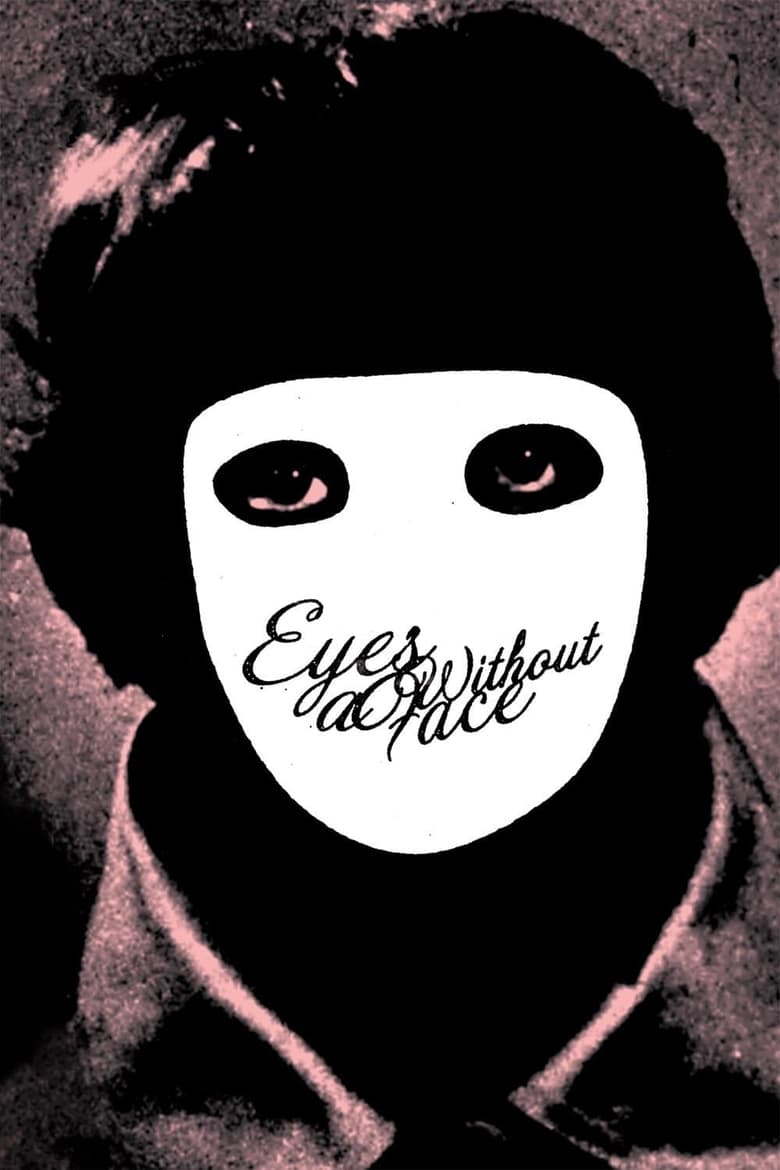
From Franju, the poetic horror of a surgeon trying to save his daughter. Beautiful, uncanny, timeless.

A homicide chief commits a murder and dares the system to catch him — certain he's untouchable. Petri lances at power with sharp irony.

A woman loses her grip on reality after an accident. Blurry, unsettling, masterful, from Martel.

A man who has served his sentence tries to begin again in provincial quiet — his only confidant an eel. It won Imamura his second Palme d'Or.

A sound man records the noise of an accident — and becomes sure he heard a murder. De Palma's thriller nod to Coppola and to his own craft.

