Tags
institutional life

The obstacles in front of a woman are neither dramatic nor one-off: a signature, an appointment, a phone call, an ex-husband's manner. Reyhan lets them accumulate and makes the viewer share the same fatigue, until it becomes hard to notice where the decision was actually made.

When the shift ends the real assessment begins, and only then does it become clear who has been testing whom. Durlanık stages the call centre less as a workplace than as an examination room: the lie built over the phone and the lie built in the office speak the same language.

Staying in a new country comes down to a signature, and nobody turns up to give it. Uğurlu films migration as a paperwork problem rather than an emotional threshold, and friendship is what gets tested there.

A boy in a reformatory and his days alone. Favio's first film, and Bresson's Argentine counterpart.

An engineer sends a telegram about a lost chess piece and the state takes it for a coded message. The investigation runs for months, he is removed from his post, the factory loses millions. Huang is the fifth generation's only comic director, and this is his first film.

A girl working at a seaside hotel is the only witness to what was done to two children. She has the footage, but speaking means losing her job and her papers. Qu built the film around a giant statue of Marilyn Monroe — the most visible monument in the town.

A taxi driver finds an abandoned baby on his back seat and spends the entire night unable to decide what to do. Golestan filmed Tehran as a modern city for the first time: nightclubs, police stations, hospital corridors. Nobody helps anybody, and the film offers this as observation rather than accusation.

On the Iran-Iraq border travelling teachers carry blackboards on their backs looking for pupils; the board becomes a shield, a stretcher, a dowry. Samira Makhmalbaf was twenty and won the jury prize at Cannes.

Eighteen years in a women's prison: a strict religious warden and a young midwife serving time for killing her mother's abusive husband. Hekmat shot in a real prison and censorship kept the film unreleased for a long time.

Violence, enforced silence and betrayal in a Lima military academy. From Vargas Llosa's novel; after its release the army burned copies of the book.

A woman enters a psychiatric hospital to investigate a death — or so she claims. A puzzle that keeps shifting who is right and what is real.

In Ireland, three young women try to survive a Magdalene laundry, where girls judged immoral were locked away. A cold, merciless machine of cruelty running in the shadow of the church.
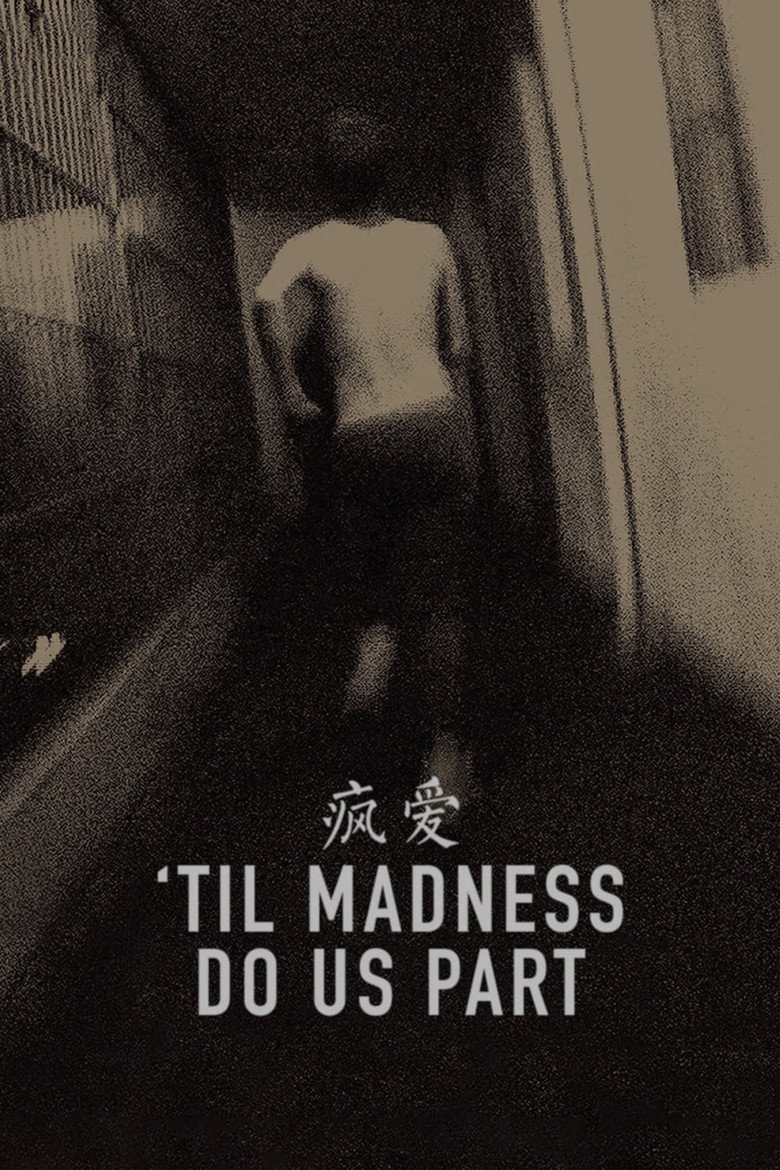
A long, immersive vigil inside a locked psychiatric ward in southern China. Behind closed doors, the patient and painful record of forgotten lives.

Two Black boys sent to a Florida reform school, filmed entirely from inside their own eyes. The camera never watches from outside.

A blind school principal and the widow who volunteers there. The film argues about the difference between pity and love.

At a boarding school in the east, a boy tries to get his sick friend to a doctor. One door after another closes.

A woman decides to build a house. Across the film she gets permits, gathers documents, finds money, gets more permits. Bureaucracy is used as a device of suspense, and it works.

Four migrant workers are taken in by the police. They have committed nothing. The film does not release them, or the viewer. The first Tamil film to win at Venice.

A law student from a lower caste becomes friends with a girl from an upper one. That is all. The rest of the film explains what that sentence means in India.

A man who spent his life in a government office retires. His pension does not arrive. His wife falls ill. His file travels from desk to desk, and while he waits he shrinks.


