Tags
Lav Diaz-like
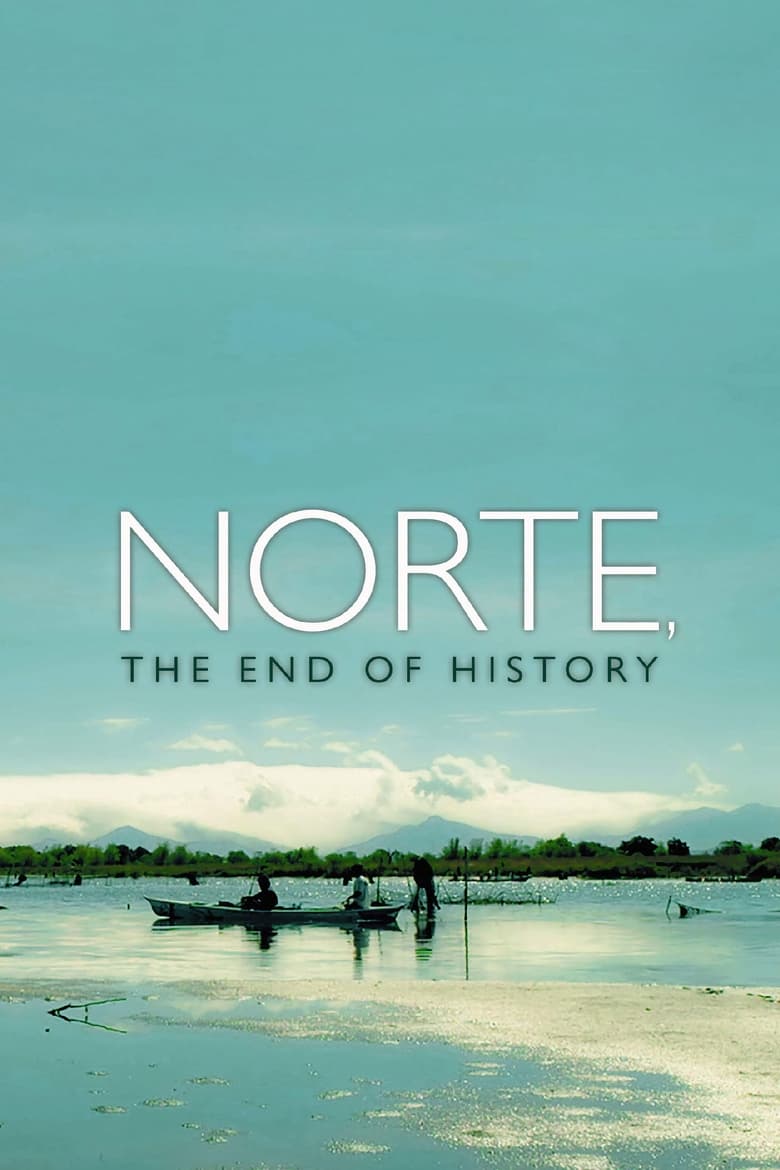
Crime and Punishment transplanted to the Philippines, across four hours. Lav Diaz sets Dostoevsky down in a tropical town.

A woman waiting for her husband's body and a missing child. Lav Diaz's stillest film, in which mourning becomes a landscape.

The revenge of a woman imprisoned unjustly for thirty years. It won the Golden Lion in Venice; black and white, four hours.
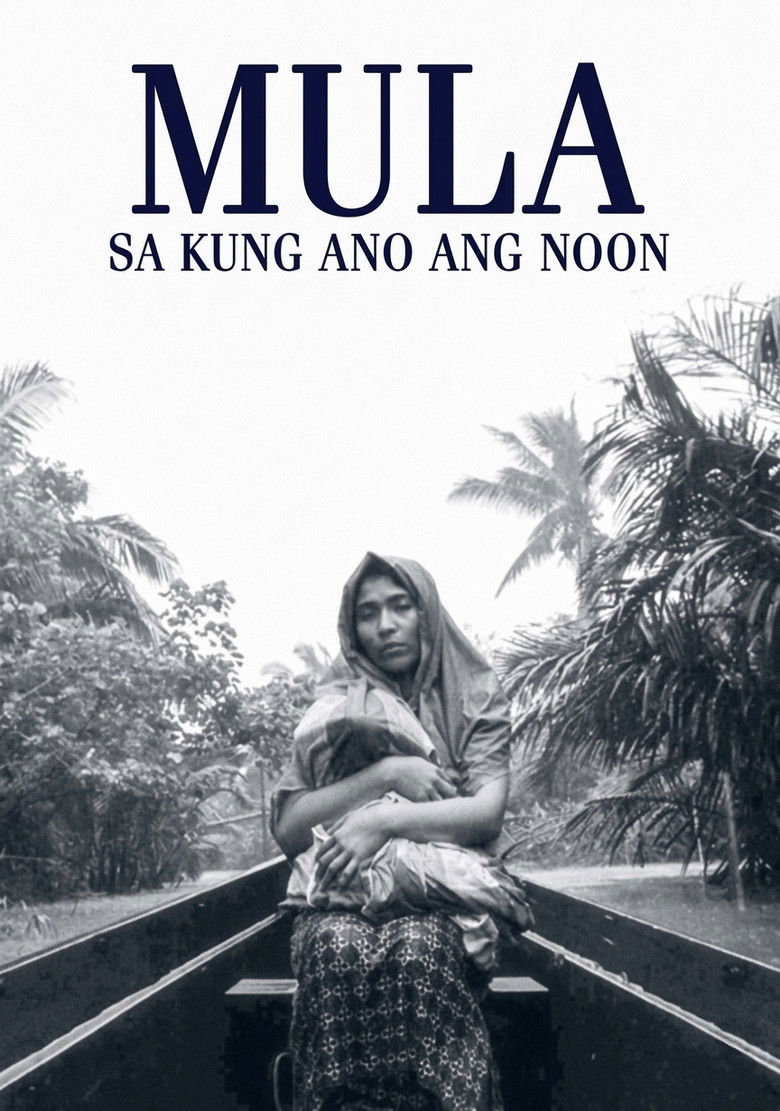
Marcos's martial law period interwoven with folk legend. It won the Golden Bear in Berlin; Lav Diaz's most accessible long film.
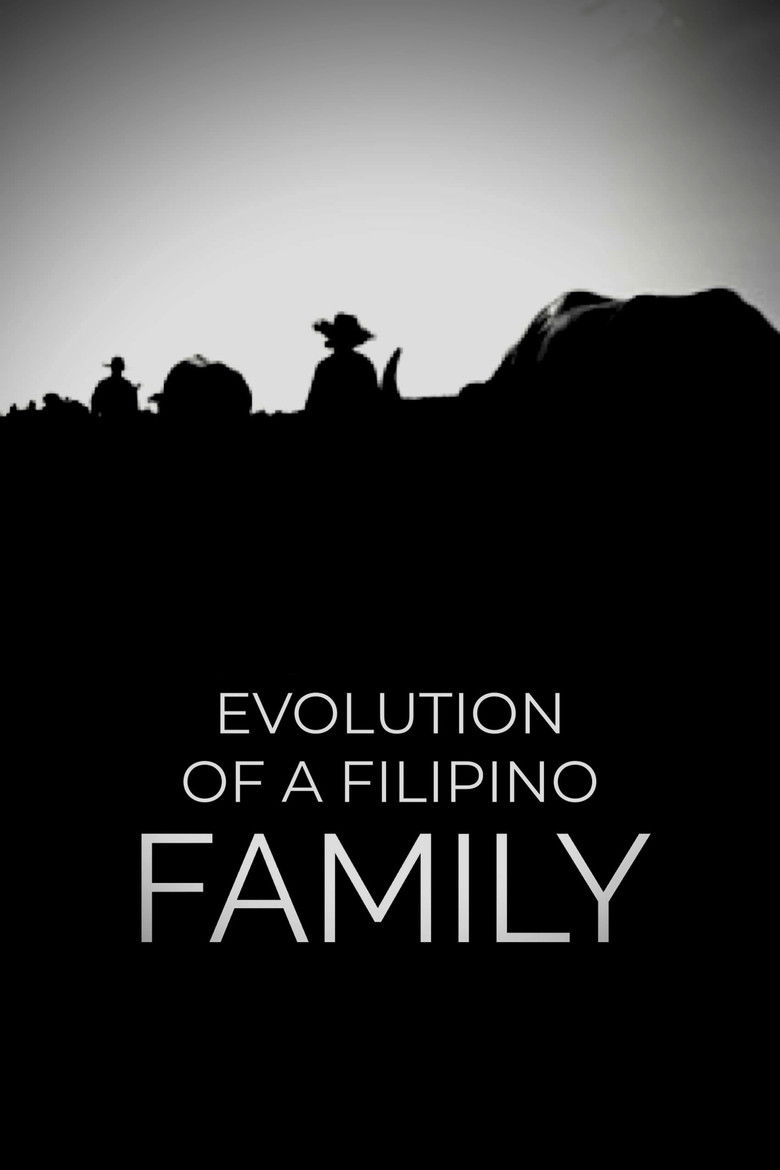
An eleven-hour family epic in black and white, from 1971 to 1987. Lav Diaz treats time as material; to the patient he gives an entire country.
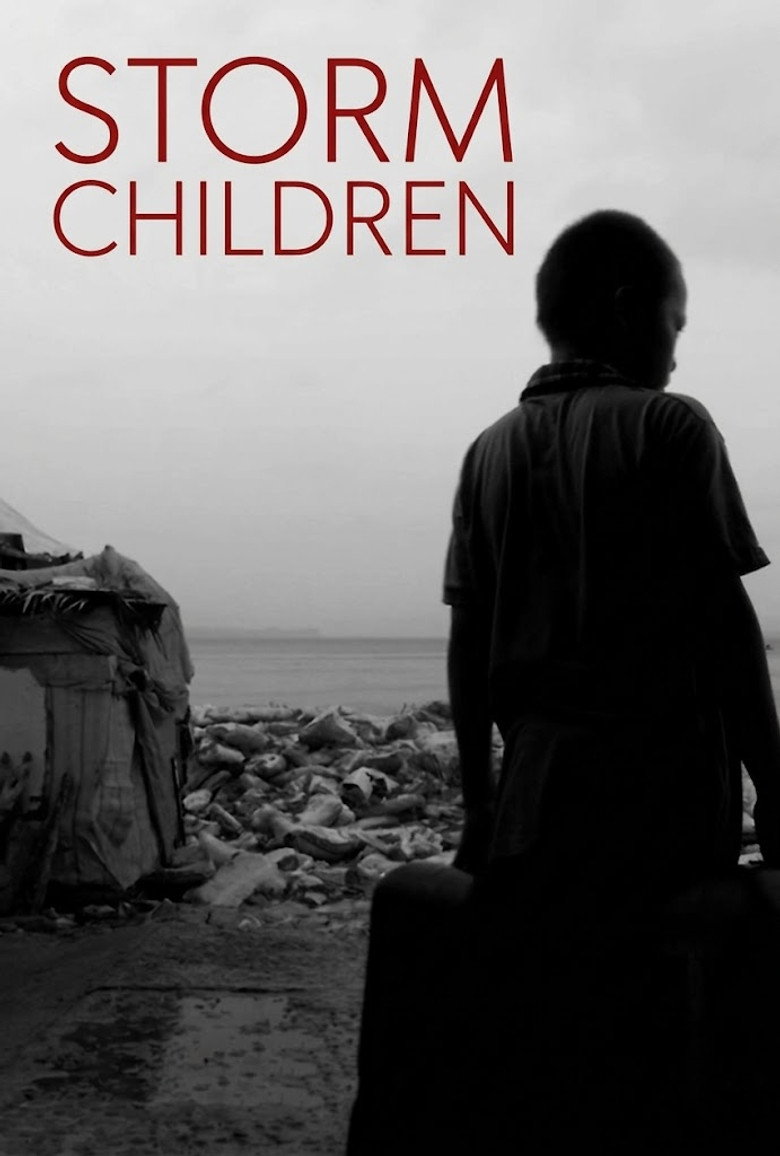
The storm has passed and the camera watches what is left in the wreckage; there are no rescue teams, only children. Diaz offers no commentary and no narrator; every minute spent in the water shows how the aftermath of disaster turns into ordinary daily life.

An artist's unfinished work and the cult narrative running in his head advance inside the same film; both look for a sacrifice in order to be completed. Diaz uses duration not as a difficulty but as a condition: only at this length can he show how making turns into obsession.

Two stories run side by side: a woman held captive, and two men digging for treasure. Diaz films both in the same static shots and ties them together through the idea of repeated damage; the black and white here is not aesthetics but a question of endurance.